- ProdutoEquipamentoPrecisão de Potência, Personalização Solução de GruaCorreio eletrónico:WhatsApp / Wechat:+8613781917315Morada:N.º 18 Shanhai Road, Changyuan City, Província de Henan, China

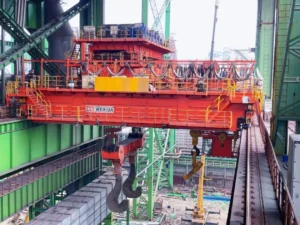
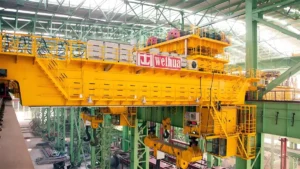
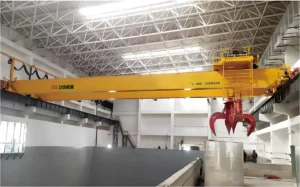
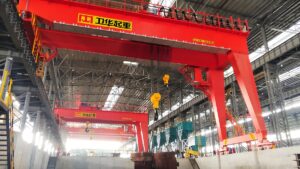
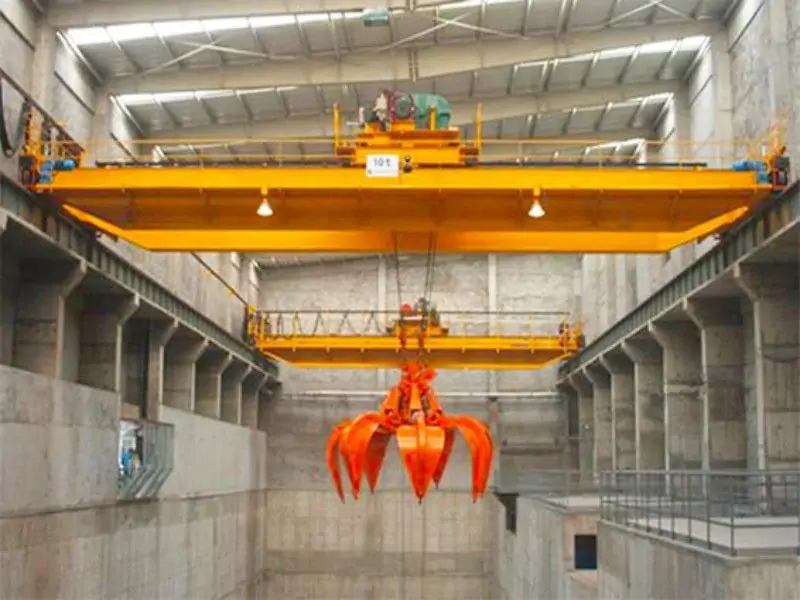
A QZ Grab Overhead Crane is a double girder overhead crane fitted with a grab bucket for bulk material handling. It is commonly used for coal, ore, limestone, scrap, sand, clinker, and other loose materials in steel plants, ports, power stations, cement plants, and waste treatment facilities.
The crane uses a four-rope grab bucket to pick up, transport, and discharge bulk materials. Grab bucket type, lifting capacity, span, lifting height, working duty, and control method are selected according to the material characteristics and site conditions. Different configurations are available for indoor, outdoor, and automated handling systems.
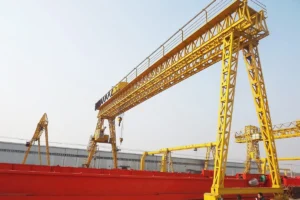
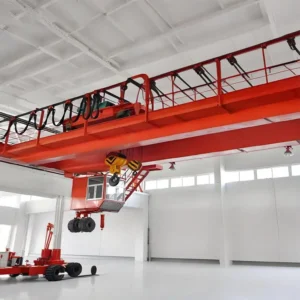
QZ Grab Overhead Cranes are divided into single girder and double girder types. Single girder cranes are commonly used for light-duty bulk material handling with smaller grab capacities. Double girder cranes are used for larger grab buckets, higher lifting capacities, and continuous operation in steel plants, mines, power stations, and other heavy industrial facilities. Grab bucket type, span, lifting height, and control method are selected according to the material and operating conditions.
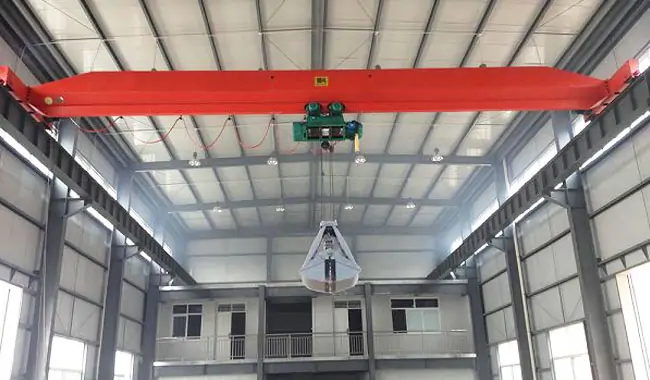
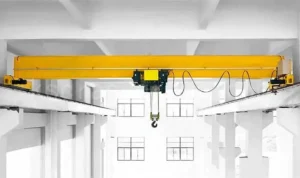
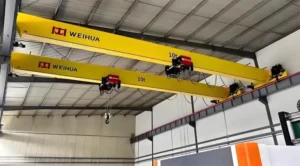
The main girder is a single box-type or I-beam structure. The structure is relatively simple and the manufacturing cost is lower. It is used in applications with lower lifting capacity, shorter span, and limited space requirements, such as small warehouses or workshops.
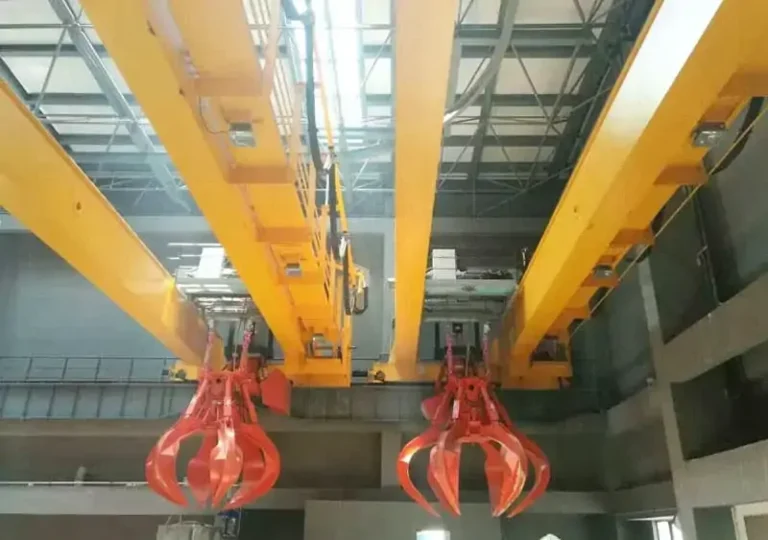
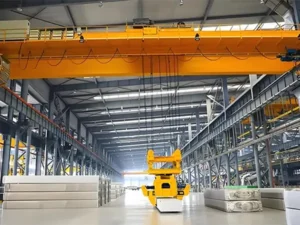
This is the most common standard QZ-type crane. It uses two parallel main girders with a rigid structure and high stiffness. It handles larger load capacities and spans, with stable operation. It is widely used in heavy industry sectors such as ports, power plants, steel mills, and cement plants for bulk material loading and unloading.
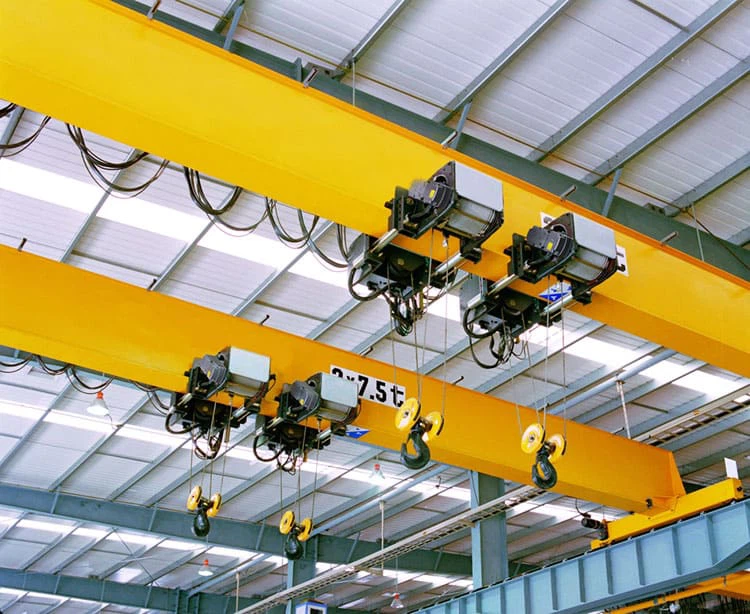
The QZ Grab Overhead Crane consists of the bridge frame, trolley, grab bucket, traveling mechanism, hoisting and opening-closing mechanism, electrical system, and safety and auxiliary devices.
QZ Grab Overhead Crane: each part works together for bulk material handling in ports, steel plants, power plants, and similar industrial sites.
To learn more about the functions of safety devices, read the article: “Overhead Crane Safety Devices: Types, Functions, and Working Principles”
QZ Grab Overhead Crane is used for bulk material loading and unloading. Parameter configuration is directly related to actual working conditions. Lifting capacity, span, lifting height, speed, and grab bucket volume are selected based on material type, bulk density, and on-site operation method. Different application scenarios use different configurations.
| Parâmetro | Value |
|---|---|
| Rated Capacity | 3–30 t (typical 5–20 t) |
| Span | 7.5–40 m (typical 10.5–31.5 m) |
| Altura de elevação | 6–40 m (typical 18–28 m) |
| Classe de Dever | A5–A8 (mainly A6–A7) |
| Hoisting Speed | 39.2–48.6 m/min |
| Trolley Speed | 43.2–45.9 m/min |
| Crane Travel Speed | 86.5–113.6 m/min |
| Grab Volume | 0.75–10 m³ |
| Fonte de Alimentação | 3-phase, 380V, 50Hz |
| Modo de Operação | Pendant / Cabin / Wireless Remote |
| Ambiente de Trabalho | Interior / Exterior |
| Temperature Range | -25°C to +45°C |
The specifications of the QZ-type grab bridge crane are configured based on on-site conditions, including technical parameters such as lifting capacity, span, lifting height, duty cycle, travel speed, and grab volume. WEIHUA can provide customized solutions tailored to different material types and operating frequencies.
The type of grab bucket is selected based on the physical properties of the material being handled, such as particle size, density, and shape, which directly affect grabbing performance.
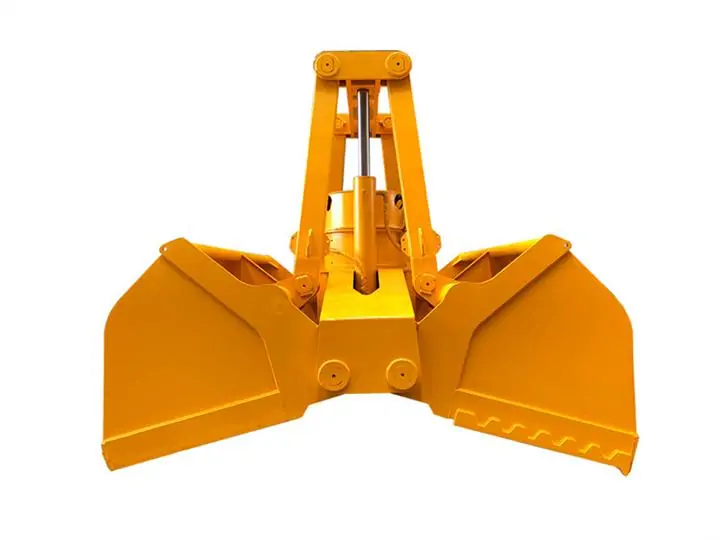
The most common type, used for general bulk materials such as coal, sand, and grain.
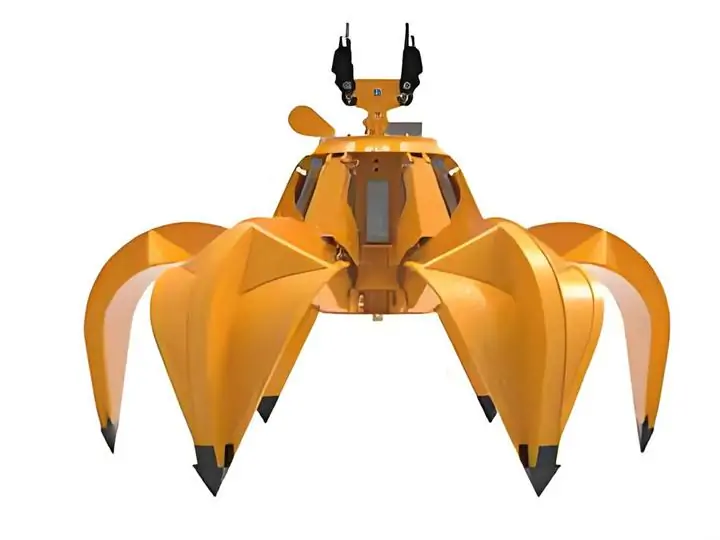
More cutting edges and better penetration into material piles. Suitable for irregular materials such as large ore, scrap steel, and iron chips, as well as sticky materials like sludge.
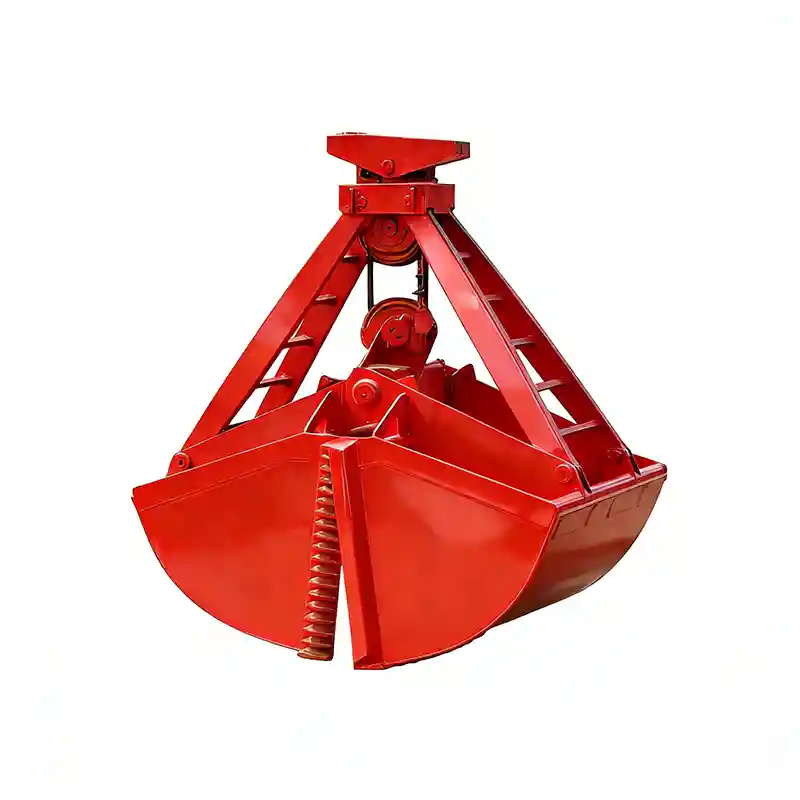
Equipped with teeth on the bucket edge for handling larger block materials (typically above 200 mm), such as large ore and limestone
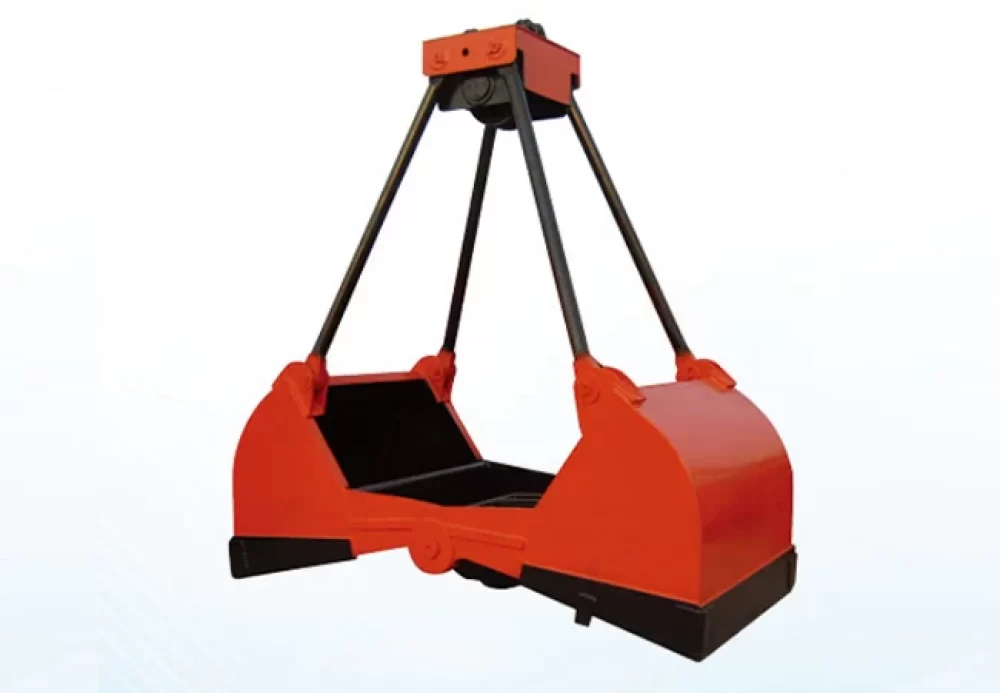
Works on a scissor mechanism, with increasing closing force during operation and a wide opening range. Suitable for yard cleanup and ship hold cleaning, but less effective for initial grabbing of large lumps.
Different grab buckets are designed for different bulk materials and operating conditions. The table below compares their structure, suitable materials, working characteristics, and applications.
| Item de comparação | Double Rope Grab | Multi-Tine Grab | Teeth Grab | Clamshell Grab |
|---|---|---|---|---|
| Estrutura | Two bucket shells connected by four wire ropes and a pulley system. | Multiple curved tines (typically 4–8) are mounted around a central hub. | Two bucket shells with reinforced cutting teeth on the bucket edge. | Two bucket shells with straight or curved edges, hinged at the top. |
| Opening / Closing Method | Opens when lowered and closes when lifted by the wire ropes. | Tines open when lowered and close toward the center when lifted. | Teeth penetrate the material during closing and grip the load. | Opens when lowered and closes when lifted to scoop material. |
| Typical Use | General bulk material handling. | Handling irregular, loose, or mixed bulk materials. | Digging and handling hard or compacted bulk materials. | High-capacity grabbing and dredging operations. |
| Suitable Materials | Coal, sand, gravel, grain, ore powder, and other loose bulk materials. | Scrap steel, municipal waste, sludge, clay, soft ore, and mixed materials. | Rock, limestone, cement clinker, hard ore, and oversized materials. | Large lump materials, dredged sediment, ore, and bulk cargo. |
| Recommended Material Size | Best for particle sizes below 100 mm. | Suitable for mixed particle sizes and irregular materials. | Best for particle sizes above 200 mm or compacted materials. | Suitable for medium to large lump materials and dredging work. |
| Principais características | Simple structure and stable operation. | Multiple tines provide a strong gripping force from different directions. | Reinforced teeth improve penetration into hard materials. | Large bucket capacity with efficient scooping performance. |
| Vantagens | Low maintenance, reliable operation, high efficiency for loose materials. | Excellent gripping performance for irregular materials. | Strong digging capability and high wear resistance. | Large payload per cycle with good sealing performance. |
| Limitations | Not suitable for large blocks or compacted materials. | Lower filling efficiency when handling fine powders. | Higher self-weight and increased tooth wear. | Requires a larger opening space and is less suitable for fine materials. |
| Typical Duty Class | A3–A6 | A4–A6 | A5–A8 | A4–A8 |
| Aplicações típicas | Power plants, cement plants, mines, warehouses, and material yards. | Steel plants, scrap yards, waste treatment plants, ports, and recycling facilities. | Mines, quarries, cement plants, and steel mills. | Dredging projects, ports, shipyards, and bulk cargo terminals. |
The grab bucket directly affects material handling efficiency, filling rate, and service life. Different grab designs are suitable for different bulk materials, particle sizes, and working conditions.
For more information about grab bucket types, selection guidelines, and application differences, read our Caçamba para grua.
A QZ Grab Overhead Crane handles bulk materials with a grab bucket suspended from the trolley. During operation, the crane travels along the runway while the trolley moves across the bridge to the loading position. The grab bucket descends into the material pile, closes to collect the material, and is lifted to the required height. The crane then carries the load to the unloading point, where the grab opens to discharge the material before returning for the next operation.
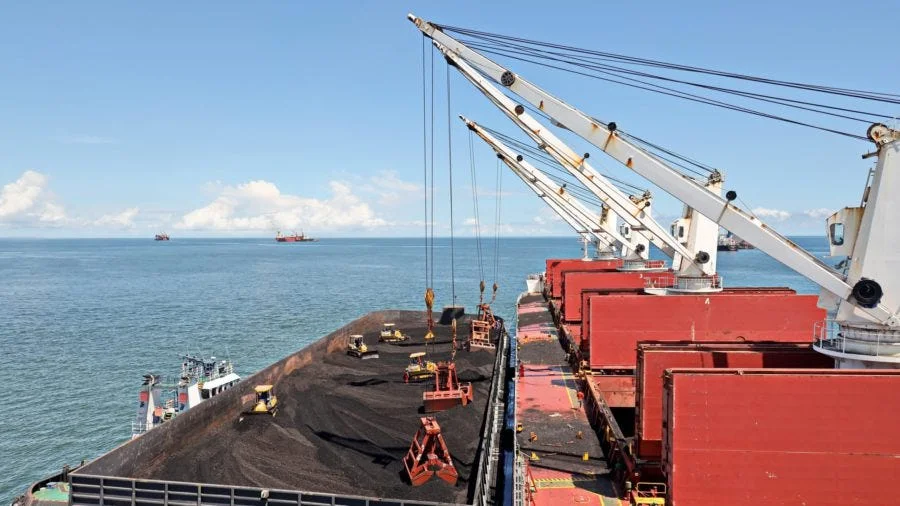
coal, iron ore, clinker, grain, bulk cargo
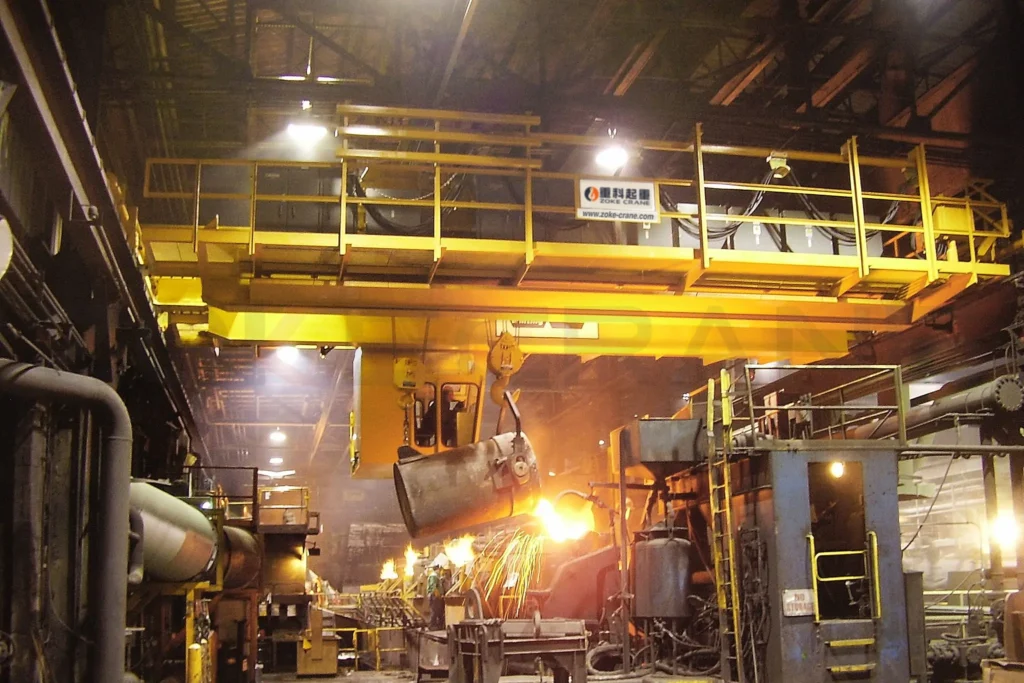
scrap steel, iron ore, coke, sinter
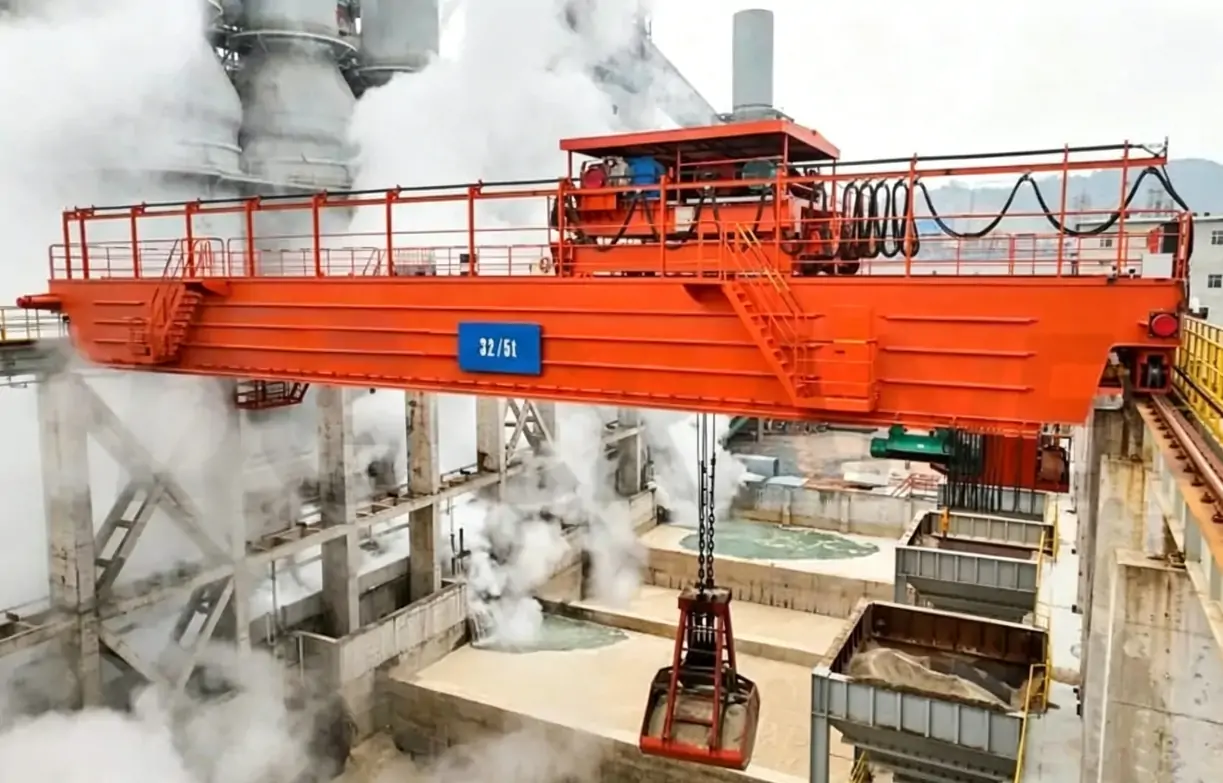
coal, biomass fuel, and ash handling
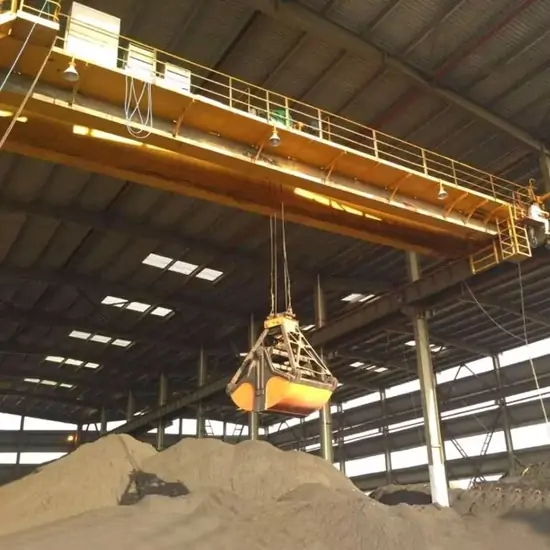
limestone, clinker, gypsum, coal powder
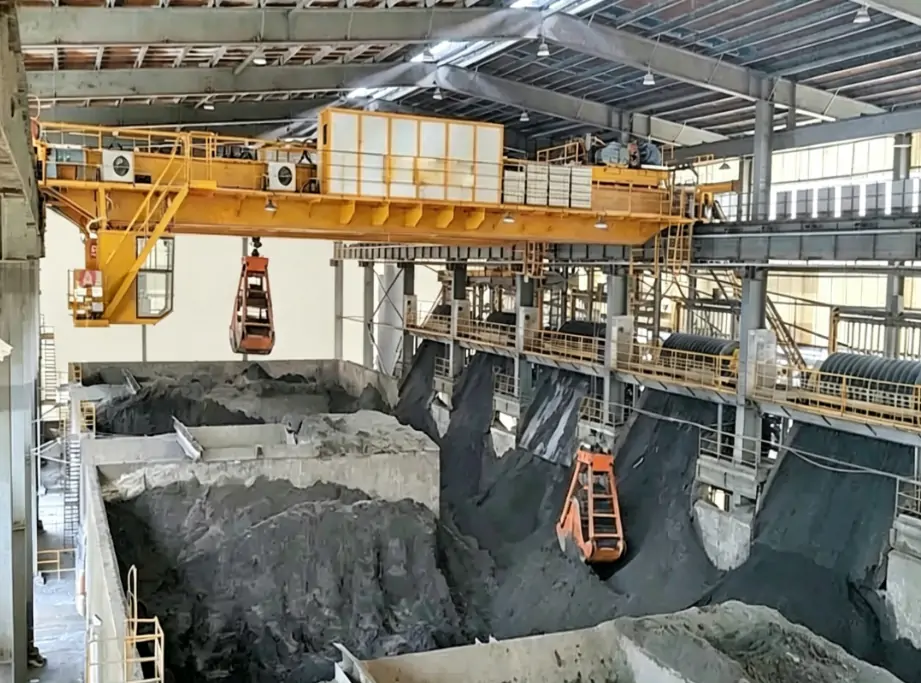
ore, stone, tailings
municipal waste, sludge, recyclable bulk materials
QZ Grab Overhead Cranes are built for handling bulk materials such as coal, ore, sand, limestone, clinker, grain, scrap, and industrial waste. They are widely used in steel plants, mines, power stations, cement plants, and material storage yards for continuous loading, unloading, and stacking operations.
QZ Grab Overhead Crane is configured based on site conditions, material type, and working requirements. Design and selection are adjusted according to actual operational needs.
WEIHUA provides customized design and configuration according to project requirements and application conditions. We will configure a suitable double-hook overhead crane for your project.
Obtenha uma Cotação Personalizada Agora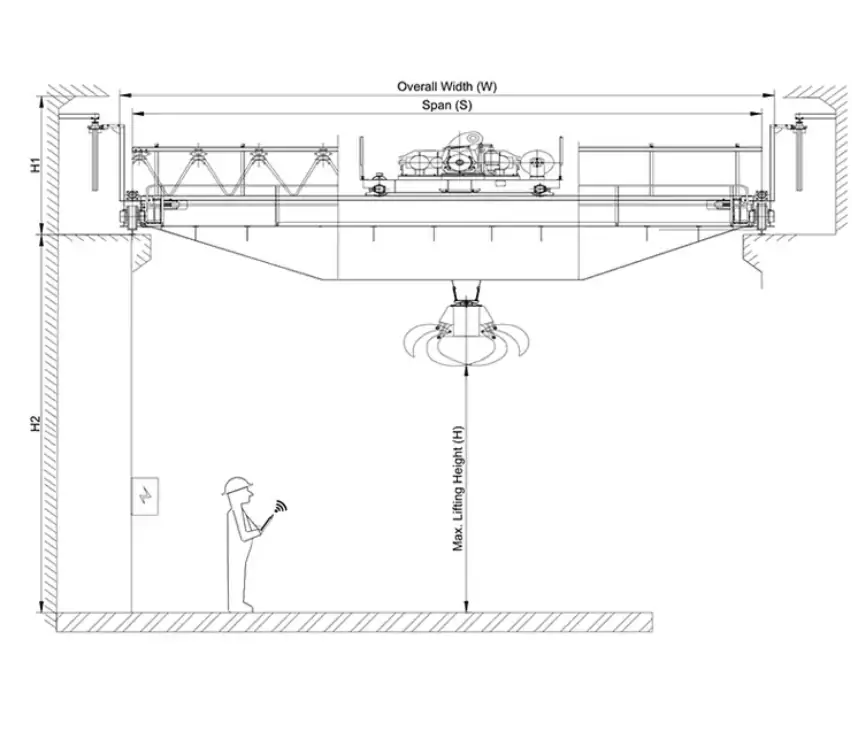
WEIHUA supplies QZ grab overhead cranes with full production capability, covering structural design, fabrication, assembly, testing, and delivery. Solutions are configured according to project requirements, including lifting capacity, span, grab type, and working duty class. Each unit is produced under industrial standards for long-term operation in demanding environments. For technical consultation, customization, or quotation, please contact us for detailed support. eeds. For technical support or project inquiries, Contate-nos for a tailored solution.
It is used for loading, unloading, and transferring bulk materials such as coal, ore, sand, grain, and scrap steel.
Common applications include ports, steel mills, power plants, cement plants, mining sites, and waste handling facilities.
Options include rope grab, hydraulic grab, multi-jaw grab, and scissor grab, selected based on material type.
Standard range is 3–30 tons, with customized models available for higher requirements.
Yes. Span, lifting height, grab volume, control mode, and duty class can all be designed according to site conditions.
It is typically designed for A5–A8 working duty, suitable for frequent and heavy operation.
Pendant control, cabin control, and wireless remote control are available depending on application needs.
Overload protection, limit switches, emergency stop, and optional anti-collision and monitoring systems are available.
Fundada em 1988, a Weihua evoluiu para uma líder global no campo da manufatura inteligente na China. Somos especializados em I&D e produção de gruas inteligentes, ao mesmo tempo que oferecemos soluções AGV. As nossas equipas profissionais de engenharia, entrega e pós-venda fornecem suporte técnico multifacetado, soluções personalizadas, orientação de instalação no local e serviços globais de resposta rápida para garantir que cada projeto opere de forma segura e eficiente.
Contacte-nos agora por email: [email protected], ou preencha o formulário abaixo.


O pórtico rolante é um equipamento de elevação amplamente utilizado em diversos setores industriais, locais de construção, portos, armazéns e outros campos. A sua estrutura única e a sua potente capacidade de suporte de carga tornam-no ideal para a manipulação moderna de materiais de alta resistência. O design da estrutura do “pórtico” permite que o guindaste se mova livremente num espaço, cobrindo uma grande área de trabalho. Então, o que torna os pórticos rolantes especiais? Quais são os seus tipos, parâmetros, métodos de controlo, aplicações e princípios de funcionamento? Como diferem dos pontes rolantes? Vamos explorar juntos. Tipos de Pórtico Rolante Com base no design, aplicação e ambiente de operação, os pórticos rolantes são tipicamente categorizados nos seguintes tipos: Pórtico Rolante de Viga Única Os pórticos rolantes de viga única são amplamente utilizados em setores industriais, armazéns, portos e oficinas. Apresentando um mecanismo de elevação de suporte de viga única, eles percorrem através de colunas laterais e calhas inferiores. Com a sua estrutura simples, operação fácil de usar e capacidade de elevação moderada, são ideais para manusear cargas leves a médias. Capazes de cobrir grandes distâncias livremente, os pórticos rolantes de viga única são adequados para operações de elevação e manuseio de materiais pesados. Pórtico Rolante de Viga Dupla Em comparação com os pórticos rolantes de viga única, os pórticos rolantes de viga dupla oferecem maior…
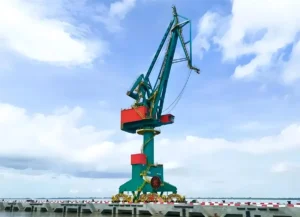
Nos portos, parques logísticos e manuseamento de materiais industriais, as Gruas Pórtico e as Gruas de Portão são dois tipos comuns e essenciais de equipamentos de carga/descarga. Diferem no design estrutural, características de desempenho, métodos de operação, cenários de aplicação e custos de investimento. Este artigo fornece uma análise abrangente da comparação entre Gruas Pórtico e Gruas de Portão e orienta-o na escolha correta. Comparação do Design Estrutural As diferenças estruturais entre Gruas Pórtico e Gruas de Portão manifestam-se principalmente nos métodos de suporte de carga, trajetórias de movimento e alcances de cobertura. A primeira foca-se numa torre fixa e numa lança rotativa, enfatizando a “cobertura de ponto” e a rotação horizontal flexível. A última apresenta uma estrutura de portal e movimento longitudinal sobre carris, priorizando o “movimento horizontal extenso” e o manuseamento eficiente de logística no local. Consequentemente, os seus designs estruturais distintos ditam diretamente os seus diferentes cenários de aplicação. Características Estruturais da Grua Pórtico As gruas giratórias tipo pórtico empregam estruturas de lança de um ou dois cantiléveres com a torre fixada a fundações ou carris, permitindo uma rotação de 360° ou parcial. Esta configuração permite uma operação flexível em espaços estreitos e alongados, como linhas costeiras, frentes de cais e berços de navios, tornando-a particularmente adequada para o manuseamento de materiais entre navio e terra. A sua funcionalidade principal combina verticalmente…
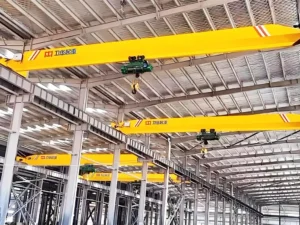
Nas operações industriais modernas, a movimentação eficiente de materiais é crucial para maximizar a produtividade e otimizar o fluxo de trabalho. Os pontes rolantes, também conhecidos como gruas aéreas ou gruas EOT, são sistemas fixos de manuseio de materiais amplamente utilizados em operações de fabrico, processamento de metais, armazenamento e operações de carga/descarga. Neste artigo, exploraremos o princípio de funcionamento, os componentes principais, as aplicações e os benefícios operacionais das pontes rolantes, fornecendo um guia abrangente para planeadores industriais e profissionais de logística. Princípio de Funcionamento da Ponte Rolante Uma ponte rolante opera numa estrutura semelhante a uma ponte que abrange o espaço de trabalho, com um carro e um sistema de elevação que se move horizontalmente ao longo da ponte e levanta ou baixa cargas verticalmente. O movimento da ponte rolante na via, combinado com o controlo preciso do elevação, permite o manuseio eficiente e seguro de materiais pesados em fábricas, armazéns e instalações industriais. Para informações sobre como funcionam as gruas aéreas, consulte este artigo: Princípio de Funcionamento das Gruas Aéreas: Componentes, Movimento e Processo Operacional Terminologia da Ponte Rolante Segue-se uma introdução à terminologia relacionada com as partes da ponte rolante. Capacidade da Ponte Rolante: A capacidade da ponte rolante refere-se ao peso máximo que uma ponte rolante pode levantar em segurança. Geralmente medida em toneladas...
Uma Ponte Rolante EOT (Electric Overhead Traveling Crane) é um sistema de elevação aéreo eficiente e fiável, utilizado para manusear materiais pesados em fábricas, armazéns, oficinas e instalações industriais. Correndo sobre carris suspensos, as pontes rolantes EOT permitem o movimento tridimensional seguro e preciso de cargas, através de movimentos coordenados de elevação, translação transversal e translação longitudinal. Este artigo irá guiá-lo através das definições, tipos, estrutura, princípios de funcionamento, aplicações e fatores de custo das pontes rolantes EOT, para o ajudar a selecionar a solução mais adequada às suas necessidades de elevação. Como funciona uma Ponte Rolante EOT? O princípio de funcionamento de uma ponte rolante EOT envolve uma combinação de elevação vertical, movimento horizontal do carro e movimento longitudinal da ponte, permitindo o manuseamento eficiente de cargas pesadas em instalações industriais. A ponte rolante opera em carris de pista elevados, instalados ao longo da estrutura do edifício, com a viga da ponte a cobrir o espaço de trabalho. O mecanismo de elevação sobe ou desce a carga utilizando cabos de aço ou correntes, enquanto o carro move a carga horizontalmente ao longo da ponte. A ponte rolante inteira desloca-se longitudinalmente ao longo dos carris da pista, permitindo o posicionamento tridimensional dos materiais. As pontes rolantes EOT modernas são acionadas por motores elétricos com velocidade precisa…
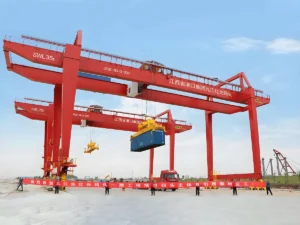
As gruas porta-pórtico são amplamente utilizadas em pátios de estocagem ao ar livre, estaleiros, fábricas e locais de construção, tornando-as uma das soluções de manuseio de materiais mais versáteis e extensivamente aplicadas. As gruas porta-pórtico vêm em vários tipos, cada uma personalizável para se adequar a diferentes capacidades de carga, condições do local e requisitos operacionais. No entanto, a seleção da configuração errada pode levar a despesas desnecessárias, capacidade de elevação limitada ou restrições de expansão futuras. Então, quais são os principais tipos de gruas porta-pórtico? Como escolher o tipo certo para a sua aplicação? Neste guia, forneceremos uma visão geral detalhada dos diferentes tipos de gruas porta-pórtico com base na estrutura, mobilidade e cenários de aplicação, ajudando-o a tomar a decisão certa antes de investir numa solução de elevação. O artigo é bastante longo. Abaixo está o nosso índice. Por favor, salte para a secção correspondente, conforme necessário: O que é uma Grua Porta-Pórtico? As gruas porta-pórtico são equipamentos de elevação concebidos para o manuseio eficiente de cargas pesadas em grandes locais ao ar livre. A sua estrutura distinta apresenta uma ou mais vigas principais suportadas por pernas rígidas (ou flexíveis) de cada lado, formando uma estrutura monumental em forma de “portão”. Estas gruas atravessam…
 English English
  Русский
 العربية
 Français
 Português
 Español