








Índice
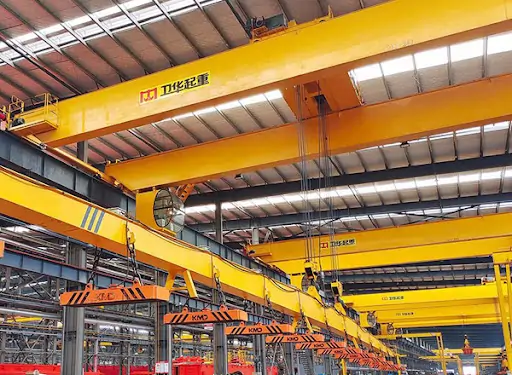
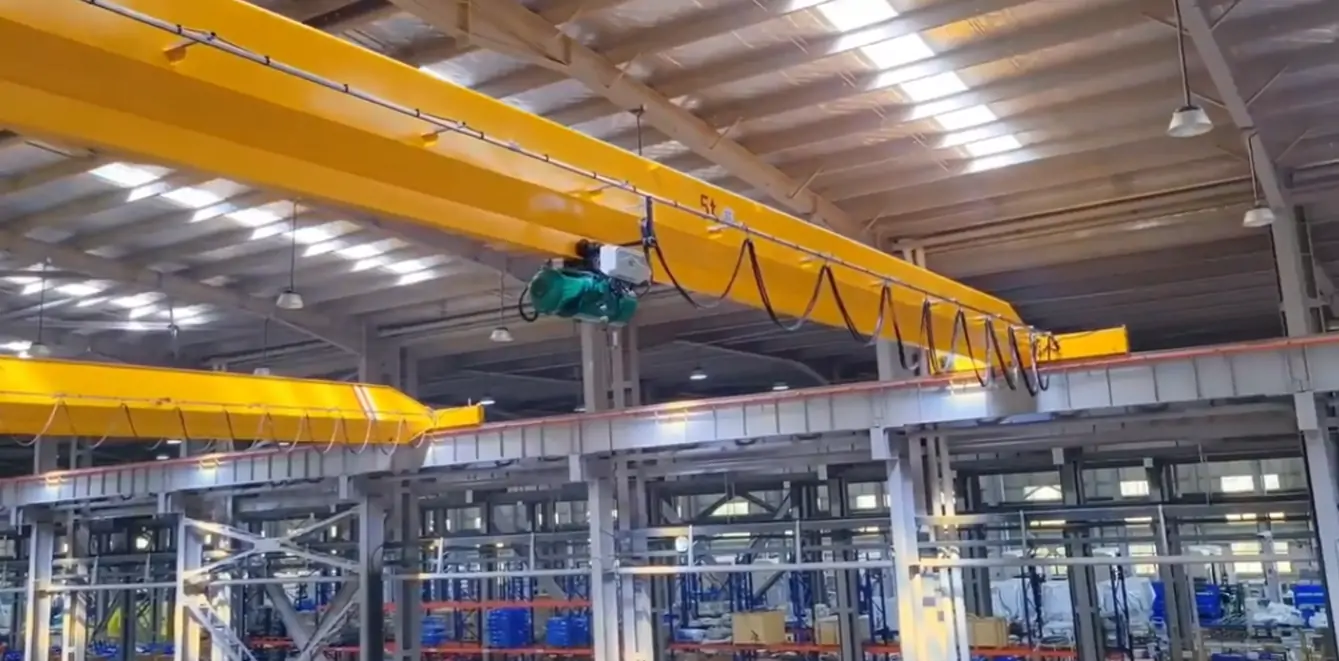
Overhead Crane Safety Devices are industrial systems that provide intelligent safety protection for lifting equipment; they are equivalent to equipping lifting equipment with a “smart safety officer” on duty 24 hours a day. They monitor the equipment’s operating status in real time and intervene before abnormalities occur, preventing accidents from escalating. Rather than a single component, it is a system composed of multiple safety function modules, including multi-tiered safety protection mechanisms such as overload protection, travel limits, and brake control.
During actual operation, these devices continuously monitor the load weight, travel distance, structural condition, and surrounding environment. As soon as they detect overloading, top-of-travel contact, overtravel, or a potential collision risk, they immediately trigger an alarm or automatically cut off power, thereby preventing hazardous conditions from escalating at the source. This article will provide a systematic analysis of the core components, operating principles, and applications of overhead crane safety devices in various industrial lifting scenarios, helping readers gain a clearer understanding of the operational logic of the entire safety system.
Why Are Overhead Crane Safety Devices Important?
Overhead Crane Safety Devices are used in lifting operations to control operating risks and protect equipment and personnel during load handling. They combine several protection functions that respond to overload, travel limits, and abnormal operating conditions.
- 1. Preventing Overloading-Related Accidents
Overload protection monitors lifting weight and cuts off hoisting when preset limits are reached. - 2. Avoiding Hook Overtravel and Mechanical Damage
Limit switches stop hook movement at upper and lower travel limits to prevent mechanical impact. - 3. Multi-Layer Protection for Safe Operation
Load control, travel restriction, braking, and emergency stop functions work in parallel during abnormal conditions. - 4. Reducing Injury and Property Loss
Early detection of unsafe operation reduces the chance of equipment damage and accident-related losses. - 5. Meeting Regulatory and Compliance Requirements
Safety systems are required under industrial standards and legal regulations for crane operation. - 6. Ensuring Safe Operation in Special Environments
In high temperatures and electromagnetic conditions, reinforced safety configurations support stable operation.
Overhead Crane Safety Devices reduce the risk of uncontrolled operation through load control, travel limits, and emergency shutdown. These functions are standard on industrial lifting equipment.
Types of Overhead Crane Safety Devices
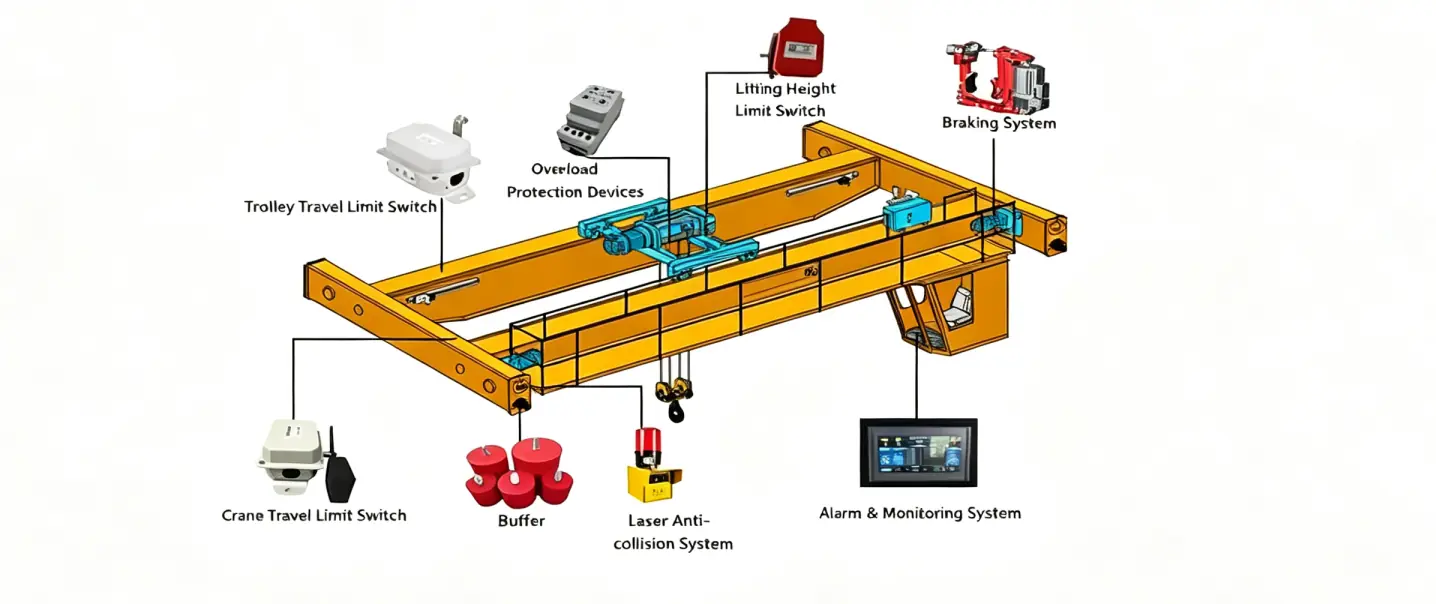
Overhead Crane Safety Devices are essential components for preventing accidents and ensuring the safety of both equipment and personnel. In accordance with the requirements of standards such as the “TSG 51-2023 Technical Regulations for the Safety of Lifting Machinery,” these devices are primarily categorized as follows: devices that limit travel and working positions; devices that prevent overloading; devices that prevent overturning and slipping; interlock protection devices; collision prevention devices; and emergency braking and stopping devices.
1. Travel and Position Limiting Devices
Travel limit devices are used to control the range of motion of bridge cranes and prevent them from moving beyond preset positions in a manner that could be unsafe. These devices primarily include height limiters, travel limit switches, and buffers.
| Safety Device | Main Function | How It Works |
|---|---|---|
| Hoisting Height Limiter | Prevents hook overtravel and collision with the crane structure | Stops hoisting movement when the hook reaches the preset upper limit |
| Lowering Depth Limiter | Prevents excessive rope unwinding and wire rope damage | Stops the lowering operation when the hook reaches the specified lower position |
| Travel Limit Switch | Controls the crane and trolley travel range | Cuts off movement when the crane reaches the travel limit area |
| Buffer and End Stop | Reduces impact force during crane movement | Absorbs collision energy and reduces damage to equipment and structures |
These devices control the crane’s range of motion, reducing the risks associated with overtravel, collisions, and mechanical damage.
2. Overload Limiter
The overload limiter monitors the lifting load during crane operation. When the load reaches 1.05 times the rated capacity, it stops the upward hoisting movement while allowing lowering operation. The system also sends an alarm signal to prevent equipment damage caused by overload.
3. Anti-Tipping and Anti-Skid Devices
These devices prevent crane sliding, tipping, and travel problems caused by wind or track obstacles.
- Rail Clamp and Anchoring Device: Locks outdoor rail cranes in place to prevent sliding or overturning in strong winds.
- Anti-Tipping Safety Hook: Keeps the trolley stable and prevents tipping during lifting operations.
- Rail Sweeper and Support Bracket: Remove debris from rails to reduce the risk of derailment.
- Interlock Protection Device: Cabin and Access Door Interlock: The interlock system prevents crane operation when access doors are open. If a door is opened during operation, the power supply is disconnected, and all crane movements stop.
4. Anti-Collision Device
Anti-collision systems prevent collisions when multiple cranes operate on the same track or within the same working area.
1. Laser Type
Provides centimeter-level detection accuracy and works reliably in dusty or low-light environments.
2. Infrared Type
Features simple structure and low cost, but may be affected by rain, snow, or heavy fog.
3. Microwave Radar Type
Detects obstacles through dust and smoke with stable performance in harsh conditions.
4. Smart Vision Type
Uses cameras and AI-based recognition to detect people and obstacles around the crane.
5. Emergency Stop Device
Installed in an easily accessible position, the emergency stop switch quickly cuts off the crane power supply and stops all movements during emergency situations.
These safety devices are key to the safe operation of overhead cranes. As technology advances, more intelligent and automated safety measures will be applied in the crane industry in the future, further enhancing their safety performance.
How do these Overhead Crane Safety Devices work together?
Overhead Crane Safety Devices are connected through the control system. They detect abnormal conditions and trigger protective actions, stopping movement or cutting power.
Process Sequence: 1. Detection → 2. Control Decision → 3. Safety Action → 4. Operator Feedback
| Detection | Load limiter, limit switch, anti-collision sensor | Detect overload, abnormal travel, or collision risks |
| Control Decision | PLC control system, safety relay | Analyze signals and determine whether protection action is required |
| Safety Action | Motor stop, power cut-off, alarm signal | Stop unsafe movement and prevent further risk |
| Operator Feedback | Alarm light, buzzer, display panel | Inform operators about the current safety status |
The crane safety system follows a fail-safe principle. When an abnormal condition is detected, stopping operation takes priority over continuing work. The crane can restart only after the fault is checked and cleared.
Safety Devices in Different Types of Overhead Cranes
Different types of overhead cranes use different safety devices based on their applications and working conditions.
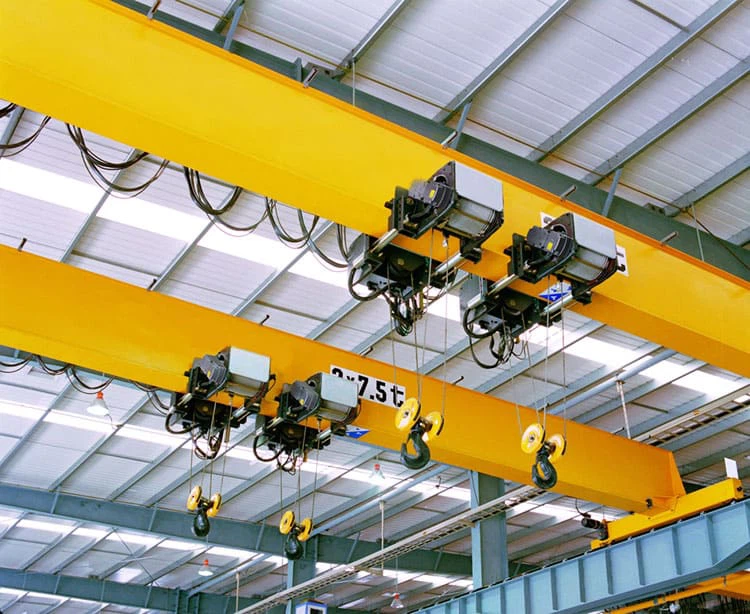
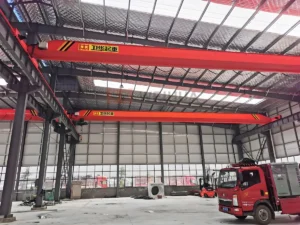
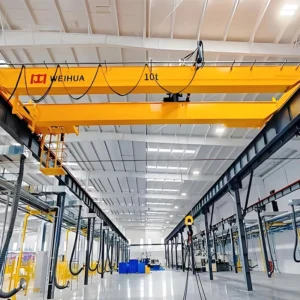
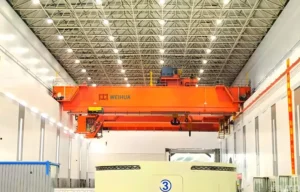
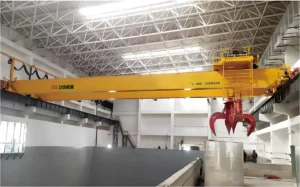
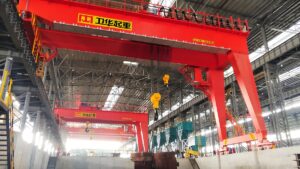
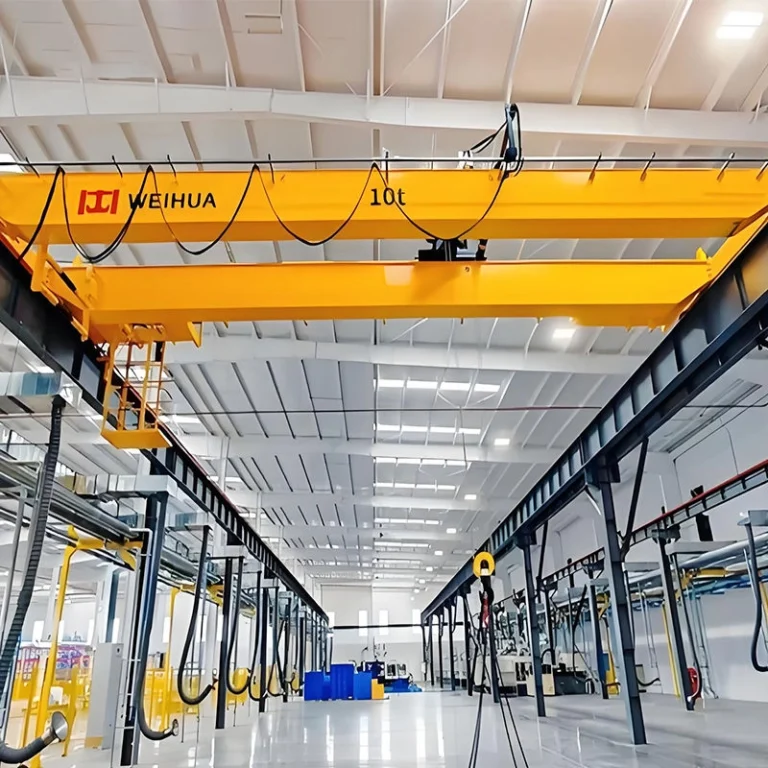
Ponte rolante de viga dupla
- Overload Limiter: Stops lifting when the load exceeds the rated capacity.
- Limit Switch: Controls hoisting height and crane travel limits.
- Interlock Protection: Prevents operation when access doors are open.
- Buffer: Reduces impact at the end of crane travel.
- Maintenance Platform: Provides a safe area for inspection work.
- Rail Sweeper: Removes debris from the rail.
- Protective Cover: Prevents contact with moving parts.
- Busbar Protection Plate: Reduces electrical contact risks.
- Anti-Collision Device: Prevents collisions between multiple cranes.
- Main Isolating Switch: Disconnects the main power supply.
- Emergency Stop System: Stops all crane movements in emergencies.
- Motor Overload Protection: Protects motors from excessive current.
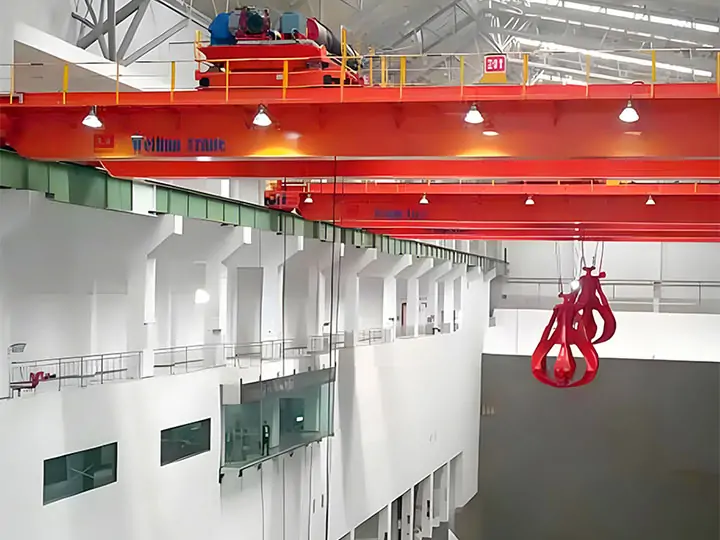
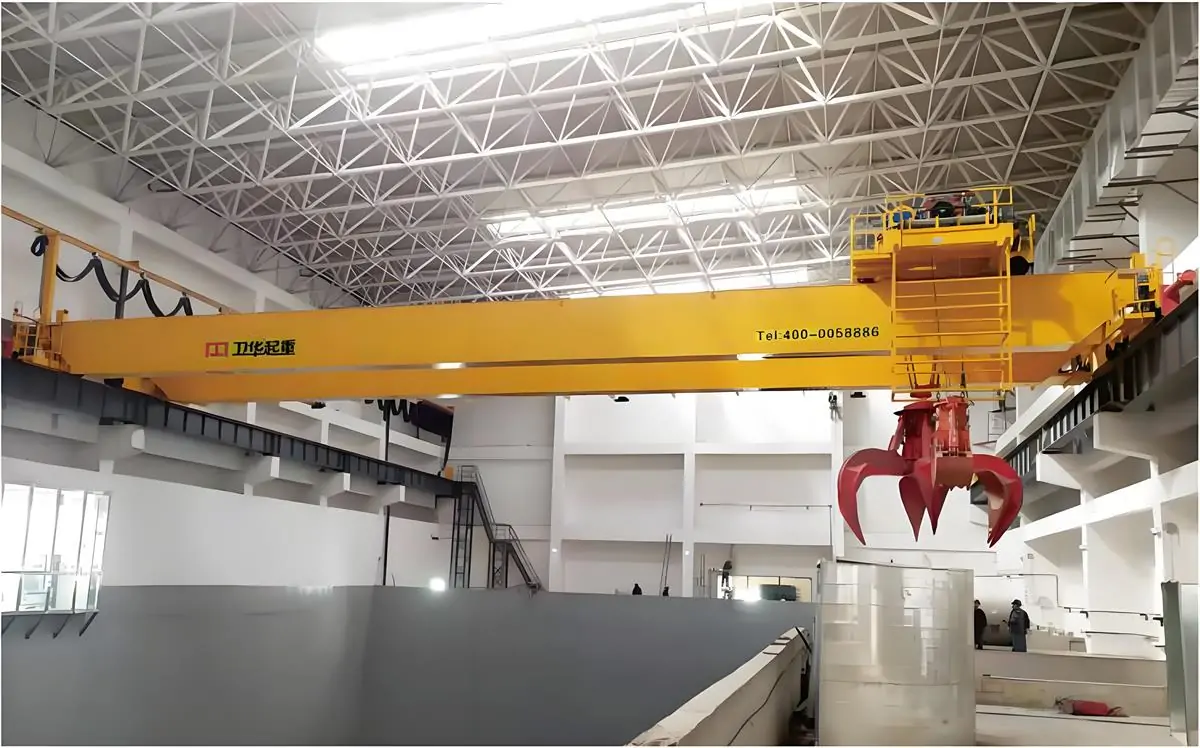
Grab Bucket Overhead Crane
- Overload Limiter: Prevents lifting beyond rated capacity.
- Limit Switch: Limits hoisting and travel movement.
- Buffer: Absorbs impact during crane movement.
- Electrical Protection: Protects against overcurrent and undervoltage.
- Emergency Stop Button: Stops crane operation immediately.
- Anti-Collision Device: Prevents crane collisions.
Electromagnetic Overhead Crane
- Overload Protection: Stops lifting under overload conditions.
- Limit Switch: Controls lifting and travel limits.
- Anti-Drop Protection: Prevents the load from falling during operation.
- Emergency Stop Switch: Cuts off crane power in emergencies.
- Buffer: Reduces impact force at travel ends.
- Hook Safety Latch: Prevents load disengagement from the hook.
- Audible and Visual Alarm: Warns nearby workers.
- Rain Cover: Protects electrical and drive components outdoors.
- Protective Grounding: Reduces electrical safety risks.
- Undervoltage Protection: Protects equipment from low voltage.
- Overcurrent Protection: Prevents electrical overload damage.

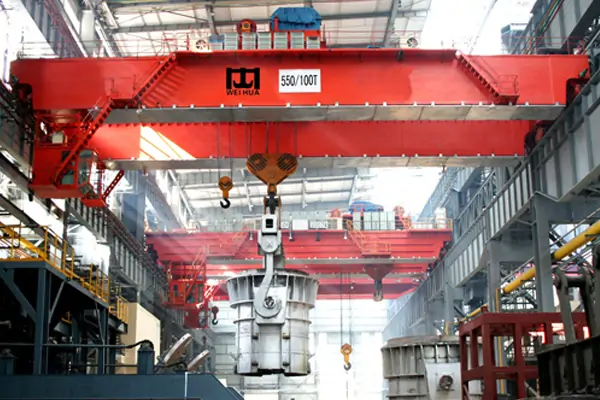
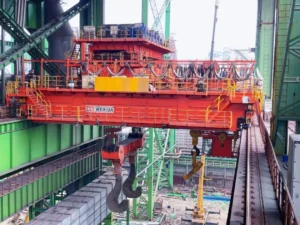
High-Temperature Metallurgical Overhead Crane
- Overload Protection: Prevents excessive lifting loads.
- Limit Switch: Provides lifting and travel limit control.
- Anti-Drop Protection: Prevents the accidental load from falling.
- Emergency Stop Switch: Stops crane operation quickly.
- Buffer: Reduces collision impact.
- Hook Safety Latch: Prevents the load from slipping from the hook.
- Alarm Device: Alerts workers during operation.
- Rain Cover: Protects components in outdoor conditions.
- Protective grounding improves electrical safety.
- Undervoltage Protection: Protects electrical systems.
- Overcurrent Protection: Prevents motor damage.
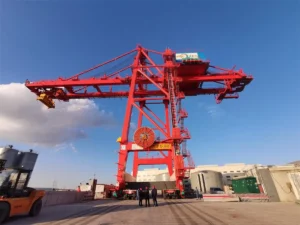
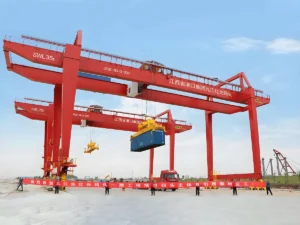
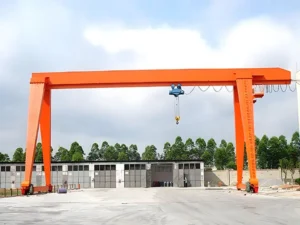
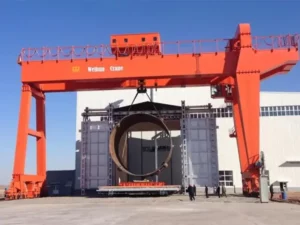
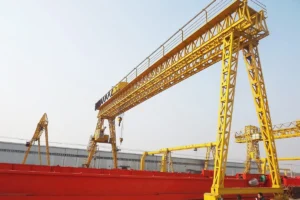
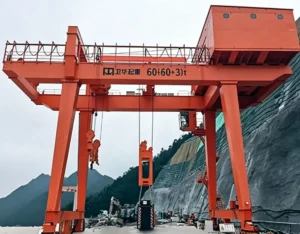
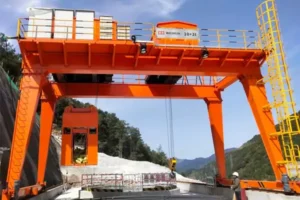
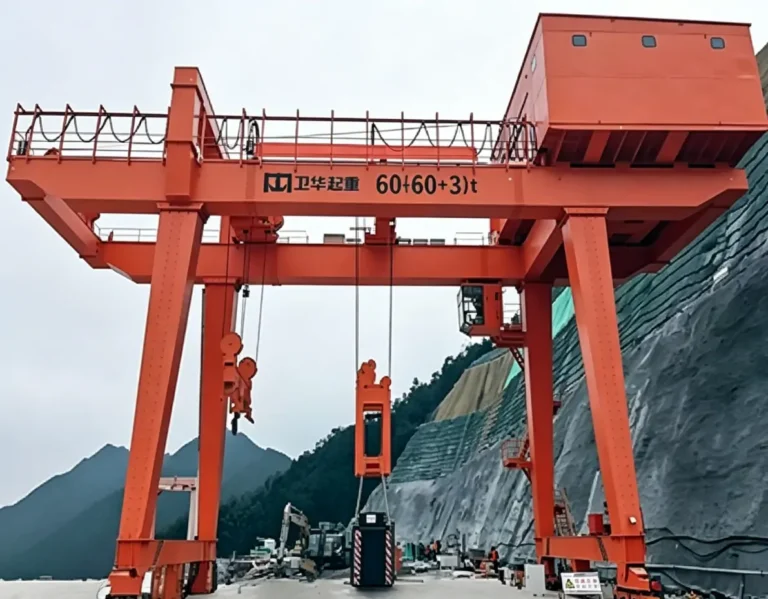
Pórtico Rolante
- Overload Limit Switch: Stops operation under excessive load.
- Buffer: Reduces impact at travel limits.
- Electrical Protection: Protects the crane control system.
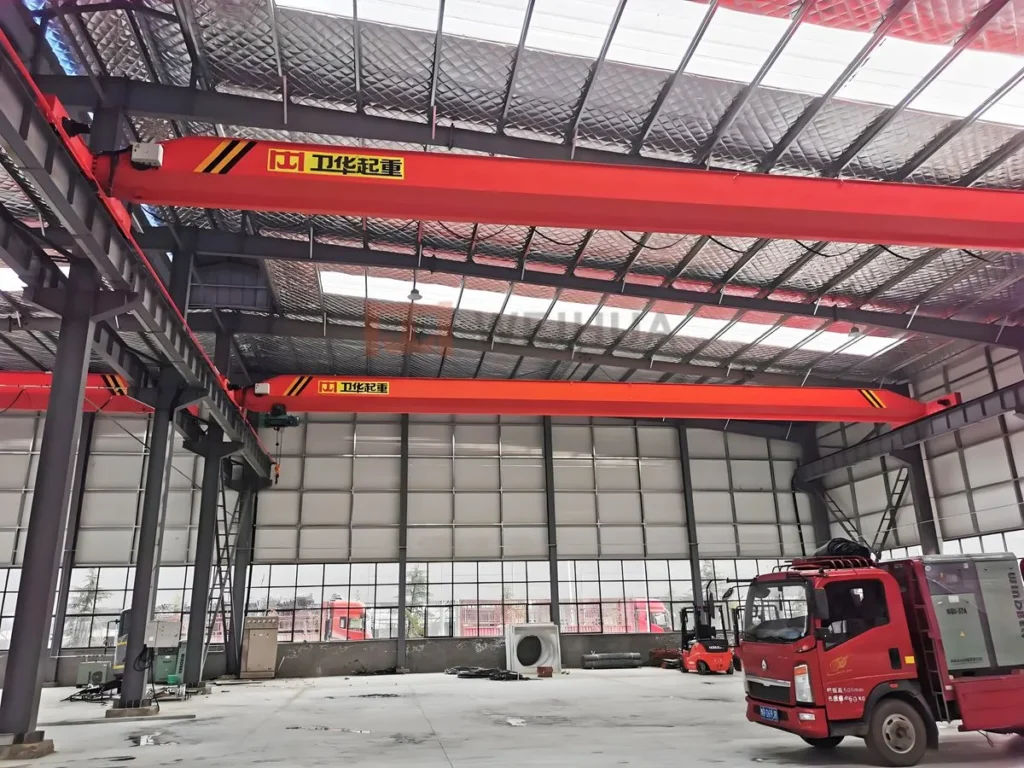
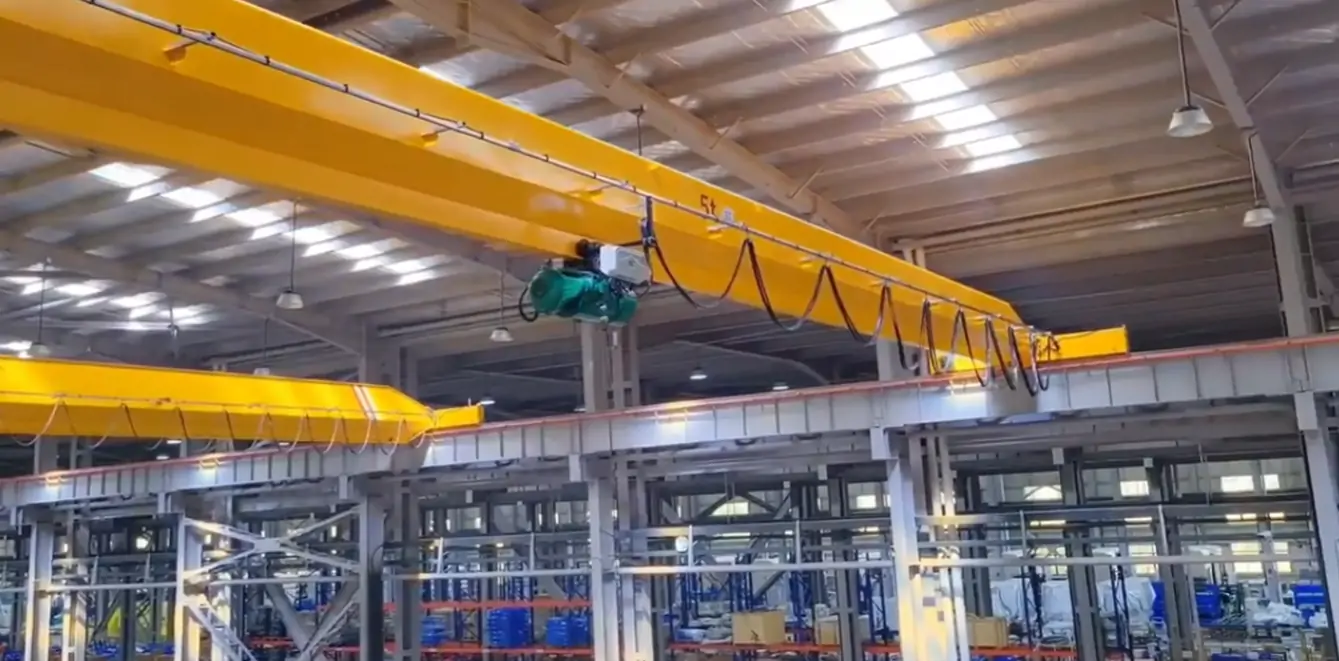
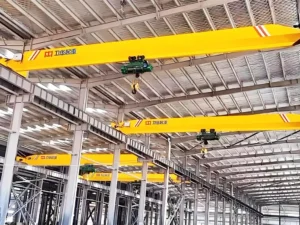
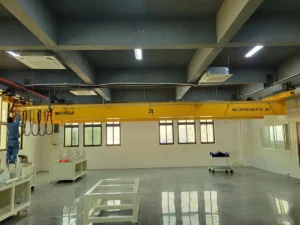
Ponte Rolante Monotrave
- Overload Limiter: Prevents overload lifting.
- Limit Switch: Controls hoisting and travel range.
- Buffer: Reduces travel impact.
- Emergency Stop System: Stops crane movement in emergencies.
- Motor Overload Protection: Protects motors from overload.
Overhead crane safety devices vary with crane type and working conditions. Common configurations include overload limiters, limit switches, emergency stop systems, and protection devices for specific applications.
Common Safety Failures and Maintenance Tips
- · Overload Limiter Failure — Check sensors and calibration regularly.
- · Limit Switch Failure — Inspect switches and travel positions.
- · Brake System Wear — Check brake clearance and braking performance.
- · Electrical System Faults — Inspect wiring, contactors, and control components.
- · Anti-Collision System Failure — Test sensors and detection accuracy.
Safety Inspection Checklist for Overhead Cranes
Regular inspection helps identify wear, damage, and safety risks before crane operation. The main inspection points include the hook, wire rope, brake system, limit switches, electrical components, and safety devices.
Daily operator inspection
Monthly mechanical check
Annual certified inspection
Load testing requirements
For detailed inspection procedures and maintenance requirements, please refer to our guide: How To Inspect EOT Crane: Complete Inspection Checklist & Maintenance Guide
Conclusão
Overhead crane safety devices provide basic protection for safe lifting operations by controlling risks such as overload, overtravel, collision, and emergency conditions. Different crane types require different safety configurations based on their applications and working environments.
WEIHUA provides overhead cranes with complete safety systems and customized configurations for different industrial requirements. Contacte-nos for professional crane solutions and safety configurations for your lifting applications.

FAQ
What safety devices are required on an overhead crane?
Overhead cranes are commonly equipped with overload limiters, limit switches, emergency stop switches, buffers, anti-collision devices, and electrical protection systems.
What is the function of an overload limiter on an overhead crane?
An overload limiter monitors the lifting load and stops the hoisting operation when the load exceeds the rated capacity to prevent crane damage and accidents.
Why are limit switches important for overhead cranes?
Limit switches control crane movement limits and prevent problems such as hook overtravel, excessive lowering, and trolley or crane travel beyond the safe range.
Do all overhead cranes require the same safety devices?
No. Safety device configurations depend on crane type, lifting application, and working environment. For example, explosion-proof cranes require additional protection for hazardous areas.
How does an anti-collision system work on overhead cranes?
An anti-collision system detects the distance between cranes or obstacles and sends signals to slow down or stop crane movement when a collision risk is detected.
How often should overhead crane safety devices be inspected?
Safety devices should be checked during daily operator inspections and regularly tested during scheduled maintenance to confirm proper operation.
What happens if an overhead crane safety system fails?
A failed safety system can increase the risk of overload, collision, equipment damage, and personnel injury. Faulty safety devices should be repaired before crane operation continues.
How do I choose the right safety devices for an overhead crane?
The selection depends on crane type, load capacity, operating environment, travel conditions, and safety requirements. A professional crane manufacturer can provide suitable configurations based on the application
.