




Table of Contents
What Is STS Crane Loading at a Container Terminal?
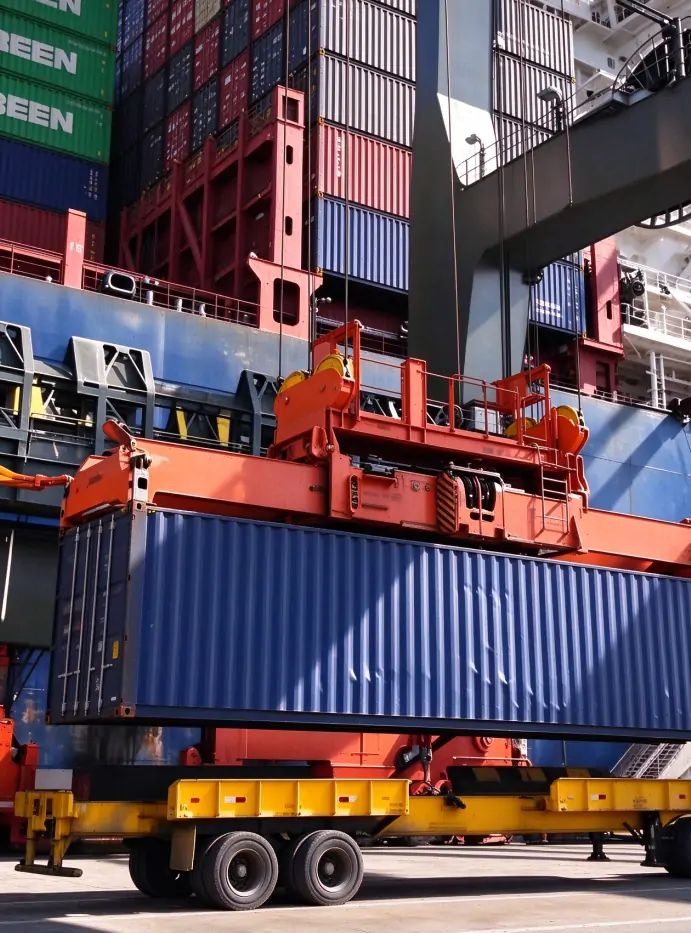
STS crane loading is the process of transferring containers between a ship and the quayside using a ship-to-shore (STS) crane. During loading, the crane lifts containers from terminal trucks or other quay-side transport equipment, moves them across the ship’s side, and lowers them into designated vessel positions. Unloading follows the reverse process.
How Does an STS Crane Load Containers onto a Ship?
STS crane loading containers involves a controlled sequence of positioning, locking, hoisting, trolley travel, placement, and release. Each stage affects container positioning accuracy and the overall loading cycle.
1. Quayside Handover: A truck or AGV stops in the designated lane near the quay. The crane trolley moves above the container, and the spreader lowers into position.
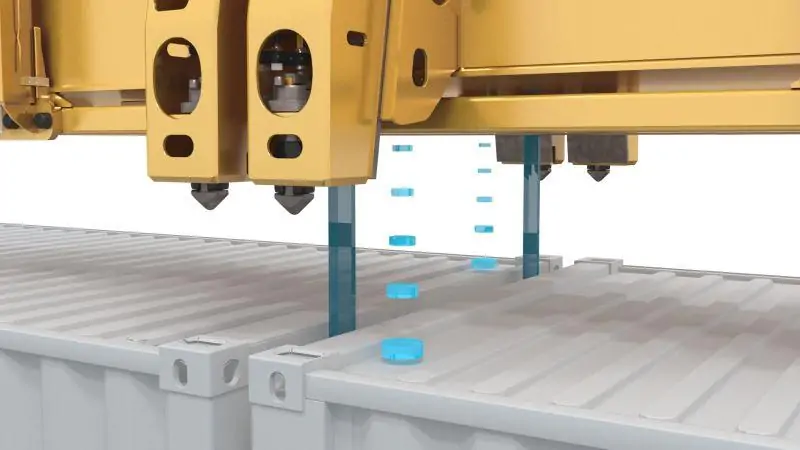
2. Spreader Alignment: The spreader aligns with the container’s four corner castings using guide plates and positioning adjustments.
3. Container Locking: The twistlocks rotate 90 degrees to secure the container. The control system confirms the locking status before hoisting.
4. Hoisting: The hoisting mechanism raises the container to a safe clearance height above quay equipment and the vessel’s side.
5. Trolley Travel: The trolley moves along the main girder toward the waterside, carrying the container above the target vessel bay.
6. Vessel Positioning: The trolley and hoisting mechanism align the container with the designated bay, row, and tier according to the vessel’s stowage plan.
7. Placement and Release: The crane lowers the container into position, releases the twistlocks, and lifts the spreader clear. The trolley then returns to the quayside for the next cycle.
The loading cycle depends on positioning accuracy, interlock controls, crane performance, and coordination with quayside transport equipment. In semi-automatic or fully automated systems, configured control sequences can handle certain confirmation and positioning tasks that would otherwise require operator input.
For more detailed information on equipment components and their functions, see: STS Crane Parts: Main Components and Their Functions
How Containers Move from the Quay to the Vessel
At an STS crane container terminal, trucks, AGVs, and other transport vehicles must arrive in line with the crane’s loading cycle. Late arrivals leave the crane idle and slow down vessel operations.
Quayside Transport and Crane Handover
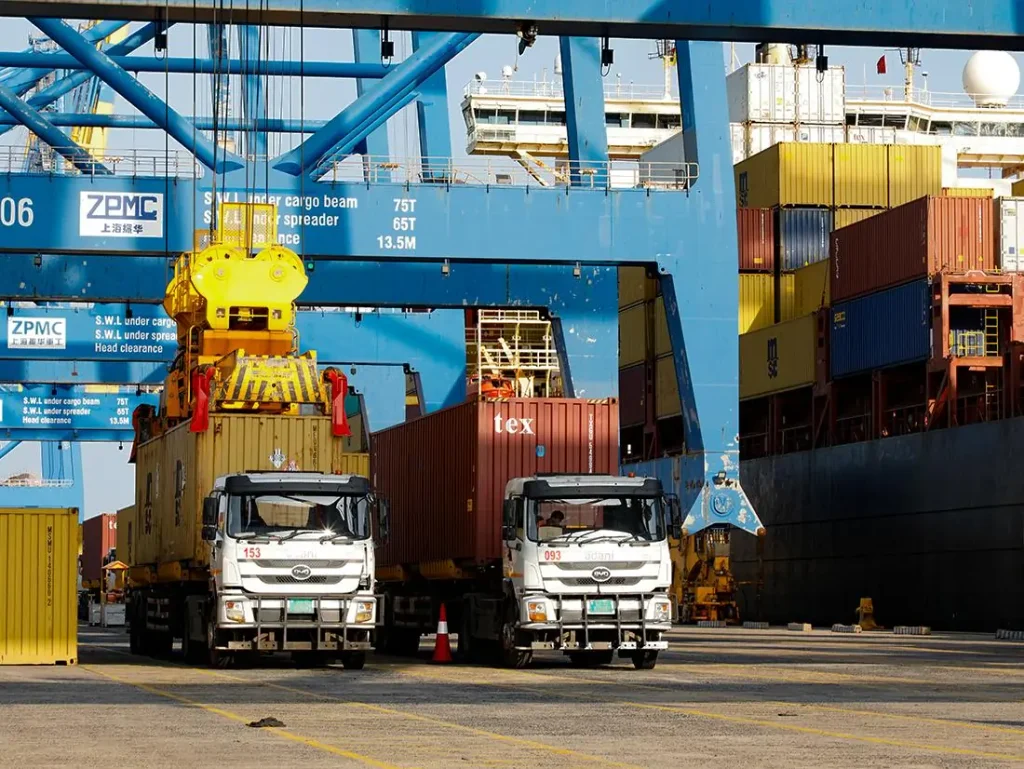
Terminal Trucks: Drivers follow dispatch instructions and stop in the assigned crane lane. The STS crane lifts the container, and the truck leaves for the next assignment.
AGVs and Automated Trucks: The terminal operating system (TOS) and equipment control system (ECS) assign transport tasks, manage vehicle routes, and coordinate crane arrivals.
Lift-AGVs and Automated Lifting Vehicles: These vehicles lift containers directly for transfer between the quay and other terminal handling equipment. The handover arrangement depends on the terminal layout and equipment configuration.
How Terminals Reduce Crane Waiting Time
Buffer Zones: Temporary storage areas and transfer platforms hold containers when the crane and transport vehicles are not ready at the same time.
Vehicle Dispatch: The control system tracks vehicle positions and task status, then assigns vehicles to cranes according to transport demand.
Communication Links: Wireless networks carry vehicle positions, task instructions, and equipment status between control systems and AGVs.
Operation Timing: Crane movements and vehicle arrivals follow coordinated schedules to limit waiting and traffic conflicts in the handover area.
STS crane loading depends on a steady supply of containers from the quay-side transport system. Vehicle delays, poor dispatch timing, or communication failures can interrupt the loading cycle and leave the crane waiting.
What Affects STS Crane Loading Efficiency?
STS crane loading efficiency depends on the crane cycle time, container positioning, hoisting height, trolley travel distance, spreader configuration, and the availability of quayside transport vehicles.
- Positioning Time: Spreader alignment with container corner castings and vessel slots affects the time required for each lift.
- Hoisting Height: Greater vertical travel between the quay and the target vessel tier increases the loading cycle time.
- Trolley Travel Distance: Longer horizontal travel between the truck lane and the vessel bay adds time to each cycle.
- Container Stowage Layout: Container positions across different bays, rows, and tiers affect trolley movement, hoisting distance, and placement time.
- Spreader Configuration: Single-container and twin-lift spreaders have different handling capacities. Twin-lift operations depend on compatible container sizes, weights, and vessel stowage requirements.
- Transport Vehicle Waiting Time: Delays in truck or AGV arrivals leave the crane waiting for the next container.
Actual loading rates depend on vessel layout, crane specifications, operating conditions, and coordination between the STS crane and quayside transport equipment.
Common Problems During Container Loading
STS crane loading can be affected by spreader misalignment, container sway, vessel movement, transport delays, and equipment faults. Some problems relate to crane performance; others come from vessel conditions and terminal operations.
1. Spreader Misalignment
Impact: Locking delays and repeated positioning.
Response: Check truck positioning, spreader guide plates, and twistlock alignment. Use positioning controls where fitted.
2. Container Sway
Impact: Slower positioning and delayed container placement.
Response: Use anti-sway control where fitted. Hoisting and trolley speeds may need adjustment in high winds or under unstable load conditions.
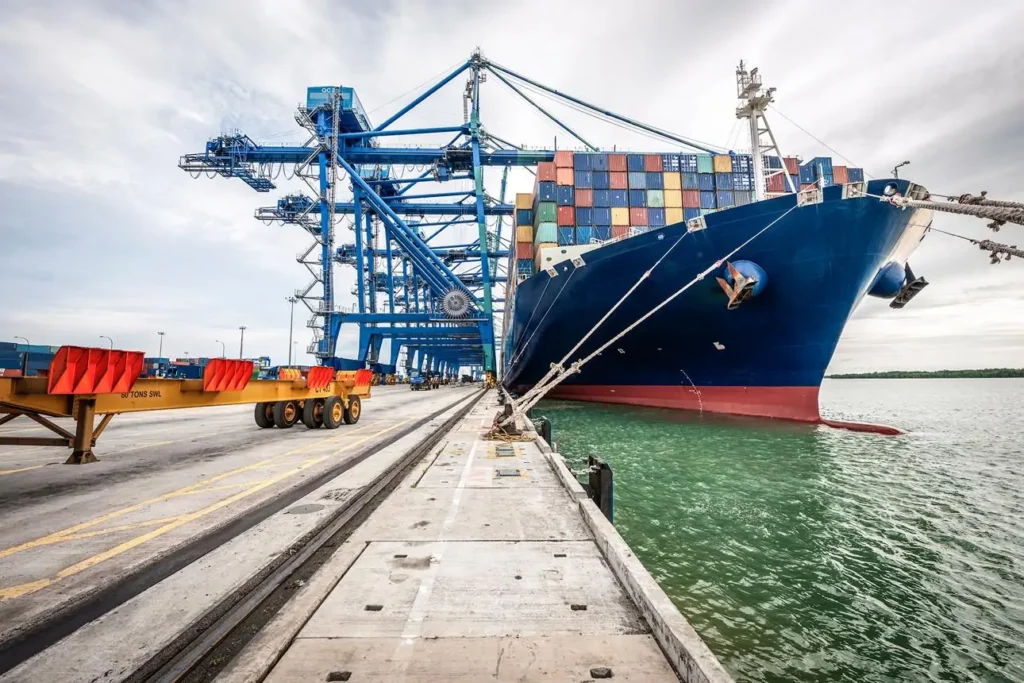
3. Vessel Movement
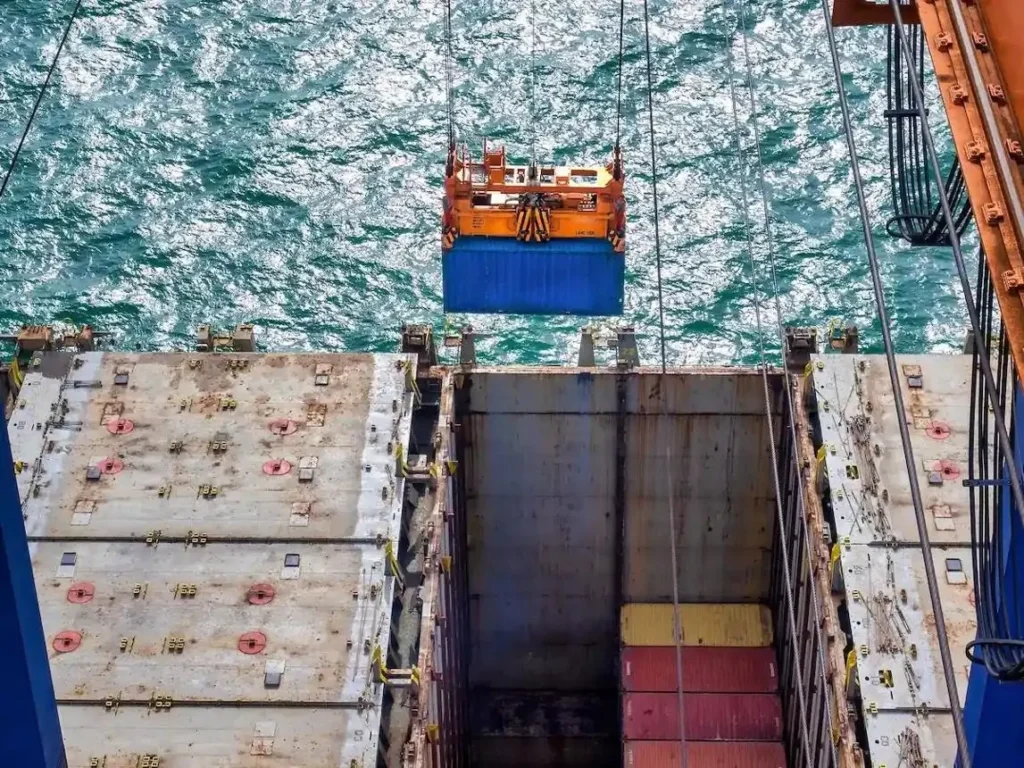
Impact: Changing container positions and slower landing operations.
Response: Monitor vessel movement and berth conditions. Reduce operating speed or suspend lifting when conditions exceed permitted limits.
4. Quayside Transport Delays
Impact: Crane idle time and lower container throughput.
Response: Coordinate truck or AGV dispatch with crane cycles. Review vehicle availability, traffic flow, and buffer capacity.
5. Crane Equipment Faults
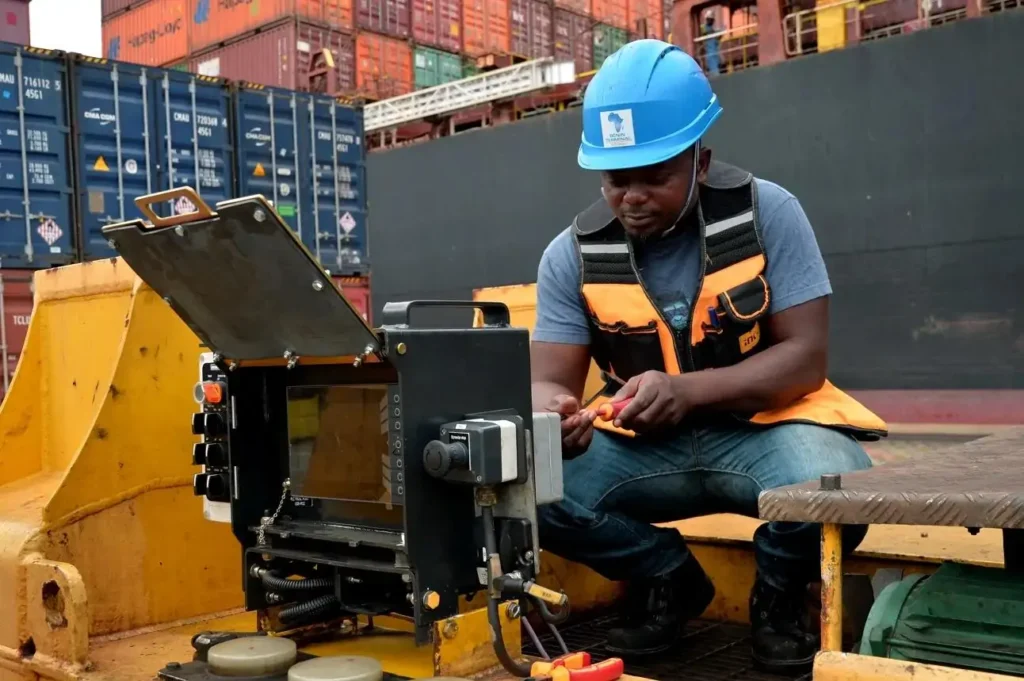
Impact: Interrupted loading and unplanned downtime.
Response: Inspect hoisting, trolley travel, spreader, drives, and control systems. Keep critical spare parts available and follow a planned maintenance schedule.
The response depends on the cause. Crane configuration and control functions address positioning and sway; dispatch planning addresses transport delays; maintenance procedures address equipment faults. Vessel movement and adverse weather require operational limits set for the actual crane and berth conditions.
How STS Crane Configuration Relates to Terminal Operations
STS crane configuration affects container handling, vessel access, and loading cycle time. The main considerations are spreader type, hoisting speed, outreach, control mode, and vessel dimensions.
- – Spreader Type: Single-lift spreaders handle one container per lift. Twin-lift spreaders can handle two compatible 20-foot containers in one cycle, subject to container weights and vessel stowage requirements.
- – Hoisting Speed: Hoisting speed affects the time required to raise and lower containers between the quay and vessel. Actual cycle time also depends on lifting height, load weight, and positioning.
- – Outreach: Outreach determines how far the crane can reach across a vessel. It must match the vessel’s beam, container rows, and berth layout.
- – Control Mode: Operator-controlled, remote-controlled, and automated functions have different requirements for operator stations, control systems, and terminal integration. Available functions depend on the supplied configuration.
- – Vessel Requirements: Vessel dimensions, container bay layout, deck and hatch arrangements, and required lifting capacity determine the crane’s working range and operating limits.
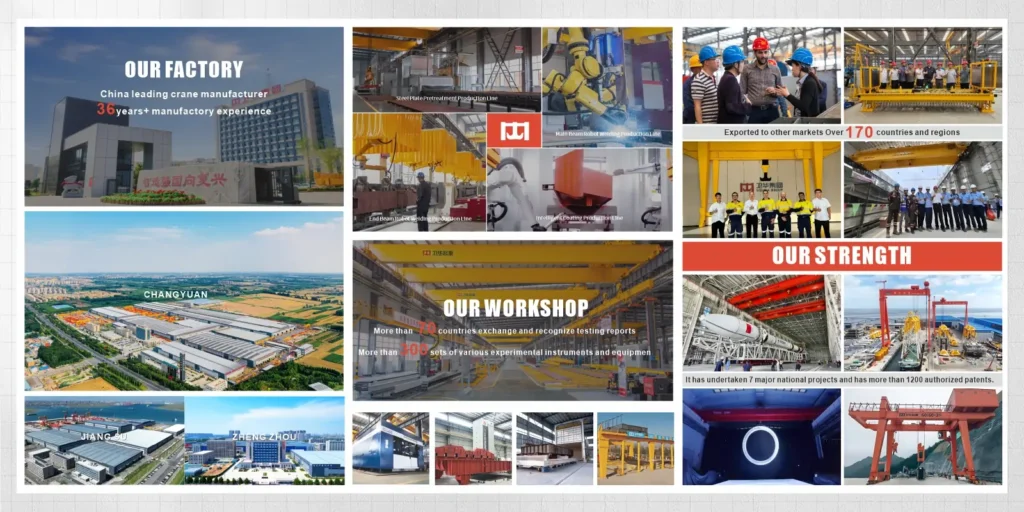
WEIHUA configures STS cranes according to vessel dimensions, terminal layout, handling requirements, and project specifications. Spreader arrangements, lifting performance, outreach, and control functions are confirmed during technical design.
WEIHUA STS Crane Solutions for Container Terminals
WEIHUA manufactures ship-to-shore (STS) cranes for container terminals, with crane dimensions, lifting capacity, outreach, spreader configuration, and control systems specified for each project.
Custom Engineering
Crane structure, lifting capacity, outreach, and operating range are designed around vessel dimensions, berth layout, and terminal handling requirements.
Manufacturing and Inspection
Equipment is manufactured to the approved technical specifications, with quality inspections carried out during production and before delivery.
Installation and Commissioning
WEIHUA provides project-based technical support for crane installation, system commissioning, and operational checks at the terminal.
Operator Training
Training covers crane operation, control functions, safety procedures, and routine inspections.
After-Sales Service
Technical assistance, maintenance guidance, and spare parts support are available according to project and service arrangements.
For a new container terminal or berth expansion, WEIHUA can review vessel dimensions, expected container throughput, quay layout, and operating requirements before preparing a project-specific STS crane proposal.
Conclusion
STS crane loading efficiency depends on spreader positioning, hoisting and trolley movements, vessel conditions, and coordination with quayside transport equipment. Crane configuration must match vessel dimensions, container handling requirements, and terminal operating conditions. Proper commissioning, operator training, and routine maintenance also affect loading performance and equipment availability.
WEIHUA manufactures STS cranes for container terminals, with project-specific engineering, installation support, commissioning, and operator training. WEIHUA’s certifications include CE, ISO 9001, and ISO 14001. Crane design and manufacturing standards, such as FEM, DIN, IEC, AWS, and GB, can be specified according to project requirements. Contact us to discuss your terminal layout, vessel dimensions, and STS crane specifications.
FAQ
How does an STS crane load containers onto a ship?
An STS crane lifts containers from quay-side trucks or AGVs, moves them across the vessel’s side, and lowers them into designated bay, row, and tier positions. The spreader locks onto the container’s corner castings during lifting and releases it after placement.
What affects STS crane loading efficiency at a container terminal?
Loading efficiency depends on hoisting height, trolley travel distance, spreader positioning time, container stowage layout, and the availability of quay-side transport vehicles. Vessel conditions, operating procedures, and crane downtime also affect the number of container moves completed per hour.
How do trucks and AGVs coordinate with STS cranes?
Terminal trucks and AGVs deliver containers to designated handover areas beneath or near the crane. Dispatch systems coordinate vehicle assignments and arrival times with crane operations. Poor scheduling, traffic congestion, or vehicle breakdowns can leave the crane waiting for the next container.
What is the difference between single-lift and twin-lift STS crane operations?
A single-lift spreader handles one container per lift. A twin-lift spreader can handle two compatible 20-foot containers in one lifting cycle, subject to container weights, spreader capacity, and vessel stowage requirements. The actual productivity gain depends on terminal operating conditions.
How does container sway affect STS crane loading?
Container sway makes spreader alignment and placement more difficult, increasing positioning time and the risk of contact with nearby containers or vessel structures. Anti-sway control, where fitted, can reduce load movement. Wind conditions, lifting speed, and load distribution also affect sway.
What causes STS crane downtime during container loading?
Common causes include hoisting or trolley faults, spreader malfunctions, electrical control issues, scheduled maintenance, and adverse weather. Quayside transport delays can also interrupt loading without a crane fault. Inspection schedules, critical spare parts, and maintenance planning reduce avoidable downtime.
Which STS crane configurations affect container terminal operations?
Spreader type, hoisting speed, trolley speed, outreach, lifting capacity, and control mode directly affect vessel access and container handling. The configuration must match vessel dimensions, container weights, berth layout, and terminal operating requirements.
What should terminal operators consider when purchasing an STS crane?
Terminal operators should assess vessel dimensions, required outreach, lifting capacity, expected container throughput, spreader configuration, control systems, maintenance access, and after-sales support. Design and manufacturing standards should be specified in the project requirements and verified against the supplier’s documentation.