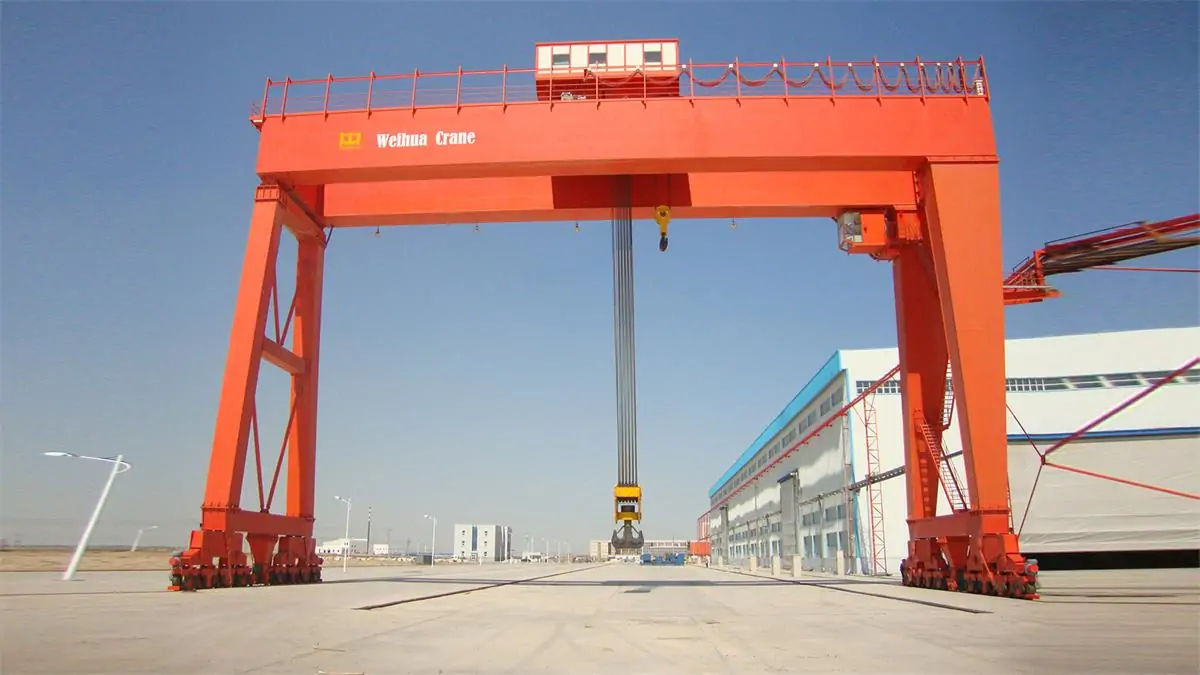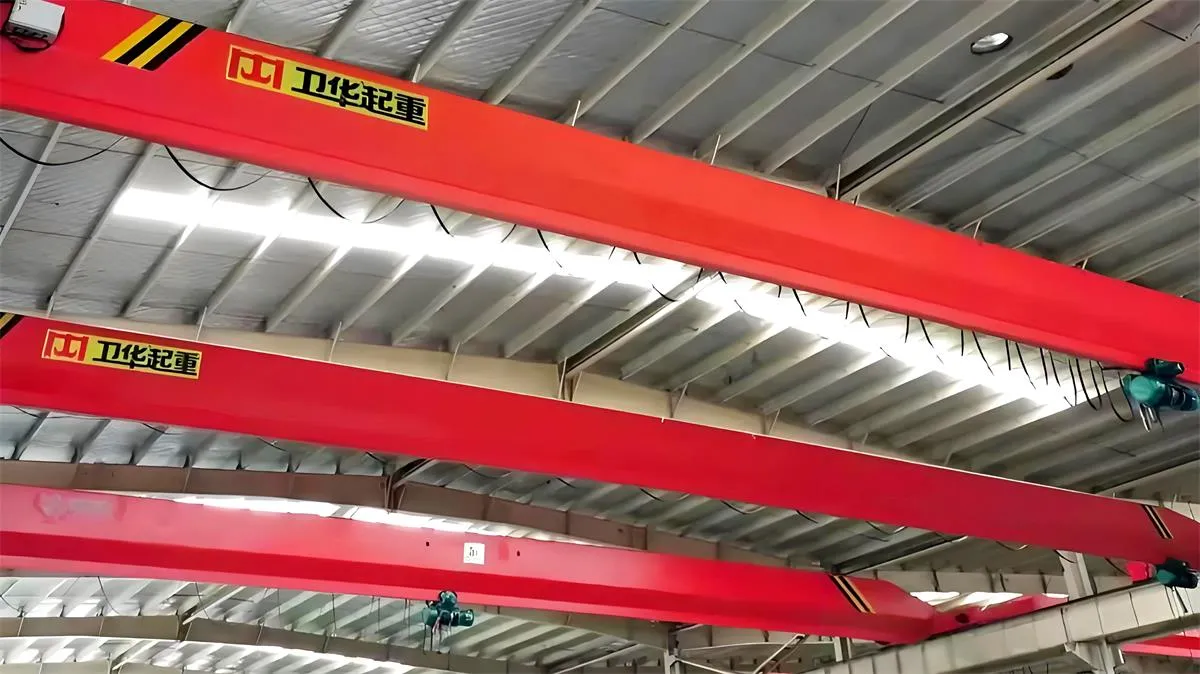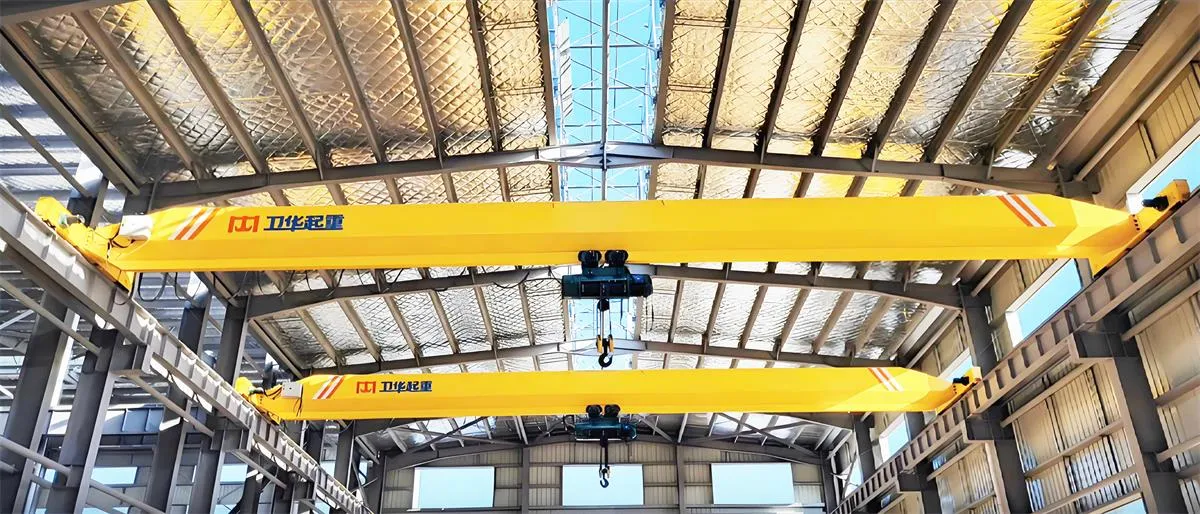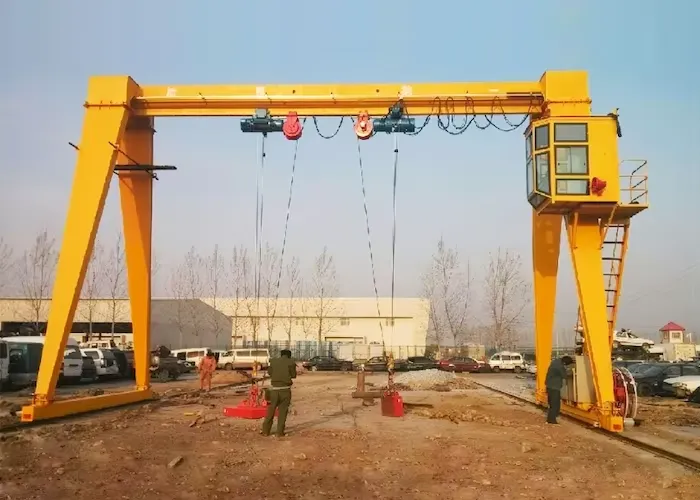

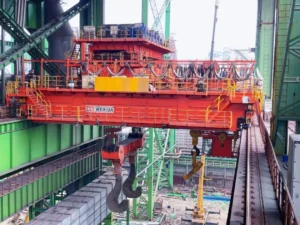
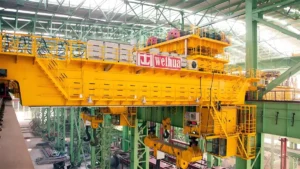
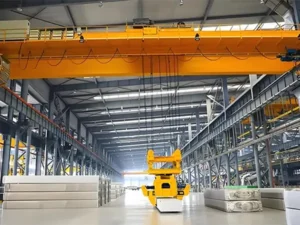
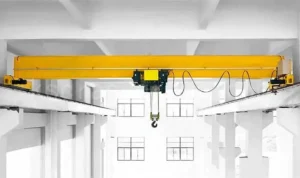
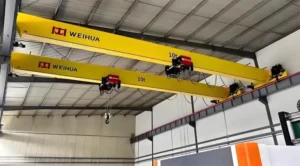
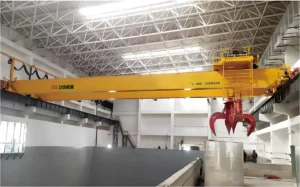
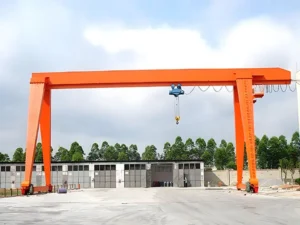
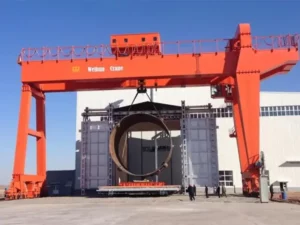
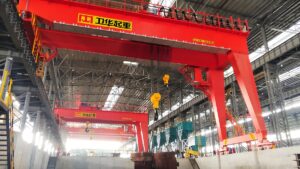
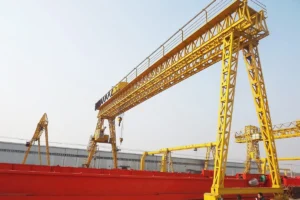

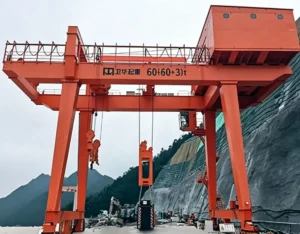
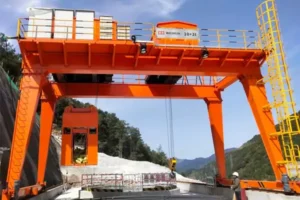

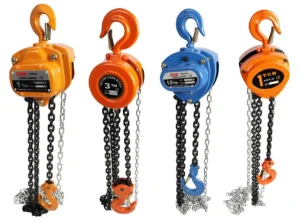
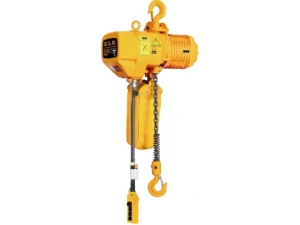
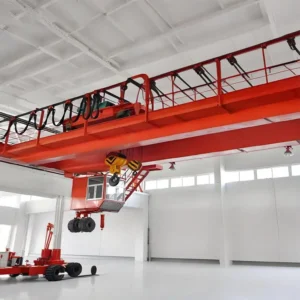
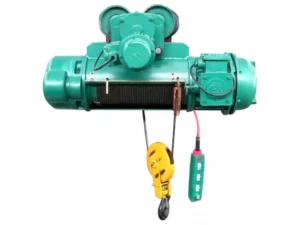
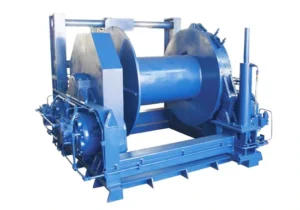






An electric wire rope hoist is a powered lifting machine that uses an electric motor to wind a steel wire rope around a drum, raising and lowering loads in factories, warehouses, and crane systems. It typically handles higher capacities and longer lifting heights than a chain hoist, which is why it’s the standard choice wherever overhead cranes need to move heavy loads efficiently.
For procurement managers and equipment supervisors evaluating a new production line or crane upgrade, the real challenge isn’t finding a hoist — it’s matching duty cycle, load pattern, and certification requirements before the purchase order is signed. Getting this wrong tends to surface later as premature wear, an underrated motor, or a compliance gap at customs.
This guide covers how an electric wire rope hoist works, its main components, how duty class should drive the selection decision, when it beats an electric chain hoist, and which certifications to confirm in writing before ordering.
Table of Contents
What Is an Electric Wire Rope Hoist


An electric wire rope hoist is a lifting device that uses a motor-driven drum and steel wire rope to raise, lower, and often horizontally move heavy loads, as classified under FEM 1.001 and ISO 4301 crane duty group standards. It’s one of two common powered hoist types — the other being the electric chain hoist — and the distinction between them matters more for procurement than it might first appear.
Core Definition and Classification
An electric motor supplies rotational force, a gearbox converts it into usable torque, and the resulting motion winds wire rope onto a grooved drum. Industry standards classify wire rope hoists primarily by duty class (M3 through M8 under FEM/ISO) rather than capacity alone, because two hoists rated for the same tonnage can have very different service lives depending on how often they cycle. A light-duty unit and a heavy-duty unit can look identical if you only check the tonnage column — duty class is what separates a hoist that lasts a decade from one that fails within a year under the wrong workload.
How It Differs from Manual Lifting
A manual chain block relies on a hand chain and gear ratio to multiply human effort; an electric wire rope hoist removes that physical bottleneck, which is why it becomes cost-justified once daily lift cycles climb into the dozens rather than single digits. Below that threshold, the higher upfront cost of a powered unit — commonly several times that of an equivalent manual hoist — rarely pays back fast enough to matter. Above it, labor savings typically close the gap within a year or two, depending on local labor cost and actual lift frequency.
How an Electric Wire Rope Hoist Works
Pressing the control button sends power to the motor, which drives the gearbox and rotates the drum, winding or unwinding the wire rope to raise or lower the hook block. A brake holds the load the instant lifting stops, and limit switches cut power before the hook travels beyond its designed range — together, these two devices are what prevent the two most common hoist accidents: uncontrolled drop and over-travel.
The Lifting Sequence Step by Step
Motor activation generates rotational force; the gearbox reduces speed while multiplying torque so a relatively small motor can lift far more than its raw horsepower suggests; the drum winds the wire rope in a single, grooved layer to keep tension even; and the hook block — secured by a safety latch — transfers that force to the load. The brake is the component most often underspecified, since a unit rated for the correct tonnage can still fail to hold a load safely if the brake’s holding torque wasn’t checked against the actual duty cycle, not just the nameplate capacity.
Fixed vs Trolley-Mounted Configurations
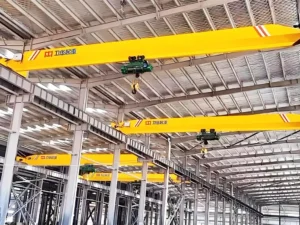
A hoist can be installed fixed to a single point, or mounted on a trolley that travels along an I-beam, monorail, or crane bridge. Fixed installation suits applications needing only vertical lift — a maintenance bay or single workstation — while trolley mounting is the right call whenever the load needs to move horizontally, such as transferring a mold from a machining station to assembly. Choosing trolley mounting when only vertical lift is needed adds cost and an extra maintenance point for nothing; choosing fixed mounting when horizontal transfer is actually required just shifts that work back onto an operator.
Key Components and What to Check on Each
| Component | Function | What to Verify Before Buying |
|---|---|---|
| Electric Motor | Supplies the rotational force that drives lifting | Voltage, phase, and duty rating match your power supply and cycle |
| Gearbox | Reduces motor speed and increases torque | Build quality directly affects service life under repeated cycling |
| Wire Rope Drum | Winds and stores the steel wire rope | Grooved single-layer winding reduces rope wear versus multi-layer |
| Steel Wire Rope | Carries the load between drum and hook | Construction (e.g. 6×37), diameter, galvanization for corrosion resistance |
| Hook Block | Connects the hoist to the load | Safety latch fitted; hook not twisted or previously overloaded |
| Brake & Limit Switch | Stops lifting and prevents over-travel | Holding torque rated for actual duty class, not nameplate capacity alone |
It’s the duty class and brake rating — not the headline tonnage — that determine whether a hoist survives your actual operating pattern. Checking capacity alone and skipping duty class is the most common source of premature failure: a unit rated for 5 tons under light duty (M3) won’t hold up to the same load cycling continuously on a line built for M5 or M6 service.
Duty Class: The Selection Factor Most Buyers Miss
Duty class (FEM 1.001 / ISO 4301, expressed as M3 through M8) measures how often and how hard a hoist is expected to work — not just how much weight it lifts — and it should be the first filter applied, before capacity or price. A hoist’s nameplate capacity tells you the maximum safe load; duty class tells you whether the hoist can sustain that load at your actual lifting frequency without accelerated wear on the motor, gearbox, and brake.
Typical Duty Class Reference Points
Electric wire rope hoists in standard industrial service typically fall in the M3–M5 range, covering light workshop use through moderate factory production, while M6–M8 units suit continuous, heavy-cycle operations like steel mills or shipyards. As a market reference, single-girder units rated 1–20 tons commonly run M3–M5 with lifting heights around 6–30 meters and speeds of 1.6–20 m/min — typical configuration bands rather than guaranteed specs for any single model, so confirm the exact figures against the manufacturer’s product sheet.
Why Underspecifying Duty Class Costs More Than the Price Difference
Buying on tonnage alone, without matching duty class to actual cycle frequency, is the most common procurement error in this category — and the cost shows up later, not at purchase. The visible failure is usually a worn brake or burned-out motor within the first year or two; the hidden cost is the downtime and replacement freight that follows, which often exceeds the price gap between the correctly specified hoist and the underrated one. Knowing your average lifts per hour and the load’s typical hold time is what actually answers this question — guessing at duty class is functionally the same as skipping it.
Electric Wire Rope Hoist vs Electric Chain Hoist
An electric wire rope hoist is generally the better choice for heavier loads, longer lifting heights, and crane systems requiring smooth travel; an electric chain hoist remains the more practical option for lighter, more compact lifting in workshops and maintenance bays. The decision is rarely “which is better” in the abstract — it’s which one matches your load profile and headroom constraints.
Side-by-Side Comparison
| Factor | Electric Wire Rope Hoist | Electric Chain Hoist |
|---|---|---|
| Typical Capacity Range | 1–20+ tons (market reference) | 0.5–20 tons (market reference) |
| Lifting Height | Suited to longer travel, commonly 6–30 m | Suited to standard heights, commonly 3–24 m |
| Lifting Speed | Generally faster, useful for high-cycle operations | Generally slower, adequate for most standard duty |
| Body Size | Larger, with drum and rope system | More compact, easier to fit low-headroom spaces |
| Best Fit | Crane systems, heavy industrial handling, longer spans | Workshops, maintenance bays, lighter or space-constrained installs |
Where the Trade-off Actually Sits
For loads under roughly 5 tons in a standard workshop with limited headroom, an electric chain hoist usually offers the better cost-to-performance balance; past that range in capacity, lift height, or cycle frequency, the wire rope hoist’s faster travel and higher load ceiling typically justify the larger footprint. The trade-off most often overlooked is headroom: a wire rope hoist’s drum and rope system needs more vertical clearance than a compact chain hoist, which can matter in retrofits where ceiling height is already fixed.
Certifications and Compliance to Verify Before Ordering
Certification isn’t a paperwork formality for imported lifting equipment — it directly affects customs clearance, insurance validity, and your ability to file a claim if something goes wrong. Before placing an order, confirm CE marking under the EU Machinery Directive (2006/42/EC) if importing into the EU, compliance with FEM/ISO 4301 duty classification, and ISO 9001 from the manufacturing facility — and for other destinations, check whether EAC certification (Eurasian Customs Union) or OSHA-compliant safety devices apply instead.
Why This Matters Beyond the Spec Sheet
A missing certification rarely surfaces as a problem until the equipment is already in transit or at port — by then, the buyer absorbs the delay and cost. Suppliers can describe equipment as “CE compliant” verbally without the documentation existing, and discovering that gap after the shipment has cleared is one of the costlier procurement mistakes in this category, since it can affect both customs release and any insurance claim tied to the equipment.
What to Request From a Supplier
Ask for the actual documents, not a verbal assurance: the EC Declaration of Conformity, load and overload test certificates, and the factory’s ISO 9001 certificate. Confirm that safety devices — overload protection, anti-collision limit switches, and a load display where applicable — appear in the technical file, not just in marketing copy. A supplier’s certification status should always be confirmed against the documents provided for your specific order, not assumed from a general product description.
Conclusion
An electric wire rope hoist earns its place in heavier, higher-cycle, or longer-span lifting applications where a chain hoist’s lighter build becomes a limitation. The decision that matters most isn’t capacity — it’s matching duty class to your actual lift frequency and confirming certification documents before the purchase order is signed, since both errors tend to surface as cost only after the equipment is already in service. If you’re sizing a hoist for a new line or crane retrofit, start by counting your average lifts per shift and the load’s typical hold time; that single number narrows down the right configuration more than the capacity rating alone.
Final equipment selection must be confirmed by a certified engineer and comply with local lifting-equipment regulations.
Frequently Asked Questions
Q1:What is an electric wire rope hoist used for?
An electric wire rope hoist is used for powered vertical lifting and, when trolley-mounted, horizontal movement of heavy loads. It’s common in factory production lines, warehouses, steel fabrication, construction sites, and any overhead crane system handling loads beyond what a chain hoist or manual lifting can efficiently manage.
Q2:What is the difference between a wire rope hoist and a chain hoist?
A wire rope hoist generally handles higher capacity, longer lifting height, and faster, smoother travel, while a chain hoist is more compact and cost-effective for lighter loads in space-constrained settings. The choice depends on your load profile, headroom, and cycle frequency rather than one type being universally better.
Q3:How do I know what duty class I need?
Duty class depends on how often the hoist lifts and how long it holds load relative to its rated capacity, not on tonnage alone. As a starting point, standard workshop and light production use typically falls in M3–M4, moderate factory duty in M4–M5, and continuous heavy-cycle operations like steel mills in M6 and above — though a supplier should confirm the exact class against your actual lift frequency.
Q4:What certifications should an imported electric wire rope hoist have?
At minimum, confirm CE marking under the EU Machinery Directive if importing into the EU, compliance with FEM/ISO duty classification standards, and ISO 9001 from the manufacturing facility. Request the EC Declaration of Conformity and test certificates as documents, not verbal confirmation, since these affect customs clearance and insurance validity.
Q5:Can an electric wire rope hoist move loads horizontally?
Yes, when mounted on a trolley that runs along an I-beam, monorail, or crane bridge. A fixed (non-trolley) installation only provides vertical lift, so the choice between fixed and trolley mounting should match whether your workflow actually requires moving loads across a work area.