What Is The Difference Between EOT Crane And Gantry Crane?
Table of Contents
Introduction
EOT cranes and gantry cranes are two widely used industrial lifting equipment for handling heavy loads in factories, warehouses, ports, and construction sites. Both cranes are designed to move materials horizontally and vertically, but they have different structures, installation methods, and application environments.
This article explains the difference between EOT crane and gantry crane from several aspects, including structure, working principle, installation requirements, applications, advantages, and selection considerations. We hope this article will help you choose the right crane solution based on your specific lifting needs and working conditions.
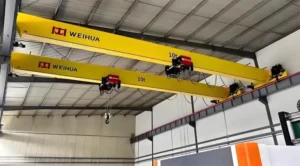
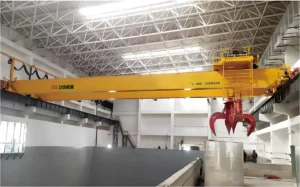
EOT Crane
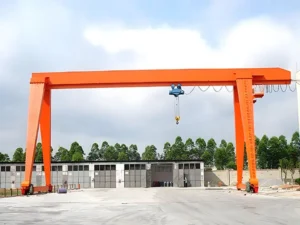
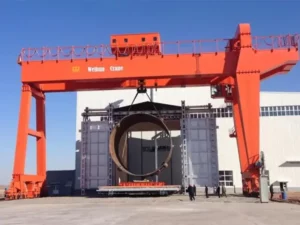
Gantry Crane
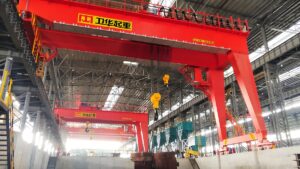
What Is An EOT Crane?
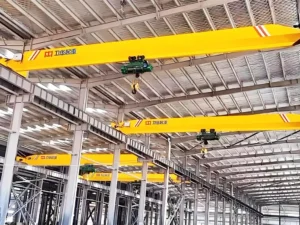
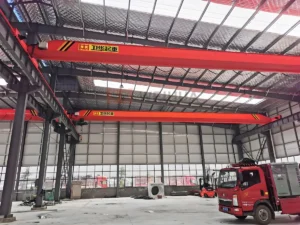
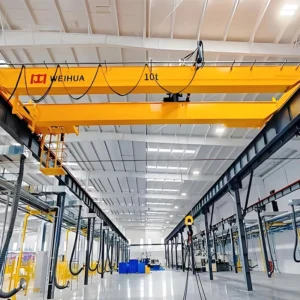
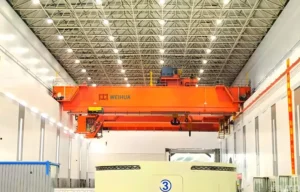
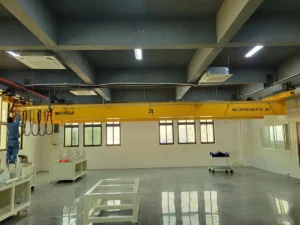
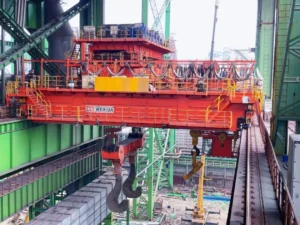
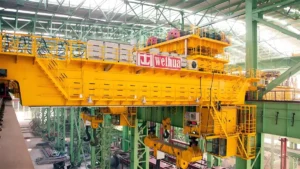
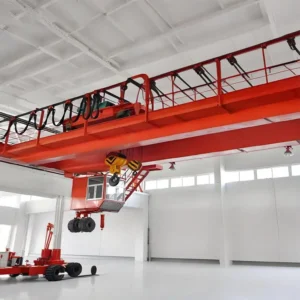
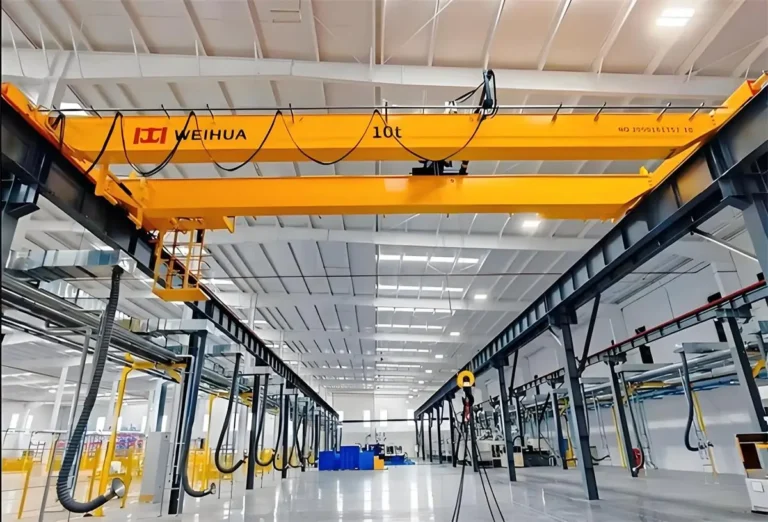
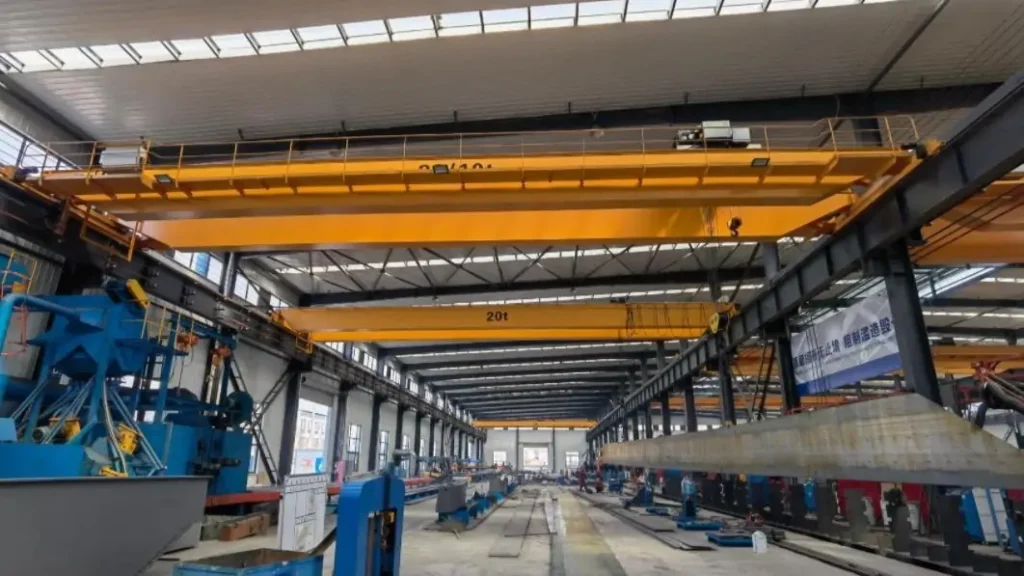
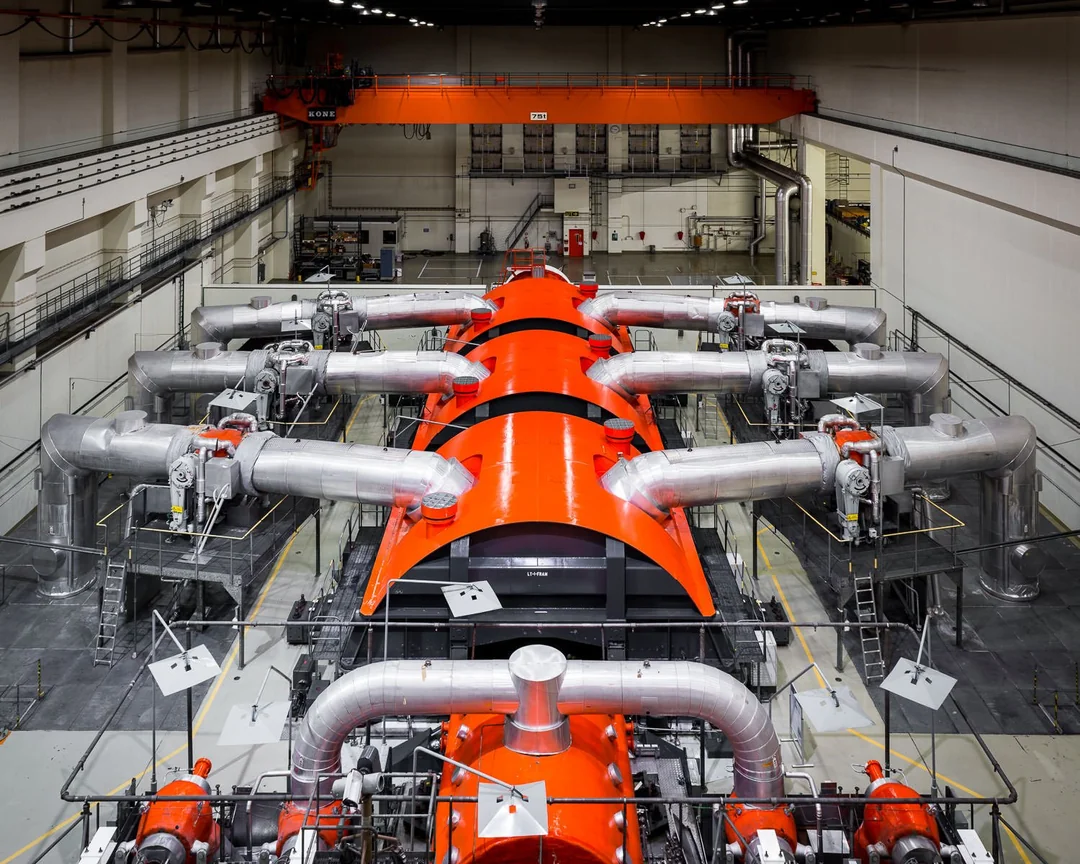
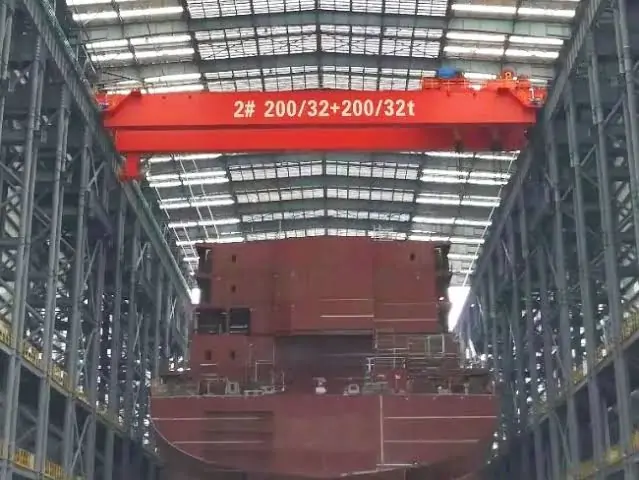
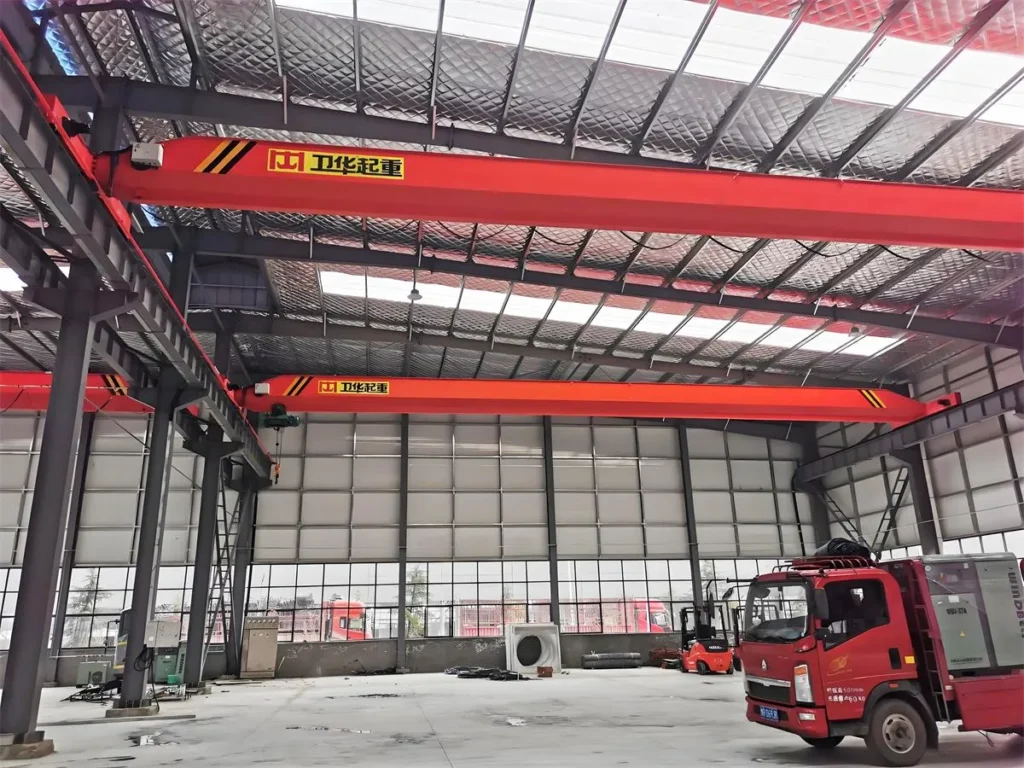
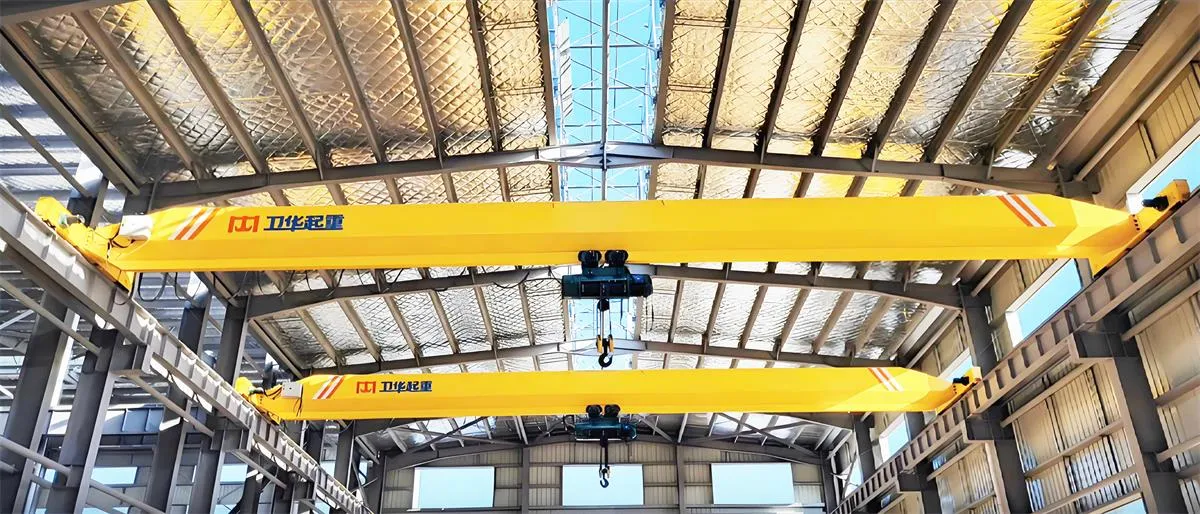
An EOT crane (Electric Overhead Travelling Crane), also commonly known as an overhead crane or bridge crane, is an electrically powered overhead lifting system used for moving heavy materials along a fixed runway inside industrial facilities. Its main components include the bridge girder, end trucks, hoist trolley, runway system, and electrical control system, which work together to complete lifting and horizontal movement operations.
EOT cranes are widely used in manufacturing plants, steel mills, warehouses, machinery workshops, and other industrial environments for handling steel products, equipment, components, and heavy loads.
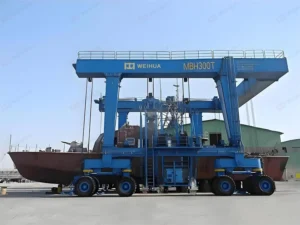
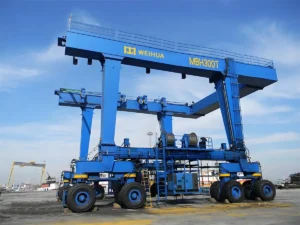
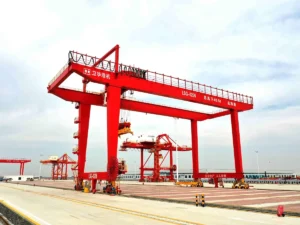
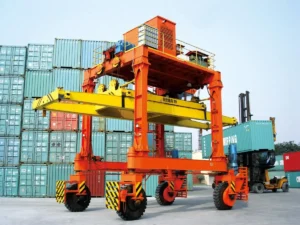
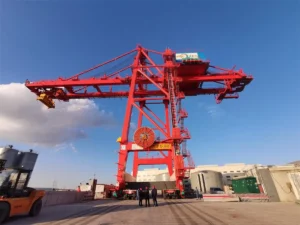
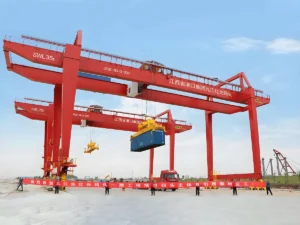
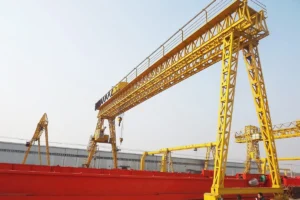
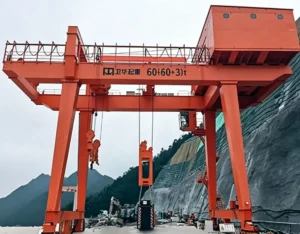
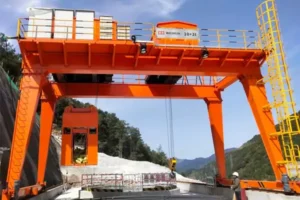
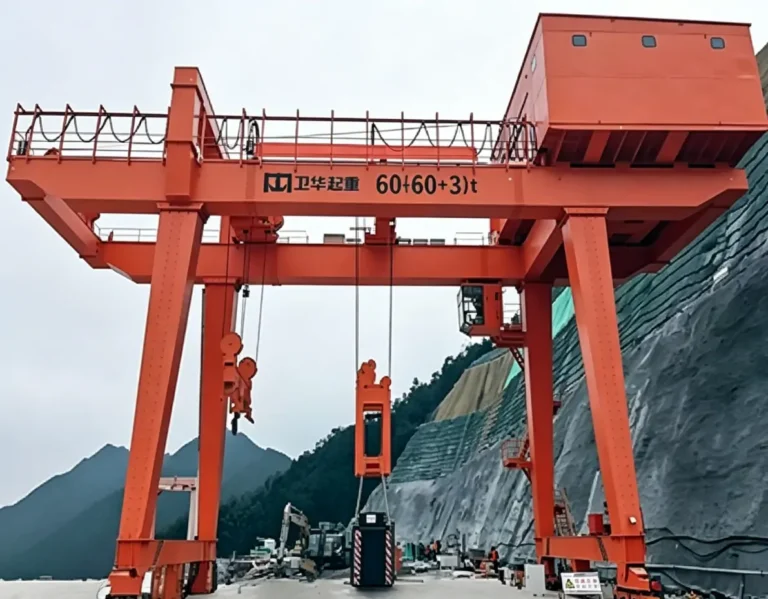
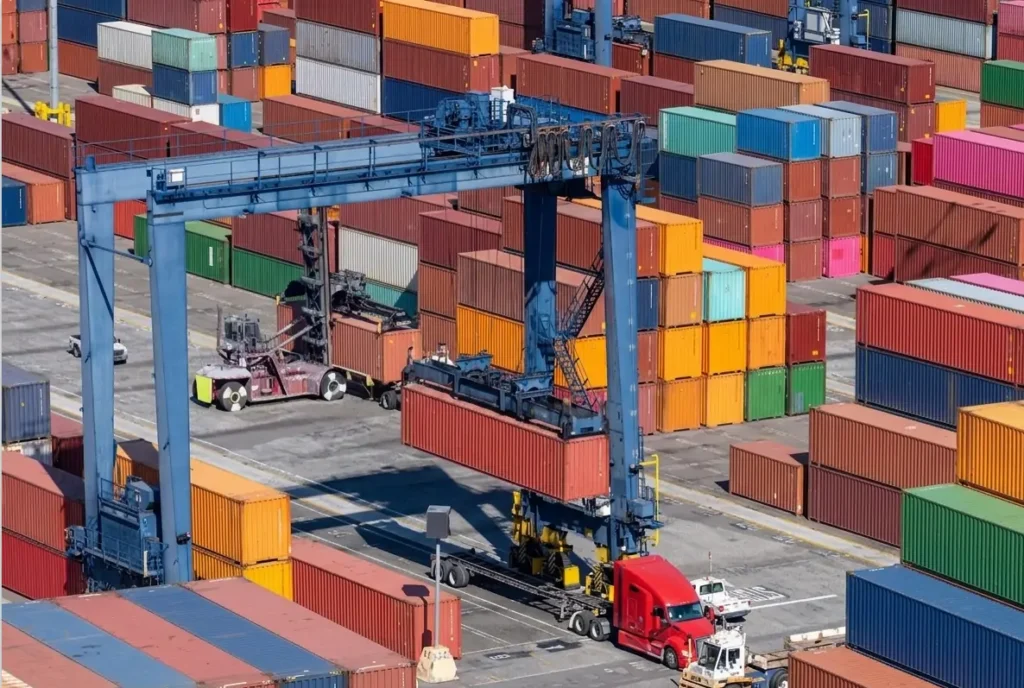
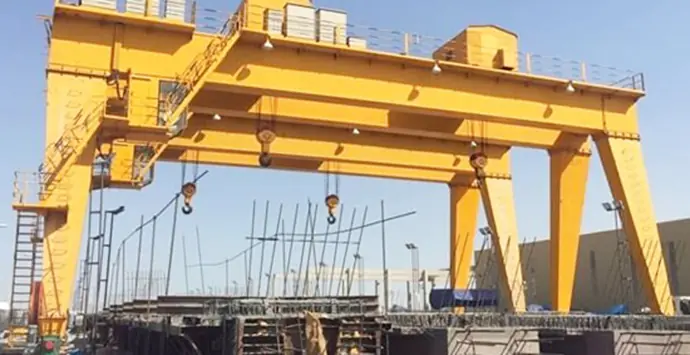
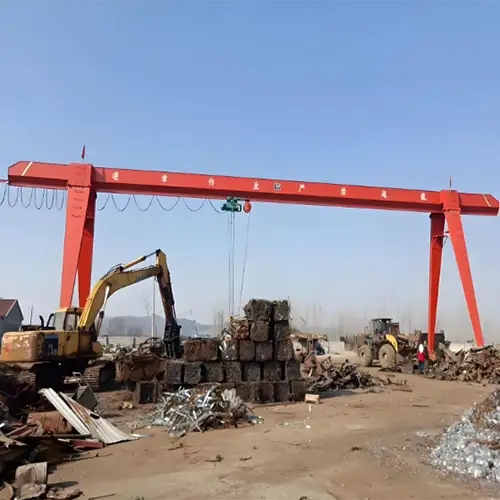
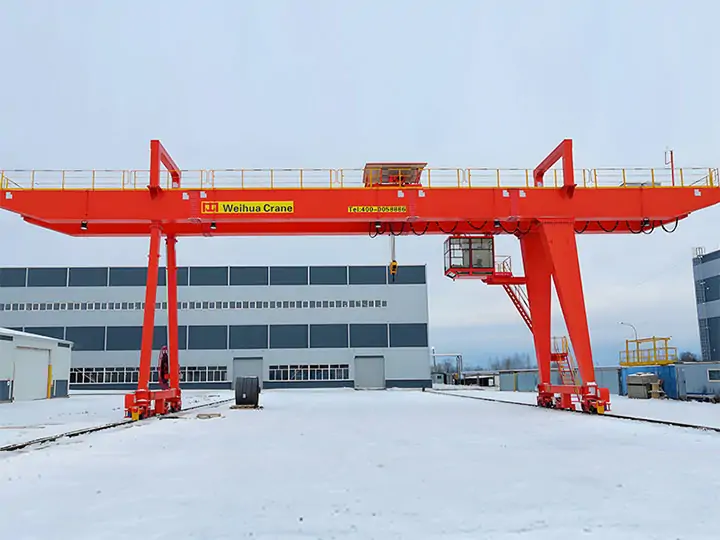
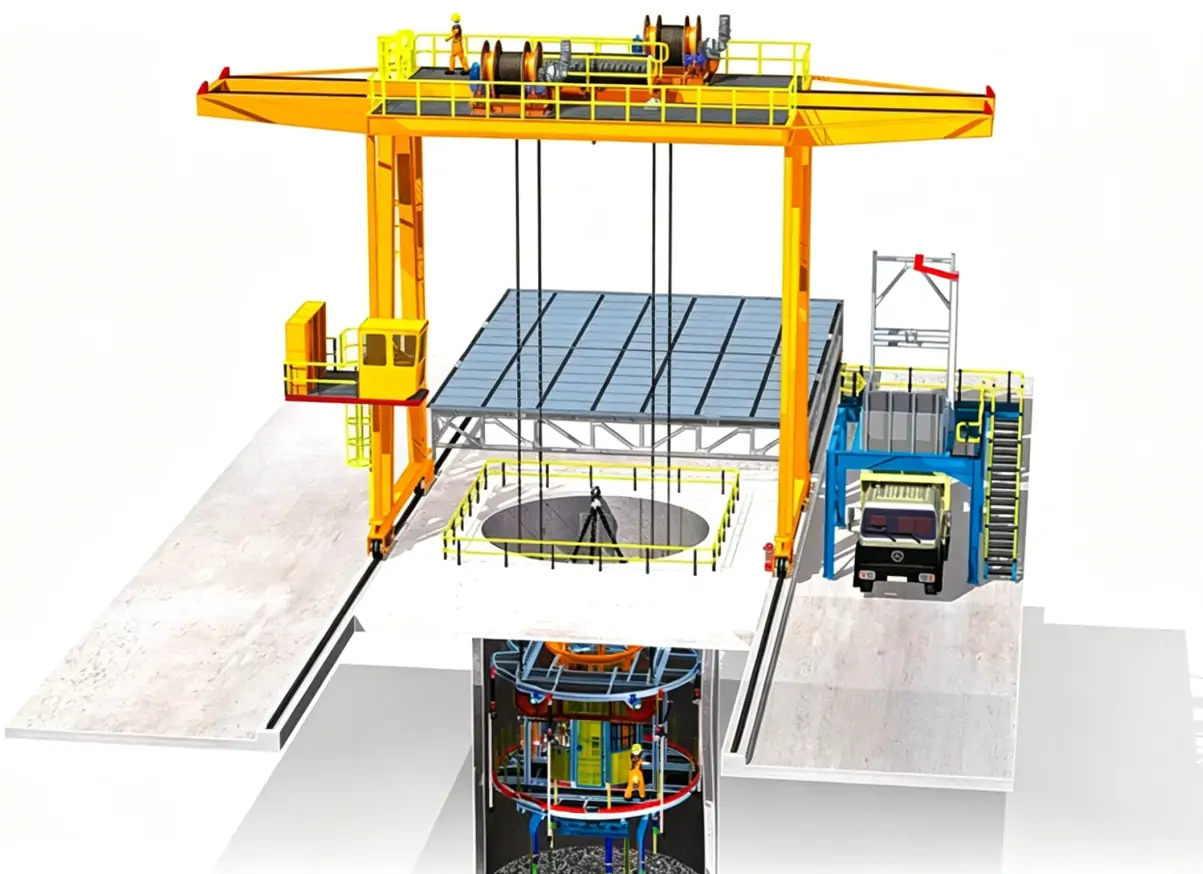
A gantry crane is a type of overhead lifting equipment supported by legs that run on ground rails or wheels. Its main components include the main girder, supporting legs, hoisting trolley, travel mechanism, and electrical control system, which allow the crane to lift and move heavy loads across a designated working area.
Gantry cranes are widely used in shipyards, container terminals, precast concrete yards, steel storage areas, construction sites, and other indoor or outdoor applications for handling large and heavy materials.
The difference between EOT crane and gantry crane mainly lies in their structure, installation method, supporting system, working environment, and application requirements.
The following table shows the differences between EOT crane and gantry crane to help you compare their features and applications.
Comparison Item
EOT Crane
Gantry Crane
Structure
Bridge girder, end trucks, hoist trolley, runway system
Main girder, legs, hoist trolley, travel system
Installation
Installed on building-supported runway beams
Installed on ground rails with support legs
Support
Uses factory columns or building structure
Uses independent legs
Working Area
Mainly indoor factories and workshops
Indoor and outdoor areas
Space Requirement
Requires existing building structure and saves floor space
Requires ground space for rails and legs
Movement
Travels on overhead runway beams
Travels on ground rails or wheels
Applications
Factories, steel mills, warehouses, workshops
Shipyards, container yards, construction sites
Installation Cost
Lower when building structure is available
Higher due to legs, rails, and foundation requirements
Maintenance
Easier indoor maintenance
Requires outdoor protection and regular inspection
Weather Protection
Usually used indoors with less weather impact
Requires weather-resistant design for outdoor use
Relocation
Fixed installation, difficult to move
Easier to relocate between working areas
Cost
Lower total cost when suitable building structures exist
Higher initial cost due to supporting structures and rail systems
EOT cranes are mainly designed for indoor factory lifting operations, while gantry cranes provide more flexible installation options for indoor and outdoor material handling applications.
EOT Crane vs Gantry Crane: Which One Should You Choose?
After understanding the difference between EOT crane and gantry crane, the next step is selecting the right crane based on your working environment, installation conditions, and lifting requirements.
Choose EOT Crane
Has existing overhead beams or building support structures.
Mainly used for indoor operations.
Floor space needs to be kept clear for production and storage.
Heavy loads need to be handled frequently.
High lifting precision and stable operation are required.
Applications include factories, warehouses, steel plants, machinery workshops, and assembly areas.
Load capacity requirements are typically above 50 tons.
Choose Gantry Crane
There is no suitable building structure for overhead crane installation.
Lifting operations are required in outdoor areas.
The working area is open, such as yards, ports, or construction sites.
Flexible installation and wider working coverage are needed.
Temporary lifting solutions are required for projects.
Loads need to be moved across open spaces.
Applications include shipyards, container terminals, construction sites, and prefabrication yards.
Choosing the right type of crane can improve lifting efficiency and reduce installation constraints. EOT cranes are more suitable for fixed indoor lifting operations, while gantry cranes provide greater flexibility for outdoor and open-area applications.
Applications Of EOT Crane And Gantry Crane
EOT cranes and gantry cranes are widely used in industrial material handling, but their application areas are different due to their installation methods and working environments.
EOT Crane Applications
Manufacturing Plants
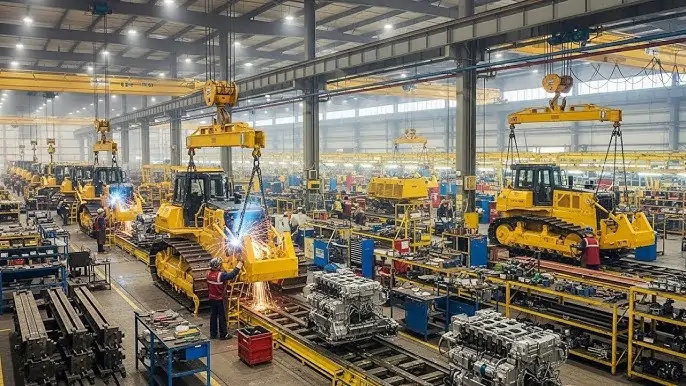
Handling machinery parts, steel products, and production materials.
Steel Mills
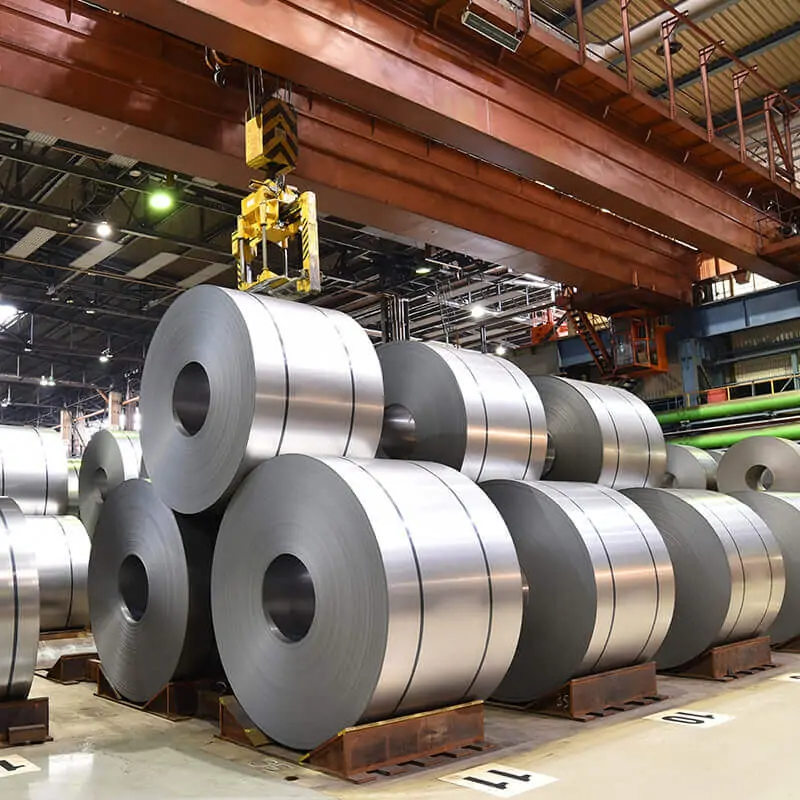
Moving steel coils, plates, billets, and heavy components.
Warehouses
Loading, unloading, and transferring heavy goods.
Machinery Workshops
Supporting equipment assembly, maintenance, and processing operations.
Automotive Plants
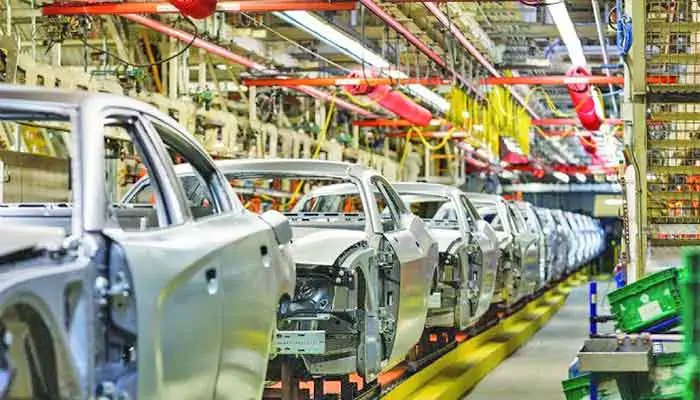
Handling vehicle components and assembly parts.
Power Plants
Lifting heavy equipment, generators, and maintenance components.
Gantry Crane Applications
Shipyards
Lifting ship sections and large structural components.
Container Terminals
Handling containers and heavy cargo.
Construction Sites
Moving building materials and prefabricated components.
Precast Concrete Yards
Handling concrete beams, slabs, and large structures.
Outdoor Storage Yards
Moving steel materials, equipment, and bulk goods.
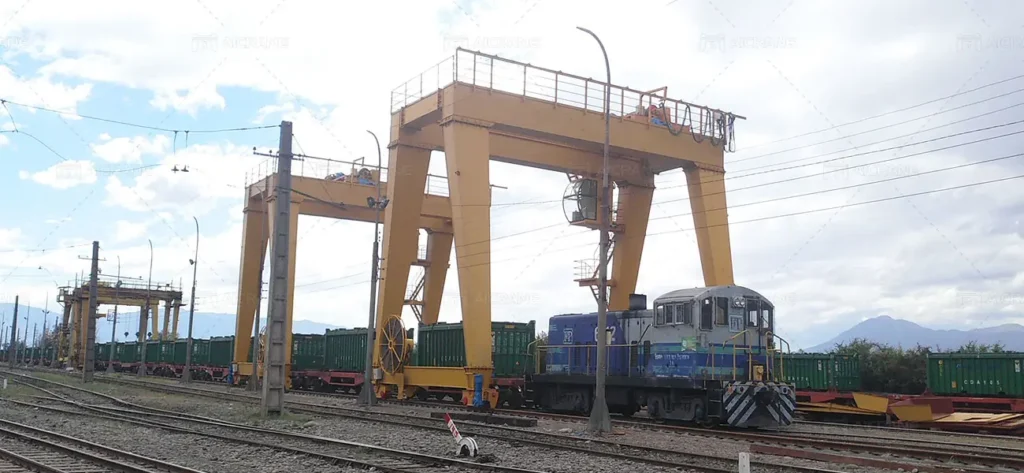
Railway Yards
Loading, unloading, and transferring railway components and containers.
EOT cranes are mainly used for indoor industrial lifting where stable operation and efficient use of workspace are required. Gantry cranes provide more flexible solutions for outdoor and open-area material handling.
EOT Crane And Gantry Crane Cost Comparison
Cost is also an important factor when comparing the difference between EOT crane and gantry crane, as installation conditions and crane configurations directly affect the final investment. In many cases, an EOT crane can have a lower total installation cost when the factory already has suitable runway structures. A gantry crane may require additional costs for legs, rails, and foundation work.
Lifting Capacity – Higher load capacity requires stronger structures and more powerful lifting systems.
Span – A longer span increases the size of the crane structure and supporting components.
Lifting Height – Higher lifting requirements may require longer wire ropes, stronger mechanisms, and customized designs.
Duty Class – Crane working frequency and operation intensity affect the selection of components and overall cost.
Custom Design – Special requirements such as outdoor protection, special lifting devices, or customized control systems can influence the final cost.
Since every lifting project has different requirements, the actual cost of an EOT crane or gantry crane should be evaluated based on your application details. Contact WEIHUA for a customized crane solution based on your lifting needs.
For a more in-depth look at price analysis, please refer to the following article:
Understanding the difference between EOT crane and gantry crane helps you select the right lifting equipment for your factory or outdoor operation. EOT cranes are ideal for indoor factories with existing overhead structures, while gantry cranes offer flexible installation options for outdoor areas and locations without building support.
With experience in industrial lifting equipment manufacturing, WEIHUA designs and supplies customized EOT cranes and gantry cranes for different factory and outdoor applications. Contact us to discuss your project requirements and find the right crane solution for your operation.
FAQS
What is the difference between EOT crane and gantry crane?
EOT cranes are installed on overhead runway beams supported by a building structure and are mainly used for indoor lifting. Gantry cranes are supported by legs running on ground rails and are suitable for indoor or outdoor applications without overhead structures.
Is an EOT crane better than a gantry crane?
Neither crane is better in all situations. EOT cranes are ideal for indoor factories with existing structures, while gantry cranes are better for open areas, outdoor lifting, or locations without suitable building support.
Can a gantry crane be used indoors?
Yes. Gantry cranes can be used indoors, especially in workshops or facilities where installing overhead runway beams is difficult or not economical.
What industries use EOT cranes?
EOT cranes are commonly used in steel mills, manufacturing plants, warehouses, machinery workshops, automotive plants, and power plants for heavy material handling.
What industries use gantry cranes?
Gantry cranes are widely used in shipyards, container terminals, construction sites, precast concrete yards, railway yards, and outdoor storage areas.
Which crane is suitable for outdoor lifting?
Gantry cranes are generally more suitable for outdoor lifting because they have independent support legs and do not require a building structure.
Are EOT cranes cheaper than gantry cranes?
The cost depends on lifting capacity, span, lifting height, duty class, and customization requirements. EOT cranes may have lower installation costs when suitable building structures already exist.
How do I choose between an EOT crane and a gantry crane?
Choose based on your working environment, available space, load requirements, lifting frequency, and installation conditions. EOT cranes are suitable for fixed indoor operations, while gantry cranes provide more flexibility for outdoor and open-area applications.
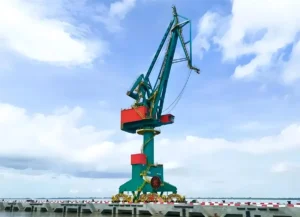
Product Introduction A Portal Slewing Crane, also known as a Port Portal Crane or Portal Boom Crane, is a heavy-duty lifting solution designed for quay operations, bulk cargo handling, and container transfer. Featuring a portal gantry structure with a 360° slewing mechanism, it provides wide working coverage and high operational efficiency in busy port environments. We provide fully customized designs, including lifting capacity, outreach, lifting height, rail span, working class, and power systems to meet your specific port operation requirements. Video Play Below are actual application examples of our Port Cargo Handling Cranes in multiple ports. Click to view. Customized Spreaders The selection of lifting attachments for Portal Slewing Cranes offers versatility and can be changed according to different materials and requirements, meeting the diverse needs for bulk cargo, general cargo, containers, and other materials. When selecting attachments, comprehensive consideration must be given to the physical characteristics of the material (shape, dimensions, weight, material composition), packaging form, and handling efficiency. Below are the commonly used lifting attachments for Portal Slewing Cranes and their descriptions: Hooks Single-hook and double-hook types are…
Product Introduction Boat Lifting Crane, also known as Boat Hoist, Marine Travel Lift, or Yacht Lifter, is a specialized piece of equipment designed for lifting, moving, and launching boats. It is widely used in yacht marinas, shipyards, ship repair bases, and maritime service centers. Typically featuring a gantry structure, hydraulic transmission, and an adjustable sling system, it provides flexible support tailored to the hull shape, enabling safe and stable handling of various types of boats. Port Boat Handling Cranes offer lifting capacities ranging from 10 to 1200 tons, spans from 6 to 20 meters, customizable lifting heights, and a choice of wheeled or rail-mounted travel systems. Characterized by high load-bearing capacity, stable operation, compact turning radius, and broad vessel compatibility, they support the entire lifecycle of vessels—including launching/retrieval, dry dock maintenance, hull refurbishment, servicing, and transfer operations. We offer multiple Boat Lifting Crane variants, including standard, wide-span, heavy-duty, energy-efficient models, and fully customizable solutions tailored to vessel length, beam, weight, and dock layout. Contact our team for bespoke designs and technical support. Please view this article for details: Types of…
Product Introduction A Rail Mounted Container Gantry Crane (RMG Crane) is a high-efficiency container-handling crane operating on fixed rails, widely used in container yards, intermodal terminals, and logistics hubs for stacking, transferring, and loading/unloading ISO containers. Designed for intensive, continuous operations, RMG cranes deliver stable performance, high positioning accuracy, and exceptional yard utilization. Weihua’s Rail-Mounted Container Gantry Crane strictly adheres to the latest domestic and international standards including FEM, DIN, IEC, AWS, and GB in its design, manufacturing, and inspection processes. The equipment offers advantages such as multifunctionality, high efficiency, stable and reliable operation, and extensive coverage. It also provides greater convenience in usage, maintenance, and upkeep, delivering sustained and efficient operational capabilities for container yards. We customize every key parameter, including span, lifting height, stacking layers, hoisting capacity, rail gauge, operation mode, power supply system, and intelligent automation functions such as anti-sway, auto-positioning, remote control, and container recognition. If you are planning a new container yard or upgrading existing equipment, contact our technical team for a tailored proposal. We will provide professional engineering consultation, precise layout matching, and a…
Product Introduction Rubber Tyred Gantry RTG Cranes offer exceptional mobility and are designed for high-intensity yard operations, providing high productivity and stable performance. It features an advanced control system that enables precise positioning and minimizes sway, ensuring safer loading and unloading of containers or oversized cargo. RTG cranes offer various options, including diesel, hybrid, or fully electric drive systems, helping operators reduce fuel consumption and operating costs while maintaining reliable lifting capabilities and a long service life. Rubber Tyred Gantry Cranes are widely used across container terminals, railway hubs, logistics centres, and industrial storage yards, supporting both standard container transport and heavy-duty material handling. To meet different yard layouts and operational requirements, we offer full customization, including span width, lifting height, wheel configuration, stacking layers, power system, and intelligent control options. Our engineering team can tailor an RTG crane to your site conditions and boost your overall yard efficiency. Related gantry cranes used in ports and terminals also include: Container Handling Gantry Crane Solutions for Ports and Terminals, and Rail Mounted Container Gantry Crane. RTG cranes come in a variety…
Product Introduction Single Girder Overhead Traveling Crane also known as Single Girder EOT Crane, features a compact structure, light weight, and low wheel load, making it an ideal choice for locations requiring high operational efficiency and optimized building space. Its design combines a single main girder with a low-headroom hoist, enabling greater lifting height while ensuring structural integrity. The equipment also offers low noise, minimal maintenance, and easy installation. Through optional configurations such as variable frequency drives, anti-sway technology, and intelligent monitoring, this equipment achieves higher lifting efficiency and safer operation while effectively reducing structural loads and operational costs. Widely used in manufacturing, machining, steel structure production, logistics warehousing, automotive, and light industries, it suits diverse scenarios from raw material handling and production line transfers to equipment maintenance. For an in-depth look at single-girder EOT cranes, read the article: What Is a Single-Girder EOT Crane? Customized Hoisting Attachments Lifting Hook Standard universal lifting device suitable for most factory material handling operations. Customizable based on tonnage and structural requirements. Grab Bucket Designed for loading and unloading bulk materials such as sand,…