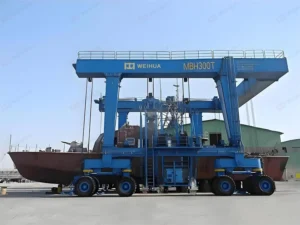
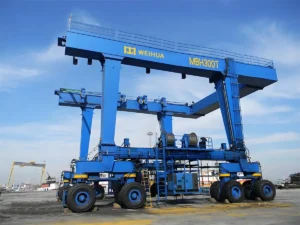

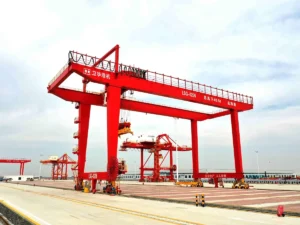
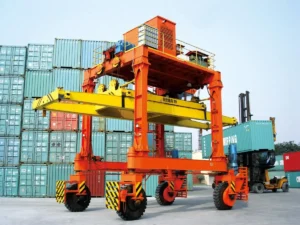
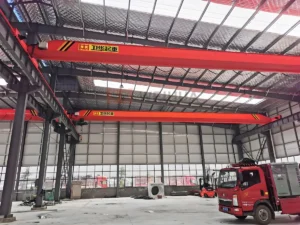
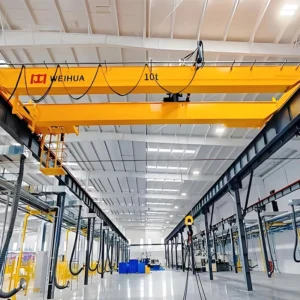
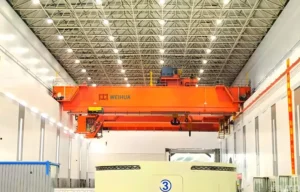
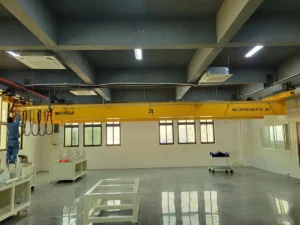


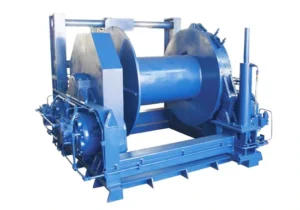






Gantry crane for sale pricing starts at $800 for a portable aluminum unit and reaches $300,000+ for a heavy double girder system — the exact number depends on type, capacity, span, and whether your application is indoor or outdoor. If you are comparing options before committing to a purchase, this guide gives you every decision point: a price table by crane type, a selection framework based on load and duty cycle, certification requirements, and the two cost items most suppliers leave out of their headline quotes.
The challenge facing most procurement managers is not finding a supplier. It is knowing which configuration — single girder versus double girder, rail-mounted versus rubber-tired, A3 versus A5 duty class — actually matches the workload before a quote lands on the desk. Selecting by rated capacity alone, without accounting for operating frequency, is how factories end up replacing structural components within two years of installation.
This guide covers six gantry crane types available from Wei Hua’s factory-direct range — including portable, single girder box-beam, truss, semi-gantry, double girder, and container/port configurations — the key specification parameters you need to confirm before ordering, and what to verify in supplier documentation before signing a purchase order.
Quick Reference: Gantry Crane for Sale — Price & Specs by Type
| Type | Capacity Range | Span Range | Typical Price (FOB, market reference) | Best For |
|---|---|---|---|---|
| Portable Aluminum Gantry | 0.5–3T | 2–6m | $800–$3,500 | Light workshops, garages, maintenance bays |
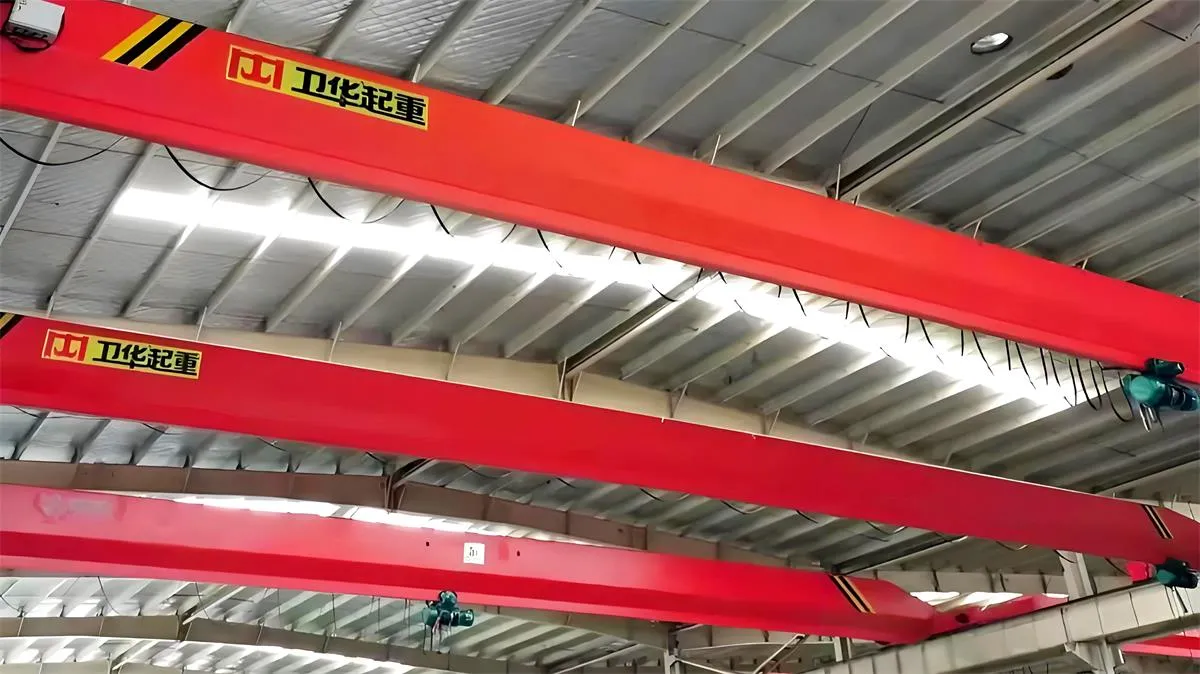
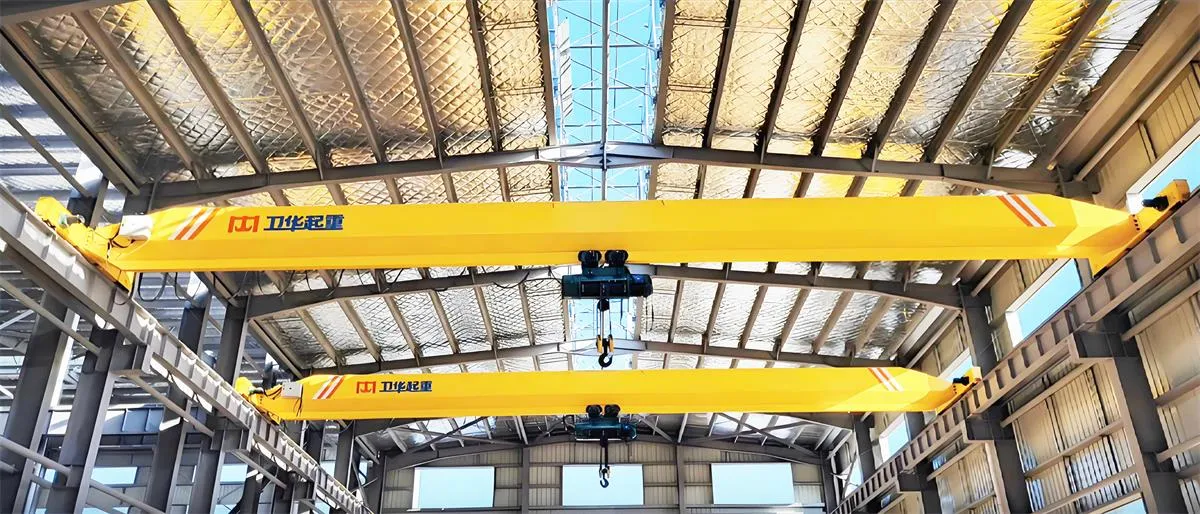
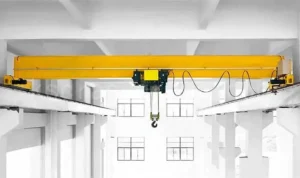
| Single Girder | 5–32T | 10–35m | $5,000–$55,000 | Indoor factories, warehouses, limited headroom |
| Truss Gantry Crane (single girder) | 5–32T | 10–35m | $3,000–$22,000 | Outdoor yards, long spans, wind-exposed sites |
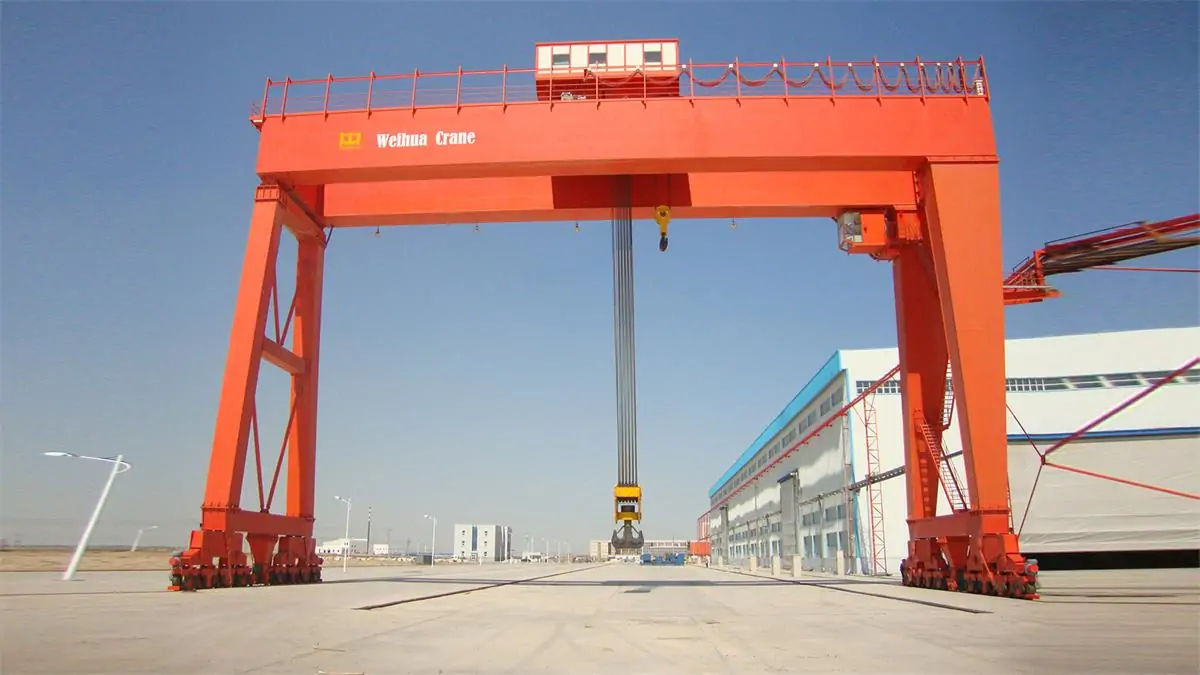
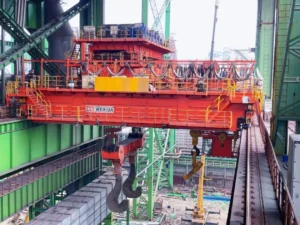
| Truss Gantry Crane (double girder) | 10–100T | 10–48m | $20,000–$250,000+ | Steel plants, ports, shipyards, large outdoor spans |
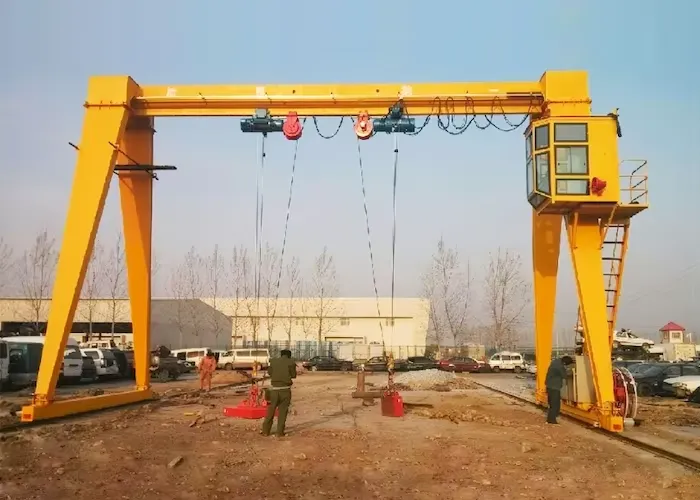
| Semi-Gantry (single leg) | 5–50T | 10–30m | $4,500–$60,000 | Facilities with one existing wall runway |
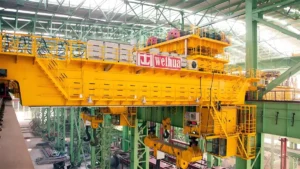
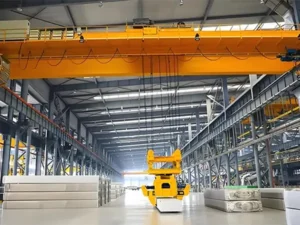
| Double Girder | 10–320T | 10–50m | $18,000–$300,000+ | Heavy indoor/outdoor, high duty cycle, max hook height |
| Container / Port Gantry (RTG/RMG) | 40–70T | Custom | $150,000–$500,000+ | Port terminals, container yards, intermodal hubs |
Prices are indicative market reference (FOB China factory). Final price depends on span, lift height, duty class, and electrical specification.
View our equipment by application:
Get Custom Quotation Now1. Gantry Crane Types: Which Configuration Fits Your Application
1.1 Portable and Aluminum Gantry Cranes (0.5–3T)
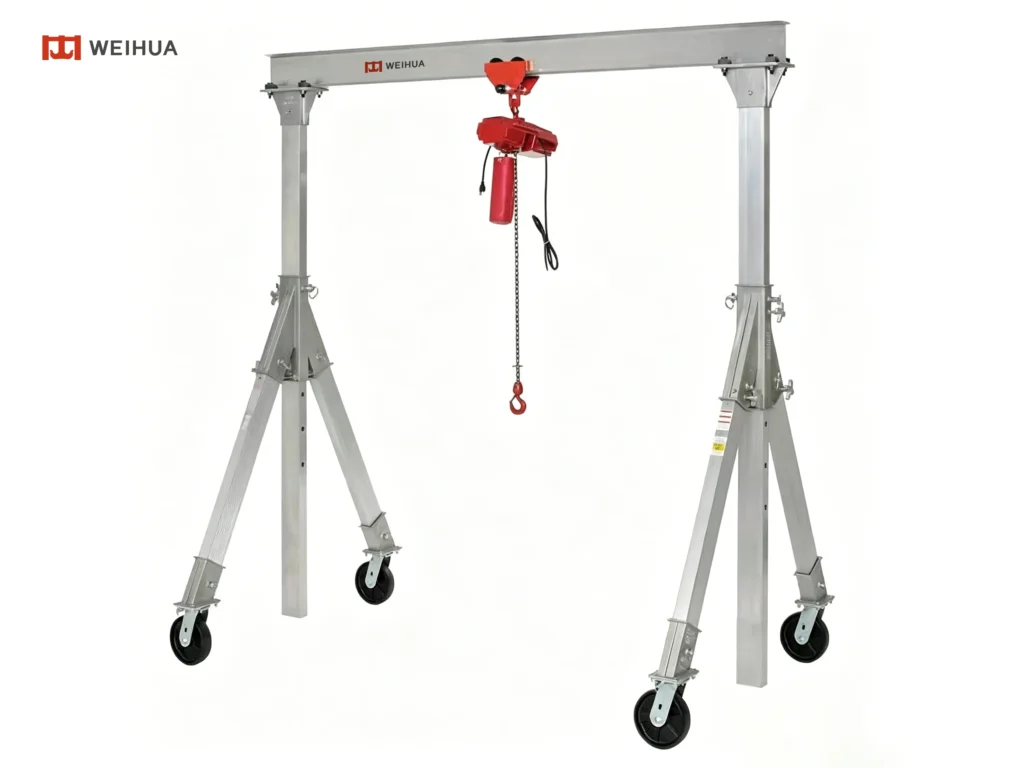
Portable gantry cranes deliver the lowest entry cost and maximum repositioning flexibility, making them suitable for maintenance bays, small workshops, and job sites where a fixed installation is not practical(Commonly used for handling goods in warehouses; also known as a Warehouse Gantry Crane). Aluminum models weigh as little as 50–120 kg for a 1T unit, allowing a two-person setup without mechanical assistance. Steel portable models extend the capacity range to 5T but sacrifice the weight advantage.
Key limitation: portable gantry cranes under 3T are designed for light, infrequent lifts — typically FEM working class A2 or A3. Using a portable aluminum crane for daily production lifting (A4 or A5 workload) accelerates fatigue at the leg-to-beam connection joints and voids the manufacturer’s warranty. If your lifting frequency exceeds 5–8 cycles per hour regularly, specify a rail-mounted single girder unit from the start.
1.2 Truss Gantry Crane — Single and Double Girder (5–320T)
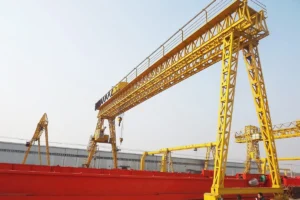
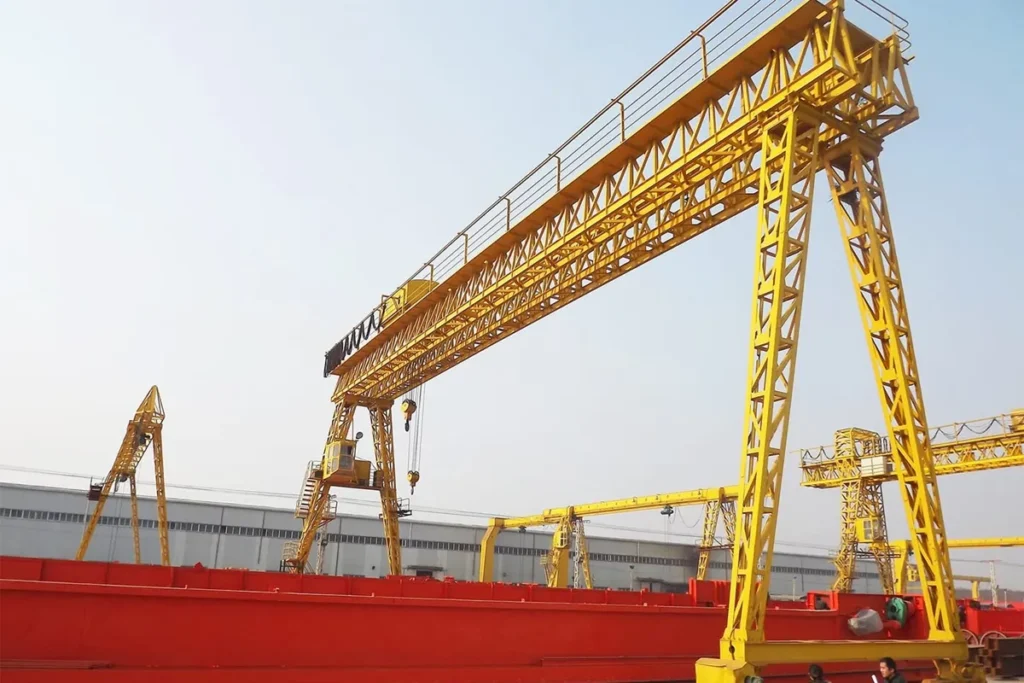
A truss gantry crane uses an open lattice framework — welded from angle steel or structural steel sections — rather than a closed solid-web box beam for the main girder. This structural choice delivers two specific engineering advantages that no other gantry crane type replicates: significantly lower self-weight and inherently superior wind resistance. The triangular geometry of the truss distributes load efficiently, reducing steel consumption by 15–25% compared to an equivalent-span box-beam girder. The open framework also presents far less surface area to wind loads, making truss gantry cranes the default specification for exposed outdoor sites where sustained or gusting wind is a routine operating condition.
Weihua’s truss gantry crane range covers capacities from 5T to 320T and standard spans from 10m to 48m, available in both single girder (5–32T, working classes A3–A4) and double girder configurations (10–320T, working classes A3–A6). Single girder truss variants are widely used in outdoor storage yards, precast concrete plants, and construction sites where the crane does not justify the cost of a full box-beam structure. Double girder truss variants are the standard solution in steel mills, shipyards, port terminals, and large-span industrial yards where spans exceed 35m or loads exceed 32T and the box-beam weight penalty becomes a real foundation cost.
The key selection question between truss and box-beam at the same capacity: Is the installation site outdoor and wind-exposed? If yes, truss is the structurally correct choice. If the crane is indoor or in a sheltered yard with no wind loading requirement, a box-beam girder provides a more compact profile and can preserve more hook height under a given building eave height.

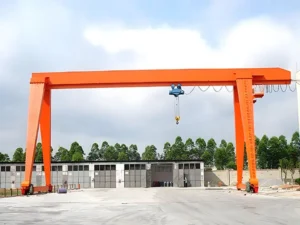
1.3 Single Girder Gantry Crane (5–32T)
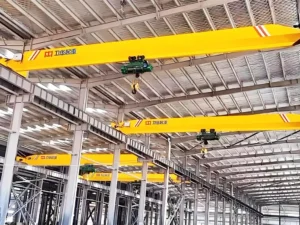
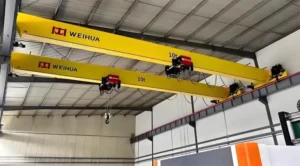
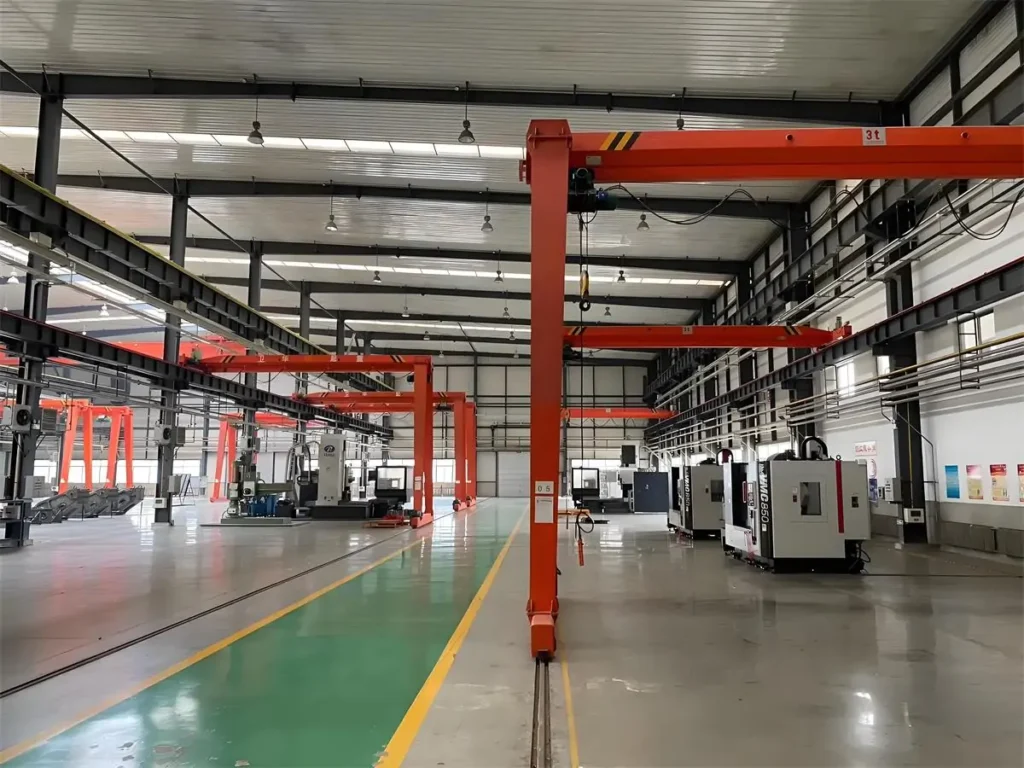
The single girder gantry crane uses a solid-web closed-section main girder and is the standard indoor factory and warehouse workhorse for the 5–32T range. Its enclosed girder profile is shallower than a truss of equivalent capacity, which makes it the better choice in buildings with limited overhead clearance — every 100mm saved in girder depth translates directly into additional hook height. A bottom-running electric wire rope hoist travels along the lower flange, keeping the overall crane height compact. Spans from 10m to 35m and lifting heights from 6m to 18m cover the majority of general manufacturing and warehouse requirements.
Working class A3 through A5 per FEM 1.001. For outdoor exposed sites or spans above 35m, evaluate the truss variant — the solid-web box beam presents a larger wind-facing surface and carries more dead weight at long spans, both of which increase foundation requirements.
1.4 Semi-Gantry Crane (5–50T)
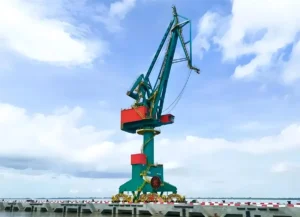
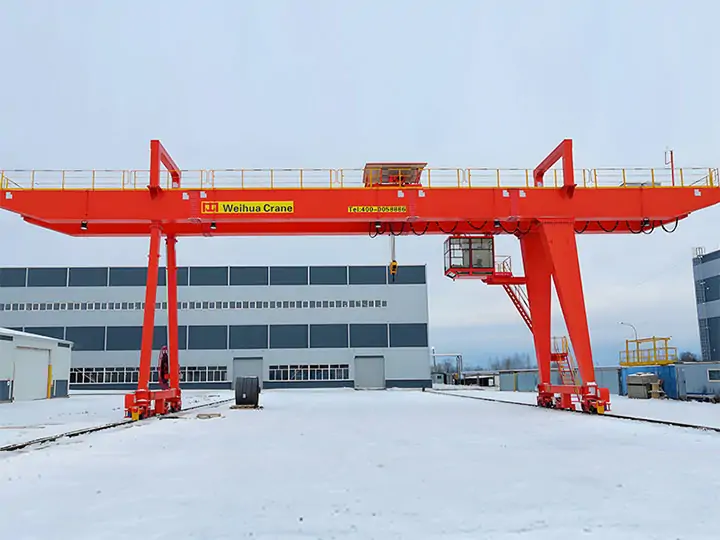
Semi-gantry cranes can be classified into single-girder semi-gantry cranes and double-girder semi-gantry cranes. A semi-gantry crane has one full leg running on a ground rail and one end beam running on a wall-mounted runway rail — effectively combining a gantry crane and an overhead crane into a single system. This configuration is the correct solution when one side of the facility already has a runway beam at height, eliminating the cost of a second ground rail and the corresponding civil foundation.
The critical specification point: the wall runway must be structurally rated to carry the full end beam reaction, including dynamic load factors. Retrofitting an existing wall beam without a structural engineer’s sign-off is a code violation under EN 13001-1 (EU) and ASME B30.2 (US). Request confirmation of wall beam load capacity before quoting a semi-gantry configuration.
1.5 Double Girder Gantry Crane (10–320T)
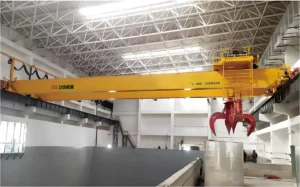
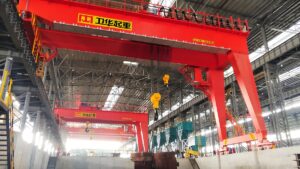
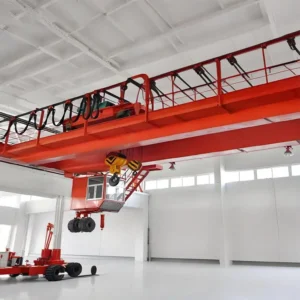
Double girder gantry cranes are the correct choice when the load exceeds 32T, when the application involves heavy-duty or continuous operation (working class A5–A8), or when maximum hook height clearance is critical — the top-running trolley riding between the two girders eliminates the hoist-depth penalty of a bottom-running arrangement, recovering 400–800mm of hook travel versus a comparable single girder unit. Spans from 10m to 50m, lifting heights from 6m to 36m per Weihua’s standard range.
Available in A-frame and U-frame leg configurations. A-frame legs provide higher lateral rigidity and are standard for outdoor yard operation in wind zones. U-frame legs allow wider loads — machinery frames, shipping containers, or long steel fabrications — to pass between the legs without clearance restriction. For large-span outdoor applications in high-wind environments, the double girder truss variant (Section 1.2 above) is the structurally lighter and more wind-resistant alternative at equivalent capacity.
Type selection summary: For indoor loads up to 20T with limited headroom → single girder box-beam. For outdoor or wind-exposed sites at any capacity → truss gantry crane. For loads above 32T or spans above 35m with high duty cycle and maximum hook height → double girder box-beam or double girder truss depending on site wind exposure.
1.6 Container and Port Gantry Cranes (40–100T+)
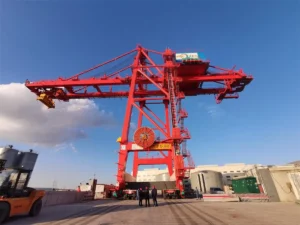
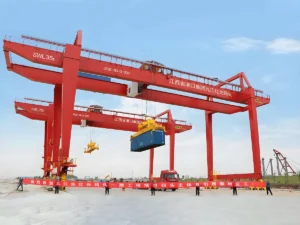
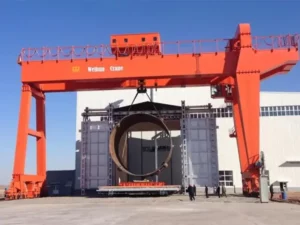
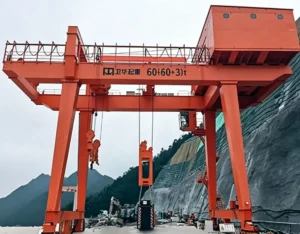
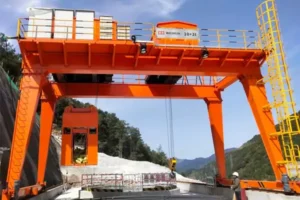
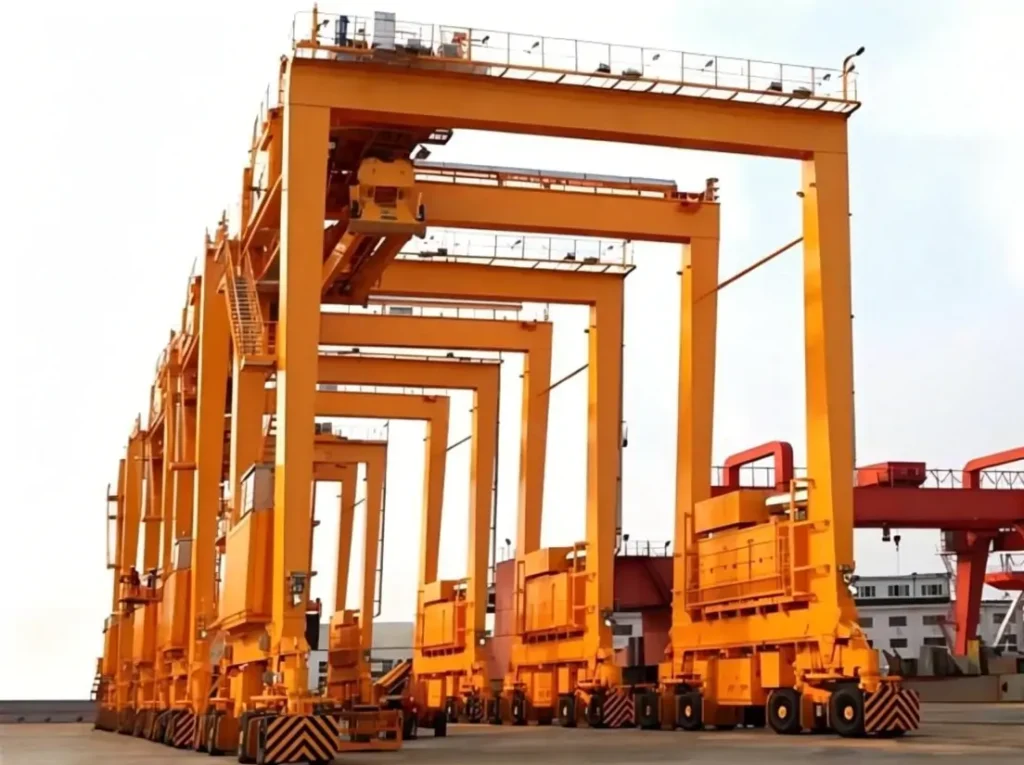
Container handling gantry cranes — including Rail-Mounted Gantry (RMG) and Rubber-Tyred Gantry (RTG) cranes — are purpose-built for port terminals, container yards, and intermodal rail depots. RTG cranes run on rubber tires, allowing flexible repositioning across the yard without fixed rail infrastructure; typical capacities are 40–60T with stacking heights of 4–5 containers. RMG cranes run on fixed rails, offer higher energy efficiency and greater stacking precision, and are suited to high-throughput terminals where yard layout is stable.
Spans of 20–40m (RMG) and lifting capacities of 40–65T cover standard ISO container handling. Ship-to-Shore (STS) cranes, a related type for quayside container transfer from vessel to shore, operate at 65–100T+ and are specified separately as major infrastructure items. Price range for standard RMG/RTG units: $150,000–$500,000+; STS cranes are custom-engineered project quotations.
2. Gantry Crane Price Breakdown: What Drives the Quote
2.1 Span and Lift Height
Span is the single largest driver of structural steel cost. Each additional 5m of span on a 10T single girder crane increases the main girder weight by roughly 20–35%, with a proportional effect on price. Lift height determines leg length and the length of hoist cable — a 10T crane with 12m lift height costs approximately 18–25% more than the same unit at 6m.
Practical implication: Specify the minimum span and lift height that actually fits your operational requirement. Ordering 5m of extra span “for future expansion” on a unit you are buying today adds immediate cost and ongoing maintenance exposure with no production benefit until expansion occurs.
2.2 Duty Class (FEM / ISO Working Class)
⚠️ Procurement Misjudgment — Most Common Cause of Early Failure: Buyers routinely select a gantry crane based on rated capacity alone, without specifying duty class. A 10T gantry crane built to FEM A3 (light duty, ≈150,000 theoretical cycles over its design life) running two shifts in an outdoor yard will reach structural fatigue limits in the end beams and hoist mechanism within 18–30 months. The same application requires at minimum an A5 (medium-heavy duty) rated unit. Duty class determines structural fatigue life — not tonnage alone. Always state your operating hours per day and average lifts per hour when requesting a quote.
FEM working classes for reference (FEM 1.001 standard):
- A3: Light duty — infrequent lifting, <1 hour/day average use
- A4: Moderate duty — intermittent production use, 1–4 hours/day
- A5: Medium-heavy duty — regular two-shift production, 4–8 hours/day
- A6: Heavy duty — continuous three-shift operation
2.3 Indoor vs Outdoor Configuration
Outdoor gantry cranes require additional specification items that indoor units do not — and that suppliers frequently omit from base quotes:
- Weatherproof electrical enclosures: IP54 minimum for control panels; IP65 for motor terminal boxes in high-humidity or rain-exposed locations
- Anti-corrosion surface treatment: Hot-dip galvanizing on fasteners and rail clips; two-coat epoxy primer plus topcoat on structural steel (adds 6–10% to base price)
- Wind load bracing: Structural design per local wind zone (ASCE 7 for US; EN 1991-1-4 for EU); A-frame legs are standard for spans above 20m in outdoor applications
- Travel rail storm anchors: Required in wind zones above 25 m/s; often quoted separately
⚠️ Hidden Cost Disclosure: Rail foundation civil works for a standard 10T outdoor gantry crane with 18m span typically cost $8,000–$20,000 — a figure almost never included in the headline equipment quote. For an indoor facility with an existing concrete floor, rail installation is significantly lower ($2,000–$6,000), but still a separate line item. Budget for civil works from day one of your CAPEX planning.
3. Gantry Crane Selection Parameters: How to Specify Before You Quote
3.1 The Five Numbers You Must Confirm
Before contacting any supplier, confirm these five parameters. Without them, any price you receive is a placeholder, not a real quote:
- Rated capacity (T) — the maximum single-lift load, including the weight of any lifting attachment (spreader bar, grab, magnet)
- Span (m) — the distance between the centerlines of the two rail tracks
- Lift height (m) — from floor level to the top of the hook at maximum elevation
- Working class (FEM A3–A6) — based on operating hours per day and average lift cycles per hour
- Power supply — voltage, frequency, phases (e.g., 380V / 50Hz / 3-phase for most industrial export; 460V / 60Hz / 3-phase for US/Canada)
3.2 Indoor vs Outdoor Checklist
| Parameter | Indoor | Outdoor |
|---|---|---|
| Structural steel protection | Standard primer + finish coat | Epoxy primer + polyurethane topcoat |
| Electrical protection rating | IP44 minimum | IP54 control panels; IP65 motors |
| Travel mechanism | Rail-mounted (standard) | Rail-mounted + storm anchors |
| Leg configuration | A-frame or U-frame | A-frame preferred (lateral rigidity) |
| Wind load design | Not required | Required — specify local wind zone |
3.3 Hoist Type and Trolley Travel Speed
The hoist is the highest-wear component on any gantry crane and deserves independent specification. Two primary options:
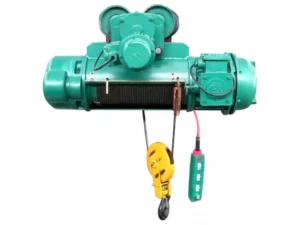
Electric wire rope hoist: Suited for capacities above 5T; longer service life under high-duty-cycle conditions; allows multi-layer cable winding for greater lift height. Standard for FEM A4 and above applications.
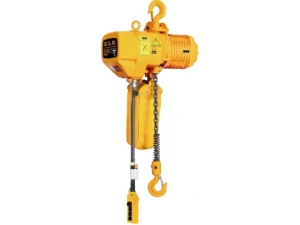
Electric chain hoist: Lower first cost; suitable for capacities up to 10T in light-to-moderate duty; shorter lift height per hoist body length; chain requires regular lubrication and inspection under EN 818-7. For outdoor applications, verify that the chain hoist carries IP55 protection on the motor housing.
4. Procurement and Certification: What to Verify Before Signing
4.1 CE Marking vs ASME B30.2
CE marking (Machinery Directive 2006/42/EC) is mandatory for gantry cranes sold or operated in the European Union and most export markets. CE conformity requires a Technical Construction File, a risk assessment, and a Declaration of Conformity — not just a CE logo on the nameplate. Ask for the Declaration of Conformity document and verify it references the correct Machinery Directive and harmonized standards (EN 13001-1, EN 15011).
ASME B30.2 is the applicable design and operation standard for overhead and gantry cranes in the United States and Canada. US-market units must also comply with OSHA 29 CFR 1910.179 for overhead and gantry cranes in general industry.
For international export projects where neither EU nor US standards are contractually specified, FEM 1.001 (European Materials Handling Federation) working class classification remains the most widely accepted technical reference for duty cycle and fatigue life.
4.2 Documentation to Request Before Payment
At minimum, request the following documents as part of the delivery package:
- CE Declaration of Conformity (EU/international markets) or ASME B30.2 compliance statement (North America)
- Factory load test certificate — proof-tested at 125% of rated SWL per EN 14492-1 or equivalent
- Material mill certificates for structural steel (main girder, end beams, legs)
- Weld inspection records (visual inspection + ultrasonic or magnetic particle testing for main load-bearing welds)
- Dimensional inspection report confirming span, lift height, and rail gauge against order specification
- FEM duty class declaration from the manufacturer
A supplier unwilling to provide these documents as a routine part of shipment documentation is a supplier worth reconsidering.
4.3 Factory-Direct vs Distributor: What Actually Changes
Buying factory-direct from a gantry crane manufacturer (versus through a domestic distributor) typically saves 15–30% on the equipment price — but shifts the procurement burden to you. Differences that matter:
- Lead time: Factory-direct standard production is 20–45 days for single girder units; 45–75 days for double girder. Distributors holding stock can ship in days, but stock is limited to standard light-duty configurations.
- Custom specification: Only factory-direct allows full parameter customization — span, lift height, duty class, electrical specification, and structural configuration.
- After-sales support: Verify that the manufacturer has a spare parts supply program and can provide replacement hoists, control boards, and structural components within your region. A low-cost crane with a 12-week spare part lead time creates more operational downtime cost than the initial price saving delivers.
Conclusion
A gantry crane for sale at the right specification is a 15–25 year capital asset. A gantry crane for sale at the wrong duty class is a maintenance liability within 24 months. The selection decision comes down to four things: rated capacity, FEM duty class, span, and whether the unit is indoor or outdoor. Get those four parameters right before comparing supplier quotes, and the price table above gives you the market range to benchmark against.
Three actions before you issue an RFQ:
- Calculate your actual lift cycles per hour and daily operating hours — use these to determine FEM duty class, not just rated tonnage.
- Add $8,000–$20,000 to your CAPEX budget for rail foundation civil works if the installation is outdoor.
- Request the CE Declaration of Conformity and factory load test certificate as mandatory delivery documents before signing the purchase order.

FAQ
Q1: How much does a gantry crane cost?
A gantry crane for sale ranges from $800 for a portable aluminum 0.5T unit to $300,000+ for a heavy double girder system. Most industrial single girder units in the 5–32T range ship FOB at $5,000–$55,000 depending on span, lift height, and duty class. Double girder cranes for loads above 32T typically start at $18,000 and scale with capacity and span. These figures are market reference prices (FOB China factory); freight, foundation civil works, and installation are additional.
Q2: What is the difference between a single girder and double girder gantry crane?
A single girder gantry crane uses one main beam with a bottom-running hoist and is cost-effective for loads up to 32T at spans up to 35m. A double girder crane uses two parallel main beams with a top-running trolley, which increases hook height clearance, enables higher duty cycles (A5–A6), and supports loads from 10T to 320T+. For most factory and warehouse applications under 20T with standard duty requirements, single girder delivers better value; above 32T or for continuous heavy-duty operation, double girder is the correct specification.
Q3: What certifications should a gantry crane have?
For EU and most international markets, gantry cranes must carry CE marking under Machinery Directive 2006/42/EC, with a Declaration of Conformity referencing EN 13001-1 and EN 15011. For the US and Canada, ASME B30.2 compliance and OSHA 29 CFR 1910.179 conformity are required. All units should be factory proof-tested at 125% of rated SWL and documented with a load test certificate. Do not accept a CE nameplate label as a substitute for the full Declaration of Conformity document.
Q4: How do I choose the right gantry crane capacity?
Rated capacity should equal your maximum single-lift load plus the weight of any lifting attachment — spreader bar, hook block, or magnet. Add a 10–15% margin above the heaviest calculated lift to avoid operating consistently at or near rated SWL, which accelerates wear on the hoist mechanism and structural fatigue at connection points. For example, if your heaviest load is 8.5T including the hook block, specify a 10T rated crane rather than a 8T or 8.5T unit.
Q5: What is FEM duty class and why does it matter for procurement?
FEM duty class (per FEM 1.001 standard) classifies a crane’s design fatigue life based on the number of theoretical lift cycles over its service life — ranging from A1 (very light, rarely used) to A8 (very heavy, continuous 24-hour operation). The duty class determines the structural steel section sizes, weld specifications, and hoist component ratings. Specifying a lower duty class to reduce purchase price on a crane that will run at A5 or A6 workload is the single most common cause of premature structural failure and unplanned downtime. Always confirm your actual operating hours per day and lifts per hour before allowing a supplier to assign a duty class.