










Índice
Introdução
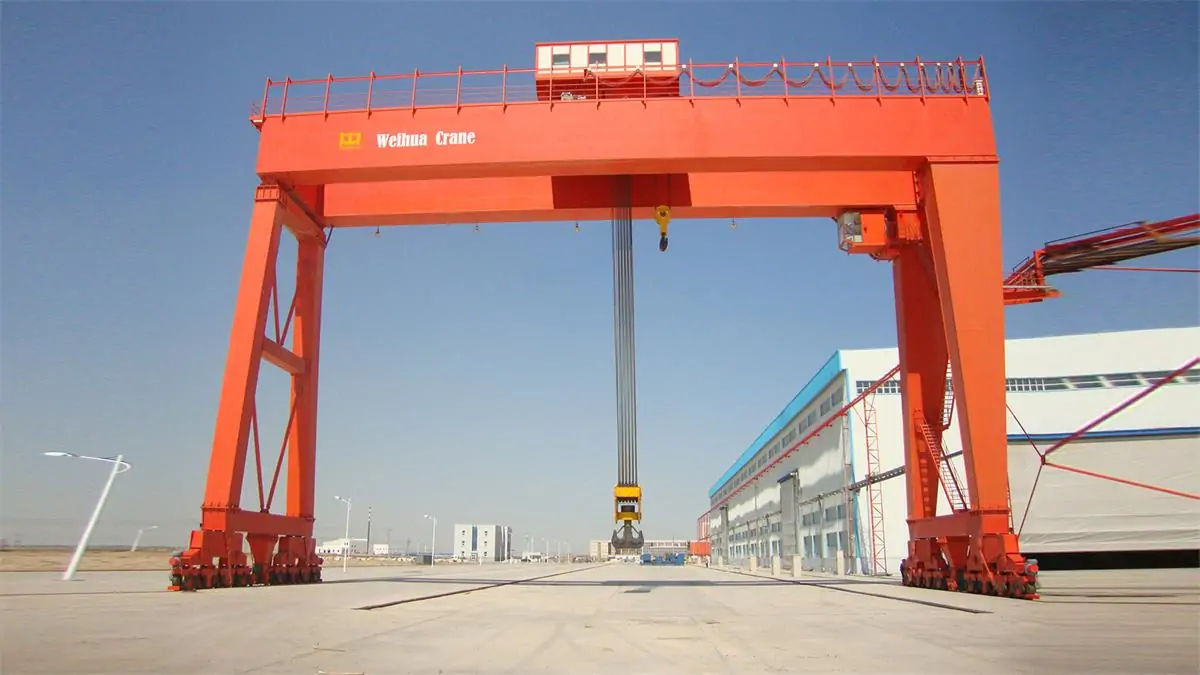
Shipbuilding gantry cranes are critical lifting equipment in shipyards, handling large steel structures, ship blocks, and heavy components throughout the construction process. Due to high loads, long operating hours, and harsh working environments, proper maintenance directly affects crane performance, safety, and service life. A well-planned Shipbuilding Gantry Crane Maintenance program helps reduce downtime and maintain stable lifting operations.
In this guide, we will introduce practical maintenance methods from daily inspection, key component servicing, maintenance schedules, common crane problems, and preventive measures. Based on our experience with industrial crane applications, we explain the main points that shipyards should focus on to keep gantry cranes operating reliably and efficiently.
What Is Shipbuilding Gantry Crane Maintenance?
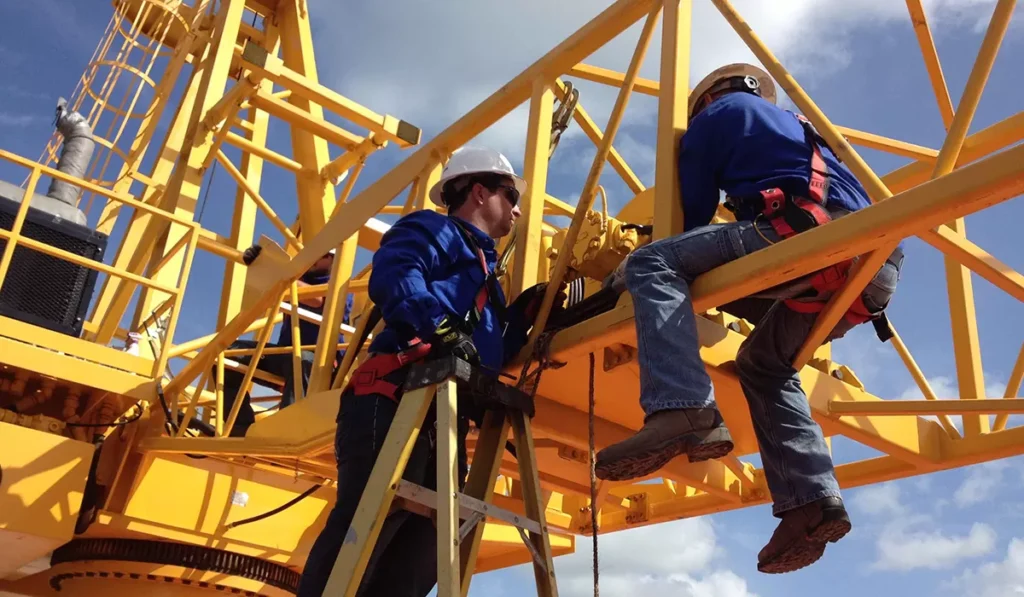
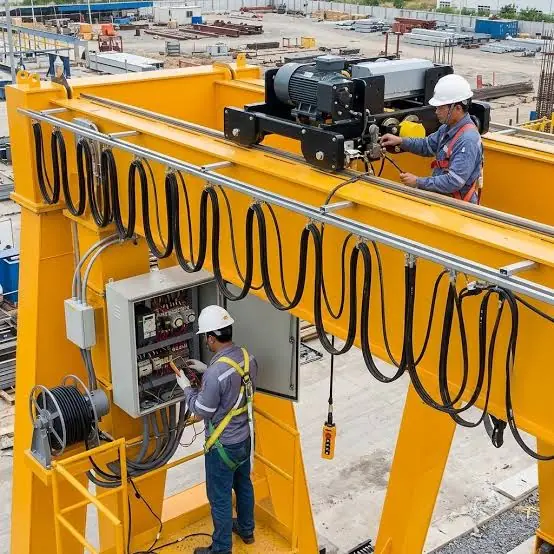
Shipbuilding Gantry Crane Maintenance is the inspection, adjustment, lubrication, and repair work performed on shipyard gantry cranes in proper working condition. The maintenance process covers the crane structure, hoisting system, traveling mechanism, electrical components, and safety equipment.
Regular maintenance includes checking wire ropes, hooks, brakes, motors, gearboxes, wheels, and control systems, along with replacing damaged or worn parts when needed. Since shipbuilding gantry cranes often handle heavy loads in outdoor environments, scheduled inspections and timely repairs help prevent equipment failures, reduce production interruptions, and maintain safe crane operation.
For an in-depth analysis of shipyard gantry cranes, see the article: “What Is a Goliath Crane in Shipbuilding?”
Why Is Regular Shipbuilding Gantry Crane Maintenance Important?
Shipyard gantry cranes handle heavy loads and often work for long hours. Regular Shipbuilding Gantry Crane Maintenance keeps the crane in working order and limits failures during lifting operations.
- 1. Prevent Safety Accidents: Checks can find worn parts, loose bolts, damaged wire ropes, and other faults before the crane is put into service.
- 2. Keep the Crane Running: Inspection and servicing of motors, brakes, gearboxes, and travel mechanisms reduce sudden stoppages during shipyard work.
- 3. Reduce Component Wear: Cleaning, lubrication, and timely replacement of worn parts help slow wear on mechanical and electrical components.
- 4. Avoid Production Delays: A crane breakdown can stop lifting and assembly work. Regular maintenance reduces unplanned downtime during ship construction.
- 5. Meet Inspection Requirements: Scheduled inspections and repairs by qualified personnel help keep the crane within applicable safety and operating requirements.
- 6. Control Repair Costs: Small faults are generally easier and less expensive to repair than major component damage caused by prolonged use.
Proper maintenance keeps shipbuilding gantry cranes in good condition, reduces equipment failures, and supports stable shipyard operations.
Shipbuilding Gantry Crane Maintenance Checklist
Shipbuilding gantry cranes operate under heavy loads, high humidity, salt spray, and strong wind conditions for long periods. Proper maintenance directly affects crane service life and shipyard production efficiency
| Inspection Item | Requirements |
|---|---|
| Wire Rope | Check for broken wires, deformation, corrosion, and proper lubrication condition |
| Hook and Pulley | Check for cracks, deformation, and proper function of safety latch |
| Brake System | Check brake clearance, braking response, and abnormal heat |
| Limit Switches and Safety Devices | Confirm reliable operation of limit switches and alarm systems |
| Wind Protection Devices | Check rail clamps and anchoring devices for proper function |
| Rails and Wheels | Inspect wheel tread wear, rail condition, and check for rail movement or wheel climbing |
| Electrical System | Check cable condition, contactor wear, and grounding connection |
| Lubrication Points | Add grease to bearings, gears, and connecting points according to maintenance requirements |
| Structural Welds | Inspect main beam and leg connections for fatigue cracks |
| High-Strength Bolts | Check bolt tightness and fastening condition |
| Load Limiter | Test lifting limit accuracy, with error within ±5% |
| Variable Frequency Drive System | Check running condition, vibration, and abnormal noise |
| Wheel Flange and Tread | Measure wear condition and repair or replace when required |
| Brake Friction Pads | Check wear thickness and replace if below the service limit |
| Rail Alignment and Elevation | Measure and adjust rail condition for smooth crane travel |
| Wind Resistance Test | Check rail clamps and anchoring devices under simulated strong wind conditions |
| Overall Structure Inspection | Perform structural inspection, stress testing, and fatigue assessment by qualified professionals |
| Wire Rope Replacement Assessment | Evaluate replacement needs based on broken wires, wear, and corrosion |
| Electrical Insulation Test | Check insulation resistance ≥1MΩ and grounding resistance ≤4Ω |
| Safety Monitoring System | Test data recording, video monitoring, and alarm functions |
A regular inspection and maintenance plan helps prevent structural damage, electrical faults, and wind protection failures. Proper servicing keeps shipbuilding gantry cranes in safe working condition.
Shipbuilding Gantry Crane Maintenance Schedule
Shipbuilding gantry crane maintenance is usually divided into five levels: daily inspection, monthly maintenance, quarterly inspection, semi-annual service, and annual overhaul. Each stage focuses on different equipment conditions and inspection depth. A planned maintenance schedule helps keep crane performance within operating requirements and reduces unexpected failures during shipyard operations.
Daily Inspection
Daily inspection is carried out by crane operators before operation. The focus is on checking the basic operating condition of the crane.
Main inspection items include:
- Checking the working area and travel path for obstacles
- Inspecting motors, drums and connection parts for loose components
- Checking brake clearance and braking response
- Inspecting wire rope condition and controller contacts
- Testing alarms, limit switches and safety devices
- Cleaning mechanical, electrical and surrounding areas
Monthly Maintenance
Monthly maintenance is performed by maintenance personnel and focuses on mechanical and electrical components.
Main tasks include:
- Lubricating bearings and moving parts
- Checking electrical insulation and wiring conditions
- Inspecting control panels, protective covers, and connection terminals
- Checking gearbox oil level and brake hydraulic system condition
- Inspecting fasteners, sealing parts, and protective equipment
- Checking hydraulic system leakage and oil condition
Quarterly Inspection
Quarterly inspection focuses on major structural and running components.
Main inspection items include:
- Checking structural connections and weld areas
- Inspecting wire ropes for broken wires, looseness, and wear
- Checking lubrication and corrosion condition of moving mechanisms
- Inspecting wheels, rails, and travel systems
- Checking wind protection devices such as rail clamps and anchoring systems
Semi-Annual Maintenance
Semi-annual maintenance involves a deeper inspection of the crane structure and main systems.
Main tasks include:
- Inspecting corrosion on steel structures and applying repair coatings when required
- Checking drive systems, pipelines, and electrical equipment
- Inspecting motors and replacing worn components if necessary
- Checking safety devices and control systems
- Reviewing operating records and previous repair history
Annual Overhaul
Annual overhaul is a complete inspection of the crane and its main components.
Main work includes:
- Inspecting main beams, supporting structures, and welding areas
- Checking lifting mechanisms, travel mechanisms, and electrical systems
- Testing insulation and grounding performance
- Evaluating wire rope replacement conditions
- Inspecting safety monitoring systems and protection devices
- Performing load tests and technical assessments according to applicable crane standards
A shipbuilding gantry crane maintenance plan should follow a fixed schedule with clear inspection records. Daily checks are normally completed by operators, while detailed maintenance and repair work should be carried out by qualified technicians or authorized service companies.
Common Shipbuilding Gantry Crane Problems and Solutions
Shipbuilding gantry cranes work under heavy loads and long operating cycles, which can lead to wear, component failures, and operating issues over time. Identifying common problems and taking proper corrective actions helps reduce downtime.
| Problem | Possible Cause | Solução |
|---|---|---|
| Wheel and rail wear | Wheel slipping during startup, excessive friction, improper wheel hardness, or rail alignment issues | Adjust startup control, check wheel tread hardness and rail alignment regularly, repair or replace damaged components |
| Gear reducer oil leakage | Poor sealing, loose bolts, casting defects, or damaged oil seals | Check sealing parts, tighten bolts according to requirements, and replace worn seals |
| Three-phase motor failure | Long-term overload operation causing insulation aging, short circuit or winding damage | Avoid overload operation, test insulation condition regularly, and repair or replace damaged windings |
| Reduced lifting capacity | Fuel system blockage, hydraulic system issues or transmission faults | Check filters, fuel lines and hydraulic pressure step by step, then inspect the drive system |
| Slow operating speed | Component wear, reduced motor output or hydraulic system leakage after long service | Repair or replace worn parts and carry out major maintenance when necessary |
| Loose structural connections | Long-term vibration causing bolts at main beams and legs to loosen | Inspect structural connections regularly and replace damaged bolts with the correct grade and specification |
| Gearbox bearing and gear damage | Heavy loads, vibration, and long-term operation under harsh conditions | Check lubrication, vibration, and gear condition; repair or replace damaged parts in time |
| Horizontal structural vibration | Trolley movement causing elastic vibration of the crane structure | Adjust operating control methods and check structural condition to reduce vibration impact |
Regularly inspect structural connections, wheel and rail wear, motors, gear reducers, and other key components. Establish a maintenance plan based on operating conditions and keep inspection records to identify problems before they affect crane operation.
How to Extend the Service Life of a Shipbuilding Gantry Crane?
Extending the service life of a Shipbuilding Gantry Crane requires proper maintenance, correct operation, and suitable equipment management. The following measures help reduce wear and maintain long-term operating performance.
- Follow a Maintenance Plan: Set regular inspection schedules for daily, monthly, and annual maintenance. Check structural cracks, wire ropes, brakes, wheels, and other wearing parts, and replace damaged components in time.
- Avoid Overload Operation: Keep lifting loads within the rated capacity and working level. Continuous overload or heavy-duty operation beyond design limits can accelerate structural fatigue and equipment wear.
- Maintain Electrical Systems: Use variable frequency drives to reduce startup impact. Check PLC, inverter, wiring, and protection circuits regularly. Proper electrical maintenance can reduce failures and lower energy consumption by about 30%.
- Protect Against Wind and Corrosion: For coastal shipyards, inspect rail clamps, anchors, and wind protection devices regularly. Apply moisture and salt spray protection to electrical components to reduce corrosion.
- Use Wear-Resistant Parts: Choose durable components for wheels, wire ropes, and pulleys. Heat-treated forged pulleys provide higher hardness and impact resistance, reducing replacement frequency.
- Monitor Operating Conditions: Install monitoring systems to check vibration, temperature, and abnormal noise. Early detection helps prevent small faults from causing major repairs.
- Improve Operator Skills: Operators should follow lifting procedures and avoid sudden starts or stops. Smooth acceleration reduces wheel and rail wear, especially during the first 2 seconds of startup.
- Perform Safety Assessments: For older cranes, arrange inspections by qualified organizations. Structural condition and safety performance should be checked before extending service time.
- Design for Easy Maintenance: Modular structures and simplified control systems make part replacement easier and reduce maintenance downtime.
- Manage Lubrication and Temperature: Keep operation temperature within -20℃ to +40℃. Check gearbox oil and bearing grease regularly, and adjust lubrication intervals according to working conditions.
A longer service life depends on regular maintenance, correct loading, quality components, and proper operation. A clear maintenance system helps reduce failures and control long-term operating costs.
For detailed guidelines on selecting the right shipyard gantry crane, see: Shipyard Gantry Crane Selection Guide: Capacity, Structure, and Application
Conclusão
Regular Shipbuilding Gantry Crane Maintenance helps maintain safe lifting operations, reduce unexpected downtime, and extend crane service life. Daily inspections, scheduled maintenance, and professional checks keep large gantry cranes working reliably in demanding shipyard environments.
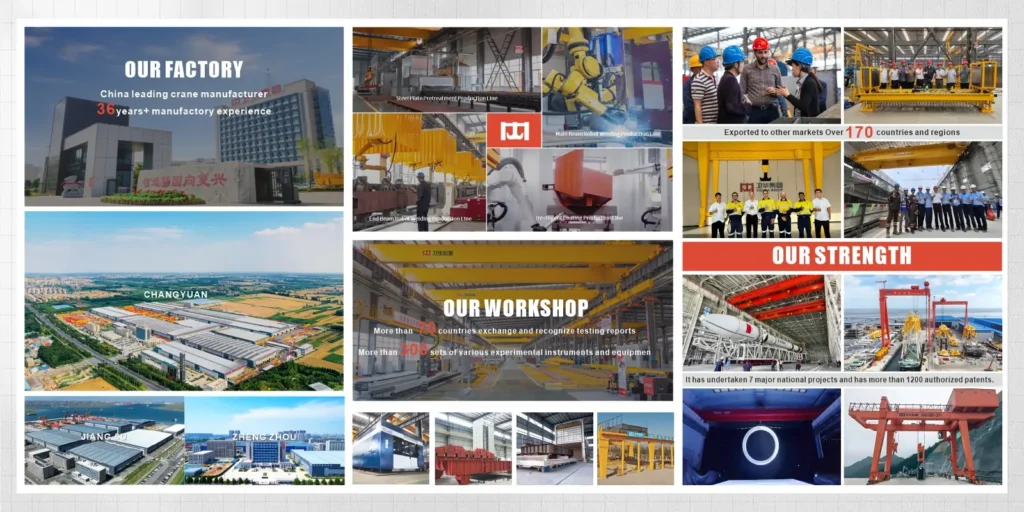
As a shipbuilding gantry crane manufacturer, WEIHUA provides customized crane designs, technical support, and maintenance services based on different shipyard applications. Contacte-nos for suitable shipyard gantry crane solutions.
FAQ
How often should a shipbuilding gantry crane be inspected?
Daily operator checks should be performed before operation, while detailed inspections are usually scheduled monthly, quarterly, and annually based on working conditions.
What components need the most maintenance on a shipyard gantry crane?
The hoisting mechanism, wire rope, brake system, electrical system, wheels, and steel structure require frequent inspection.
How can I reduce shipbuilding gantry crane downtime?
Preventive maintenance, regular inspections, and timely replacement of worn components can reduce unexpected failures.
How long does a shipbuilding gantry crane last?
With proper maintenance, a high-quality shipbuilding gantry crane can typically operate for several decades.
Does a shipbuilding gantry crane require annual inspection?
Yes. Annual inspection is recommended to evaluate structural condition, safety devices, and major operating components.
What causes shipyard gantry crane failures?
Common causes include component wear, insufficient lubrication, electrical faults, corrosion, and improper operation.
Can shipbuilding gantry crane maintenance be customized?
Yes. Maintenance plans can be customized based on crane capacity, working environment, operation frequency, and lifting requirements.
Who should maintain a shipbuilding gantry crane?
Maintenance should be performed by trained technicians familiar with crane mechanical, electrical, and safety systems.