



Tabla de contenidos
Introducción
Overhead cranes play an important role in factory material handling, and choosing the right crane structure directly affects lifting efficiency, operating safety, and long-term costs. Single vs double girder cranes are two common solutions used in different working conditions, but their design, performance, and applications vary significantly.
In this guide, I will compare single vs double girder cranes from several practical aspects, including structure, lifting capacity, working conditions, cost, maintenance, and application areas. By analyzing the key differences, this article helps you understand which crane type is more suitable for your workshop and production requirements.
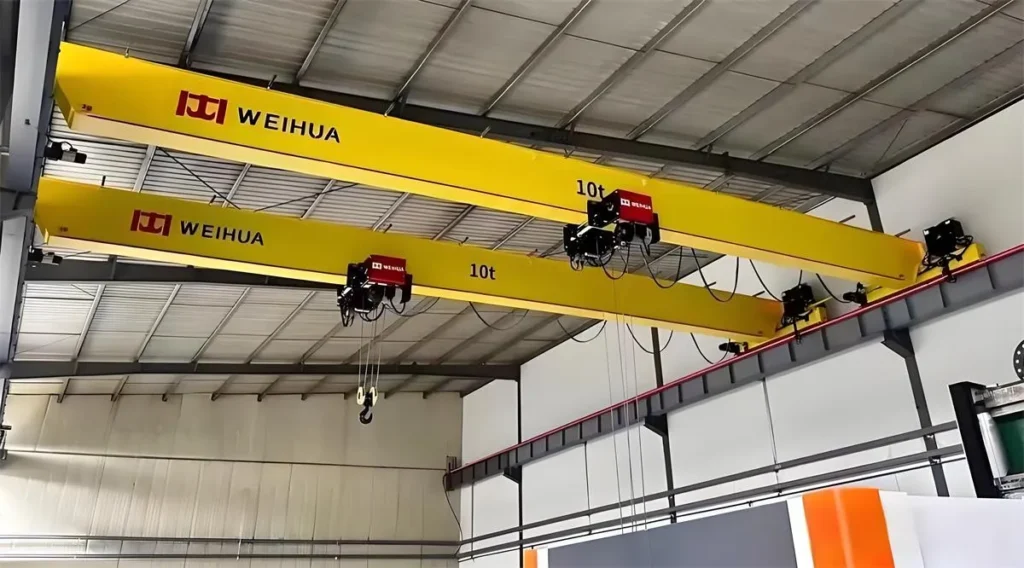

What Is a Single Girder Crane?
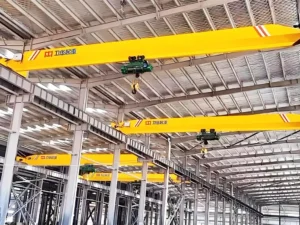
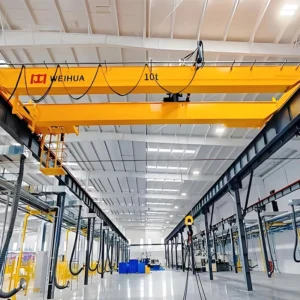
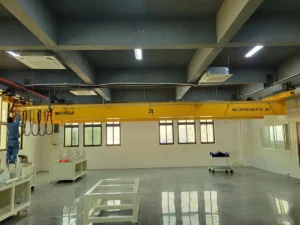
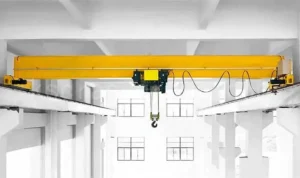
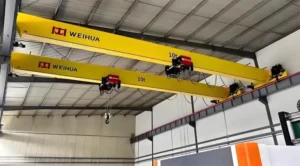
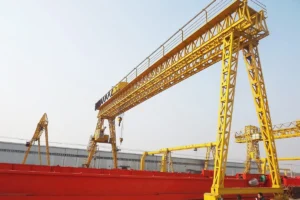
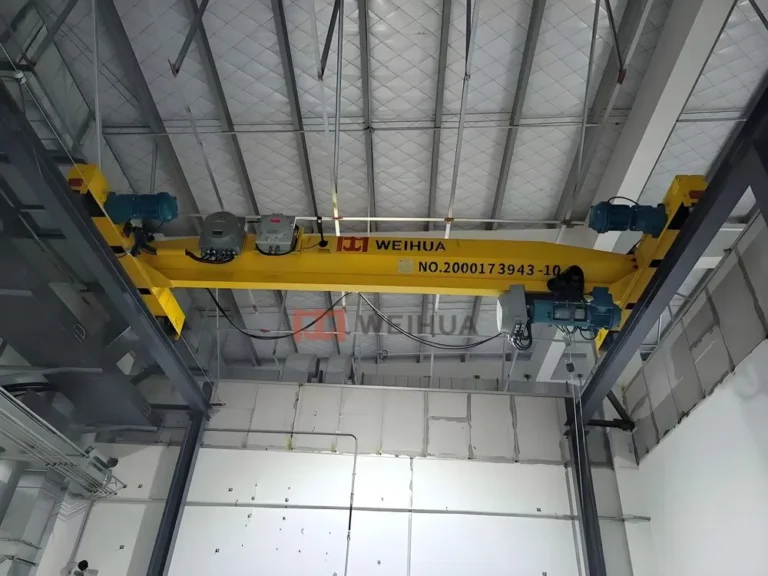
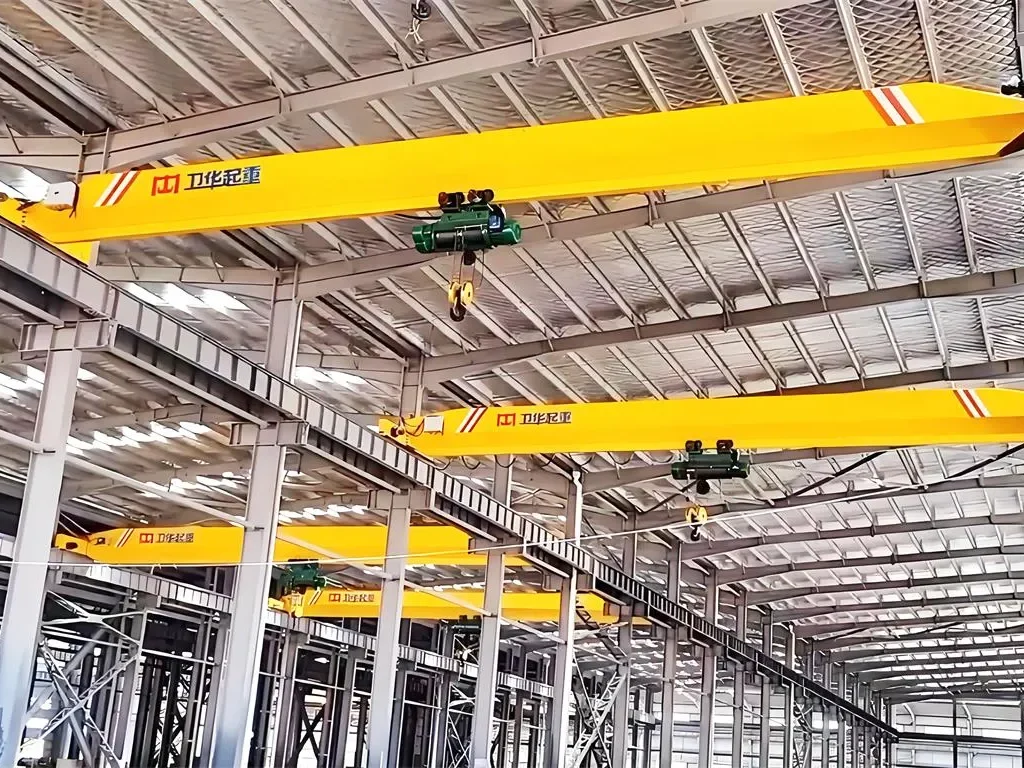
A single girder crane is an overhead lifting system that uses one main bridge girder supported by end trucks running along elevated runway rails. The electric hoist moves along the lower flange of the girder, while the bridge travels horizontally on the runway system. With a compact structure and lightweight design, it is widely used for light and medium-duty material handling applications.
Ventajas
- Lower Investment Cost: The simplified structure reduces manufacturing, transportation, and installation costs.
- Compact Design: The hoist runs under the main girder, requiring less vertical space and improving lifting height in low-clearance buildings.
- Lightweight Structure: Lower crane self-weight reduces the load requirements on the supporting structure.
- Easy Maintenance: The simple design and standardized components make maintenance and spare parts management easier.
- Quick Installation: Standardized configurations shorten production and installation time.
Aplicaciones
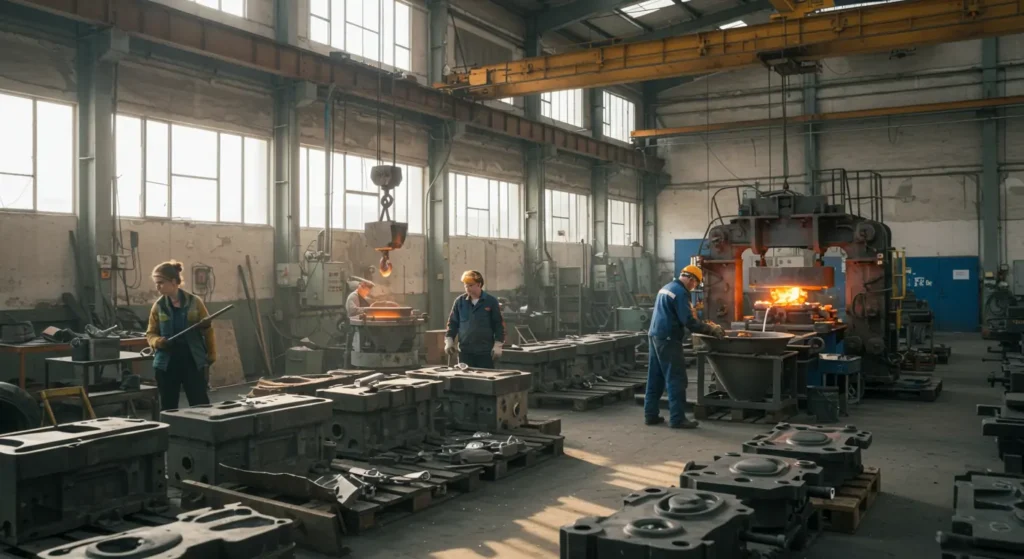
Manufacturing Workshops
Used for component handling, assembly line support, and material transfer between production processes.
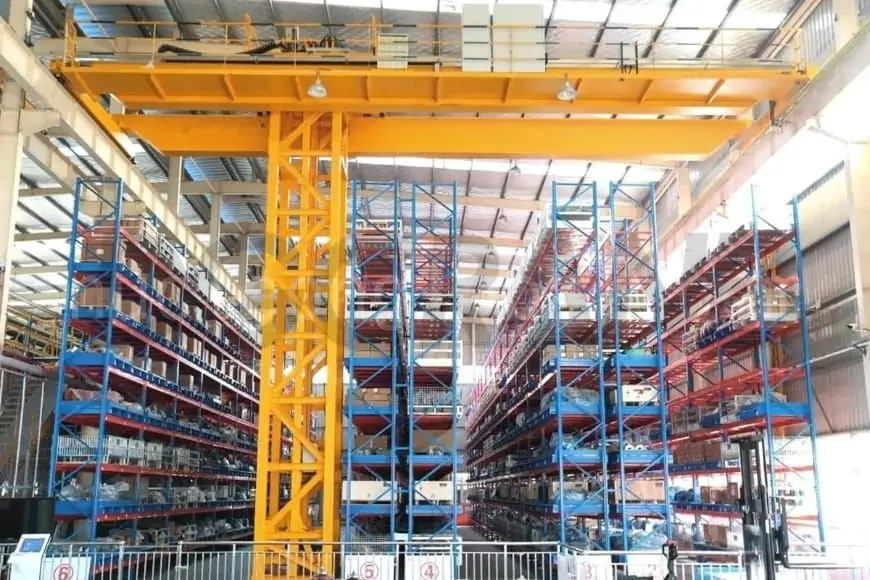
Warehouses and Logistics Centers
Applied for loading, unloading, stacking, and moving general goods inside storage areas.
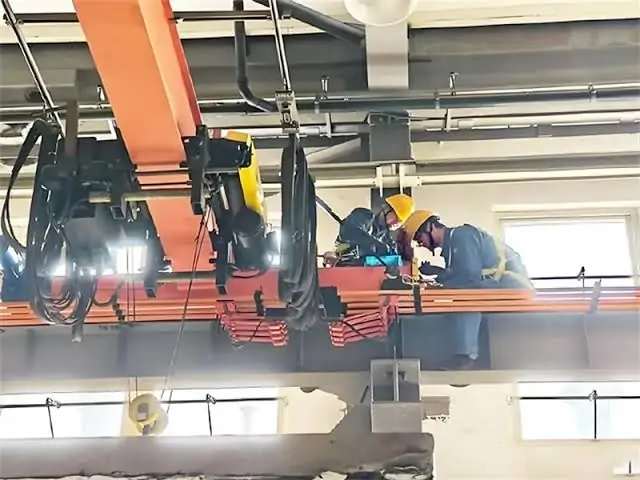
Maintenance Workshops
Used for equipment repair, vehicle maintenance, and lifting of engines, spare parts, and other components.
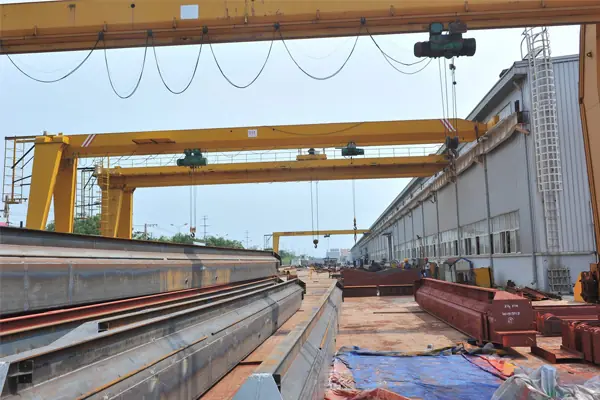
Steel Structure Processing Plants
Suitable for handling steel plates, profiles, welded structures, and fabricated parts during production.
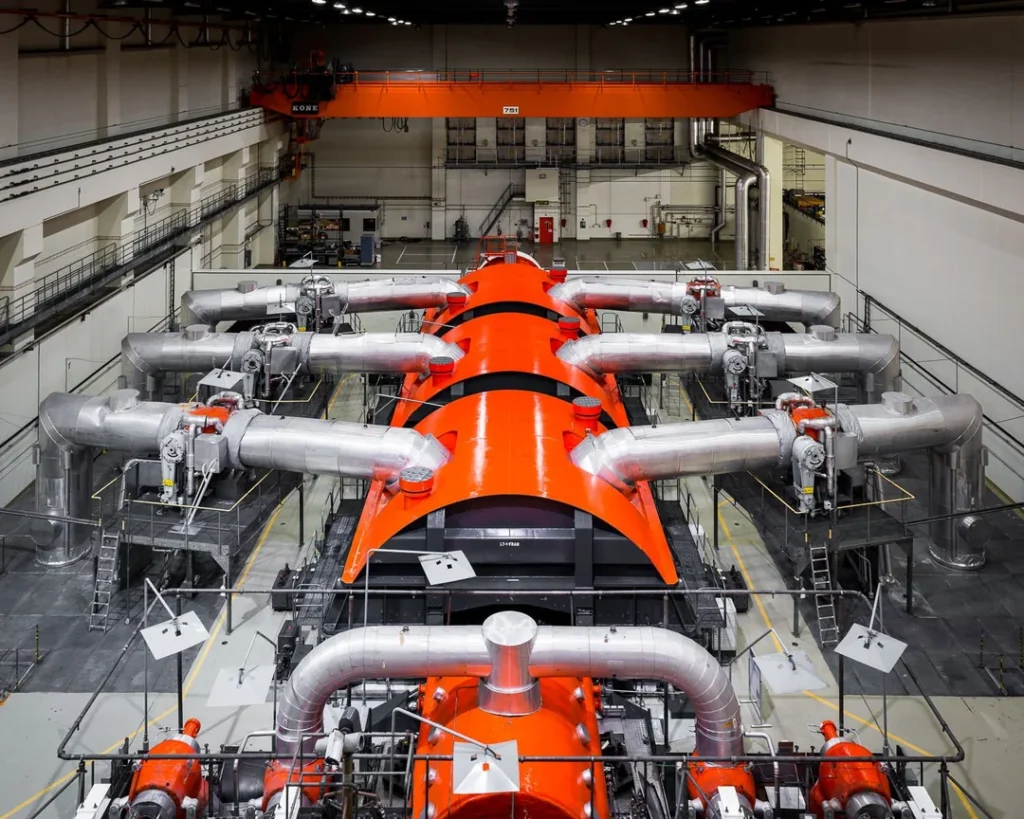
Pump Stations and Power Facilities
Used for installation, inspection, and maintenance of pumps, motors, transformers, and other equipment.
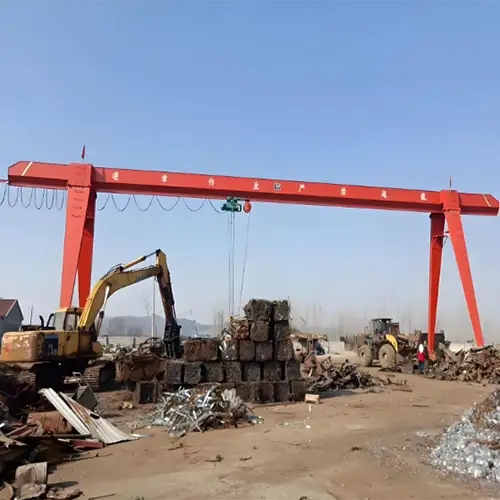
Outdoor Storage Yards
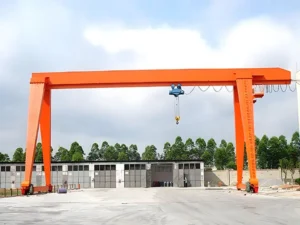
Used with electric hoists for material loading and transfer in open areas where traditional support structures are not available.
Especificaciones
| Parámetro | Rango típico |
|---|---|
| Capacidad de elevación | 0.5–20 Ton (up to 32 Ton for customized models) |
| Español | 7.5–31.5 m (Customizable) |
| Altura de elevación | 6–30 m |
| Clase trabajadora | A3–A5 |
| Hoisting System | CD1/MD1 Wire Rope Hoist or Chain Hoist |
| Bridge Traveling Speed | 20–30 m/min (Variable frequency control available) |
| Velocidad de desplazamiento del trolebús | About 20 m/min |
| Método de control | Pendant Control, Wireless Remote Control, Operator Cabin |
| Fuente de alimentación | 380V/50Hz Three-phase AC (Other voltages available) |
| Temperatura de funcionamiento | -25℃ to +40℃ |
| Installation Environment | Indoor or outdoor applications (not suitable for explosive or highly corrosive environments) |
The single girder crane usually adopts a box-type main girder structure and works with CD1 or MD1 electric wire rope hoists. Its lightweight design, compact structure, and low wheel load make it a practical choice for general material handling operations.
For a more detailed explanation of the structure and operating principles, see the article: “What Is a Single-Girder EOT Crane? Structure, Working Principle, and Applications”
What Is a Double Girder Crane?
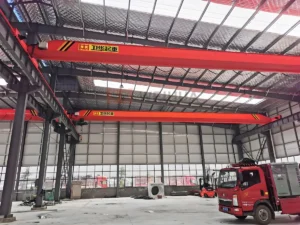
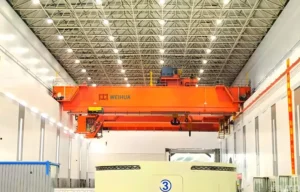
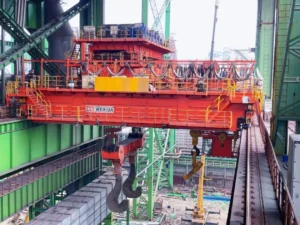
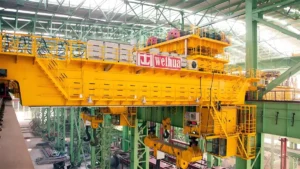
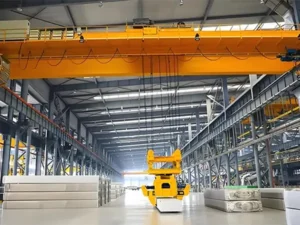
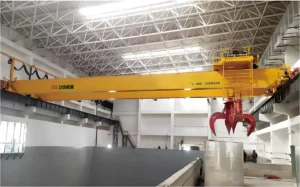
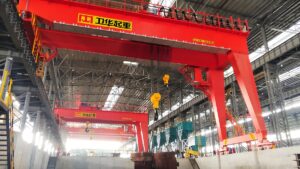
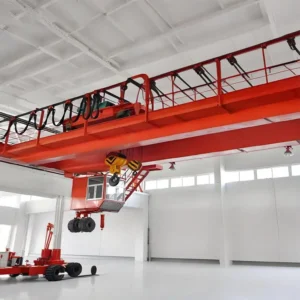
A double girder crane is an overhead lifting system that uses two parallel main girders supported by end trucks running on elevated runway rails. The trolley and hoisting mechanism travel on rails installed above the two girders, providing higher lifting height, stronger load capacity, and better stability compared with single girder cranes.
Ventajas
- Higher Lifting Capacity: Suitable for heavy loads from 5 tons to hundreds of tons, with customized designs available for special lifting requirements.
- Longer Span Capability: The two-girder structure allows wider working areas without additional support columns.
- Higher Lifting Height: The trolley runs on top of the girders, providing better hook height and maximizing vertical space.
- Strong Structure and Stability: Box-type girders provide high strength and rigidity for smooth operation under heavy loads.
- Better Load Distribution: Two main girders share the lifting load, reducing stress on individual components and improving service life.
- Flexible Configurations: Available with different hoisting systems, control methods, and options such as explosion-proof designs for special working environments.
- Suitable for Frequent Operation: Designed for production lines requiring repeated lifting, starting, and braking cycles.
Aplicaciones
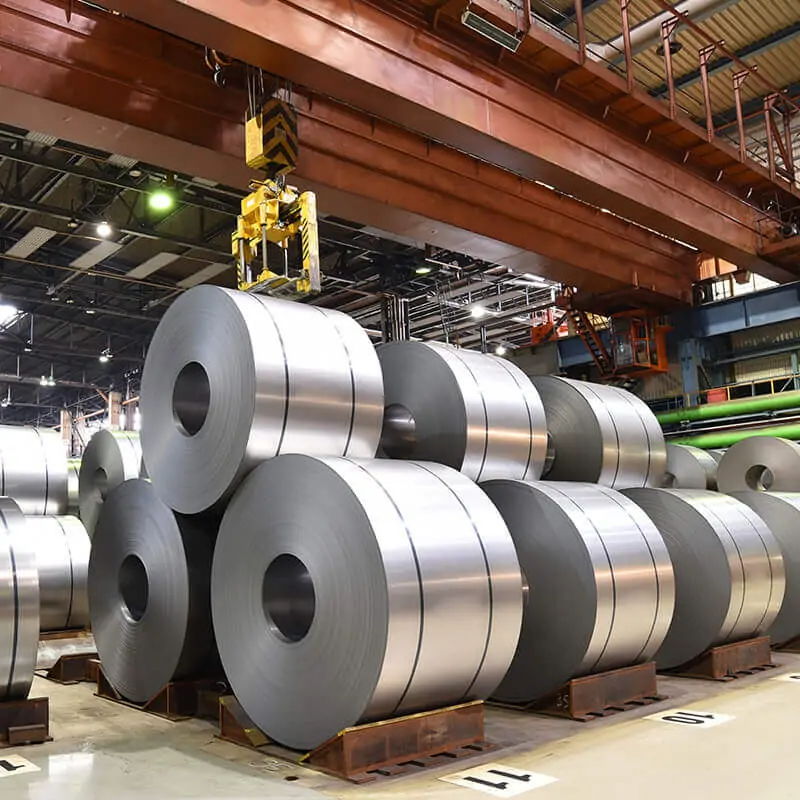
Steel Mills and Metal Processing Plants
Used for handling steel coils, slabs, molten metal containers, and heavy steel components.
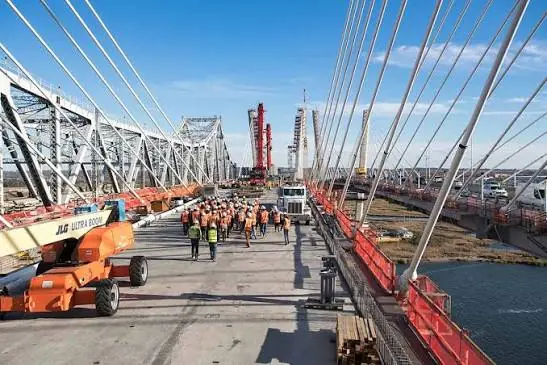
Construction Projects
Applied for lifting precast concrete parts, steel structures, and large machinery.
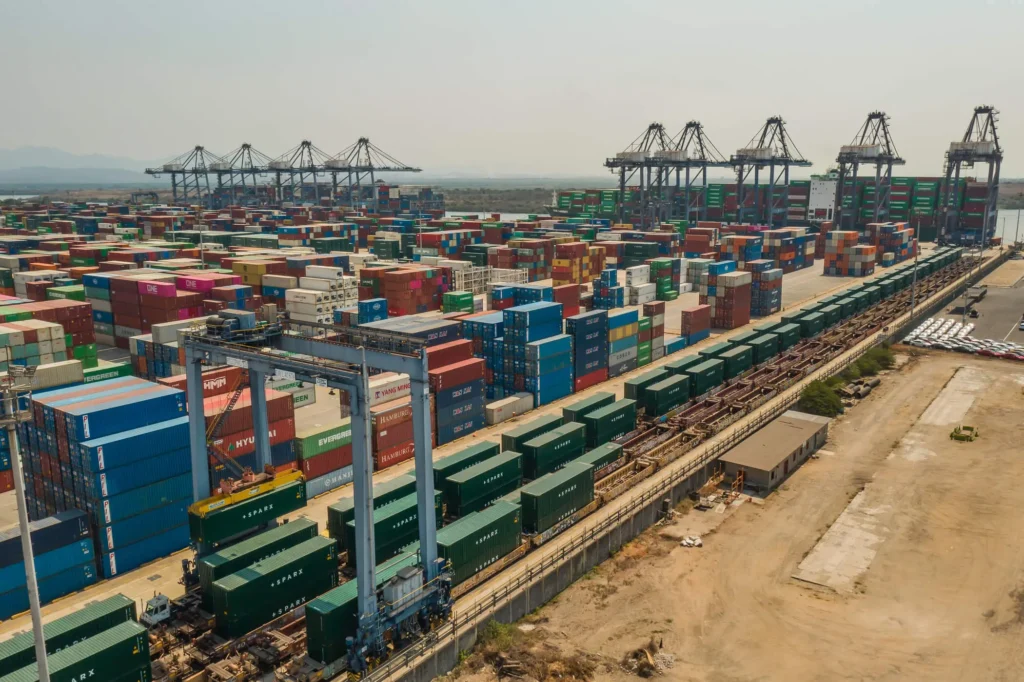
Ports and Shipping Yards
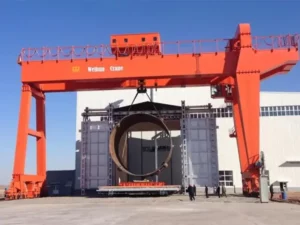
Used for container handling, bulk cargo transfer, and heavy equipment movement.
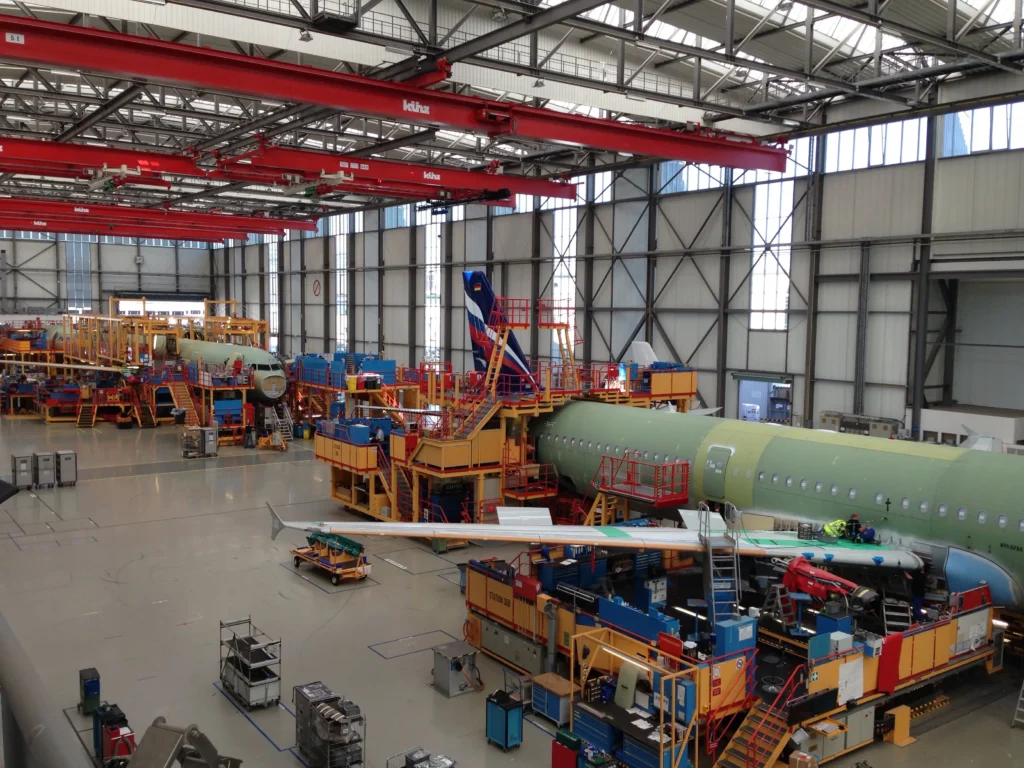
Aerospace Facilities
Used for precision lifting and transportation of aircraft components and other large structures.
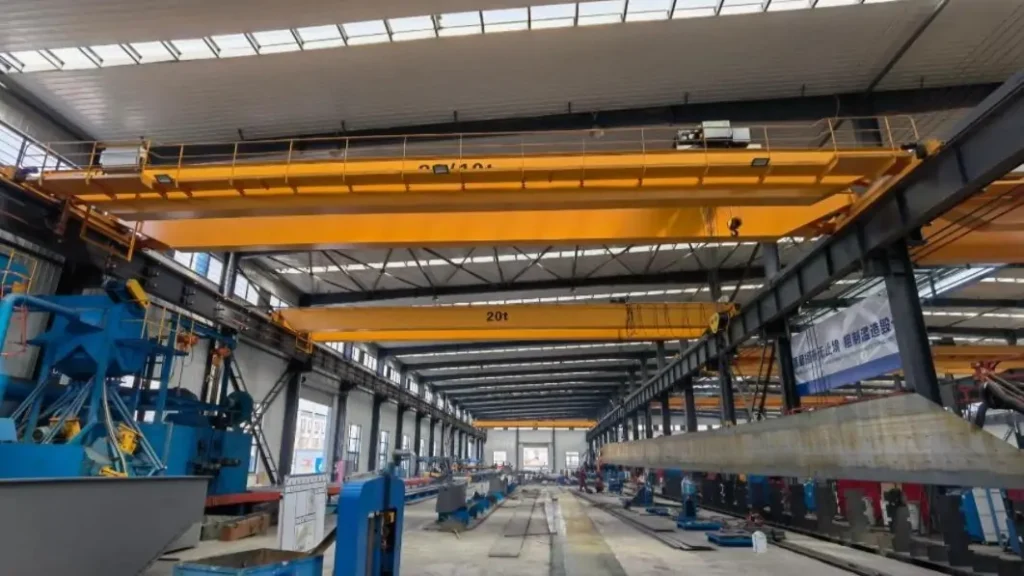
Large Warehouses and Logistics Centers
Used for heavy material storage and internal transportation.
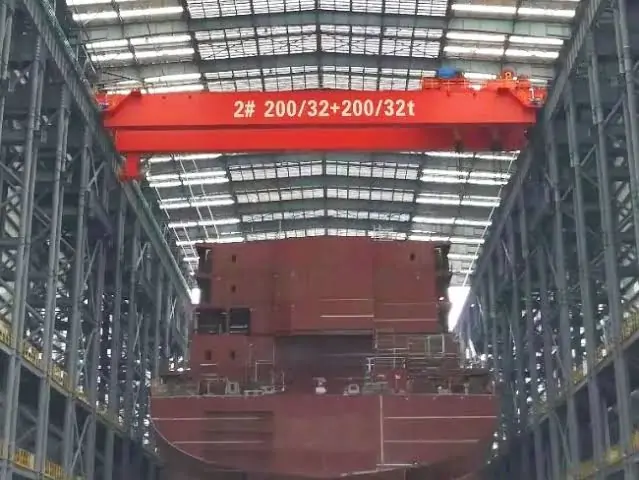
Shipyards
Suitable for ship section assembly and transportation of marine equipment.
Especificaciones
| Parámetro | Especificación |
|---|---|
| Capacidad de elevación | 5–320 Ton (Customized up to higher capacity) |
| Español | 7.5–31.5 m (Customizable) |
| Altura de elevación | 15–26 m (Customizable) |
| Clase trabajadora | A5–A6 |
| Hoisting System | Electric Wire Rope Hoist or Trolley System |
| Velocidad de desplazamiento | Variable Frequency Control Available |
| Método de control | Pendant Control, Wireless Remote Control, Operator Cabin |
| Fuente de alimentación | 110V/220V/380V/440V or Customized |
| Temperatura de funcionamiento | -15℃ to +45℃ |
| Installation Environment | Indoor or Outdoor Applications; Explosion-Proof Options Available |
Compared with single vs double girder cranes are better suited for applications requiring higher capacity, longer working hours, and strict operational requirements. The crane configuration can be customized according to lifting capacity, workshop layout, and working conditions.
For a more detailed explanation of the structure and operating principles, see the article: “What Is a Double-Girder EOT Crane? Structure, Working Principle, and Applications”
Single vs Double Girder Crane: Key Differences
Single vs double girder cranes are the two main types of overhead cranes used in industrial material handling. Their differences mainly come from the bridge structure, load capacity, working conditions, and application requirements. The right choice depends on factors such as lifting capacity, span, duty class, budget, and building conditions.
| Comparison | Single Girder Crane | Double Girder Crane |
|---|---|---|
| Estructura | One main girder with a simple and lightweight design | Two main girders with higher structural strength and rigidity |
| Capacidad de elevación | Usually 1–20 tons | Typically 5–320 tons, with higher capacities available |
| Español | Suitable for short and medium spans | Suitable for longer spans and wider working areas |
| Altura de elevación | Lower hook height due to hoist position under the girder | Higher lifting height with trolley running above the girders |
| Operation Method | Mainly pendant control or wireless remote control | Remote control or operator cabin available |
| Clase trabajadora | Suitable for A3–A5 light and medium-duty applications | Suitable for A5–A6 heavy-duty operations |
| Stability | Stable for general lifting tasks | Higher rigidity and better resistance to load impact and deflection |
| Cost | Lower material usage and lower investment cost | Higher cost due to stronger structure and additional components |
| Installation & Maintenance | Simple structure, easier installation and maintenance | More complex installation and maintenance requirements |
| Building Requirements | Lightweight design requires lower supporting capacity | Requires stronger runway structures due to higher self-weight |
| Running Performance | Suitable for standard material handling | Better speed control and performance for frequent operation |
Single girder cranes focus on cost efficiency and simple material handling, while double girder cranes provide higher capacity, stronger stability and better performance for heavy-duty applications.
Single vs Double Girder Crane: Which One Should You Choose?
Choosing between a single vs double girder crane depends on several factors, including lifting capacity, span, working frequency, installation conditions, and budget. Each crane type has its own advantages and is designed for different operating requirements.
Choose a Single Girder Crane
- Light to Medium Loads (Usually ≤20 Tons)
Single girder cranes are suitable for handling general loads in small and medium workshops, such as 5-ton and 10-ton lifting applications. - Limited Space or Short Span
With a compact and lightweight structure, single girder cranes are suitable for workshops with limited headroom and smaller working areas. - Lower Investment Budget
The simple design reduces material usage, installation costs, and maintenance expenses, making it an economical solution for standard lifting tasks. - Moderate Working Frequency
Single girder cranes are suitable for A3–A5 duty classes and applications with normal lifting cycles. - Ground-Level Operation Required
They are commonly operated by pendant control or wireless remote control without requiring a dedicated operator cabin.
Choose a Double Girder Crane
- Heavy Loads Are Required (Usually Above 20 Tons)
Double girder cranes provide higher load capacity and are widely used for heavy lifting in steel plants, machinery manufacturing and large industrial facilities. - Long Span and Large Working Areas
The two-girder structure is suitable for large workshops, production lines, ports and storage yards requiring wider coverage. - Higher Stability and Precision Are Needed
The stronger bridge structure provides better rigidity, load balance and resistance to vibration or impact during operation. - Frequent and Continuous Operation
Double girder cranes are designed for higher working classes and long-term heavy-duty applications. - Higher Lifting Height Is Required
The trolley running on top of the girders provides greater hook height, making them suitable for facilities requiring more vertical clearance.
Single girder cranes are a cost-effective choice for light loads, shorter spans and general material handling tasks. Double girder cranes are better suited for heavy loads, large spans and high-frequency industrial operations. The final selection should be based on actual lifting requirements, workshop conditions and long-term operating costs rather than initial purchase price alone.
Single vs Double Girder Crane Cost Comparison
The main cost difference between single vs double girder cranes comes from the structure design. Single girder cranes use fewer materials and have a lighter structure, which reduces manufacturing, transportation, and installation costs. Double girder cranes require more steel and a stronger structure, resulting in a higher initial investment but better performance for heavy-duty applications.
| Factor de costo | Single Girder Crane | Double Girder Crane |
|---|---|---|
| Manufacturing Cost | Lower cost with less material usage and simpler structure | Higher cost due to two girders and stronger components |
| Transportation Cost | Lower due to lighter weight and compact design | Higher due to larger size and heavier structure |
| Costo de instalación | Easier installation with shorter setup time | More complex installation and assembly process |
| Costo de Mantenimiento | Lower maintenance requirements | Higher maintenance cost due to more components |
Price Range
Actual crane prices vary depending on lifting capacity, span, working class, configuration, and customization requirements.
- Single Girder Crane: Around USD 4,500–15,000/unit (Example: 12-ton crane)
- Double Girder Crane: Around USD 25,000–90,000/unit (Example: 40-ton crane)
Which Crane Offers Better Value?
Cost should not be the only factor when selecting a crane. The right choice depends on the actual working conditions:
- Choose a Single Girder Crane: Suitable for lifting capacities to 20 tons, shorter spans, moderate working frequency, and projects where installation cost needs to be controlled.
- Choose a Double Girder Crane: Suitable for heavy loads, longer spans, higher working classes, and applications requiring greater lifting height and operational stability.
In general, single girder cranes provide a more economical solution for standard lifting tasks, while double girder cranes offer better long-term performance for heavy-duty industrial operations.
For more details, see the article: Overhead Crane for Sale: Prices, Types & Specs Guide (2026)
How to Choose the Right Girder Crane for Your Factory?
Choosing the right girder crane depends on your lifting requirements, workshop conditions, and operating needs. A suitable crane should match the load, working frequency, and installation environment.
1. Confirm the Lifting Capacity
Load weight is the first factor to check.
- Single girder cranes are commonly used for loads up to 20 tons.
- Double girder cranes are suitable for heavier loads and frequent lifting operations.
2. Check Span and Building Height
Workshop space directly affects crane selection.
- Single girder cranes fit smaller spans and low-headroom buildings.
- Double girder cranes are better for large spans and applications requiring higher lifting height.
3. Consider Working Frequency
Select the crane according to daily operating conditions.
- Light-duty handling usually uses A3–A5 class cranes.
- Continuous production and heavy-duty work require higher duty classes such as A5–A6.
4. Review the Working Environment
Consider the installation location and operating conditions, including:
- Indoor or outdoor use
- Temperature range
- Dust or corrosive environments
- Explosion-proof requirements
5. Compare Cost and Long-Term Use
Single girder cranes have lower purchase and installation costs, making them suitable for general material handling. Double girder cranes require higher investment but provide greater capacity and stability for heavy-duty applications.
6. Select a Suitable Crane Supplier
A professional crane manufacturer can provide customized solutions based on lifting capacity, span, workshop layout, and control requirements.
Single girder cranes are suitable for light and medium-duty applications, while double girder cranes are designed for heavy loads and demanding working conditions. The final choice should match your actual production needs.
Conclusión
Single vs double girder cranes are designed for different lifting requirements. Single girder cranes offer a cost-effective solution for light and medium-duty material handling, especially in workshops with limited space and moderate lifting needs. Double girder cranes are better suited for heavy loads, large spans, and frequent industrial operations where higher strength and stability are required.
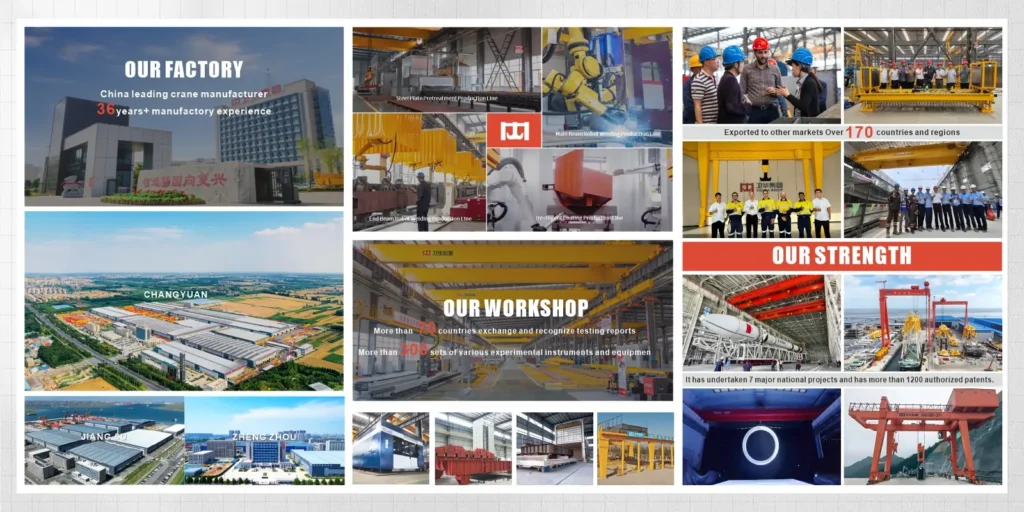
The right choice depends on lifting capacity, working frequency, factory layout, and long-term operating requirements. As an experienced overhead crane manufacturer, WEIHUA provides customized single girder and double girder crane solutions for different industries, including crane design, manufacturing, and after-sales support. Contáctanos for a suitable crane solution based on your application.
Preguntas frecuentes
What is the difference between a single vs double girder crane?
The main difference is the bridge structure. A single girder crane uses one main girder and is designed for light to medium-duty lifting, while a double girder crane uses two main girders to provide higher load capacity, better stability, and longer service life for heavy-duty applications.
Which crane is cheaper, single or double girder?
A single girder crane is cheaper than a double girder crane because it uses fewer materials, has a simpler structure, and requires lower installation costs. Double girder cranes have a higher initial cost due to their larger structure and stronger components.
Is a double girder crane stronger than a single girder crane?
Yes. A double girder crane has two main girders, which provide higher rigidity, better load distribution, and stronger resistance to deformation. It is more suitable for heavy loads and frequent operation.
What is the maximum capacity of a single girder crane?
A standard single girder crane usually handles loads up to 20 tons. Customized models can be designed for higher capacities depending on the application requirements.
When should I use a double girder crane?
A double girder crane is recommended for applications requiring heavy lifting capacity, long spans, high lifting height, or continuous operation, such as steel plants, shipyards, and heavy machinery factories.
Can a single girder crane be customized?
Yes. Single girder cranes can be customized according to lifting capacity, span, lifting height, control method, power supply, and workshop conditions.
Which crane requires less maintenance?
Single girder cranes generally require less maintenance because of their simpler structure and fewer components. Double girder cranes need more maintenance due to their larger size and more complex systems.
How long does an overhead crane last?
The service life of an overhead crane depends on working conditions, operation frequency, maintenance, and component quality. With proper maintenance, many overhead cranes can operate reliably for 15–30 years or longer.





 English
  Русский
  العربية
  Français
  Português
  Español