- ProductoEquipoPrecisión de Potencia, Personalización Solución de GrúasCorreo electrónicoWhatsApp / Wechat:+8613781917315Dirección:N.º 18, carretera Shanhai, ciudad de Changyuan, provincia de Henan, China
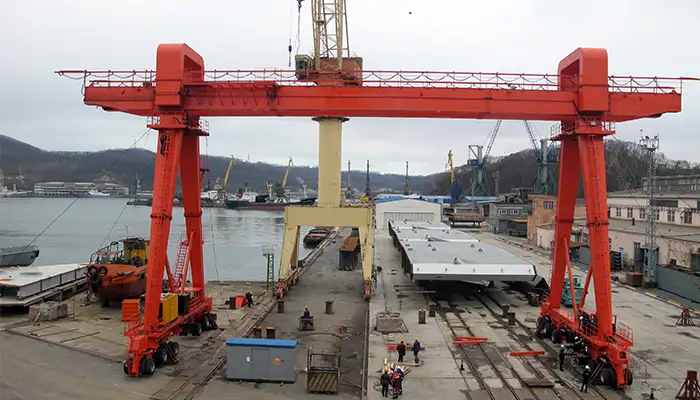
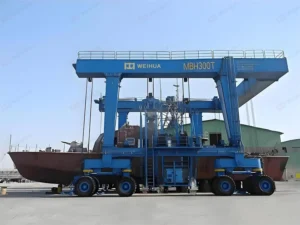
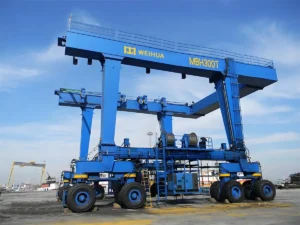
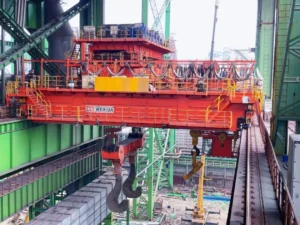
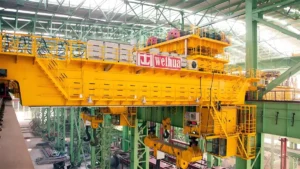
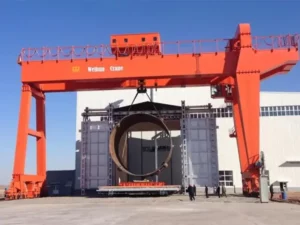
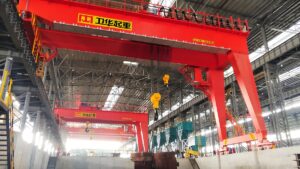
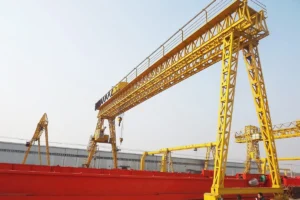
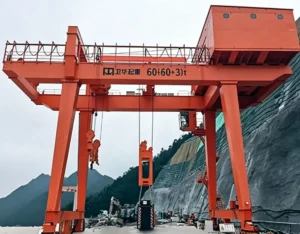
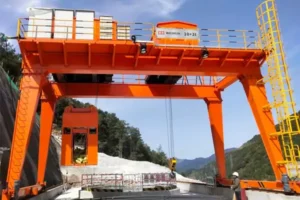
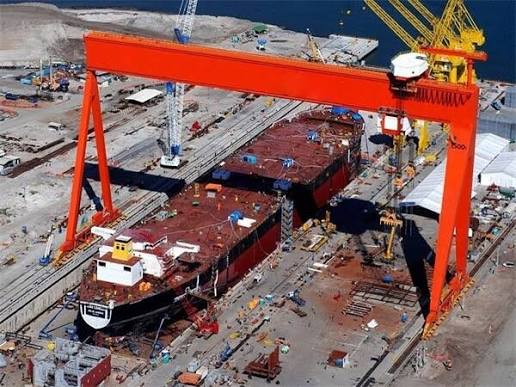
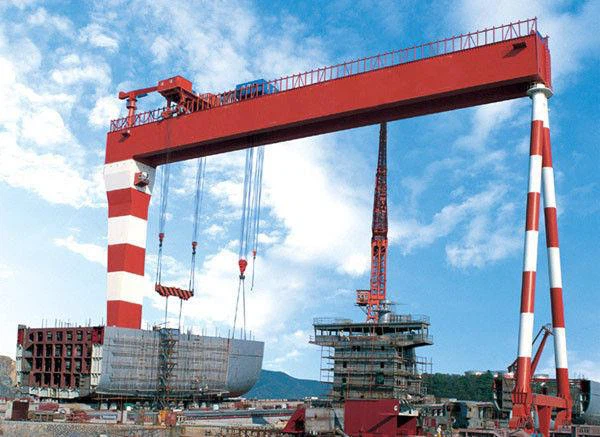
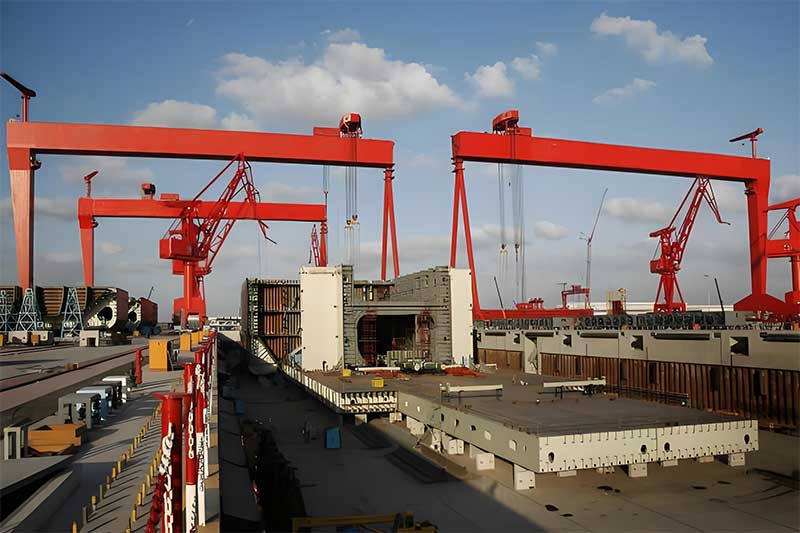
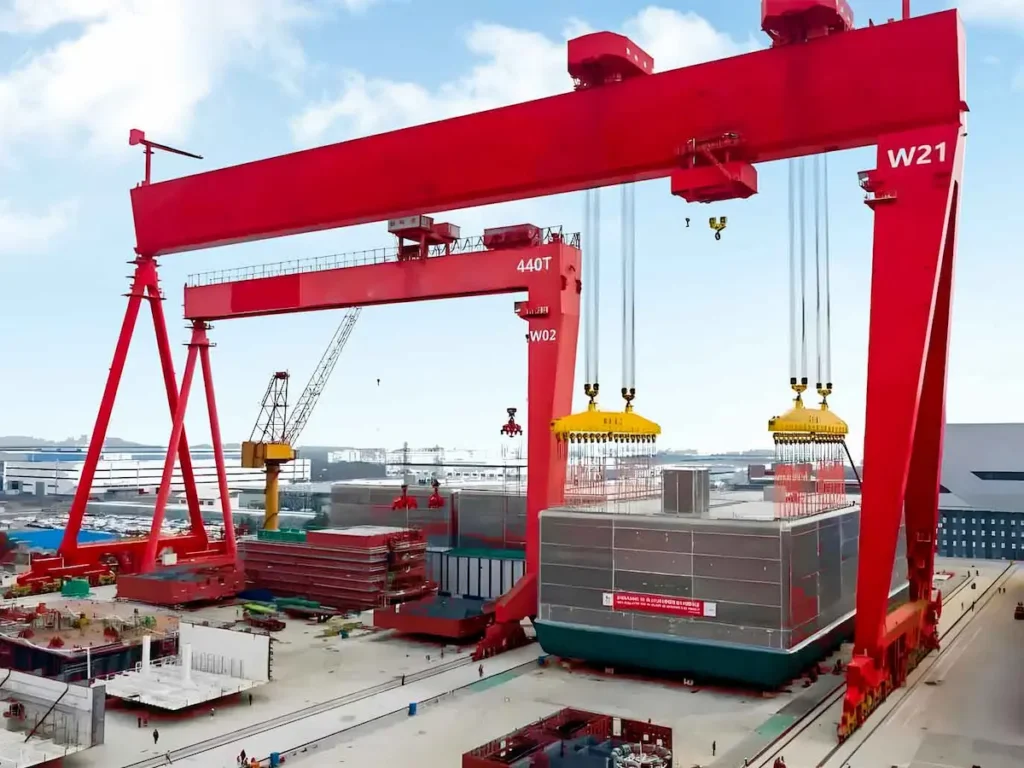
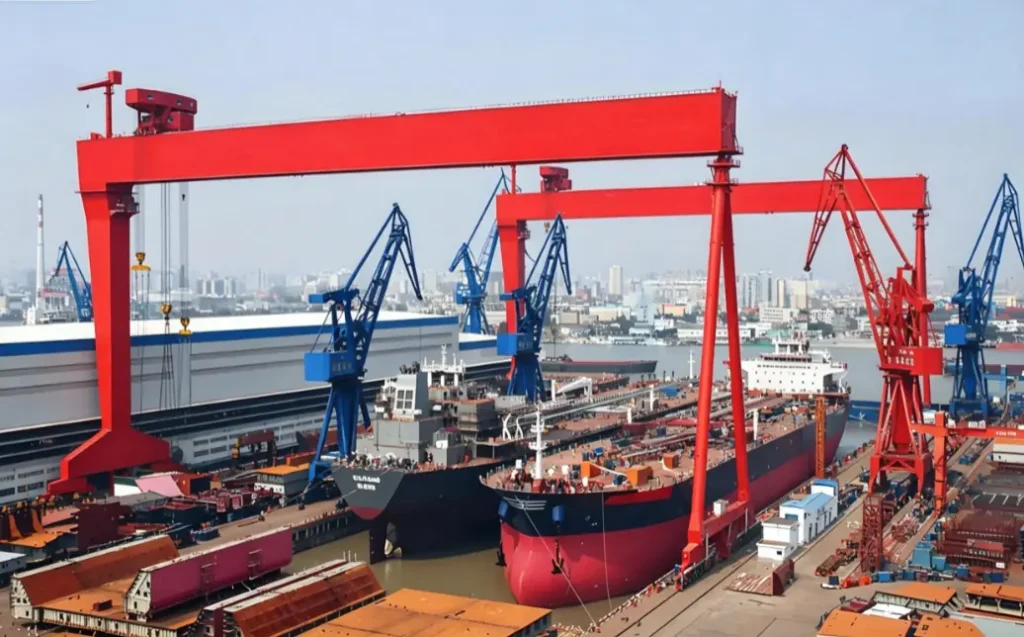
A Shipyard Gantry Crane, also known as a shipbuilding gantry crane, marine gantry crane, or shipyard portal crane, is a heavy-duty lifting machine designed for ship construction, ship section assembly, and large marine equipment handling. It is mainly installed in shipyards, dry docks, and shipbuilding areas to lift, transport, and position large hull blocks and heavy components.
The crane is built with a high-strength gantry structure, large-span design, and a precise control system to handle complex shipbuilding operations. With lifting capacities commonly ranging from 50 tons to over 1000 tons, it is used for hull block turnover, ship section alignment, assembly and installation of large equipment.
Designed for harsh marine environments, the crane features rigid steel structures, corrosion-resistant treatment, and adjustable working parameters. The span, lifting height, and duty class can be customized according to shipyard layout, vessel size, and production requirements, with typical duty ratings from A5 to A8 for different operating conditions.
For an in-depth analysis of shipyard gantry cranes, see the article: “What Is a Goliath Crane in Shipbuilding?”
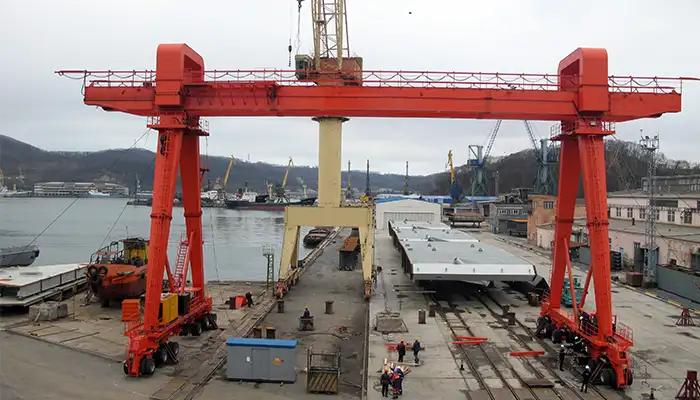
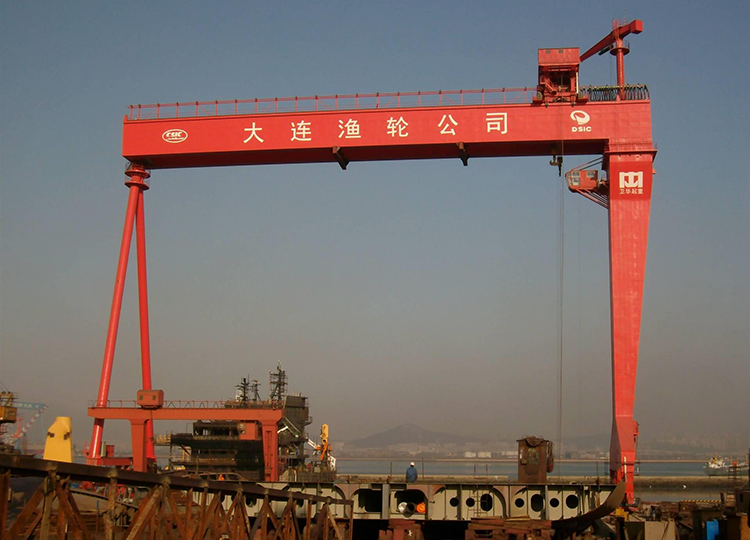
The shipyard gantry crane is built with a large steel structure, lifting units, traveling system, and control equipment. The components work together to handle hull blocks, marine equipment, and other heavy loads in shipyard operations.
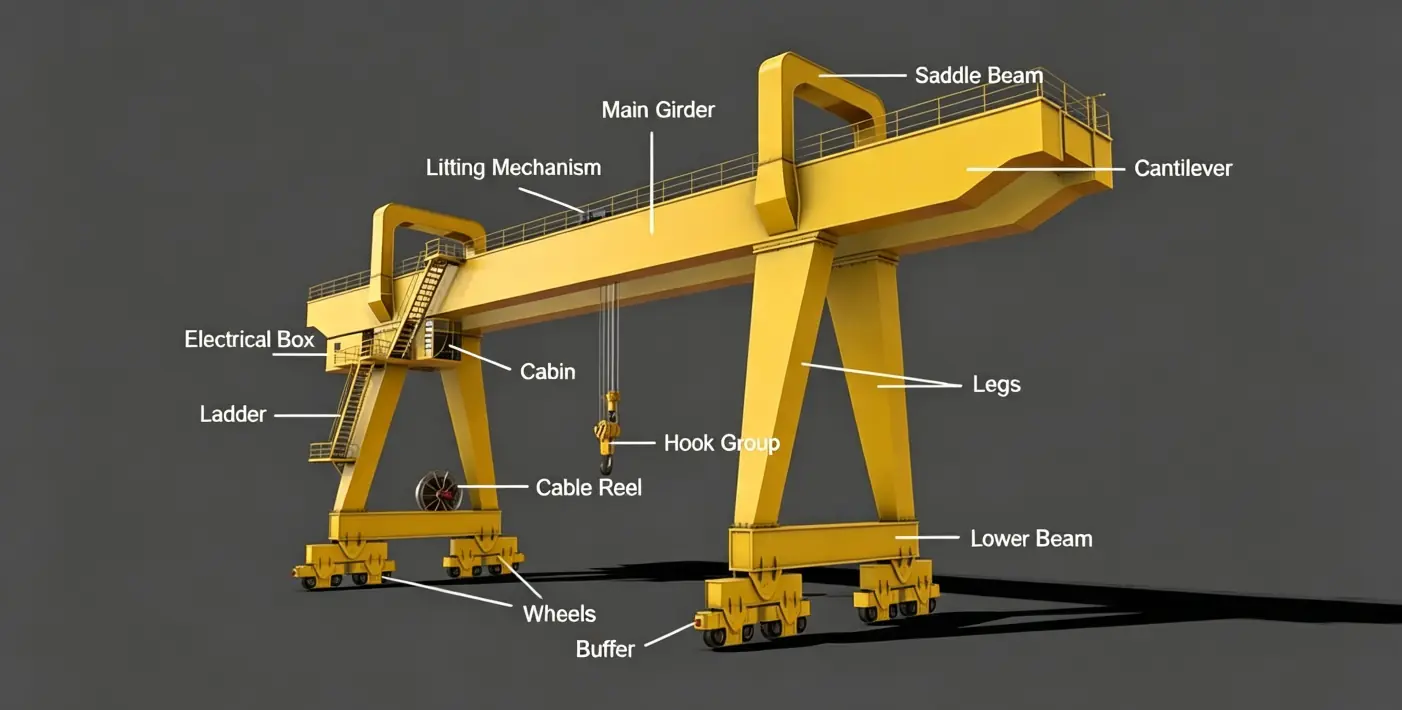
The combination of these components allows the crane to perform heavy lifting, hull assembly, and equipment installation tasks in shipyards, docks, and marine construction areas.
The shipyard gantry crane performs lifting operations through coordinated movement of the crane, trolleys, and hoisting system. The process includes positioning, lifting, turning, and accurate placement of ship sections.
1. Crane Positioning — The traveling mechanism moves the crane along the rails to the required lifting area. A variable frequency drive controls the travel speed and positioning accuracy.
2. Trolley Positioning — The upper and lower trolleys move along different tracks on the main girder. They can operate independently or together according to the lifting requirements.
3. Lifting and Transport — The hoisting system uses drums, wire ropes, and pulley blocks to lift loads. Variable speed control allows smooth lifting and precise positioning, with inching speeds of 0.1–0.5 m/min for assembly work.
4. Air Turning and Assembly — The upper and lower trolleys work together to lift and turn hull sections. Different hook movements allow 180° air turning and accurate alignment during hull assembly.
5. Placement and Release — The crane lowers the load to the installation position through low-speed control. After the section is secured, the hooks are released to complete the lifting cycle.
Through coordinated control of each mechanism, the shipyard gantry crane completes heavy lifting, hull section handling, and precision assembly operations in shipbuilding projects.
| Especificación | Parámetro |
|---|---|
| Capacidad de elevación | 50–1600 Tons |
| Español | 40–185 m |
| Altura de elevación | 25–90 m |
| Working Duty | A5–A8 |
| Velocidad de izamiento principal | 6–8.5 m/min |
| Trolley Speed | 38–44.5 m/min |
| Velocidad de desplazamiento de la grúa | 36–40 m/min |
| Inching Speed | 0.1–0.5 m/min |
| Max. Wheel Load | 260–750 kN |
| Installed Power | 400–1550 kW |
| Fuente de alimentación | 3 Phase AC 380V/50Hz (Customizable) |
| Main Girder Structure | Viga cajón doble |
| Trolley Configuration | Upper & Lower Trolley System |
| Sistema de control | PLC + Variable Frequency Control |
| Dispositivos de seguridad | Overload Limiter, Rail Clamp, Wind Protection System |
| Temperatura de funcionamiento | -25℃ to +60℃ |
| Personalización | Capacity, Span, Height and Electrical System |
Note: Shipyard gantry cranes can be customized according to shipyard layout, hull block weight, lifting requirements, and operating conditions. Detailed technical design and configuration are available based on project requirements.
Used for lifting, positioning, and joining large hull sections with high precision during ship construction.
Handles the installation of main engines, auxiliary equipment, shaft systems, piping, and other heavy marine components.
Transfers steel plates, profiles, and prefabricated sections between docks, workshops, and storage areas.
Supports ship repair operations by lifting and replacing hull parts, propellers, rudders, and other heavy components.
Provides lifting support for ship launching, positioning, and construction work in slipways and floating docks.
Handles containers, heavy equipment, and shipbuilding materials at shipyard terminals and supporting docks.
Uses multi-trolley operation for air turning, rotation, and fine positioning of hull blocks and large equipment.
Provides lifting support for machinery maintenance, equipment replacement, and workshop servicing.
Lifts large prefabricated modules and assembled sections to improve shipbuilding efficiency.
Used for lifting offshore structures, wind turbine components, and other marine energy equipment.
For more information on the applications of shipyard gantry cranes, see the article: Principales aplicaciones de las grúas pórtico en astilleros
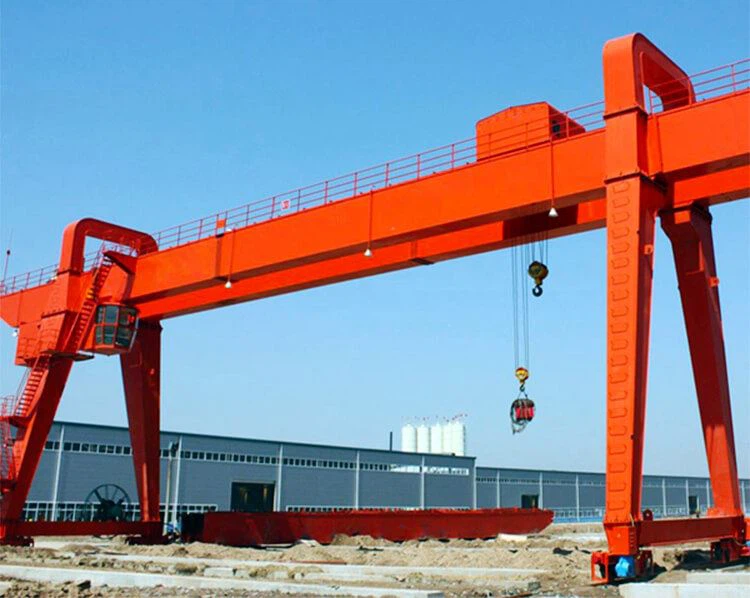
The shipyard gantry crane is equipped with structural, mechanical, electrical and monitoring protection systems to maintain safe operation under heavy-duty working conditions.
Regular inspection helps identify equipment issues and maintain reliable crane operation.
Safety records should be maintained for each inspection. Any abnormal condition must be repaired before the crane returns to service.
You can also read the article for more details on the inspection checklist and schedule: Guía de mantenimiento de grúas pórtico para la construcción naval
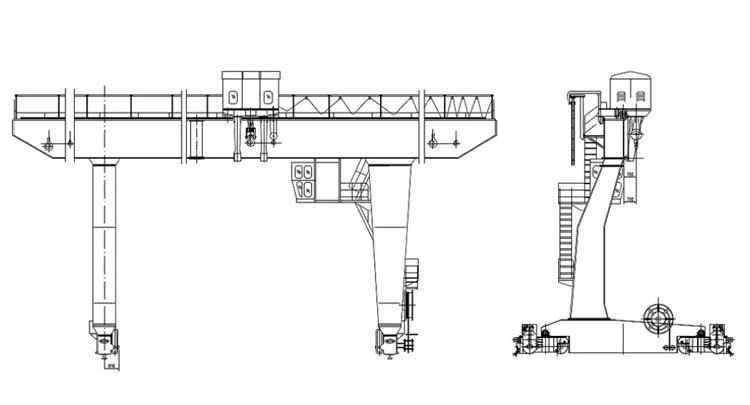
A shipyard gantry crane can be customized according to shipyard layout, vessel size, and lifting requirements. The design covers capacity, structure, trolley configuration, control system, and safety equipment.
Para obtener directrices detalladas sobre cómo seleccionar la grúa pórtico adecuada para el astillero, consulte: Guía de selección de grúas pórtico para astilleros: capacidad, estructura y aplicación.
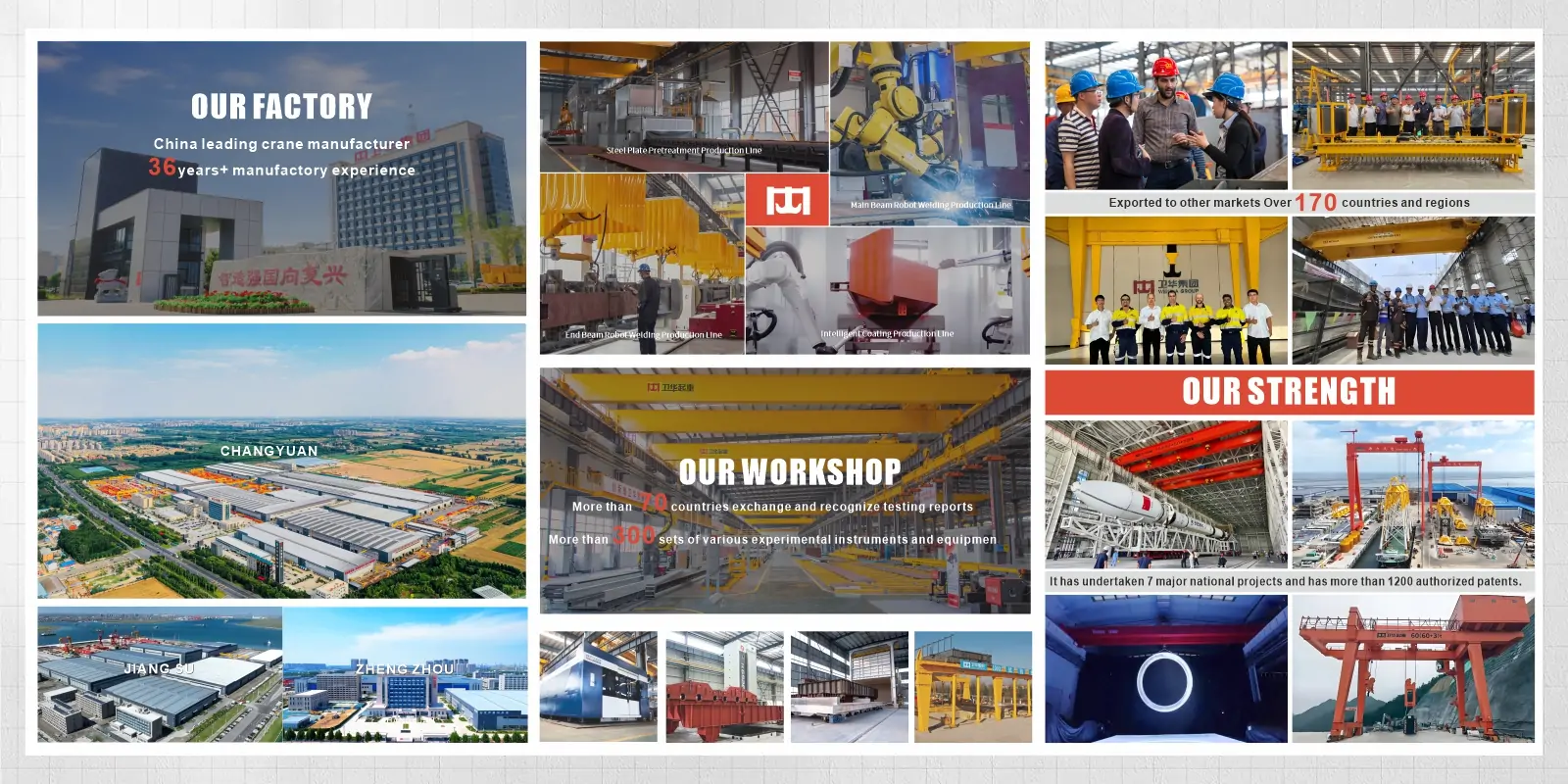
Obtenga una cotización personalizada ahoraWEIHUA is a manufacturer and supplier of shipyard gantry cranes, specializing in the design and production of heavy-duty lifting equipment. With years of crane manufacturing experience, advanced production facilities, and strict quality inspection, WEIHUA provides shipyard cranes for hull assembly, block lifting, and marine equipment installation.
WEIHUA supports customized solutions based on lifting capacity, span, lifting height, and shipyard layout. From crane design and manufacturing to installation support and after-sales service, we provide complete lifting solutions for shipbuilding projects. Contáctanos for a customized shipyard gantry crane proposal.
A shipyard gantry crane is used for ship block lifting, hull section assembly, equipment installation, and heavy material handling in shipyards, docks, and marine construction areas.
The lifting capacity typically ranges from 50 tons to 1600 tons, depending on ship size, block weight and project requirements.
The span can reach 40–185 m and can be customized according to dock width, rail layout and working area.
Large vessels such as container ships, bulk carriers, tankers, offshore vessels and special engineering ships commonly use shipyard gantry cranes during construction.
Yes. The crane can be customized in lifting capacity, span, lifting height, trolley configuration, control system, and safety equipment according to shipyard requirements.
A shipyard gantry crane is designed for large-scale shipbuilding work, with higher capacity, larger span, stronger structure and functions such as dual trolley operation and hull block turning.
With proper maintenance and regular inspection, a shipyard gantry crane can typically operate for 20–30 years depending on working conditions, load frequency and maintenance quality.
Selection should be based on lifting capacity, shipyard layout, span, lifting height, working duty, hull section weight and operating frequency. A crane manufacturer can provide the suitable configuration according to project conditions.
Weihua, fundada en 1988, se ha convertido en un líder mundial en el campo de la fabricación inteligente de China. Nos especializamos en la I+D y producción de grúas inteligentes, ofreciendo al mismo tiempo soluciones AGV. Nuestros equipos profesionales de ingeniería, entrega y posventa brindan soporte técnico integral, soluciones personalizadas, orientación de instalación in situ y servicios globales de respuesta rápida para garantizar que cada proyecto funcione de manera segura y eficiente.
Yes. Our equipment can be equipped with an intelligent monitoring system, achieving real-time status monitoring and fault warning through remote data transmission, ensuring the safety and continuity of shipyard operations while shortening maintenance downtime.
Yes, it is designed for heavy-duty lifting in both automotive manufacturing and shipyard environments.
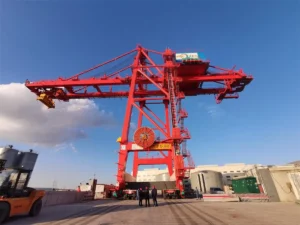
They refer to the same machine type. “Ship-to-Shore crane” (STS crane) is the international industry term used in port planning and procurement. “Quayside container crane” is the common Chinese technical designation. Both describe the portal crane installed at the apron edge of a container terminal to transfer containers between vessels and the dock. Weihua uses both terms interchangeably in its product documentation.
STS cranes typically offer a single-lift capacity of 40-65 tons, with a dual-lift capacity reaching 80 tons, suitable for post-Panamax and ultra-post-Panamax container ships.
STS cranes are designed with a lifting height of 40-55 meters above the rail and 15-20 meters below the rail, enabling efficient handling of high-deck vessels and deep-stowage containers.
Contáctenos ahora por correo electrónico: [email protected], o rellene el formulario a continuación.


La grúa pórtico es un equipo de elevación ampliamente utilizado en diversas industrias, sitios de construcción, puertos, almacenes y otros campos. Su estructura única y su potente capacidad de carga la hacen ideal para el manejo de materiales modernos de alta resistencia. El diseño de la estructura de “pórtico” permite que la grúa se mueva libremente dentro de un espacio, cubriendo una gran área de trabajo. Entonces, ¿qué hace especiales a las grúas pórtico? ¿Cuáles son sus tipos, parámetros, métodos de control, aplicaciones y principios de funcionamiento? ¿En qué se diferencian de las grúas puente? Vamos a explorarlo juntos. Tipos de grúas pórtico Según el diseño, la aplicación y el entorno operativo, las grúas pórtico se clasifican típicamente en los siguientes tipos: Grúa pórtico de viga única Las grúas pórtico de viga única se utilizan ampliamente en sectores industriales, almacenes, puertos y talleres. Con un mecanismo de elevación de soporte de viga única, se desplazan a través de columnas laterales y rieles inferiores. Con su estructura simple, operación amigable y capacidad de elevación moderada, son ideales para el manejo de cargas ligeras a medianas. Capaces de abarcar grandes distancias libremente, las grúas pórtico de viga única son adecuadas para operaciones de elevación y manejo de materiales pesados. Grúa pórtico de doble viga En comparación con las grúas pórtico de viga única, las grúas pórtico de doble viga ofrecen mayor...
En puertos, parques logísticos y manipulación de materiales industriales, las grúas pórtico y las grúas de portal son dos tipos de equipos de carga/descarga comunes y fundamentales. Difieren en diseño estructural, características de rendimiento, métodos de operación, escenarios de aplicación y costos de inversión. Este artículo proporciona un análisis integral de las grúas pórtico frente a las grúas de portal y lo guía en la selección correcta. Comparación del diseño estructural Las diferencias estructurales entre las grúas pórtico y las grúas de portal se manifiestan principalmente en los métodos de soporte de carga, las trayectorias de movimiento y los rangos de cobertura. La primera se centra en una torre fija y una pluma giratoria, enfatizando la “cobertura puntual” y la rotación horizontal flexible. La segunda presenta una estructura de marco de portal y desplazamiento longitudinal sobre rieles, priorizando el “amplio movimiento horizontal” y la manipulación eficiente de la logística en el sitio. En consecuencia, sus distintos diseños estructurales dictan directamente sus diferentes escenarios de aplicación. Características estructurales de la grúa pórtico Las grúas de portal giratorias emplean estructuras de pluma en voladizo simple/doble con la torre fijada a cimientos o rieles, lo que permite una rotación de 360° o parcial. Esta configuración permite una operación flexible en espacios estrechos y alargados, como líneas de costa, frentes de muelle y atraques de barcos, lo que la hace particularmente adecuada para la manipulación de materiales de barco a tierra. Su funcionalidad principal combina verticalmente...
En las operaciones industriales modernas, el manejo eficiente de materiales es crucial para maximizar la productividad y optimizar el flujo de trabajo. Las grúas puente, también conocidas como grúas viajeras o grúas EOT, son sistemas fijos de manejo de materiales ampliamente utilizados en manufactura, procesamiento de metales, almacenamiento y operaciones de carga/descarga. En este artículo, exploraremos el principio de funcionamiento, los componentes principales, las aplicaciones y los beneficios operativos de las grúas puente, proporcionando una guía completa para planificadores industriales y profesionales de la logística. Principio de Funcionamiento de las Grúas Puente Una grúa puente opera sobre una estructura similar a un puente que abarca el área de trabajo, con un carro y un polipasto que se mueven horizontalmente a lo largo del puente y elevan o descienden cargas verticalmente. El movimiento de la grúa a lo largo de la vía, combinado con un control preciso del polipasto, permite el manejo eficiente y seguro de materiales pesados en fábricas, almacenes e instalaciones industriales. Para obtener información sobre cómo funcionan las grúas viajeras, consulte este artículo: Principio de Funcionamiento de las Grúas Viajeras: Componentes, Movimiento y Proceso de Operación Terminología de las Grúas Puente A continuación, se presenta una introducción a la terminología relacionada con las partes de las grúas puente. Capacidad de la Grúa: La capacidad de la grúa se refiere al peso máximo que una grúa puente puede levantar de forma segura. Típicamente medido en toneladas…
Una grúa EOT (Grúa Eléctrica de Puente) es un sistema de elevación aéreo eficiente y fiable que se utiliza para manipular materiales pesados en fábricas, almacenes, talleres y plantas industriales. Funcionando sobre rieles elevados, las grúas EOT permiten el movimiento tridimensional seguro y preciso de cargas mediante movimientos coordinados de elevación, traslación transversal y traslación longitudinal. Este artículo le guiará a través de las definiciones de las grúas EOT, sus tipos, estructura, principios de funcionamiento, aplicaciones y factores de costo para ayudarle a seleccionar la solución más adecuada para sus necesidades de elevación. ¿Cómo funciona una grúa EOT? El principio de funcionamiento de una grúa EOT implica una combinación de elevación vertical, movimiento horizontal del carro y desplazamiento longitudinal del puente, lo que permite la manipulación eficiente de cargas pesadas en las instalaciones industriales. La grúa opera sobre rieles de pista elevados instalados a lo largo de la estructura del edificio, con la viga del puente abarcando el área de trabajo. El mecanismo de elevación sube o baja la carga utilizando cables de acero o cadenas, mientras que el carro mueve la carga horizontalmente a lo largo del puente. Toda la grúa se desplaza longitudinalmente a lo largo de los rieles de la pista, permitiendo la posición tridimensional de los materiales. Las grúas EOT modernas están impulsadas por motores eléctricos con velocidad precisa...
Las grúas pórtico se utilizan ampliamente en patios de almacenamiento al aire libre, astilleros, fábricas y sitios de construcción, lo que las convierte en una de las soluciones de manipulación de materiales más versátiles y aplicadas. Las grúas pórtico vienen en varios tipos, cada una personalizable para adaptarse a diferentes capacidades de carga, condiciones del sitio y requisitos operativos. Sin embargo, la elección de la configuración incorrecta puede generar gastos innecesarios, capacidad de elevación limitada o restricciones de expansión futuras. Entonces, ¿cuáles son los principales tipos de grúas pórtico? ¿Cómo elige el tipo correcto para su aplicación? En esta guía, proporcionaremos una descripción general detallada de los diferentes tipos de grúas pórtico según la estructura, la movilidad y los escenarios de aplicación, lo que le ayudará a tomar la decisión correcta antes de invertir en una solución de elevación. El artículo es bastante extenso. A continuación se presenta nuestra tabla de contenidos. Por favor, salte a la sección correspondiente según sea necesario: ¿Qué es una grúa pórtico? Las grúas pórtico son equipos de elevación diseñados para la manipulación eficiente de carga pesada en grandes sitios al aire libre. Su estructura distintiva presenta una o más vigas principales soportadas por patas rígidas (o flexibles) a cada lado, formando un marco monumental en forma de “puerta”. Estas grúas se desplazan...
 English English
  Русский
 العربية
 Français
 Português
 Español