








Tabla de contenidos
Introducción
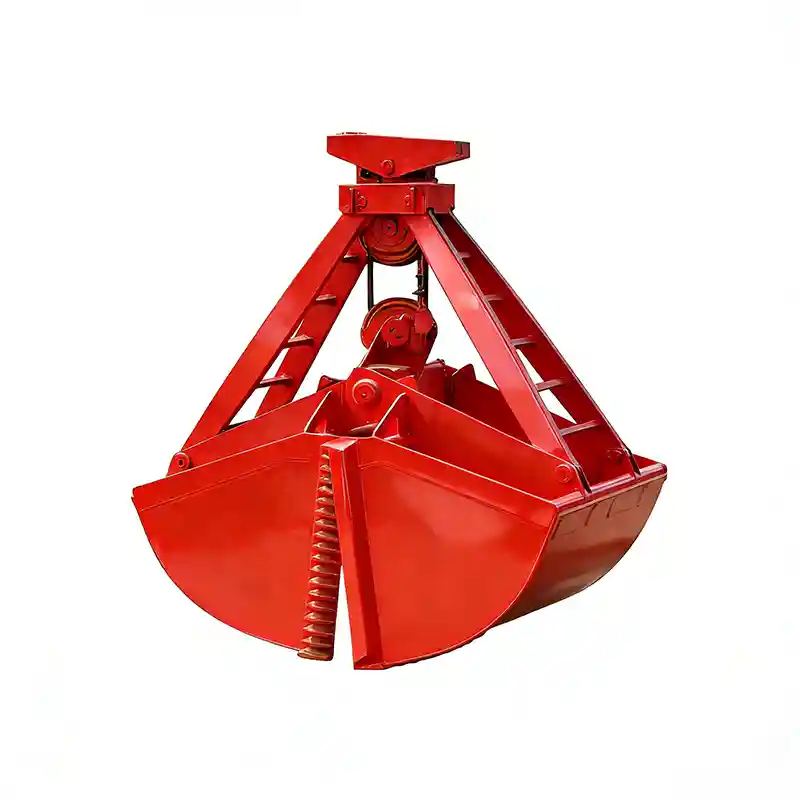
Crane grab buckets are used in ports, steel plants, mines, and bulk material handling operations where they face continuous loading, impact, and material abrasion. Long-term operation can cause problems such as bucket shell wear, hydraulic leakage, pin damage, and reduced grabbing performance. Proper crane grab bucket maintenance helps reduce equipment wear, avoid unnecessary downtime, and keep the grab bucket in stable working condition.
This article covers key maintenance points for crane grab buckets, including routine inspection, lubrication, wear part replacement, hydraulic system checks, and common repair requirements. I will also compare maintenance methods for mechanical grab buckets, hydraulic grab buckets, and orange peel grabs based on their structures and working conditions, providing practical guidance for operators and maintenance teams.
Why Crane Grab Bucket Maintenance Is Important
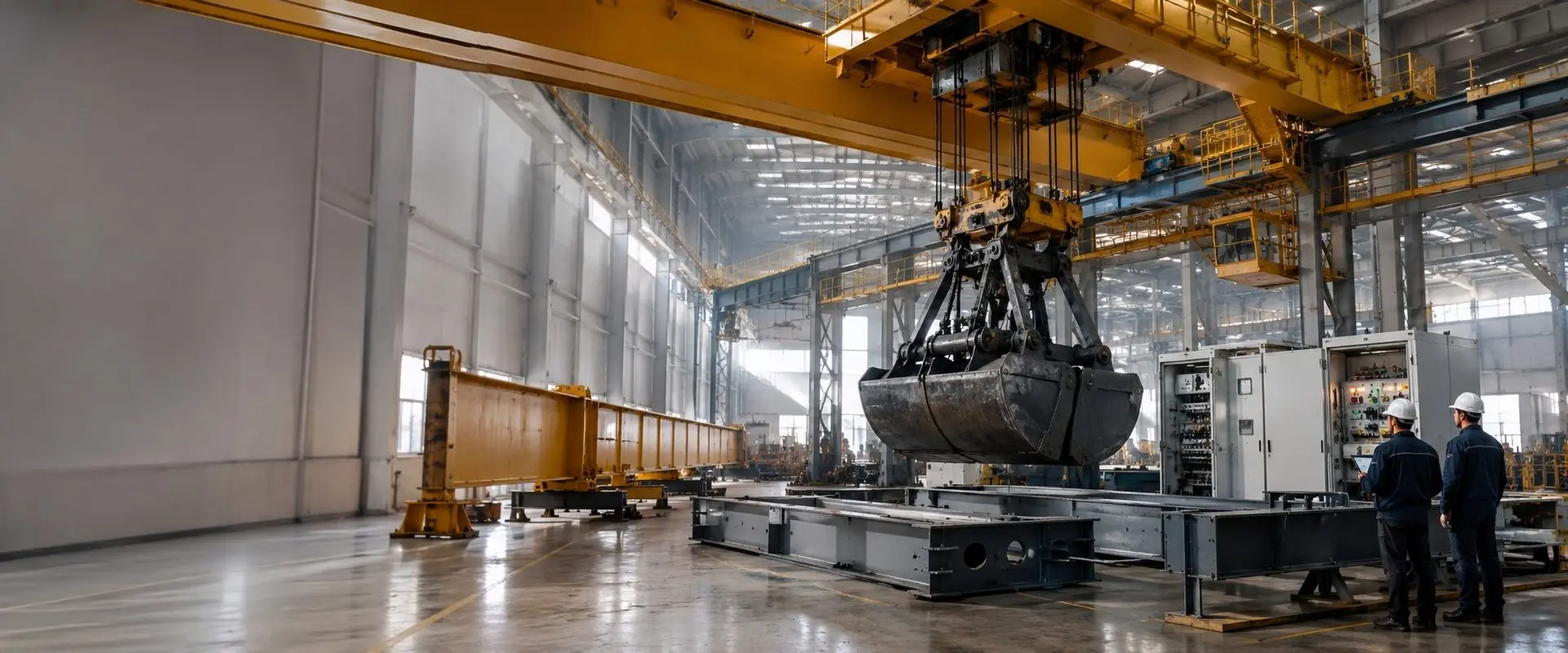
Crane grab buckets handle heavy loads and abrasive materials such as scrap, coal, and sand. Regular crane grab bucket maintenance helps control wear, reduce downtime, and keep the equipment working properly.
- Reduce Wear and Mechanical Damage: The bucket shell, cutting edge, and impact areas wear during operation. Regular checks help find worn parts early and avoid larger structural repairs.
- Prevent Unexpected Downtime: Pins, bushings, and hydraulic components can wear without obvious signs. Routine inspection helps identify loose parts, leaks, and movement problems before operation is affected.
- Maintain Grabbing Performance: Worn seals, damaged linkages, and poor alignment can reduce closing force and cause material loss. Proper maintenance keeps the grab bucket working efficiently.
- Improve Operating Safety: Cracks at welds and stress points can grow under heavy loads. Regular inspection helps find structural damage before it affects safe operation.
Regular maintenance keeps grab buckets in service longer and helps avoid unexpected repairs caused by delayed inspections.
Crane Grab Bucket Maintenance Checklist
Regular crane grab bucket maintenance helps detect wear problems during operation and reduces unexpected repairs. Key inspection areas include the bucket structure, connection parts, hydraulic system, lubrication points, and wear components.
1. Inspect Grab Bucket Structure Regularly
Check the bucket shell, cutting edge, weld joints, and reinforcement plates for:
- Cracks
- Steel plate deformation
- Excessive wear
- Weld damage
Heavy-duty grab buckets need more frequent inspections. Record wear conditions during routine checks to track component changes.
2. Check Pins, Shafts, and Bearings
Inspect pins, shafts, and bearings for:
- Pin wear
- Shaft deformation
- Excessive clearance
- Poor lubrication condition
Worn connection parts can affect bucket opening and closing movement.
3. Maintain Hydraulic System (For Hydraulic Grab Buckets)
Check hydraulic components, including:
- Hydraulic cylinders
- Hoses and seals
- Oil leakage
- Hydraulic oil condition
- Operating pressure
Hydraulic grab buckets used in ports and scrap handling require regular hydraulic checks due to dust, impact, and continuous operation.
4. Lubricate Moving Components
Lubricate key moving parts, including:
- Pins
- Bearings
- Hinges
- Gear components (if equipped)
Proper lubrication reduces friction and slows mechanical wear.
5. Replace Worn Parts in Time
Common replacement parts include:
- Cutting edges
- Pins
- Bushings
- Hydraulic seals
- Wear plates
Early replacement of worn parts reduces the chance of larger structural repairs and keeps the grab bucket available for operation.
Regular inspection and maintenance records help find problems early, replace worn parts, and reduce unexpected failures during operation.
Maintenance Tips for Different Types of Crane Grab Buckets
Different grab bucket types have different wear points. Using the same maintenance method for every bucket may miss important problems. Inspection should focus on the bucket structure, drive system, and working conditions.
Mechanical Grab Bucket Maintenance
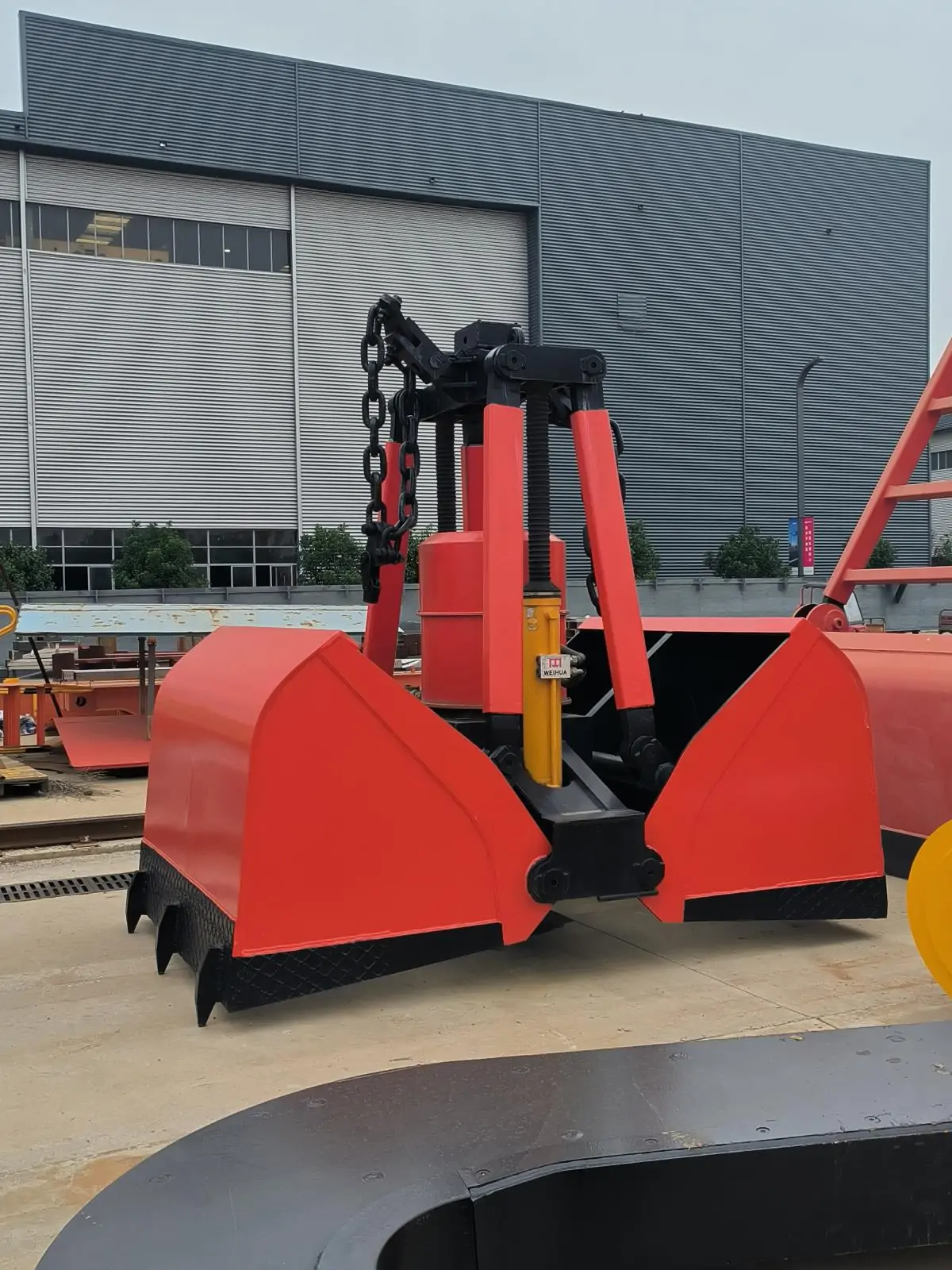
Mechanical grab buckets use ropes and linkage systems for handling sand, coal, ore, and other bulk materials. Maintenance focuses on mechanical parts, wire ropes, and bucket wear.
- Mechanical linkage inspection
Check pins, bushings, and closing linkages for wear, looseness, and excessive clearance. Worn linkage parts can reduce closing force and affect grabbing performance. - Rope connection check
Inspect wire ropes for broken strands, uneven tension, and connection damage. Rope condition affects bucket movement and load balance during operation. - Bucket shell wear inspection
Check shell plates, cutting edges, and high-impact areas for thinning, cracks, and deformation. Regular wear checks help plan repairs before serious damage occurs.
A mechanical grab that cannot close fully may lose material during lifting. Keeping the linkage and shell in good condition supports stable operation.
Obtenga una cotización personalizada ahora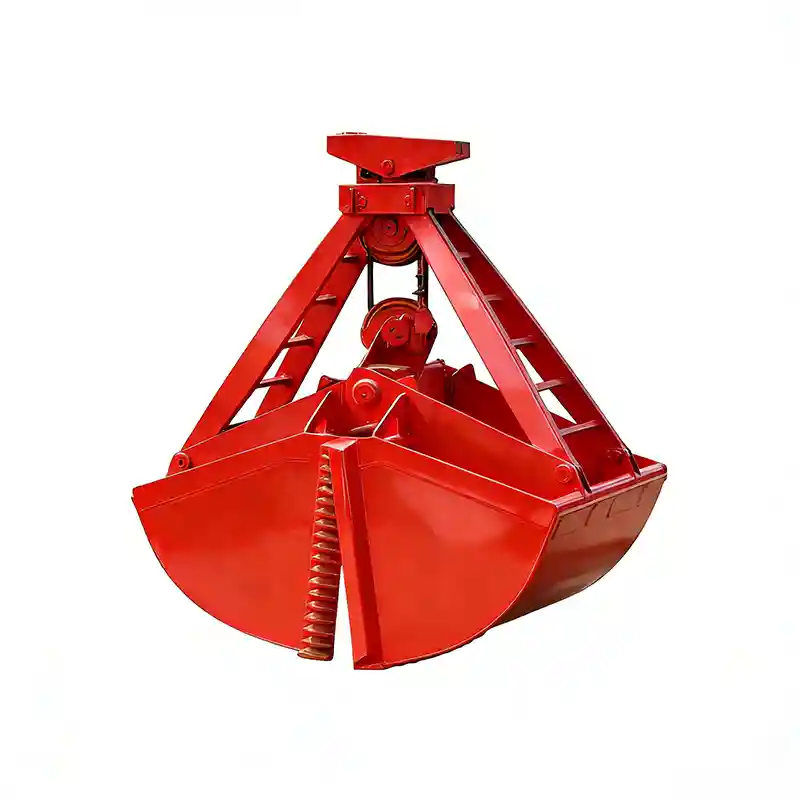
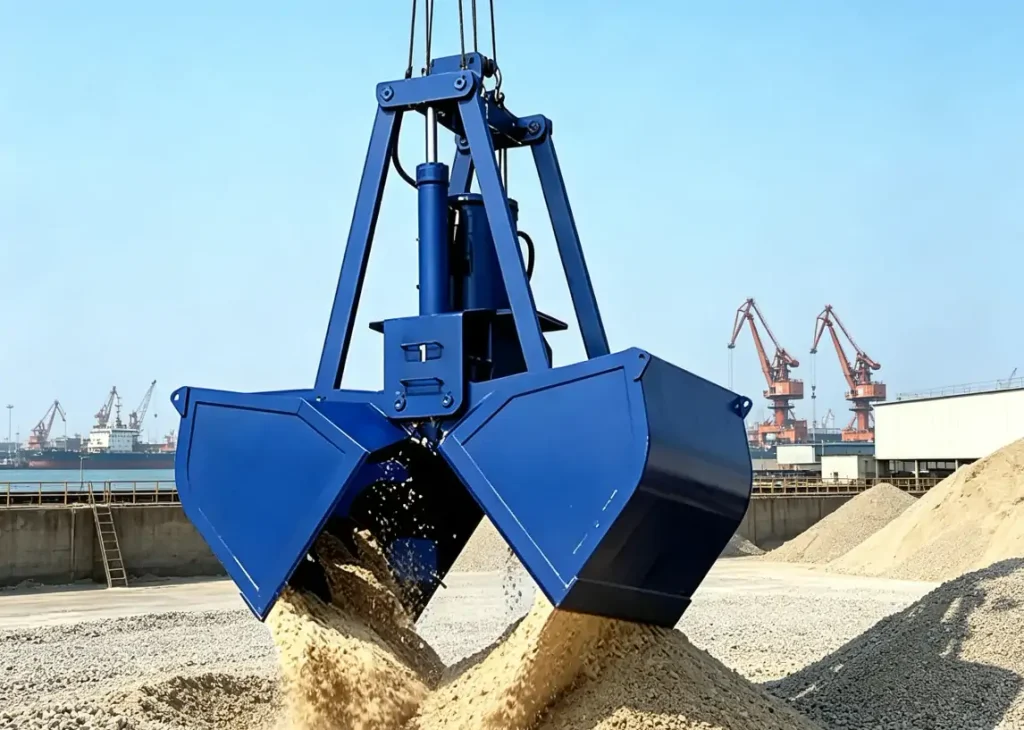
Hydraulic Grab Bucket Maintenance
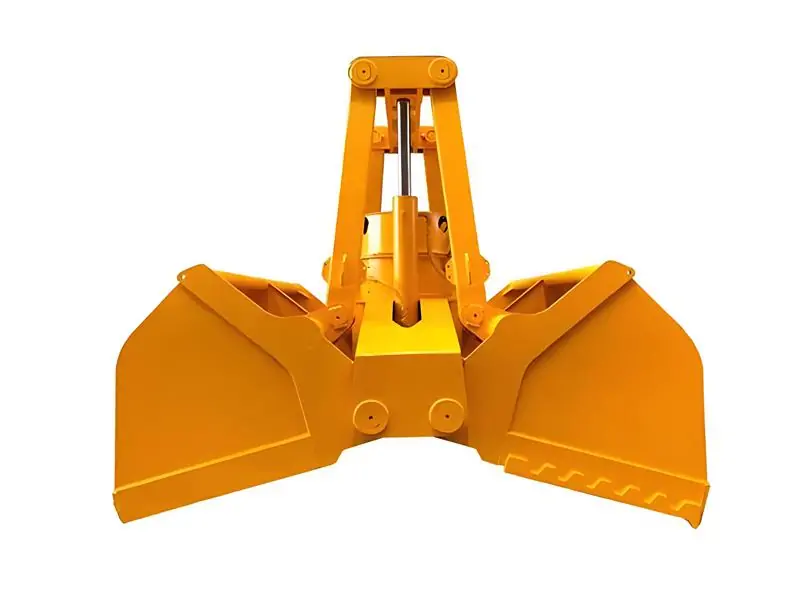
Hydraulic grab buckets use cylinders to generate closing force and are commonly used for scrap steel, ports, and heavy material handling. Maintenance focuses on hydraulic components and pressure control.
- Hydraulic cylinder sealing
Inspect cylinder seals for aging, damage, and leakage. Poor sealing can reduce closing force and affect bucket movement. - Oil leakage prevention
Check hoses, fittings, and cylinder rods for leaks or wear. Damaged hydraulic parts need repair or replacement. - Hydraulic pressure check
Monitor system pressure according to equipment requirements. Low or unstable pressure can cause slow or incomplete closing.
Hydraulic grabs in ports and scrap yards operate under heavy loads and frequent cycles, requiring regular hydraulic inspections.
Obtenga una cotización personalizada ahoraOrange Peel Grab Bucket Maintenance
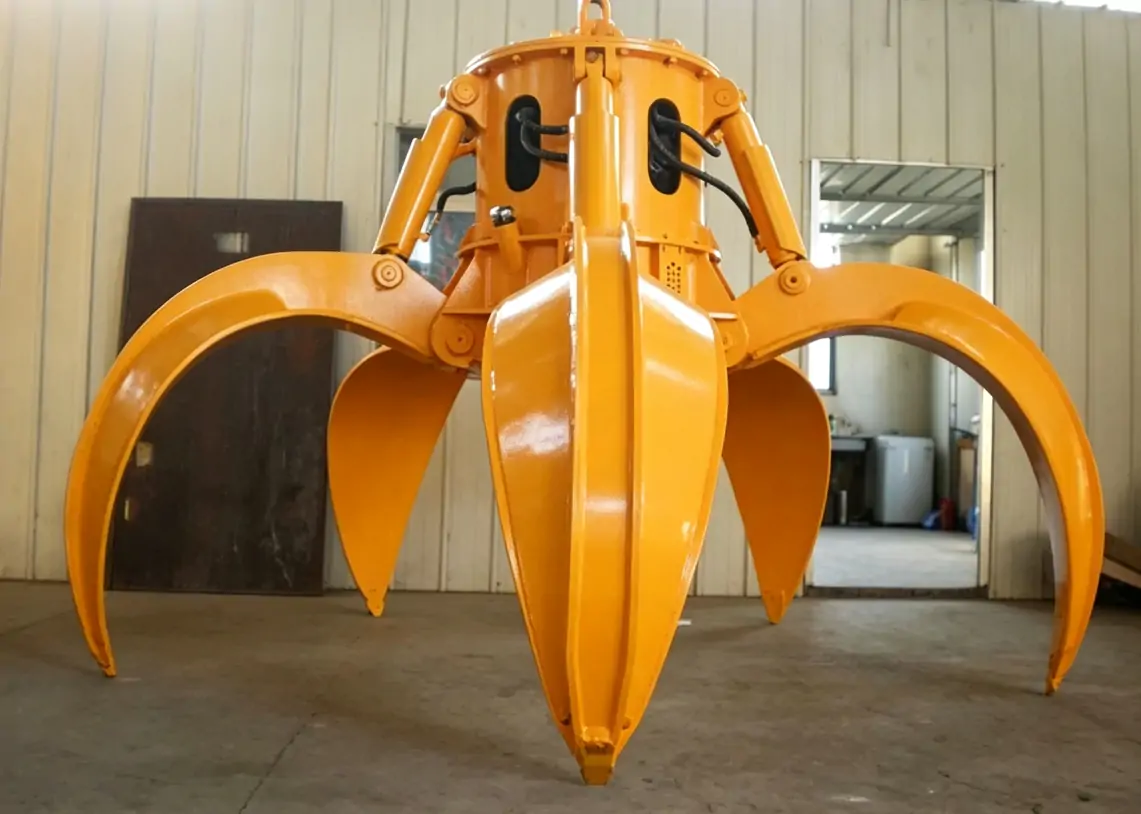
Orange peel grabs handle scrap steel and metal recycling materials. Maintenance focuses on tines, rotation systems, and hydraulic components.
- Tine wear inspection
Check tines for bending, cracks, and tip wear. Damaged tines can affect closing accuracy and grabbing capacity. - Rotation mechanism check
Inspect the rotating assembly for abnormal clearance, stiffness, or damage. A worn mechanism can affect positioning during operation. - Hydraulic system maintenance
Check cylinders, hoses, seals, and protective covers. Scrap impact can damage hydraulic components without regular inspection.
Scrap handling involves heavy impact and frequent loading cycles, so inspection intervals should match actual working conditions.
Obtenga una cotización personalizada ahora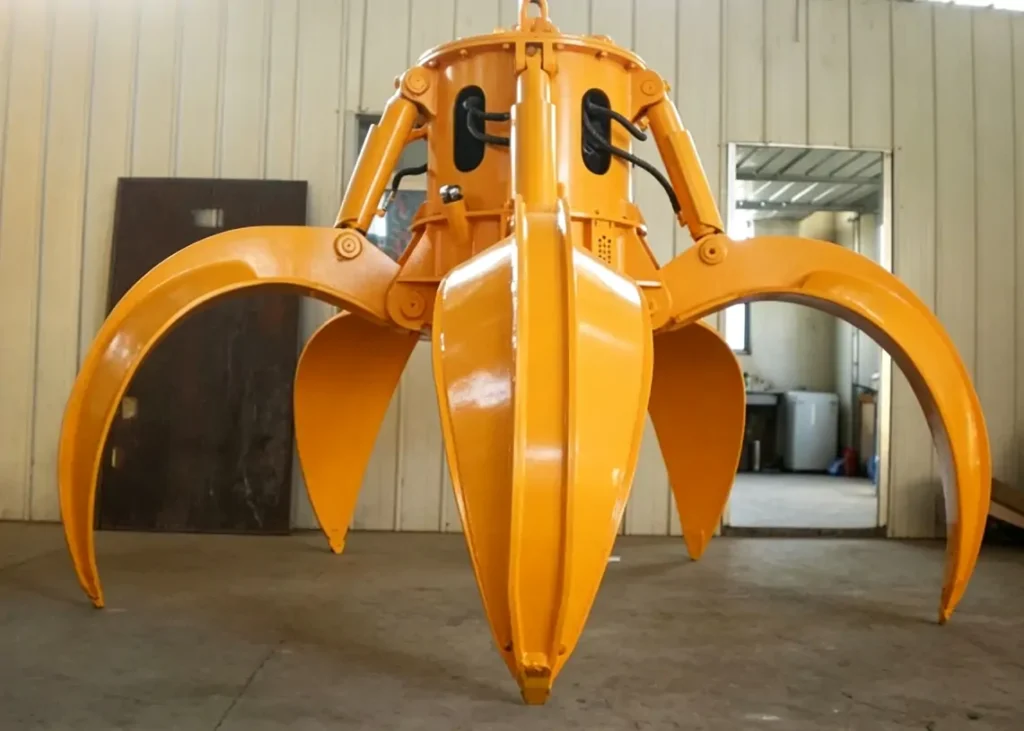
Maintenance requirements vary by grab bucket design. Mechanical grabs, hydraulic grabs, and orange peel grabs have different failure points, so inspection plans should match the bucket type and application.
Common Crane Grab Bucket Maintenance Problems and Solutions
Grab buckets fail in predictable ways. The problems below account for most unplanned repairs and performance complaints, and each has a standard corrective response. Recognizing the pattern early is what separates routine maintenance from emergency repair.
| Problem | Symptom | Solución |
|---|---|---|
| Shell plate thinning/cracking | Visible deformation, cracks at weld seams, reduced load capacity | Measure thickness at lip and impact zones on schedule; reinforce or replace before steel drops below safe margin |
| Worn pins and bushings | Play in linkage, incomplete closing, material leakage | Replace worn pins and bushings at periodic intervals; do not wait for in-service failure |
| Hydraulic leakage | Oil at cylinder rods, hoses, or fittings; dropping closing force | Inspect seals and hoses each shift; replace deteriorated seals and repair cylinder protection covers |
| Insufficient hydraulic pressure | Sluggish or inconsistent closing response | Verify system pressure against specification; service filters and fluid at manufacturer intervals |
| Wire rope wear / uneven tension | Broken strands, bucket hangs off-balance in free state | Inspect ropes thoroughly with recorded identifiers; adjust tension so bucket hangs level |
| Tine bending or tip wear | Uneven closing geometry, poor grab on irregular scrap | Inspect tines for bending and cracking; straighten or replace before geometry is affected |
| Rotation mechanism stiffness | Difficulty positioning grab over uneven piles, slow cycle time | Check rotating assembly for free movement and excess play; lubricate and repair as needed |
Nearly every major failure starts as a small, detectable defect. Shell thinning precedes cracking, pin play precedes linkage failure, and seal deterioration precedes hydraulic breakdown. A grab bucket that gets inspected on schedule catches these problems while they are still cheap to fix. One that does not eventually removes itself from service — usually at the worst possible time.
How Often Should a Crane Grab Bucket Be Maintained?
Maintenance frequency depends on the grab bucket type, material handled, and working intensity. Grab buckets used for scrap steel, ports, and heavy-duty applications require shorter inspection intervals than those used for light bulk materials.
Daily Check
Operators should perform a visual inspection before each shift, including:
- Bucket opening and closing function
- Hydraulic leakage
- Wire rope condition
- Pin looseness
- Abnormal noise or movement
- Bucket shell condition
Daily checks help find basic problems before they affect operation.
Weekly / Monthly Maintenance
Maintenance personnel should carry out regular service work, including:
- Lubrication of pins, bearings, and moving parts
- Inspection of pins, bushings, and linkage components
- Wear measurement of shell plates and cutting edges
- Hydraulic oil and filter checks
- Fastener inspection
These checks focus on wear control and component condition.
Periodic Overhaul
Periodic inspections require professional maintenance personnel and cover:
- Full structural inspection
- Hydraulic system testing
- Major component replacement
- Repair of damaged parts
The overhaul interval depends on the working environment and duty class. Grab buckets used for scrap handling or port operations may require more frequent inspections than those used for standard bulk materials.
Maintenance records should be kept for each inspection. Any defect affecting safe operation should be repaired and evaluated before the grab bucket returns to service.
How to Extend Crane Grab Bucket Service Life
Extending crane grab bucket service life requires proper maintenance, correct operation, and attention to high-wear parts. The following measures focus on reducing wear and avoiding early component failure.
- Improve Wear Resistance of Pins and Bushings: Pins and bushings face repeated friction during operation. Wear-resistant materials and regular clearance checks reduce wear.
- Protect the Bucket Blade and Lip: The bucket lip and cutting edge contact materials directly. Wear-resistant steel helps reduce abrasion in these areas.
- Use Wear-Resistant Steel for Bucket Structure: Wear-resistant steel such as NM400 provides better abrasion resistance for grab bodies handling heavy materials.
- Check Wire Ropes and Key Components: Inspect wire ropes, connections, and load-bearing parts regularly. Early detection of wear reduces operation risks.
- Select Reliable Hydraulic Components: Hydraulic cylinders, seals, and valves should be checked regularly. Suitable hydraulic components reduce system wear.
- Replace Wear Parts Regularly: Replace chains, wire ropes, bearings, and other worn parts based on their condition. Delayed replacement can cause larger damage.
- Follow the Manufacturer’s Maintenance Plan: Carry out lubrication, oil changes, inspections, and adjustments according to the maintenance schedule.
- Reduce Friction on Moving Parts: Proper lubrication reduces friction on pins, bearings, and moving connections.
- Control Impact Loads During Lifting: Smooth lifting operation reduces impact loads on the grab bucket and crane system.
- Maintain the Electrical System: Inspect electrical circuits, controls, and protection devices to reduce operation failures.
Pins, bushings, and bucket lips are the main wear points of crane grab buckets. Regular inspection and maintenance of these parts can reduce wear and repair needs.
When Should a Crane Grab Bucket Be Repaired or Replaced?
The decision is made on measured condition, not on operating hours. Repair is justified when the damage is localized, and the structure retains adequate strength; replacement is justified when the load-bearing members have lost section, when cracking is widespread, or when the repair cost approaches the value of the unit.
1. Repair Conditions
- Shell plate thickness remains above the safe minimum, with localized deformation or cracking at weld seams only.
- Worn pins and bushings show play, but the linkage geometry is intact.
- Hydraulic leakage is confined to seals, hoses, or fittings; cylinder and structure are sound.
- Tine bending is limited and can be straightened without affecting closing geometry.
- Rotation mechanism stiffness traces to lubrication or adjustment rather than structural damage.
- Wire rope shows broken strands, but the drum, sheaves, and termination are serviceable.
2. Replacement Conditions
- Shell plate has dropped below the safe thickness margin at the lip or impact zones.
- Cracks have propagated through primary structural members or recur after repair.
- Linkage geometry is permanently distorted; closing is incomplete and material leaks in service.
- Cylinder barrels, rods, or the hydraulic manifold are damaged beyond economical repair.
- The unit is obsolete relative to duty class, or repair cost approaches replacement value.
- Repeated failures at the same location indicate the design margin is exhausted.
Repair restores a sound structure; replacement removes an exhausted one. The dividing line is whether the load-bearing members still hold their section and whether the faults are isolated or systemic. A grab that fails inspection on structural grounds does not return to service on the strength of a weld.
Conclusión
Crane grab bucket maintenance covers structure inspection, wear part checks, lubrication, hydraulic system service, and operation management. A suitable maintenance plan based on grab type and working conditions can reduce wear and extend equipment service life.
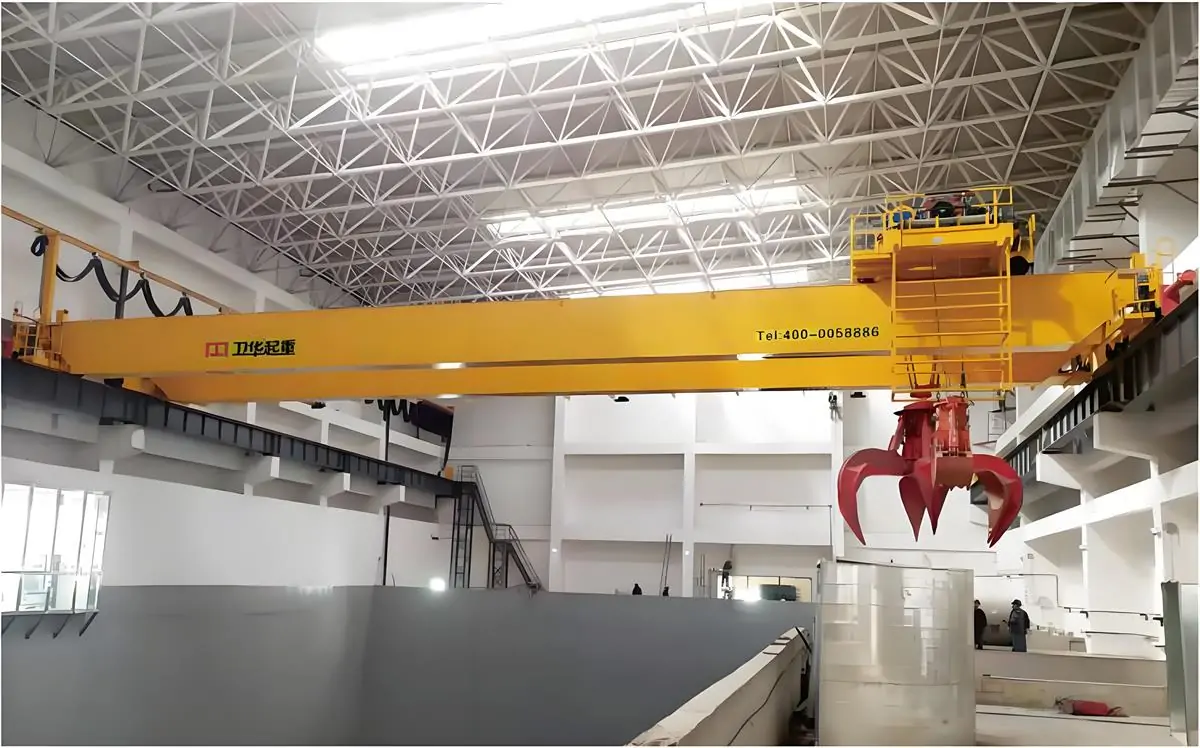
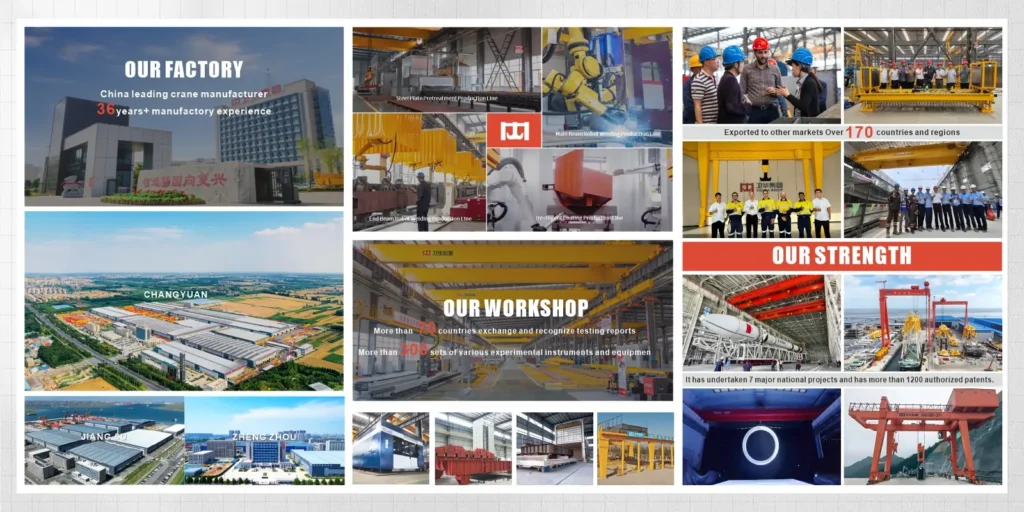
WEIHUA supplies customized grab bucket solutions for overhead cranes, gantry cranes, and port handling systems. With export project experience, professional production capabilities, technical support, and after-sales service, WEIHUA works with customers to provide grab buckets for different material handling applications. Contáctanos for a customized grab bucket solution.
Preguntas frecuentes
What is crane grab bucket maintenance?
Crane grab bucket maintenance includes inspection, lubrication, wear part replacement, hydraulic system checks, and structural repairs. Regular maintenance helps reduce downtime and extend grab bucket service life.
How often should a crane grab bucket be inspected?
Inspection frequency depends on workload and operating conditions. Daily visual checks and scheduled maintenance are recommended for grab buckets used in ports, mines, and heavy industries.
What parts of a grab bucket need regular maintenance?
Common maintenance parts include bucket shells, cutting edges, pins, bearings, hydraulic cylinders, seals, and connection components.
How can I extend crane grab bucket service life?
Service life can be extended through regular inspection, proper lubrication, avoiding overload operation, replacing worn parts, and selecting a grab bucket suitable for the material being handled.
How do you maintain a hydraulic grab bucket?
Hydraulic grab bucket maintenance includes checking cylinders, hoses, seals, hydraulic oil quality, and operating pressure. Leakage or pressure loss should be addressed promptly.
What causes crane grab bucket damage?
Common causes include overload operation, abrasive materials, impact during handling, insufficient lubrication, and delayed replacement of worn components.
What is the difference between mechanical and hydraulic grab bucket maintenance?
Mechanical grab bucket maintenance focuses on ropes, linkages, pins, and wear plates, while hydraulic grab bucket maintenance requires additional checks of cylinders, seals, hoses, and hydraulic systems.
Can WEIHUA customize crane grab buckets?
Yes. WEIHUA can customize grab buckets based on crane type, material characteristics, capacity requirements, and working environment.