








Table of Contents
This article primarily introduces several common types of cranes used in construction, analyzing their characteristics and applicable scenarios. Construction sites select different types of cranes based on project scale, construction environment, and lifting requirements to improve construction efficiency and safety. This article aims to help readers better understand these important pieces of construction equipment.
What is a Construction Crane?
It is a large mechanical device used for lifting, hoisting, and moving heavy objects, applied in fields such as building construction, bridge engineering, and infrastructure projects. Through the coordination of mechanical structures and power systems, it safely and efficiently completes the vertical or horizontal transportation of materials and equipment at construction sites, making it an indispensable piece of essential equipment in modern construction engineering.
Basic Functions: Lifting heavy objects, horizontal movement of materials, assisting high-altitude construction, improving construction efficiency
Main Structural Components: Boom, tower or main structure, counterweight, wire rope and pulley system, hook
Role in Modern Construction: Improve construction efficiency, support high-rise building construction, reduce manual labor intensity, enhance construction safety
Types of Cranes Used in Construction
The six most common cranes in modern construction engineering are introduced below, detailing their working principles, structures, advantages, and application scenarios.
Tower Crane
One of the most common lifting devices in high-rise building construction. It features high height, large coverage range, and strong lifting capacity, and can “climb” as the building height increases. Tower cranes are mainly used for hoisting steel reinforcement, concrete, formwork, and large building materials, widely applied in high-rise residential buildings, commercial complexes, and large-scale mixed-use projects.
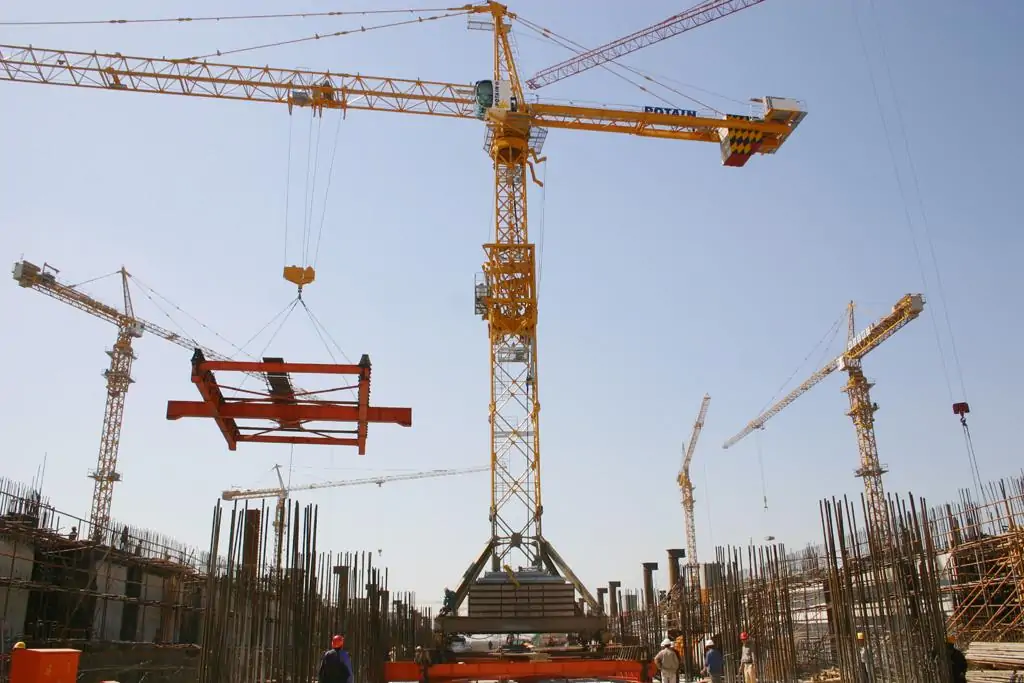
Typical Specifications of Tower Crane
| Parameter | Typical Range |
|---|---|
| Lifting Capacity | 20 – 1200 tons |
| Boom Length | 20 – 100 m |
| Max Lifting Height | 30 – 140 m |
| Travel Speed | 60 – 85 km/h |
| Setup Time | 15 – 60 minutes |
| Power Source | Diesel engine |
| Control Method | Cabin control / Remote |
| Typical Applications | General construction lifting, equipment installation, infrastructure projects |
Mobile Crane
Mounted on a vehicle chassis, characterized by strong mobility, easy movement, and fast setup speed. Usually used for short-term lifting tasks, such as equipment installation, steel structure erection, or temporary operations at construction sites. Common types include truck-mounted cranes, all-terrain cranes, and rough-terrain cranes.
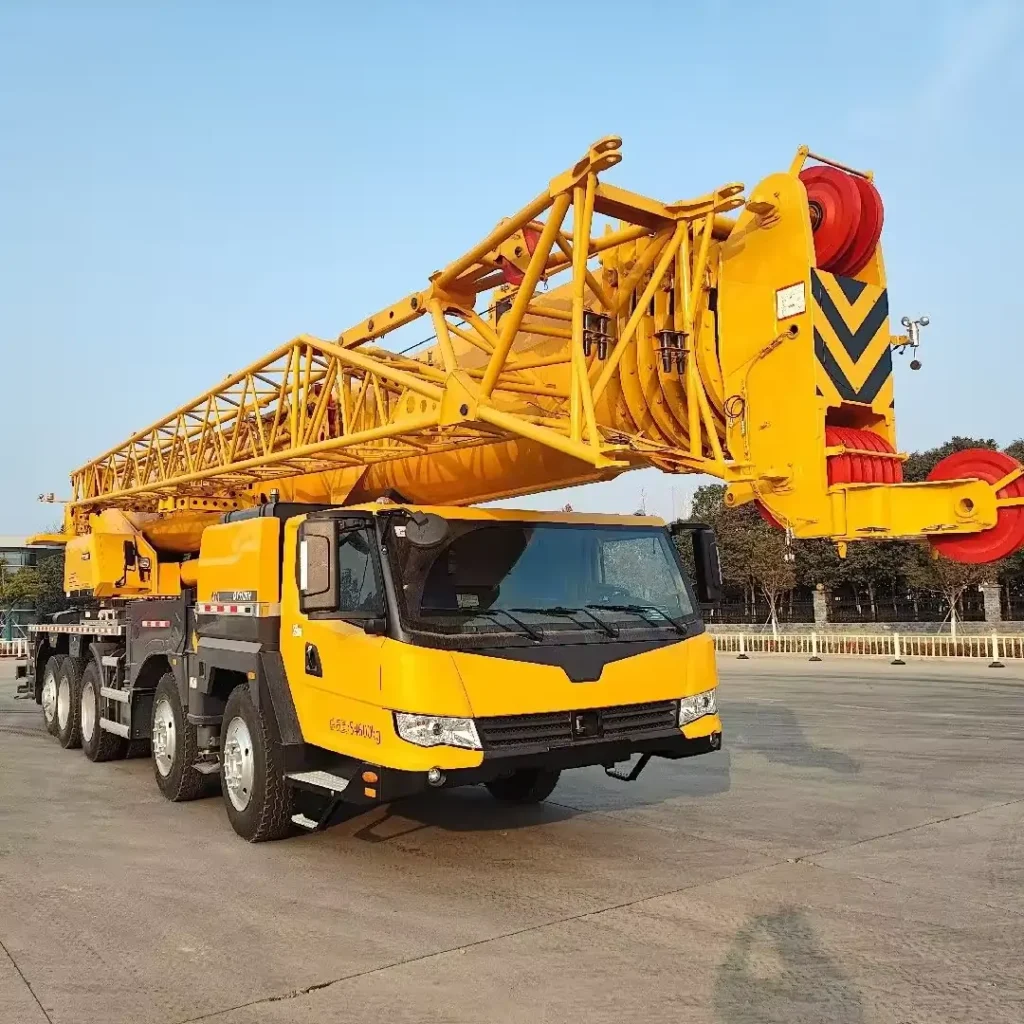
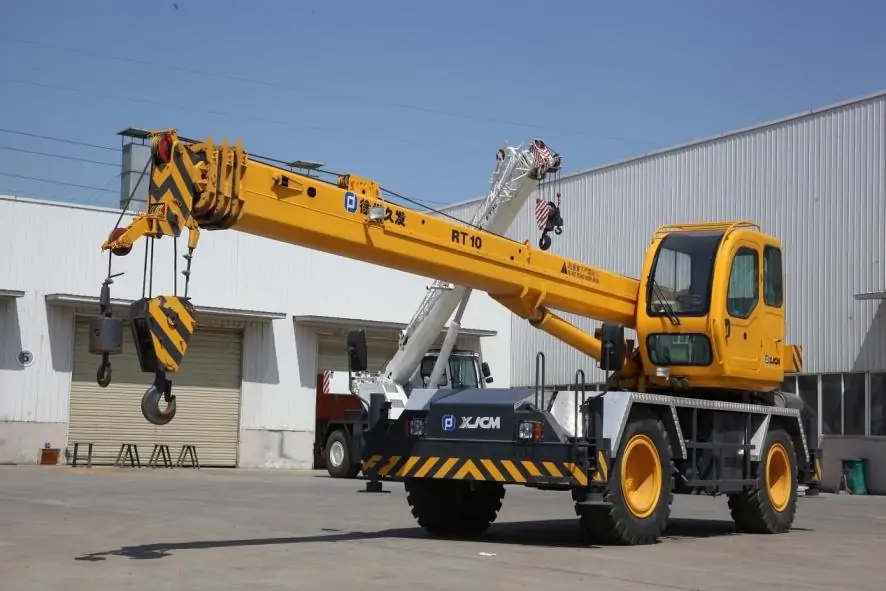
Typical Specifications of Mobile Crane
| Parameter | Typical Range |
|---|---|
| Lifting Capacity | 20 – 1200 tons |
| Boom Length | 20 – 100 m |
| Max Lifting Height | 30 – 140 m |
| Travel Speed | 60 – 85 km/h |
| Setup Time | 15 – 60 minutes |
| Power Source | Diesel engine |
| Control Method | Cabin control / Remote |
| Typical Applications | General construction lifting, equipment installation, infrastructure projects |
Crawler Crane
Uses crawler tracks, allowing stable movement on complex terrain. Offers advantages of high load-bearing capacity and strong stability, suitable for large-scale engineering projects such as bridge construction, heavy steel structure installation, and major infrastructure projects.
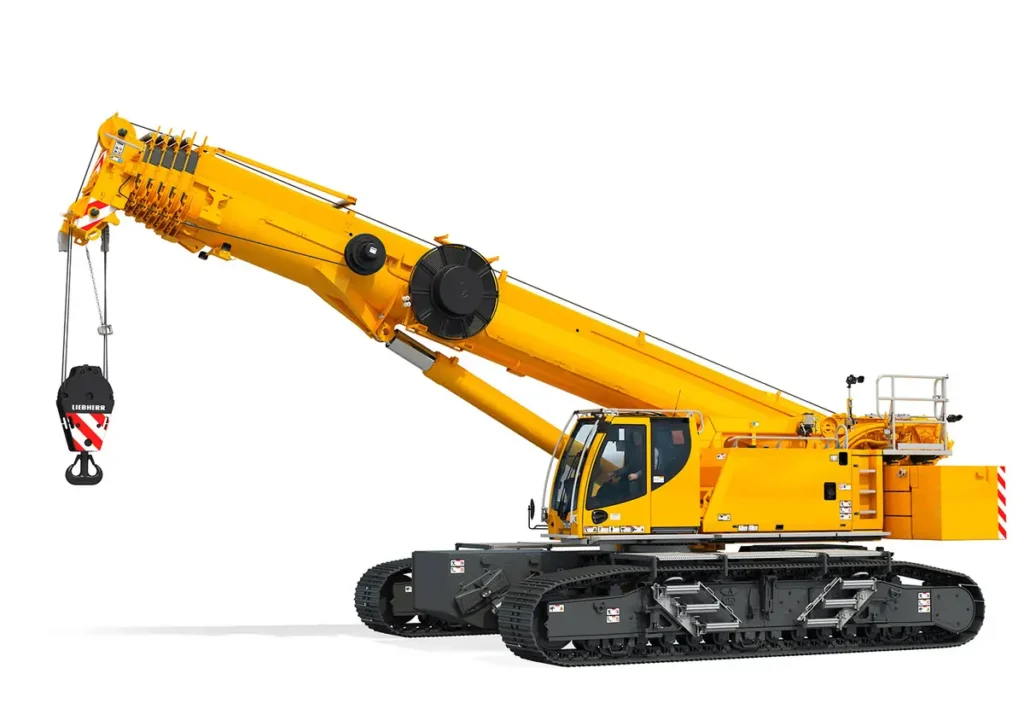
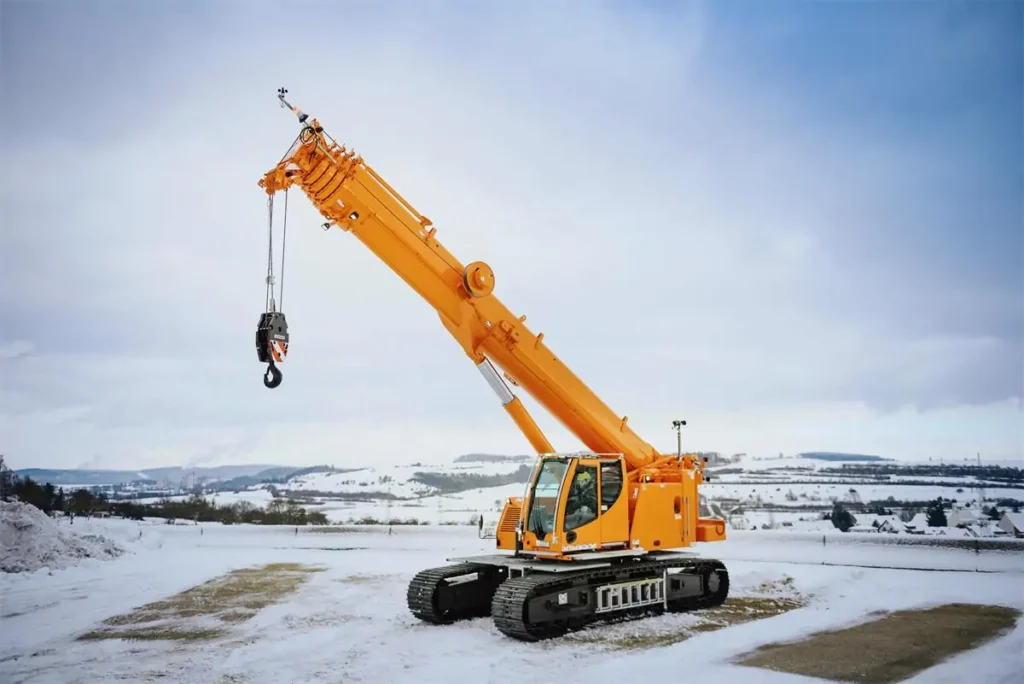
Typical Specifications of Crawler Crane
| Parameter | Typical Range |
|---|---|
| Lifting Capacity | 50 – 3000 tons |
| Boom Length | 30 – 180 m |
| Max Lifting Height | 40 – 200 m |
| Travel Speed | 0 – 2 km/h |
| Ground Pressure | Low ground pressure design |
| Power Source | Diesel hydraulic |
| Mobility | Tracked crawler system |
| Typical Applications | Heavy construction, bridge construction, wind turbine installation |
Gantry Crane
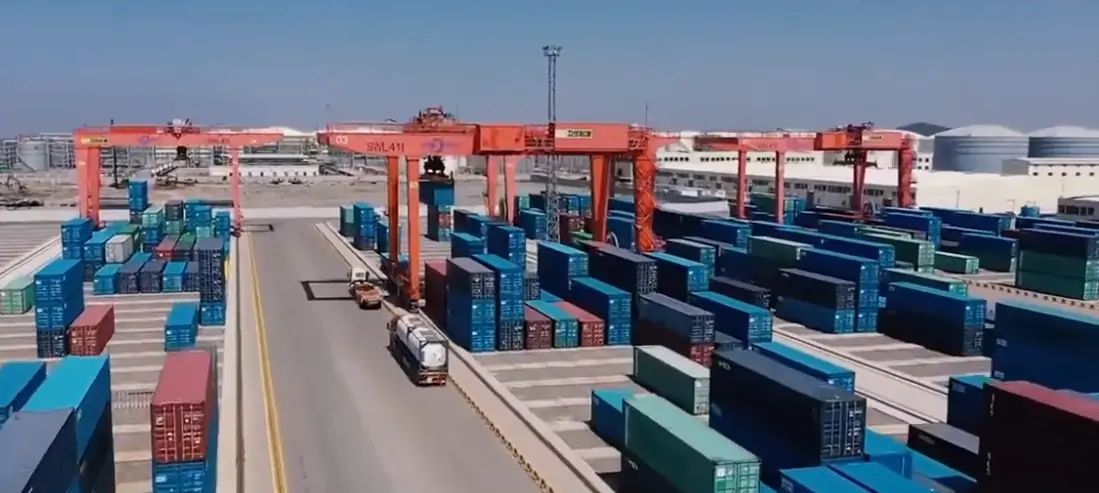
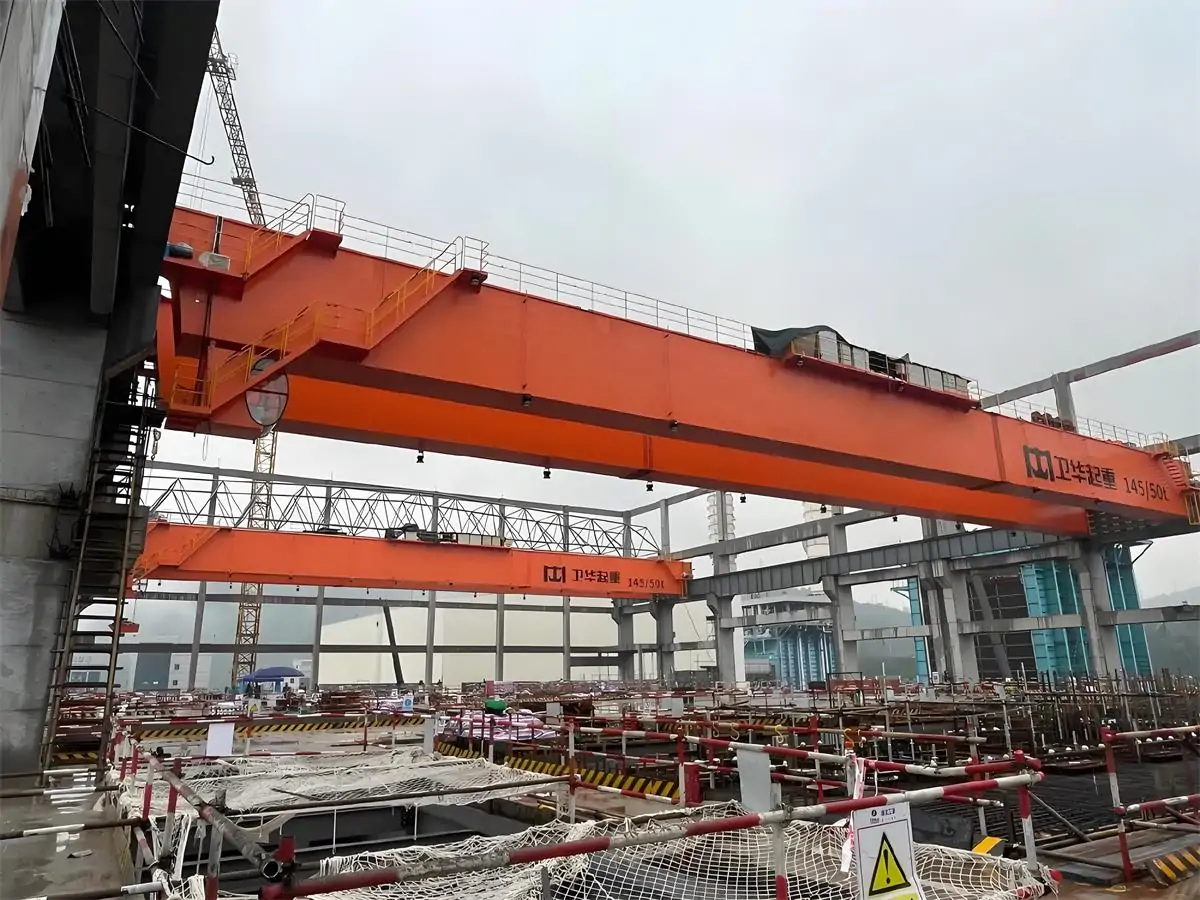
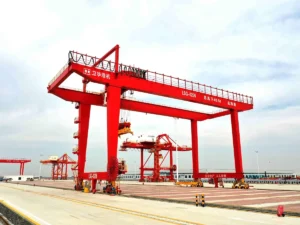
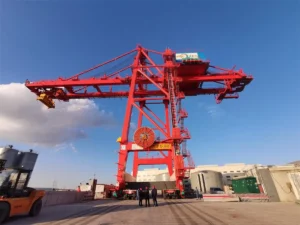
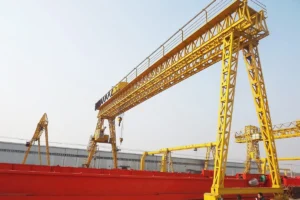
A gantry crane is a type of overhead lifting equipment supported by freestanding legs that move along rails or wheels on the ground. In construction projects, gantry cranes are widely used for handling heavy structural components, precast concrete elements, steel beams, bridge segments, and large construction materials. Because the crane structure does not rely on building columns, it can operate efficiently in open construction sites, prefabrication yards, bridge construction projects, and large infrastructure developments. Compared with other lifting equipment, gantry cranes offer high load capacity, stable operation, and the ability to cover large working areas, making them particularly suitable for precast yard material handling and large component assembly in construction projects.
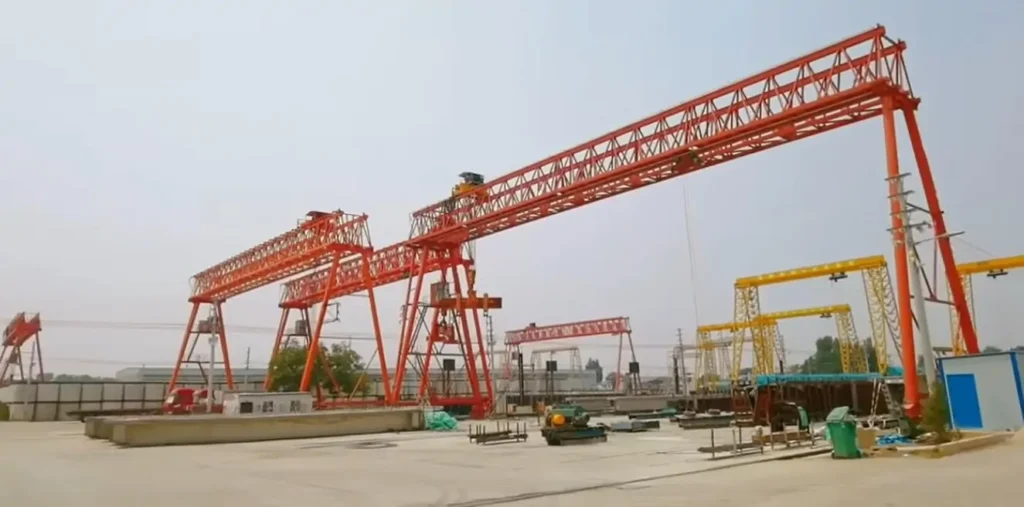
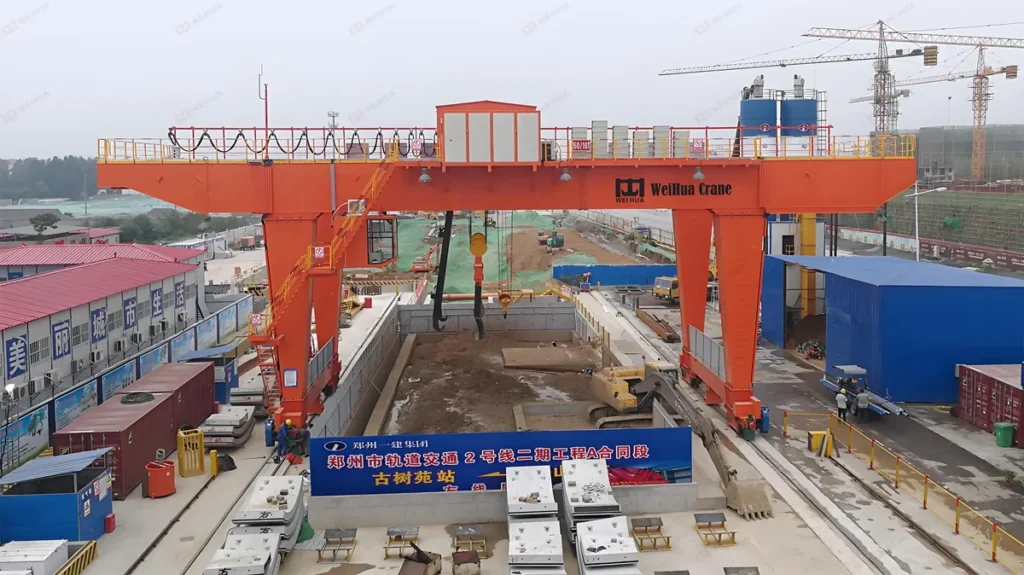
Typical Specifications of Gantry Crane
| Parameter | Typical Range |
|---|---|
| Lifting Capacity | 10 – 300 tons |
| Span | 10 – 50 m |
| Lifting Height | 6 – 30 m |
| Hoisting Speed | 2 – 20 m/min |
| Travel Speed | 20 – 90 m/min |
| Power Supply | Electric cable / Diesel generator |
| Structure Type | Single girder / Double girder |
| Typical Applications | Precast yard handling, bridge construction, large material lifting |
Rubber-Tired Gantry Crane (RTG) in Construction
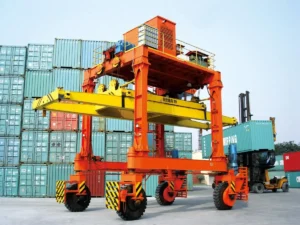
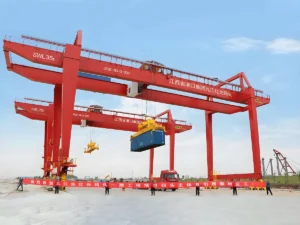
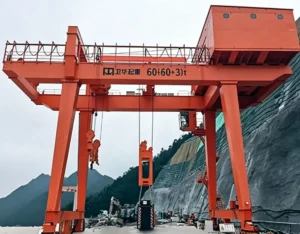
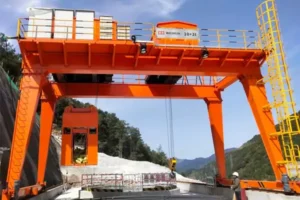
A Rubber-Tired Gantry Crane (RTG) is a mobile gantry crane mounted on rubber tires, allowing it to move freely across construction sites without the need for fixed rails. In construction projects, RTG cranes are commonly used for handling precast concrete components, steel structures, bridge segments, and heavy construction materials. Their high mobility and strong lifting capacity make them ideal for large-scale infrastructure projects such as bridge construction, prefabricated building assembly, and tunnel segment handling. Compared with rail-mounted gantry cranes, RTGs provide greater flexibility and can easily adapt to changing site layouts, making them particularly valuable in temporary or large open construction areas.
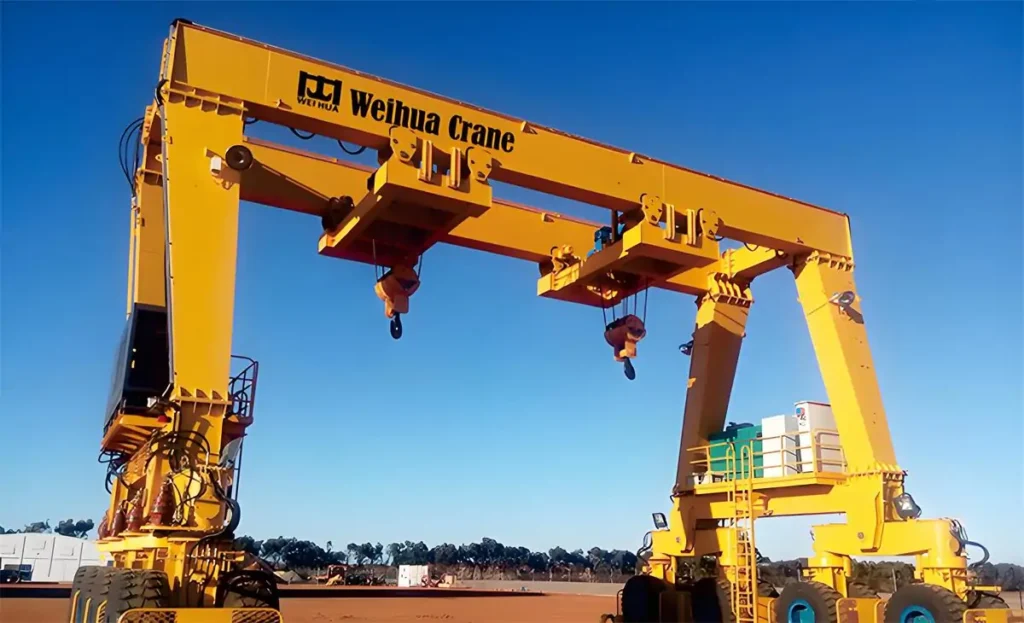
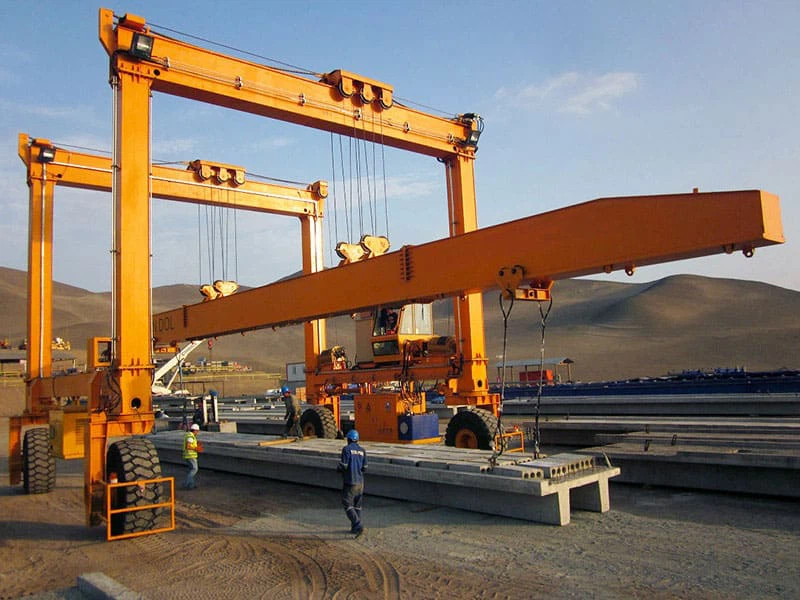
Typical Specifications of Rubber-Tired Gantry Crane for Construction
| Parameter | Typical Range |
|---|---|
| Lifting Capacity | 10 – 200 tons |
| Span | 10 – 40 m |
| Lifting Height | 6 – 30 m |
| Travel Speed | 20 – 90 m/min |
| Hoisting Speed | 2 – 20 m/min |
| Power Supply | Diesel generator / Cable reel / Hybrid power |
| Tire Type | Heavy-duty pneumatic rubber tires |
| Control Method | Cabin control / Remote control |
| Main Applications | Precast concrete handling, steel beam lifting, bridge segment installation, heavy material transportation |
Construction Hoist
Strictly speaking, it does not belong to the traditional category of cranes, but it is equally important on construction sites. It is mainly used for vertical transportation of construction personnel and building materials, playing a crucial role especially in high-rise building construction.
Typical Specifications of Construction Hoist
| Parameter | Typical Range |
|---|---|
| Load Capacity | 1000 – 4000 kg |
| Lifting Speed | 30 – 96 m/min |
| Max Lifting Height | 100 – 450 m |
| Cage Size | 2 – 3.2 m length |
| Power Supply | 380–480 V |
| Drive System | Rack and pinion |
| Safety Systems | Overload protection, limit switch, safety brake |
| Typical Applications | Transporting workers and materials in high-rise construction |
How to Choose the Right Construction Crane?
Different construction projects vary in scale, environment, and requirements. The selection of an appropriate crane can be analyzed from four aspects: building height, lifting weight, construction site space, and project duration.
Building Height:
The height of the building is an important reference factor when selecting a crane. For high-rise or super high-rise buildings, tower cranes are typically required due to their high lifting height and ability to climb as the building increases. For low-rise or small to medium-sized construction projects, mobile cranes or truck-mounted cranes can usually meet the construction needs.
Lifting Weight:
The lifting capacities of different cranes vary significantly. Selection must be based on the weight of materials to be lifted during construction. Large steel structures, precast concrete components, or heavy equipment installation usually require crawler cranes or large tower cranes. For transporting common building materials like rebar, formwork, or small equipment, mobile cranes or tower cranes are generally sufficient.
Construction Site Space:
If the construction site has ample space and good ground conditions, crawler cranes or large mobile cranes can be used for operations. However, in urban construction sites or confined spaces, tower cranes are often more suitable due to their smaller footprint relative to their working range.
Project Duration:
For long-duration projects, such as large high-rise building projects, tower cranes are chosen for long-term fixed operations due to their high work efficiency and suitability for continuous construction. For short-term projects or temporary lifting tasks, mobile cranes offer greater flexibility.
The selection of construction cranes requires comprehensive consideration of multiple factors, including project scale, construction environment, and operational requirements. Choosing the appropriate lifting equipment based on the actual situation is crucial for ensuring construction safety while improving overall project efficiency.
Construction Crane Safety Precautions
Cranes undertake the critical task of lifting heavy materials and equipment. Improper operation or lack of safety management can easily lead to accidents. Therefore, relevant safety regulations must be strictly followed when using construction cranes to ensure the safety of personnel and equipment on site.
- Operators must undergo professional training.
- Strictly adhere to crane load limits.
- Conduct regular equipment inspections and maintenance.
- Pay attention to weather and environmental conditions.
- Maintain safe distances on the construction site.
- Use appropriate lifting tools and equipment.
- Establish standardized command and communication mechanisms.
Large-scale lifting operations often require coordination among multiple workers, and a designated signal person should be assigned. Using standardized hand signals or communication devices for direction can effectively prevent operational errors and improve construction safety.
Conclusion
Selecting a crane involves not only considering factors like the job requirements, site conditions, load, and project timeline but also ensuring safety, efficiency, and economic suitability. Weihua as a heavy duty crane manufacturer and supplier, has comprehensive product line, reliable performance, and excellent service, capable of providing professional lifting solutions for various types of construction projects. For detailed technical parameters or industry-specific customized solutions, please feel free to contact us.