
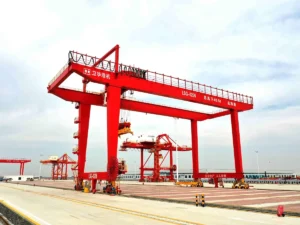
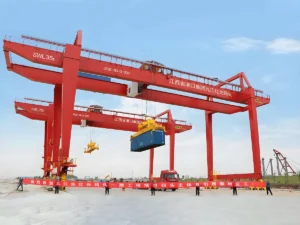
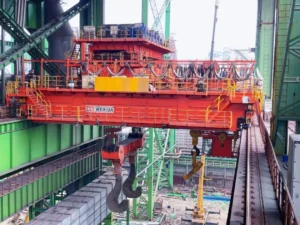
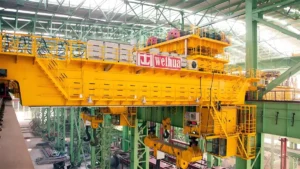
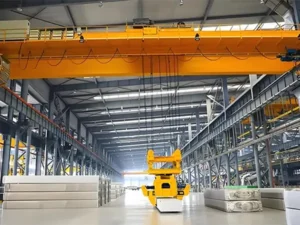
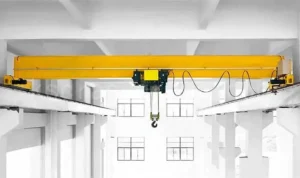
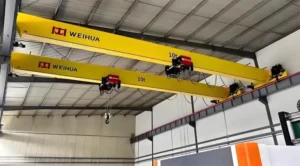
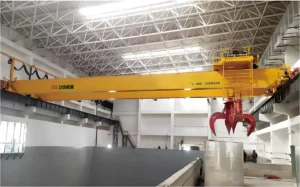
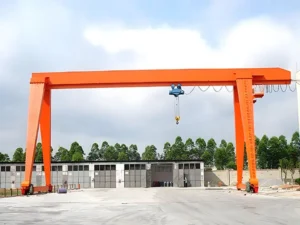
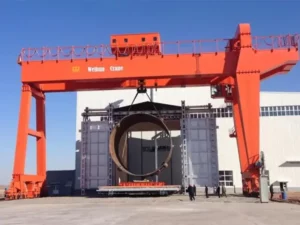
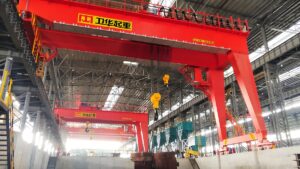
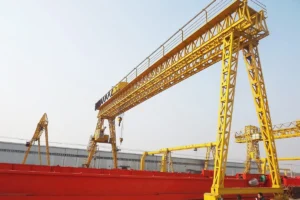

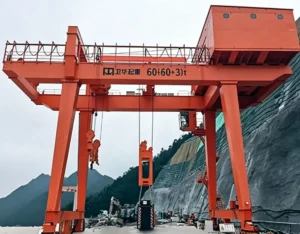
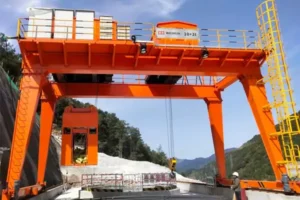







What is rmg crane?short for Rail Mounted Gantry Crane, operate on fixed rails and are primarily used for container handling operations in ports, railway container yards, and intermodal logistics terminals. Compared to rubber-tired gantry cranes, RMG cranes are more suitable for high-intensity, high-precision continuous operations, offering high stability, excellent positioning accuracy, and ease of automation.
This article will systematically introduce what an RMG crane is, including its typical application scenarios, working principles, main technical parameters, and the core differences between RMG and RTG cranes. It will also analyze the advantages of RMG cranes in modern container handling and help you understand RMG cranes in the context of yard size, operational efficiency, and automation requirements.
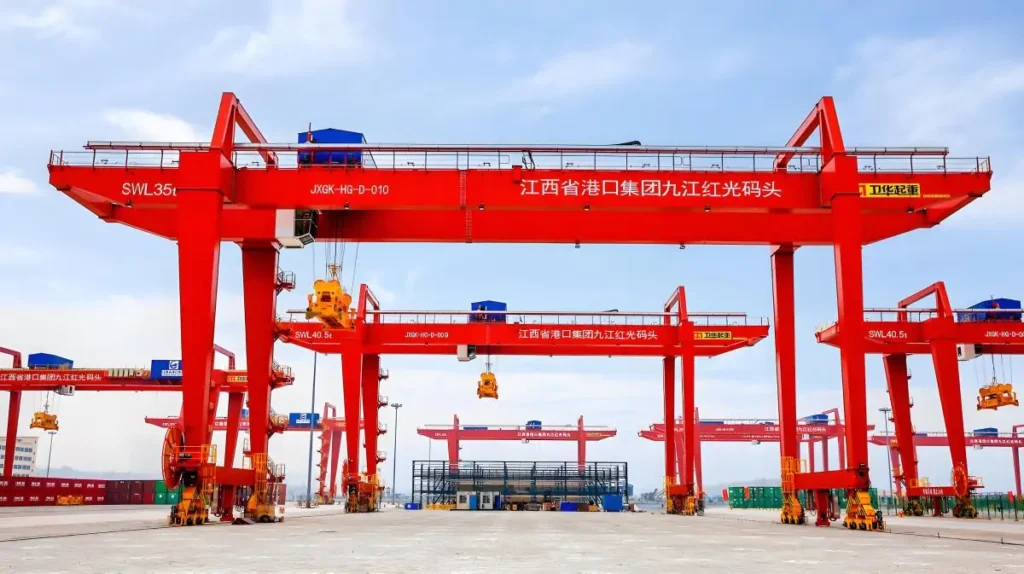
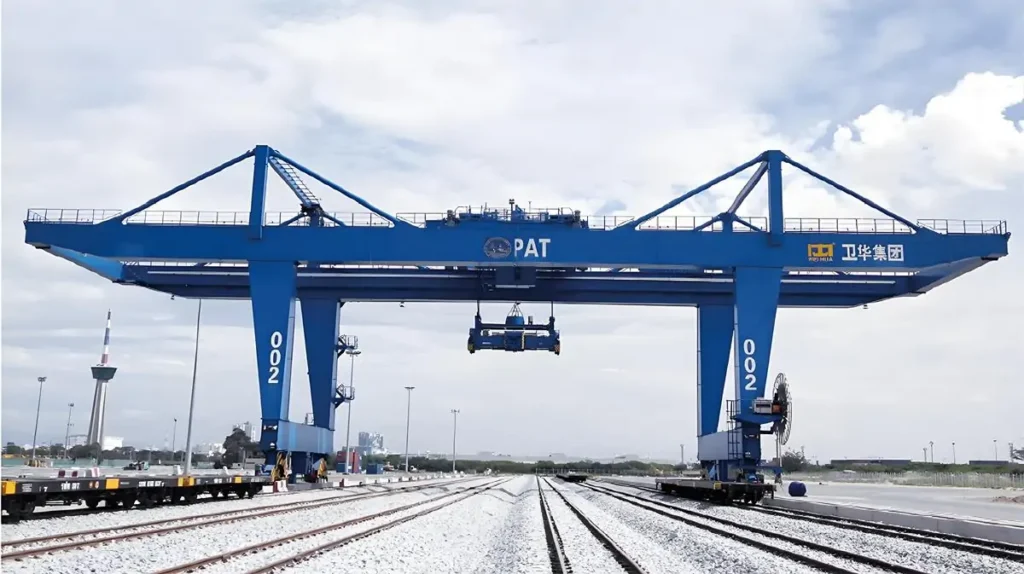
Table of Contents
What Is an RMG Crane?
RMG cranes are high-efficiency container handling and stacking equipment designed for ports, railway freight yards, and large logistics parks.
They operate on rails, with the wheels moving on fixed tracks on the ground. Equipped with a retractable container spreader, they can lift, stack, and transfer 20-foot, 40-foot, and 45-foot international standard containers.
Where Are RMG Cranes Commonly Used?
RMG cranes are used in scenarios with relatively fixed operating procedures, high container turnover rates, and demanding requirements for operational stability and positioning accuracy. RMG cranes operate on rails, making them more suitable for medium-to-large-sized container yards and long-term operational projects.
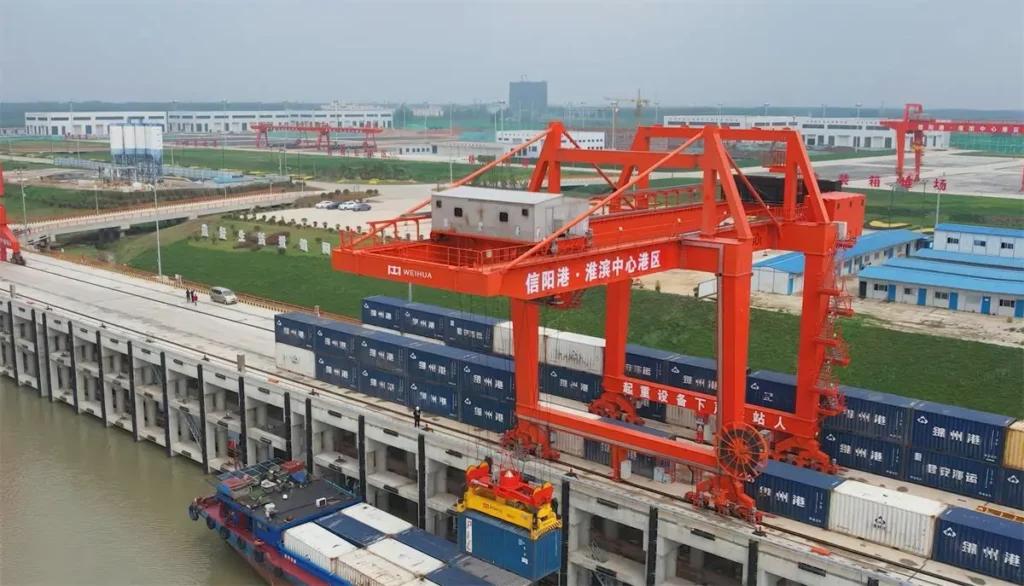
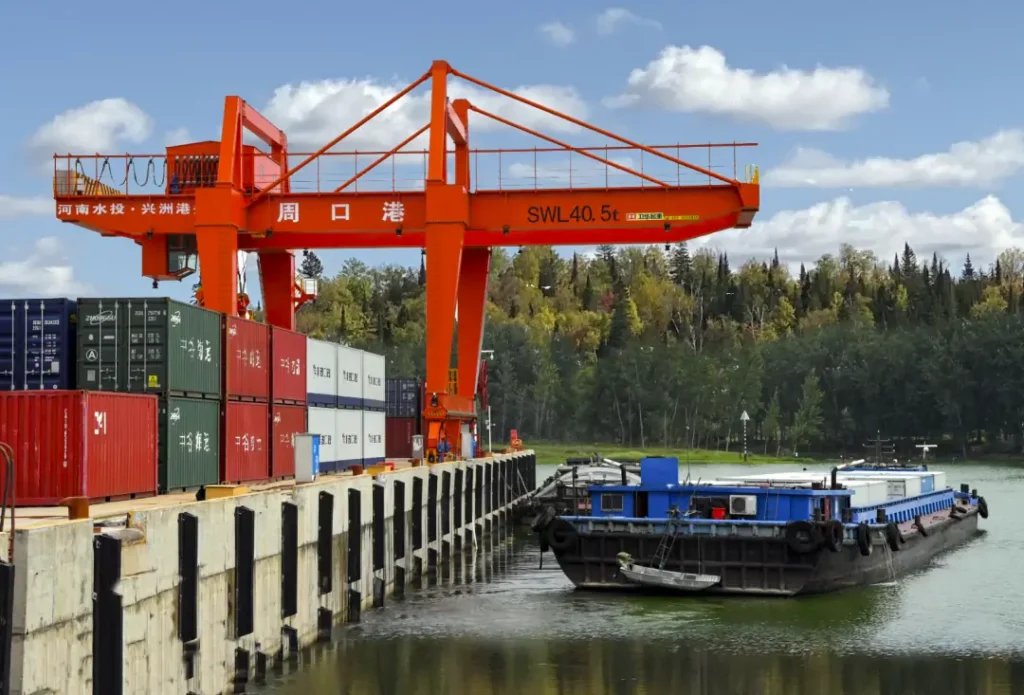
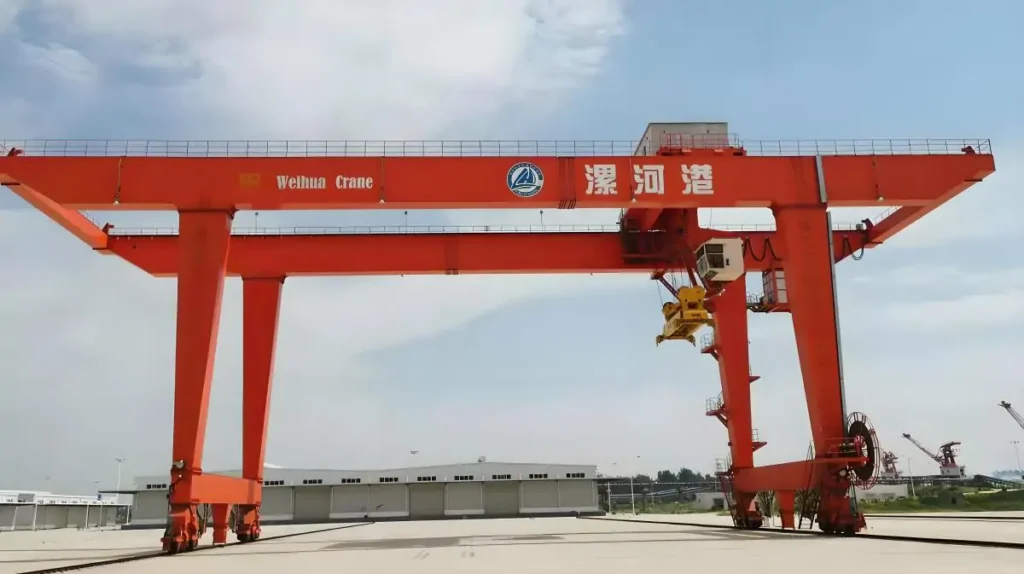
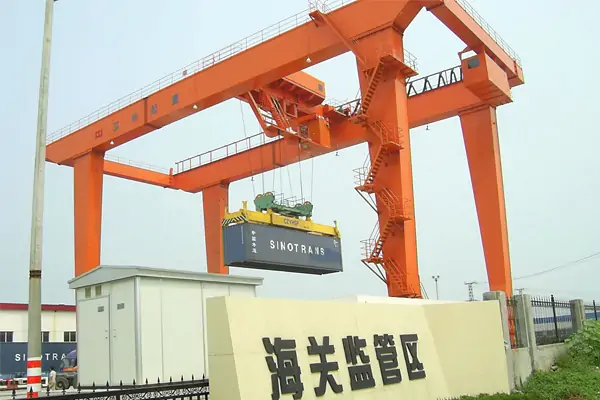
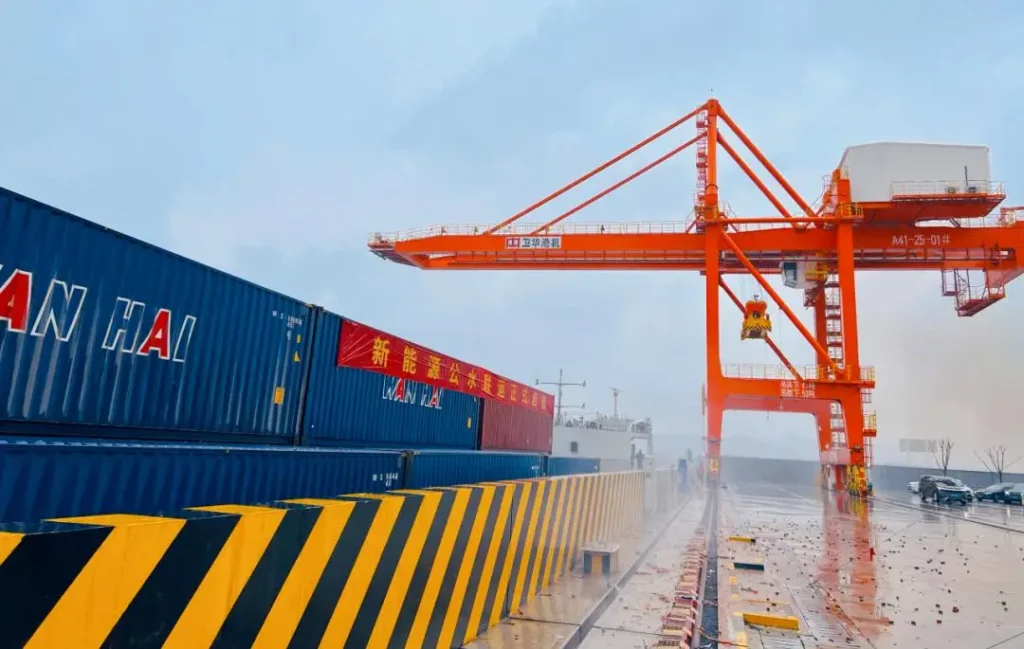
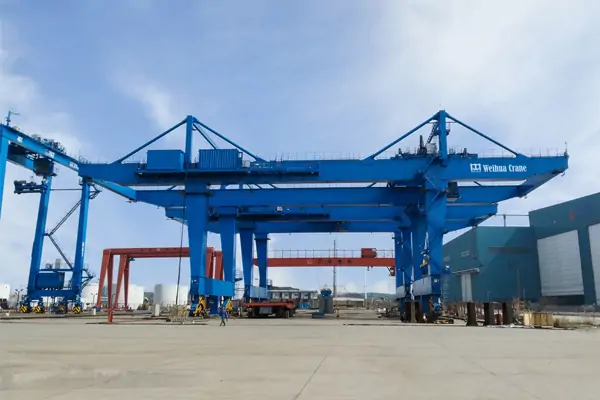
Typical application scenarios include:
- Container terminals
- Railway container yards
- Intermodal logistics hubs
- Automated container yards
How Does an RMG Crane Work?
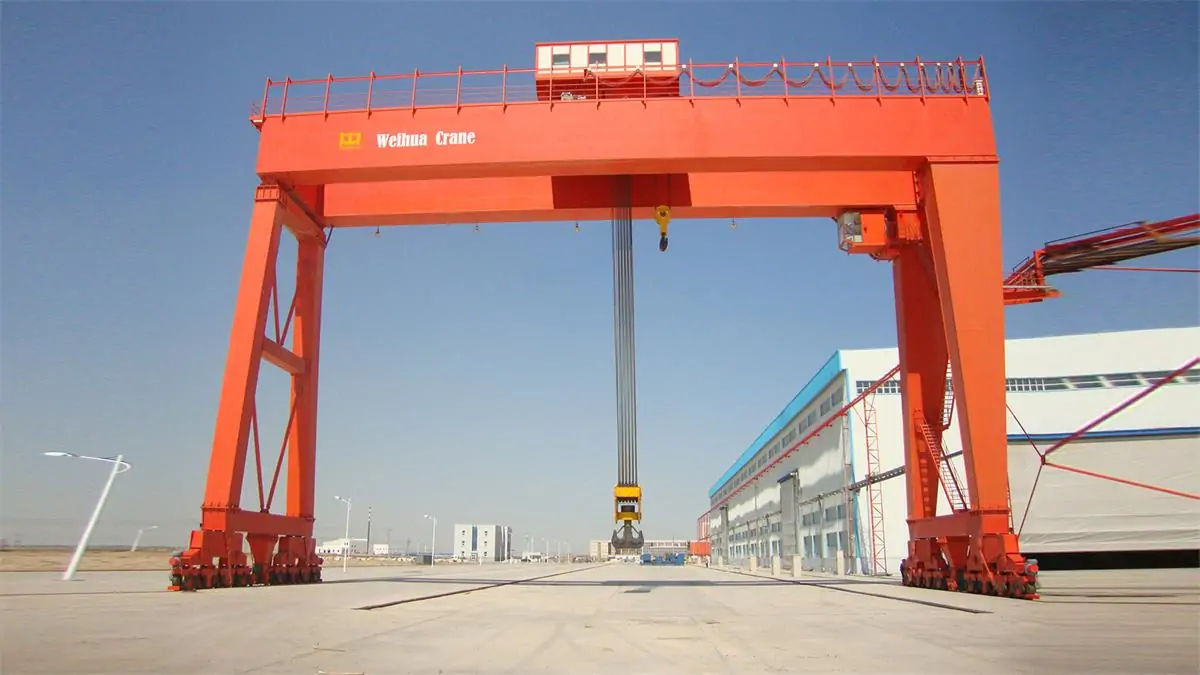
RMG cranes operate on fixed ground rails, with the gantry traveling along the tracks to cover the container yard. The rail-mounted design provides stable and precise positioning.
The crane operates through three coordinated motion systems: the hoisting mechanism uses wire ropes and a spreader to lift and lower containers, the trolley moves horizontally along the main beam to position the cargo, and the gantry travels along the rails to reach different rows.
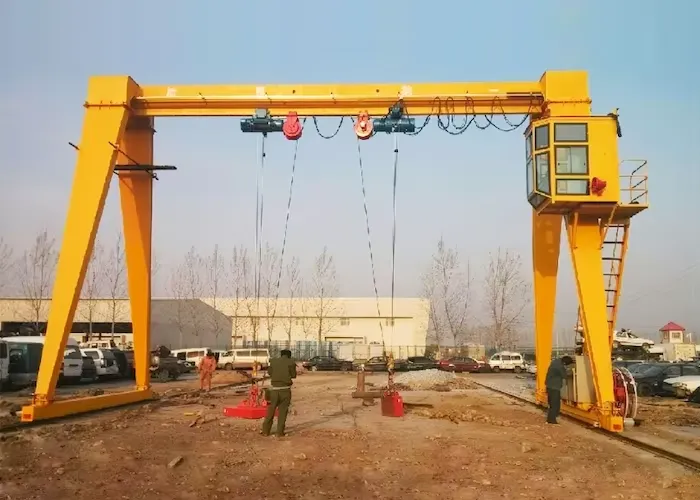
The structure consists of vertical legs and a horizontal main beam, with the legs spanning the container stacks and the trolley running on the main beam’s track. The gantry wheels, trolley, and hoisting mechanism each have independent drive systems.
RMG cranes can be optionally equipped with automation and remote control. The automation system performs preset operations using sensors and positioning technology, while remote operation allows a single operator to manage multiple cranes from a control room, monitoring operations via video and data.
Key Specifications of an RMG Crane
The technical parameters of RMG cranes are generally configured according to the specific project conditions. Different yard sizes, operational efficiency, and levels of automation require different crane performance specifications. The following parameters are the key indicators most frequently considered when selecting cranes for port and rail container projects, and can be used as a reference.
| Specification Item | Typical Range / Description |
|---|---|
| Lifting Capacity | Commonly 30–65 tons, customizable based on container type and handling requirements |
| Span | Designed according to yard width and container rows, typically covering multiple container lanes |
| Lifting Height | Determined by stacking height, suitable for multi-tier container stacking |
| Working Duty Class | Heavy-duty design for continuous, high-frequency container handling operations |
| Traveling Speed | Optimized for efficient longitudinal and transverse movements within the yard |
| Power Supply System | Rail-mounted power supply, cable reel or conductor rail options available |
| Control Mode | Cabin control, remote control, or fully automated operation |
| Automation Compatibility | Can be integrated with terminal operating systems (TOS) and yard management systems |
| Anti-sway & Positioning | Equipped with anti-sway control for precise container positioning |
| Environmental Adaptation | Designed for outdoor operation, adaptable to wind, temperature, and corrosive environments |
RMG Crane vs RTG Crane – What’s the Difference?
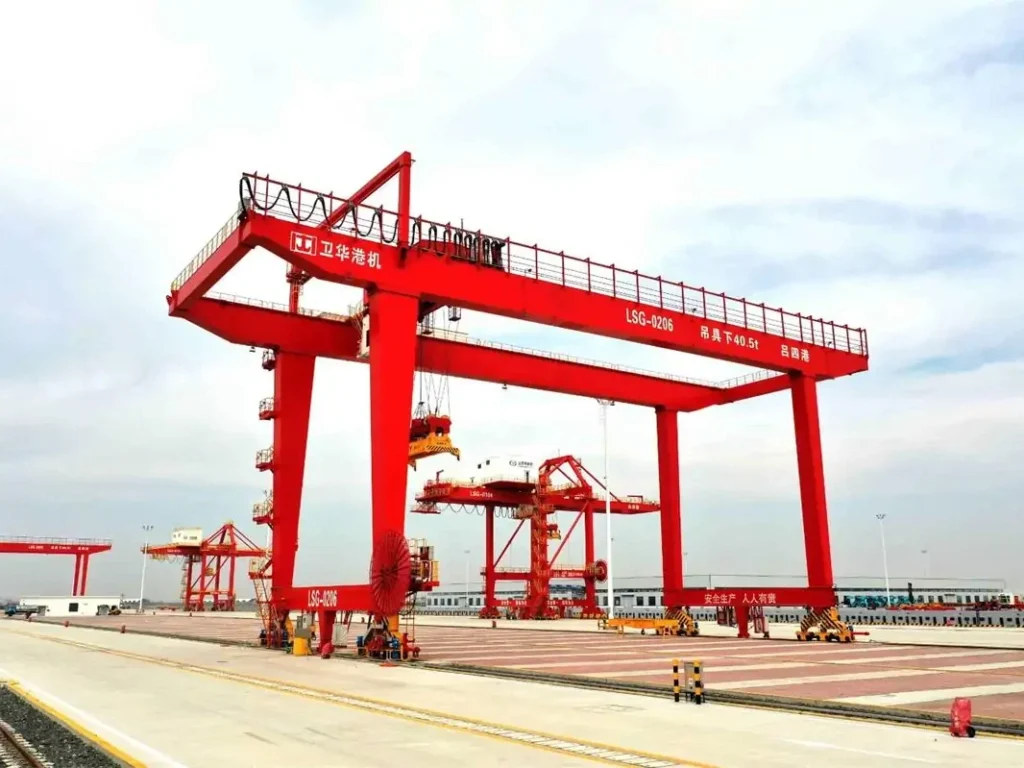
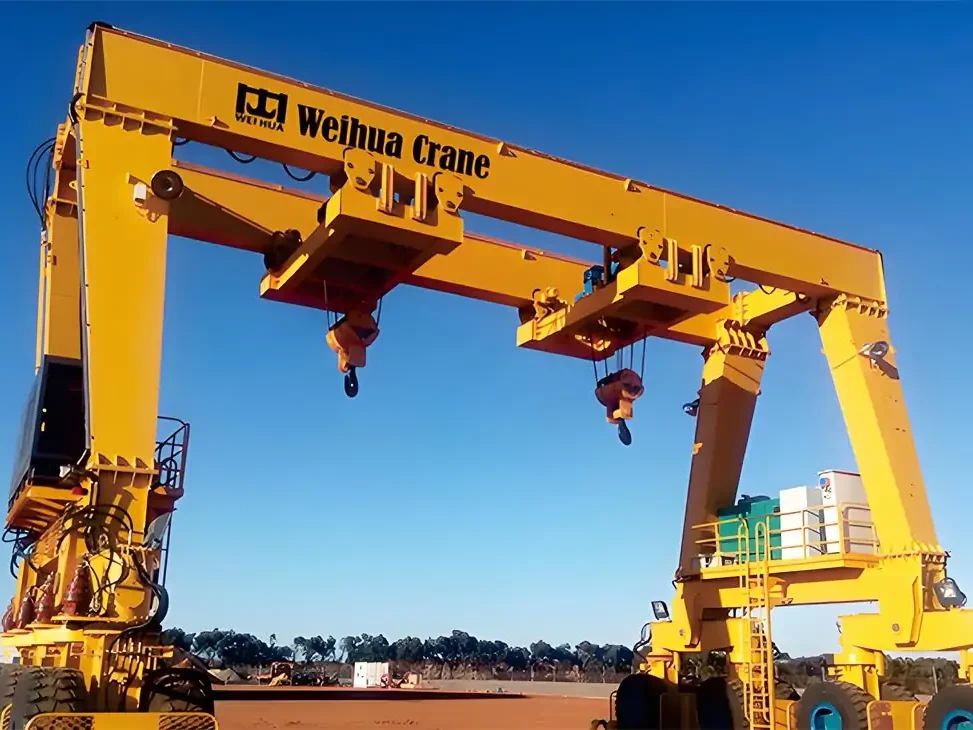
When selecting container yard equipment, RMG and RTG cranes are the two most commonly compared gantry crane solutions. Both are used in port and rail container operations, but they differ in their operating methods, initial investment, automation capabilities, and long-term operating costs. Understanding these key differences will help you choose the most suitable equipment.
| Comparison Item | RMG Crane | RTG Crane |
|---|---|---|
| Traveling Method | Rail-mounted, runs on fixed rails | Rubber tyred, free to move within the yard |
| Yard Layout Requirement | Fixed and well-planned yard layout | Flexible layout, lower civil work requirement |
| Stability & Positioning | High stability and precise positioning | Lower positioning accuracy compared to RMG |
| Automation Potential | Highly suitable for automation and remote control | Limited automation capability |
| Operating Efficiency | Consistent efficiency in high-density yards | Efficiency depends on operator skill |
| Initial Investment | Higher due to rail and infrastructure | Lower initial equipment cost |
| Long-term Operating Cost | Lower over lifecycle, reduced fuel and maintenance | Higher fuel and maintenance cost |
| Typical Applications | Automated terminals, railway yards, large container terminals | Conventional terminals, temporary or flexible yards |
Advantages of RMG Cranes for Container Handling
Rail-mounted gantry cranes (RMGs) operate on rails and offer advantages in positioning accuracy, automation, and cost management, making them ideal for terminals and logistics centers requiring high-density storage.
- High Positioning Accuracy: The tracks restrict the movement path of the gantry and trolley, enabling millimeter-level positioning accuracy. This reduces the likelihood of container collisions and allows for tighter, safer stacking.
- Easy Automation: The fixed track path simplifies the installation of sensors and positioning equipment. Currently, many terminals have implemented unmanned operation of RMG cranes, automatically handling and storing containers.
- Lower Operating Costs: Steel wheels running on steel rails experience minimal wear, resulting in lower maintenance frequency. Electric drive is more economical than diesel drive, reducing energy costs.
- Ideal for High-Density Yards: Due to the fixed track spacing, aisle widths can be minimized, and stacking heights can generally reach 5-6 layers. This high-density storage maximizes land utilization.
How to Choose the Right RMG Crane for Your Project?
When selecting an RMG crane, the following factors should be considered: yard size, throughput, automation requirements, and cost:
- Yard Size: The span and travel distance must cover the entire yard.
- Throughput: High-throughput terminals require models with high load capacity and continuous operation capabilities.
- Automation Level: Choose a remote or fully automated control system based on automation requirements.
- Budget & Lifecycle Cost: Consider both initial investment and long-term maintenance and operating costs.
Conclusion
RMG cranes offer high stability, high positioning accuracy, and automation capabilities, making them ideal for ports, railway container yards, and intermodal logistics centers. This article provides an overview of their applications, working principles, key parameters, advantages, and customization options, giving you a clearer understanding of RMG cranes.
If you are planning a new yard or upgrading existing equipment, choosing the right RMG crane is crucial for improving efficiency and reducing long-term operating costs. Contact our professional team for customized solutions.
FAQS
What is an RMG crane?
RMG stands for Rail Mounted Gantry Crane, running on fixed rails for container handling in ports and railway yards.
Where are RMG cranes used?
Commonly in container terminals, railway yards, intermodal hubs, and automated container yards.
How does an RMG crane work?
The crane moves along rails while a trolley runs on the main beam to lift and position containers. It can be cabin-operated, remote-controlled, or automated.
Can RMG cranes be customized?
Yes, including span, lifting capacity, anti-sway systems, automation, and environmental adaptations.
What are the main advantages of RMG cranes?
High stability, precise positioning, suitable for automation, lower long-term costs, and efficient yard utilization.