- ProdutoEquipamentoPrecisão de Potência, Personalização Solução de GruaCorreio eletrónico:WhatsApp / Wechat:+8613781917315Morada:N.º 18 Shanhai Road, Changyuan City, Província de Henan, China
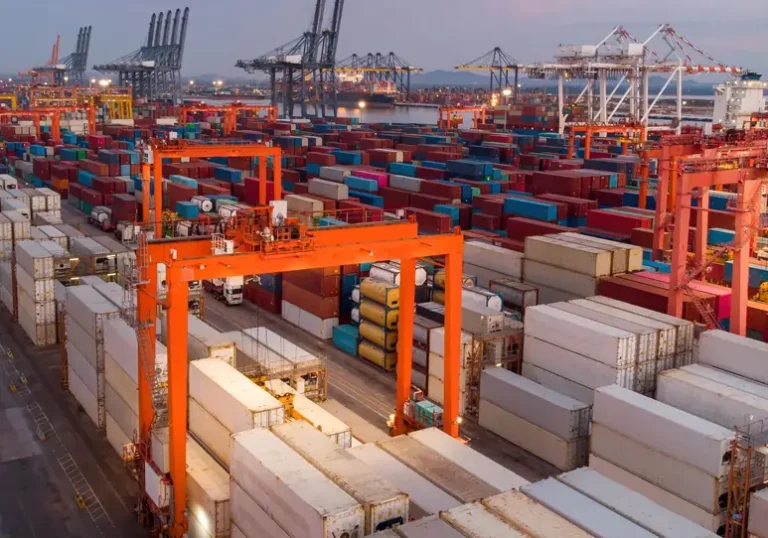
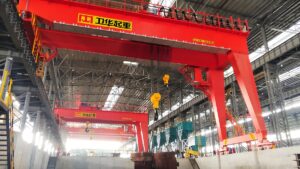
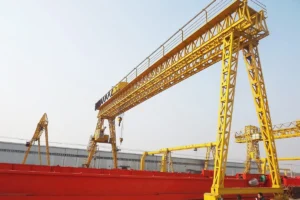
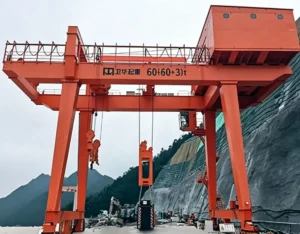
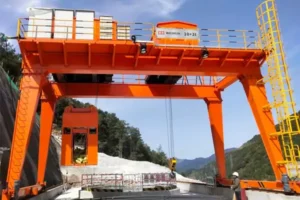
Um guindaste pórtico portuário é uma máquina de elevação de grande porte utilizada em portos, terminais de contêineres e pátios de carga para carregamento, descarregamento, empilhamento e movimentação de materiais. Também é conhecido como guindaste pórtico ou guindaste pórtico para contêineres. Consiste em uma estrutura de pórtico, carro, sistema de içamento, mecanismo de translação e sistema de controle elétrico. O guindaste se desloca por meio de sistemas de translação do carro e do próprio guindaste para realizar operações de elevação e transferência de carga em grandes áreas de trabalho.
Os guindastes pórticos portuários dividem-se principalmente em guindastes pórticos sobre pneus (RTG) e guindastes pórticos sobre trilhos (RMG). Os guindastes RTG utilizam pneus para movimentação flexível e são amplamente utilizados em terminais de contêineres, com capacidades de elevação típicas de 40 a 50 toneladas e alturas de empilhamento de 5 a 6 camadas de contêineres. Os guindastes RMG deslocam-se sobre trilhos fixos e são adequados para movimentação de contêineres de alta eficiência, com modelos de grande porte atingindo um vão de 30 a 40 metros e abrangendo mais de 10 fileiras de contêineres. O guindaste pode ser personalizado de acordo com a capacidade de elevação, o vão, a altura de trabalho e as condições do local.
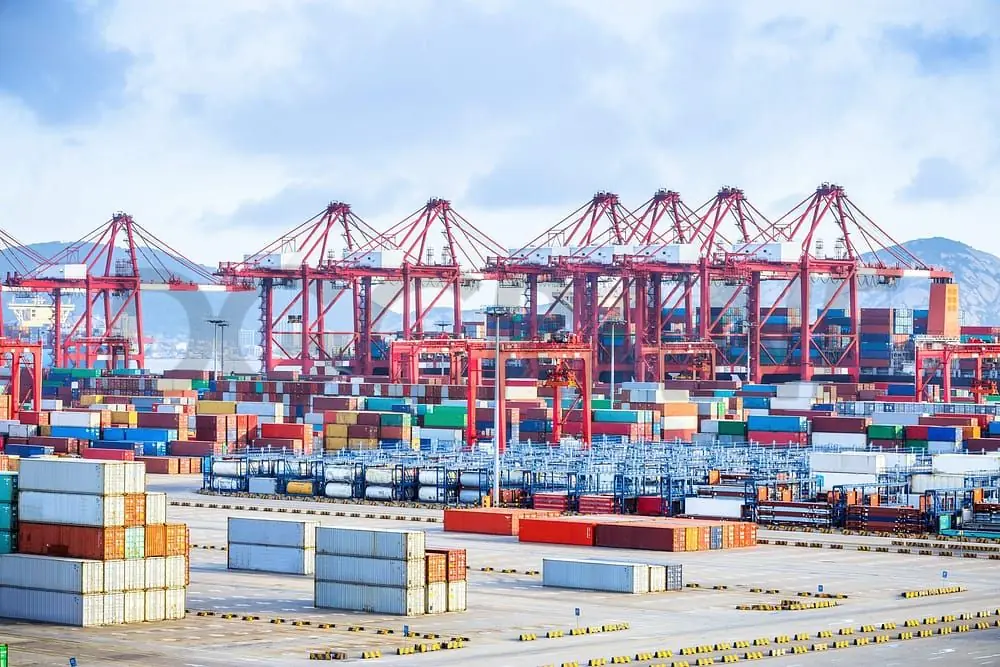
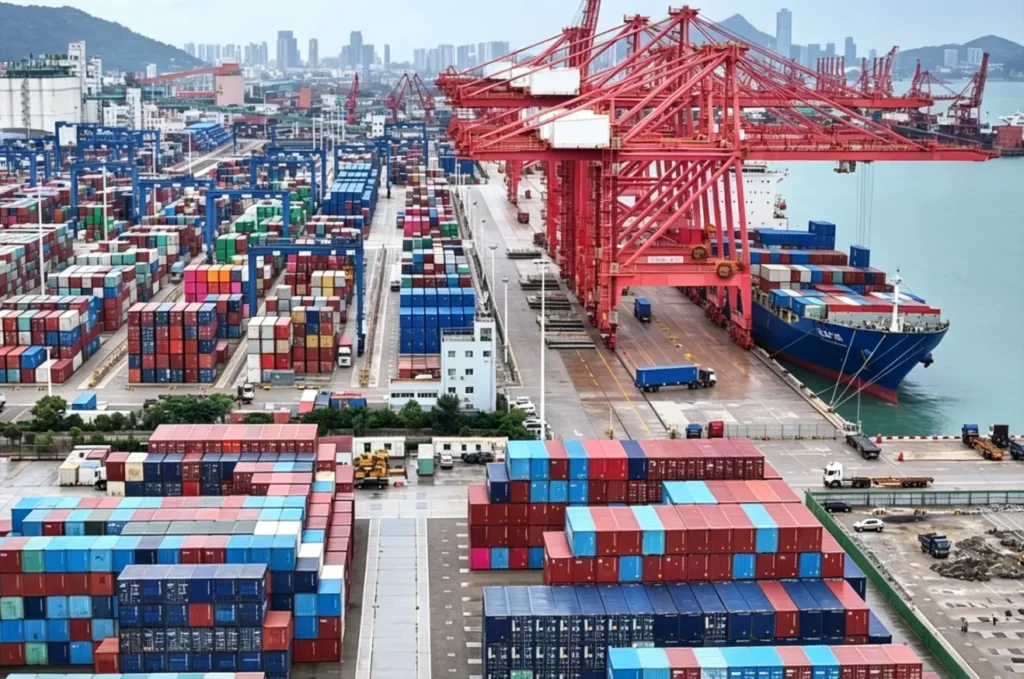
Os guindastes pórticos portuários são projetados para diferentes necessidades de movimentação portuária. De acordo com o método de deslocamento, a área de trabalho e as tarefas de elevação, eles são divididos principalmente em RTG (Royal Tunneling Guindaste), RMG (Royal Tunneling Guindaste), guindastes de cais e guindastes pórticos hidráulicos.
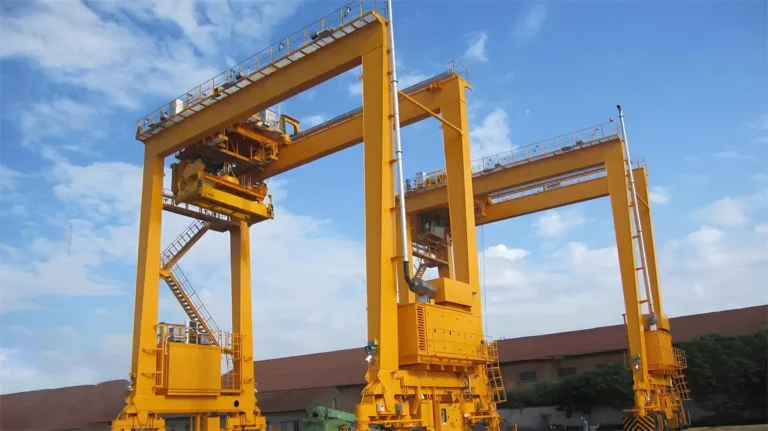
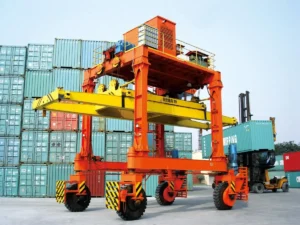
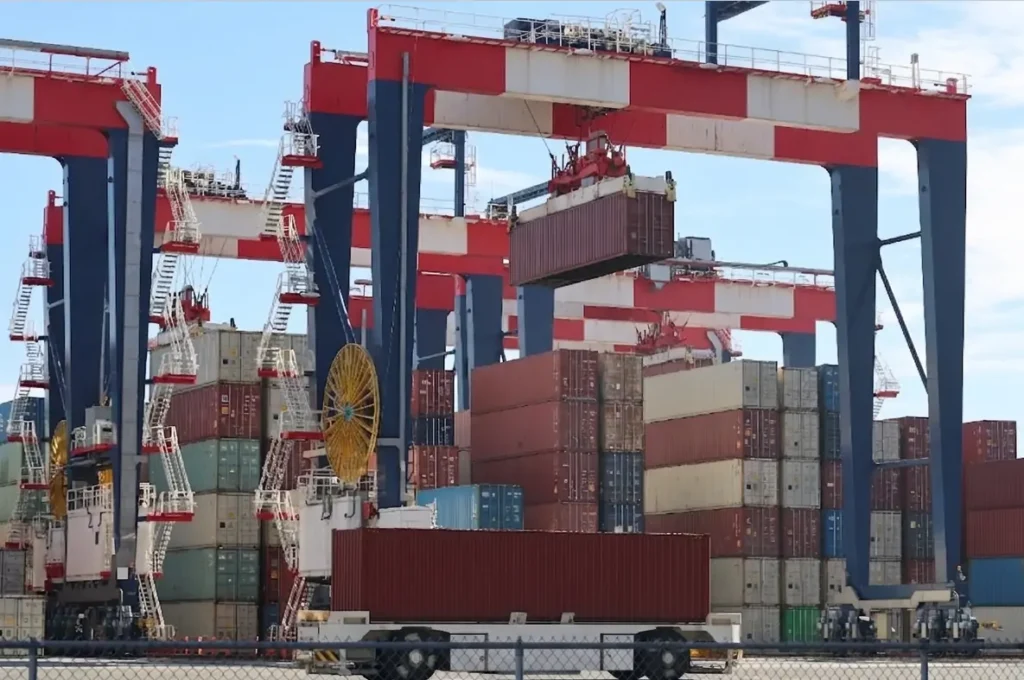
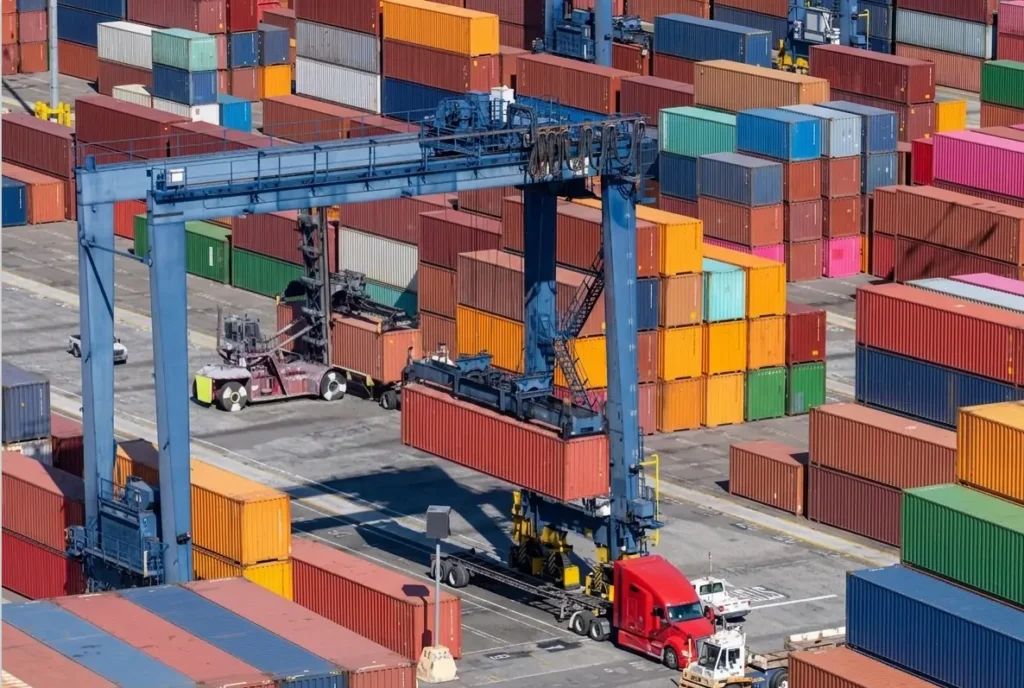
Guindaste pórtico sobre pneus (RTG) Utiliza pneus de borracha para movimentação sem trilhos fixos. Pode se deslocar livremente dentro do pátio de contêineres e é adequado para operações que exigem mudanças frequentes de posição. Os guindastes RTG são geralmente movidos por grupos geradores a diesel ou sistemas híbridos e são usados principalmente para empilhamento e transferência de contêineres.
Capacidade de elevação: 30–70 toneladas
Extensão: 10–35m
Altura de elevação: 15–30m
Classe trabalhadora: A6–A8
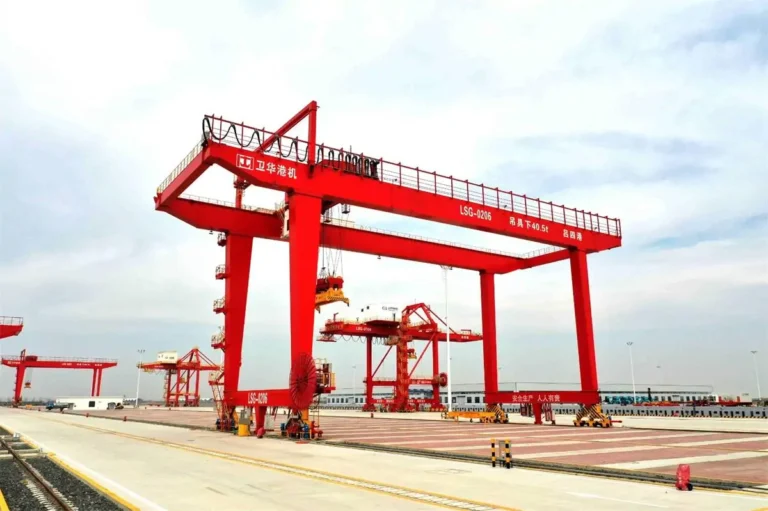
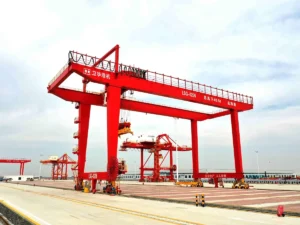
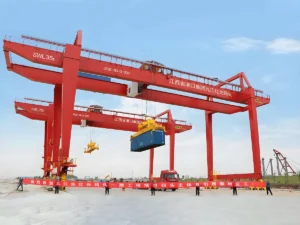
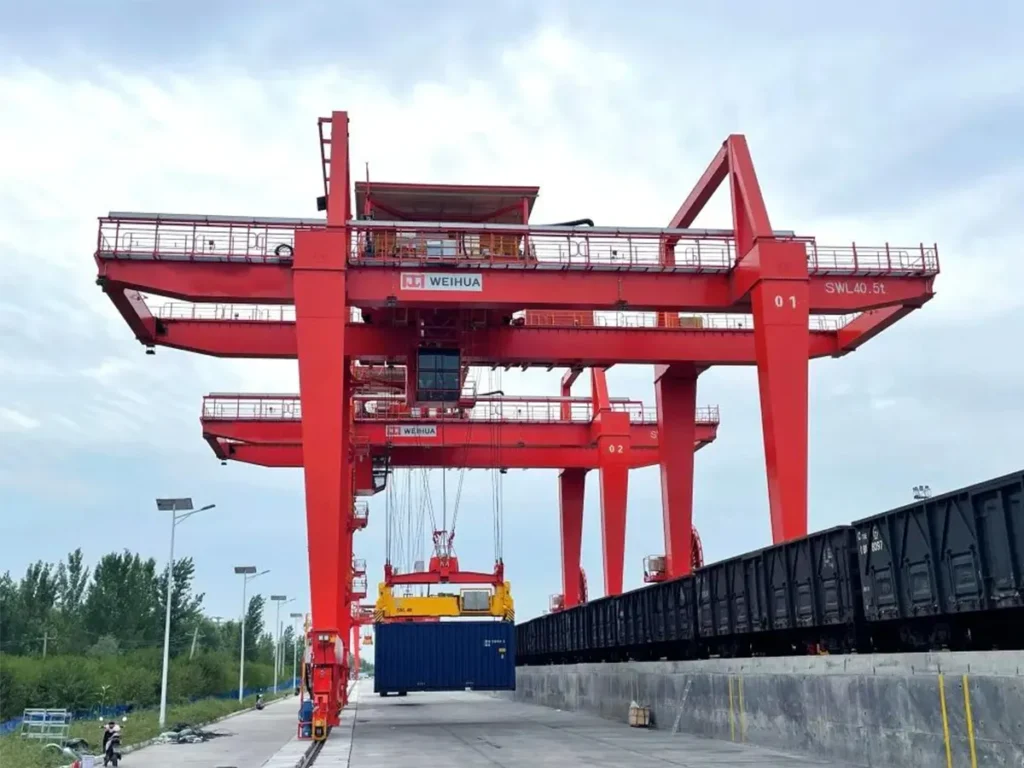
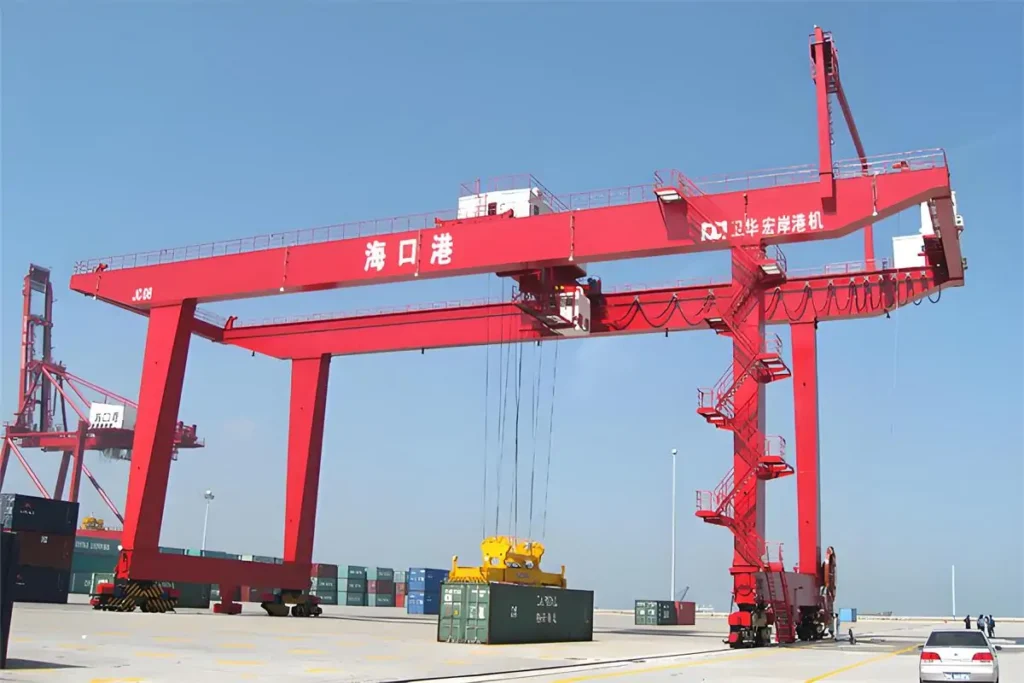
Guindaste pórtico sobre trilhos (RMG) Desloca-se sobre trilhos fixos e é acionado por um sistema elétrico. Proporciona um deslocamento estável, posicionamento preciso e é amplamente utilizado em grandes pátios de contêineres, terminais ferroviários e áreas de armazenamento automatizadas.
Capacidade de elevação: 20–65 t
Extensão: 18–40 m
Altura de empilhamento: 3–6 camadas
Altura de elevação: 8–20 m
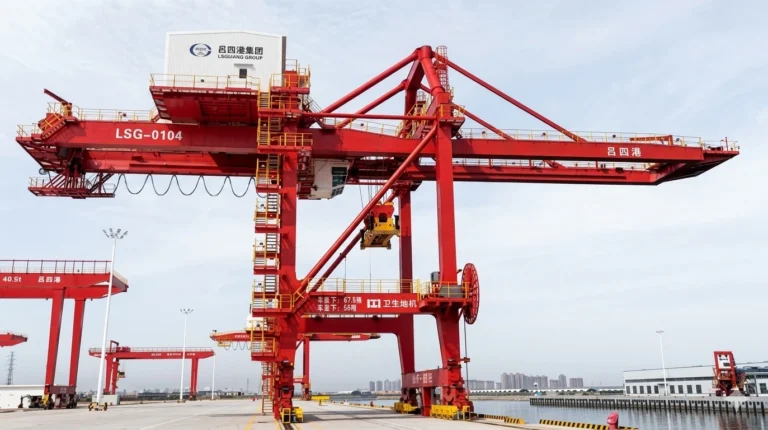
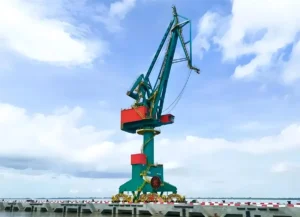
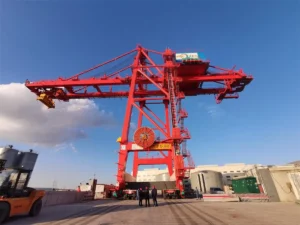
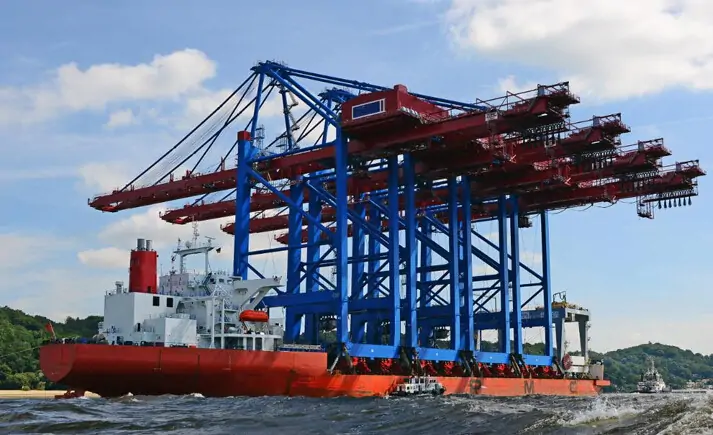
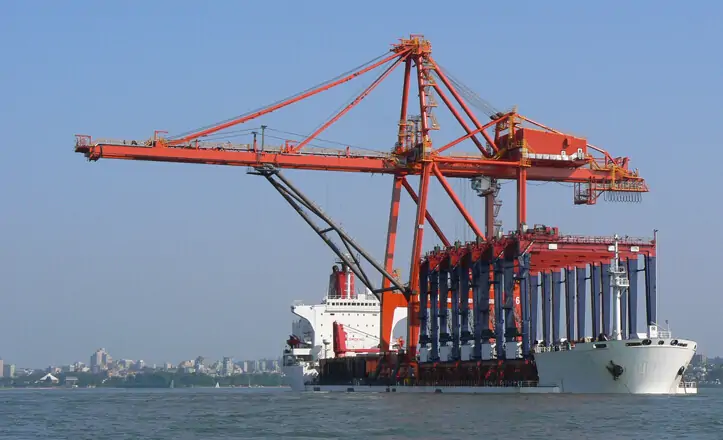
Guindaste de contêineres no cais É instalado na entrada dos terminais de contêineres para carga e descarga de contêineres entre navios e pátios portuários. O guindaste se desloca ao longo dos trilhos do cais e utiliza um spreader de contêineres e um sistema anti-oscilação para as operações de movimentação de navios.
Capacidade de elevação: 5–80 toneladas
Raio de Trabalho: 15–45 metros
Altura de elevação: 10–45 metros
Classe Trabalhadora: A5–A7

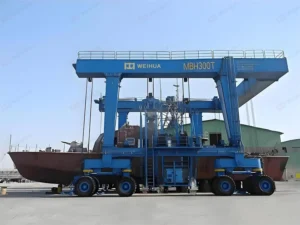
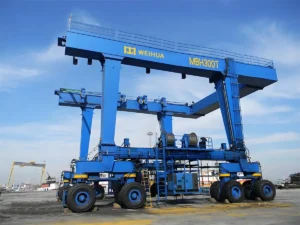
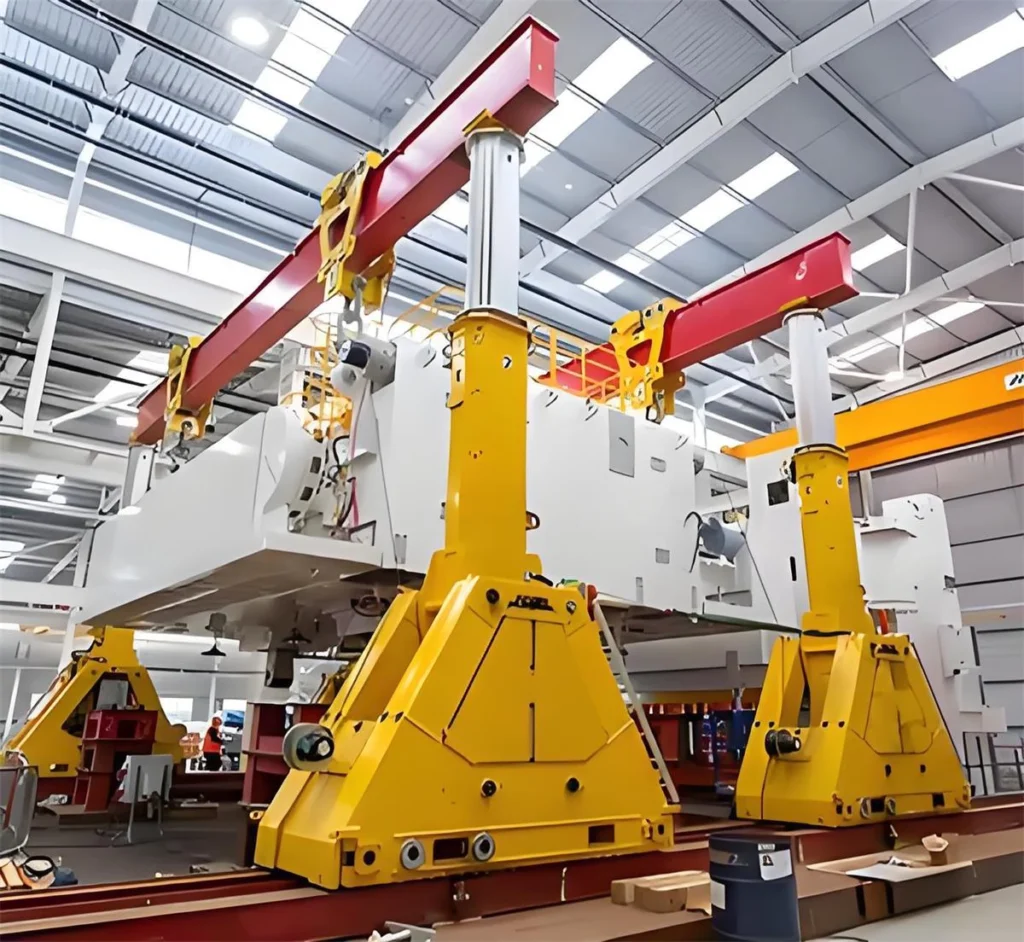
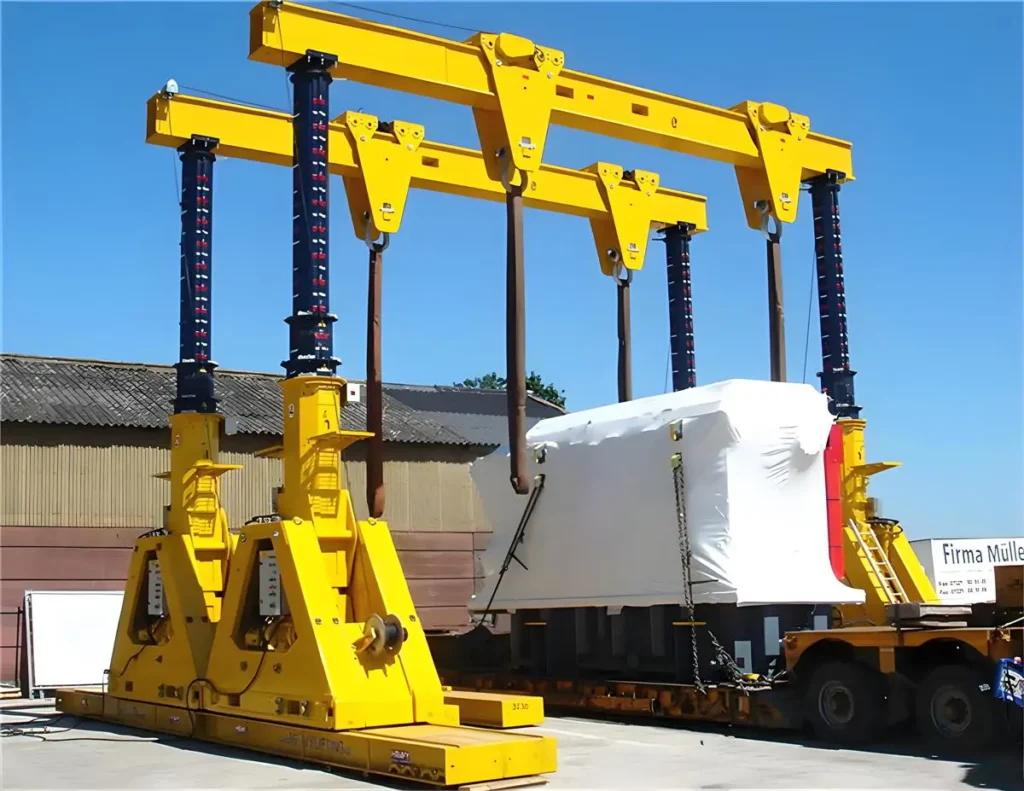
Guindaste pórtico hidráulico Utiliza sistemas hidráulicos para ajustar a altura da viga principal ou a posição das pernas. É adequado para locais com espaço limitado ou aplicações que exigem ajustes frequentes na altura de elevação e nas dimensões de trabalho. É usado principalmente para movimentação de equipamentos pesados em fábricas, armazéns e projetos especiais de elevação.
Capacidade de elevação nominal: 10t-1000t
Altura máxima de elevação: 4,5-12m
Peso: 5000kg
Vanzo: 8-35m
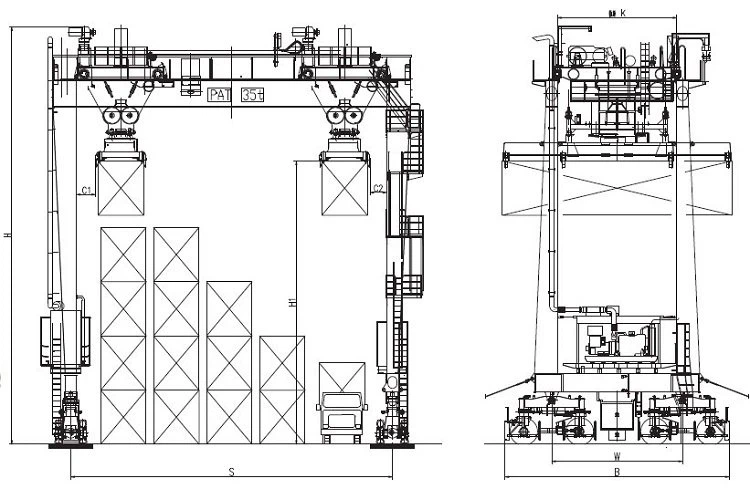
Um guindaste pórtico portuário consiste em vários sistemas essenciais, incluindo a estrutura do pórtico, o sistema de içamento, o sistema de carro, o mecanismo de deslocamento, o spreader e o sistema de controle elétrico. Cada componente trabalha em conjunto para dar suporte às operações de movimentação de contêineres e elevação de cargas pesadas.
A combinação desses componentes determina a capacidade de elevação, a estabilidade operacional e a eficiência de trabalho do guindaste. A WEIHUA pode personalizar as configurações dos componentes de acordo com as necessidades de elevação e as condições do local.
| Parâmetro | Especificação |
|---|---|
| Capacidade de Elevação | 5–200 toneladas |
| Capacidade máxima de elevação | Mais de 200 toneladas (Tipo para serviço pesado) |
| Altura de elevação | 3–40 m |
| Velocidade de Elevação | 3–8 m/min (Padrão) / 35–50 m/min (Carga Pesada) |
| Span | 3–50 m |
| Classe trabalhadora | A3–A8 |
| Tipo de viagem | Pneu de borracha / Montado em trilho |
| Velocidade de deslocamento | 0–20 m/min |
| Velocidade do carrinho | 120–150 m/min (Guindaste de cais) |
| Tipo de espalhador | Espalhador de contêiner único/contêiner duplo |
| Tamanho do recipiente | 20 pés / 40 pés / 45 pés |
| Fonte de Alimentação | Gerador a diesel / Carretel de cabo / Energia elétrica / Sistema híbrido |
| Sistema de Controle | Controle de cabine / Controle remoto / PLC + Controle de frequência |
| Precisão de posicionamento | Até ±5 mm (Tipo RMG) |
| Temperatura de trabalho | -40°C a +50°C |
| Dispositivos de segurança | Proteção contra sobrecarga, interruptor de limite, dispositivo anticolisão, sistema de proteção contra vento |
As especificações podem ser personalizadas de acordo com a capacidade de elevação, a área de trabalho e os requisitos da aplicação.
Um guindaste pórtico portuário realiza operações de içamento e transferência por meio do movimento coordenado do sistema de içamento, do carro e do mecanismo de deslocamento. Diferentes tipos de guindastes utilizam sistemas de deslocamento sobre pneus ou trilhos para atender às necessidades específicas de movimentação portuária.
Geradores a diesel, sistemas híbridos ou fontes de alimentação externas. Guindastes RTG. O motor de içamento aciona o tambor para levantar ou abaixar o spreader. O carro se move ao longo da viga principal para transferir contêineres para a posição desejada, enquanto o sistema de deslocamento com pneus permite a movimentação entre diferentes blocos de contêineres em linha reta, com giro de 90° ou em diagonal. Guindastes RTG modernos podem ser equipados com controle remoto e sistemas de operação automática.
Guindastes RMG Utilizam energia elétrica para acionar os sistemas de içamento, carro e deslocamento. O spreader levanta e abaixa contêineres por meio do mecanismo de cabo de aço, enquanto o carro se move ao longo da viga principal e o guindaste se desloca sobre trilhos fixos. Com o guiamento por trilhos, os guindastes RMG proporcionam um posicionamento preciso, com precisão de até ±5 mm, tornando-os adequados para pátios de contêineres automatizados. Os modernos sistemas RMG podem suportar operação remota e movimentação totalmente automatizada no pátio.
O guindaste de cais A energia é fornecida por meio de um carretel de cabo de alta tensão. O sistema de içamento controla o movimento do spreader, enquanto o carro transporta os contêineres entre o navio e o terminal. O guindaste se desloca ao longo dos trilhos do cais para se adequar às diferentes posições dos contêineres no navio. A lança dianteira pode ser erguida pelo sistema de elevação para evitar o contato com a superestrutura do navio. Um único guindaste pode movimentar cerca de 25 a 35 TEUs por hora, enquanto os modelos automatizados podem atingir 40 TEUs por hora.

Guindastes pórticos hidráulicos Utilizam uma estação de bombeamento hidráulico para acionar os cilindros de elevação. Os cilindros movem-se para cima para levantar cargas pesadas através de múltiplos pontos de elevação. O espaçamento entre os pontos de elevação pode ser ajustado para acomodar diferentes tamanhos de peças. O sistema de deslocamento utiliza rodas motorizadas com direção hidráulica, permitindo movimentação flexível em espaços limitados. Comparados com os guindastes tradicionais de cabo de aço, os guindastes pórticos hidráulicos possuem uma estrutura compacta e são comumente utilizados em equipamentos de energia eólica, máquinas pesadas e instalação de componentes de grande porte.
Durante a operação, o guindaste levanta, movimenta e posiciona a carga através do controle coordenado de cada mecanismo. O modo de deslocamento, o sistema de controle e o nível de automação podem ser configurados com base no ambiente de trabalho e nas necessidades operacionais.
Saiba mais sobre os tipos de guindastes de contêineres, suas aplicações e princípios de funcionamento em nosso guia: O que é um guindaste de contêineres? Tipos, usos e como funciona.
Guindastes RTG e guindastes STS são os principais equipamentos de movimentação de contêineres em portos, mas seus ambientes operacionais e requisitos diferem. Saiba mais sobre as diferenças específicas: Guindaste STS vs. Guindaste RTG: Qual a diferença?
Os guindastes pórticos portuários são amplamente utilizados em portos, terminais, estaleiros e pátios de carga para movimentação de contêineres e elevação de materiais pesados. Diferentes configurações de guindastes são selecionadas de acordo com o tipo de carga, a área de trabalho e os requisitos operacionais.
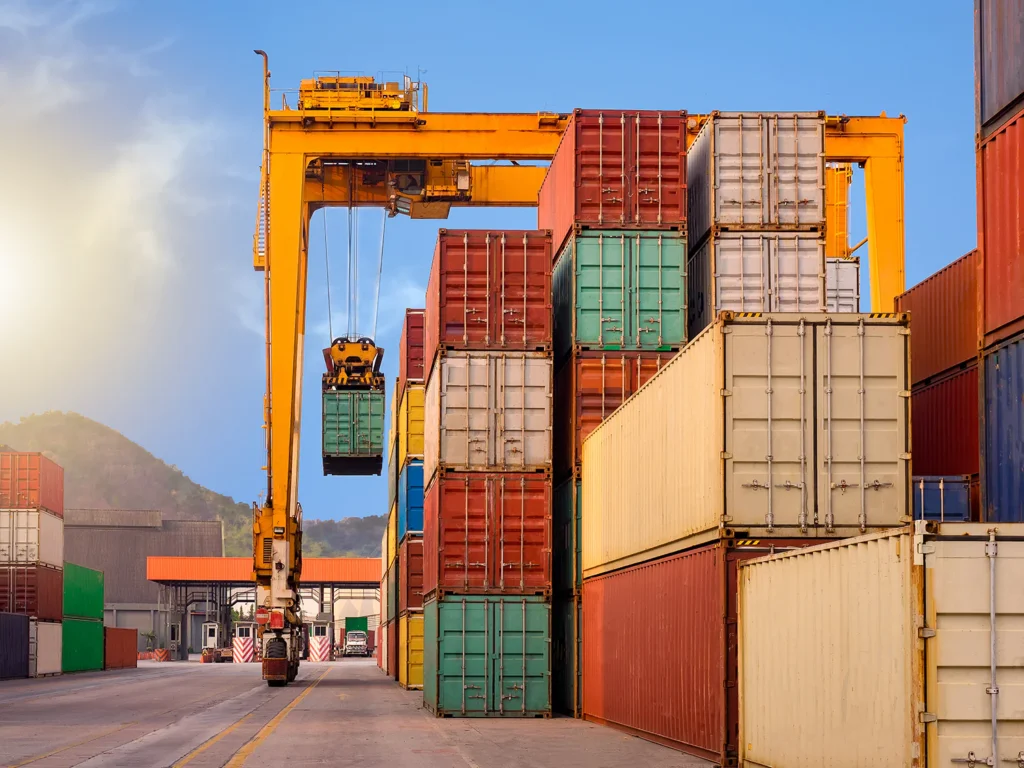
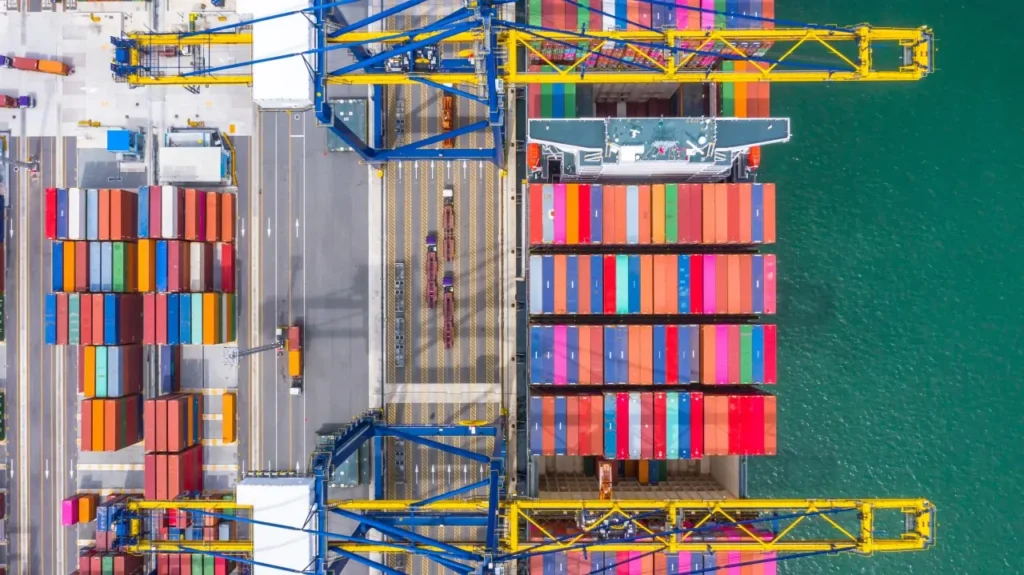
Utilizado para carga, descarga, empilhamento e transporte em pátios de contêineres.
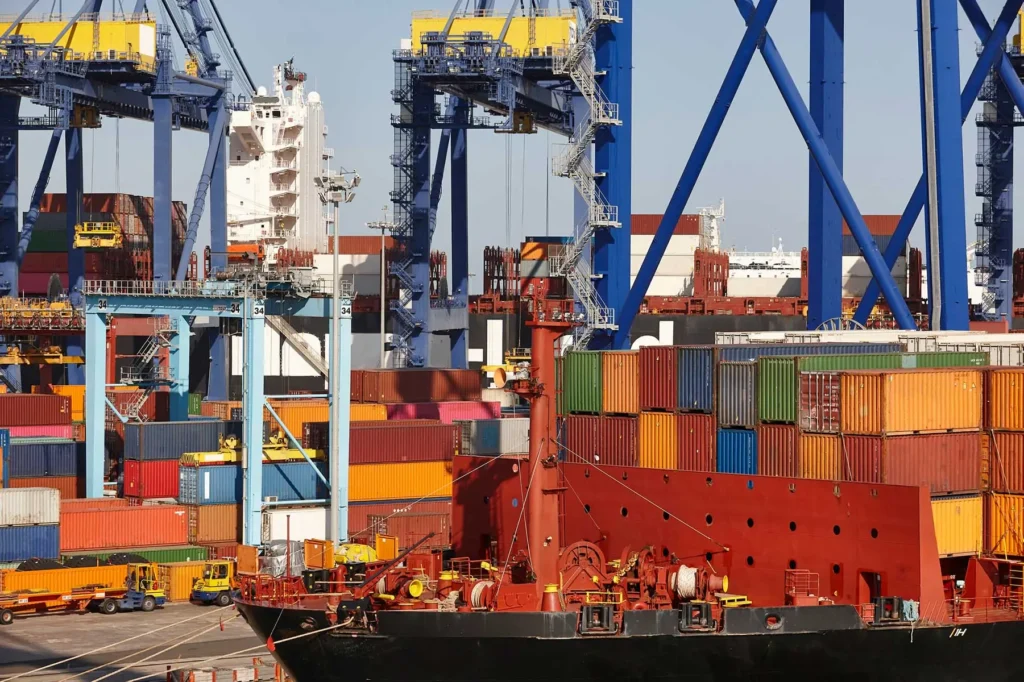
Adequado para içar cargas a granel, produtos de aço, máquinas e materiais pesados.
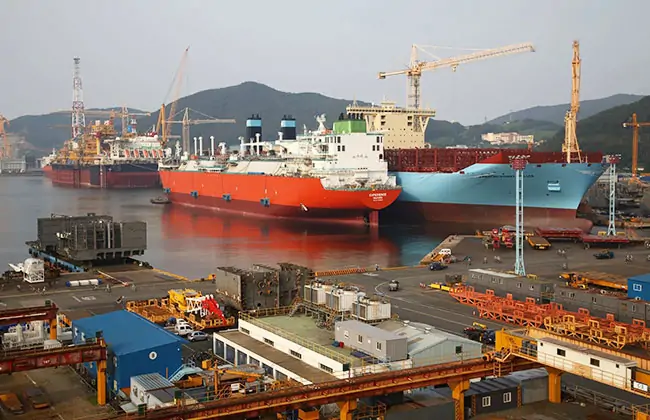
Aplicado a trabalhos de içamento, montagem e manutenção de componentes navais.
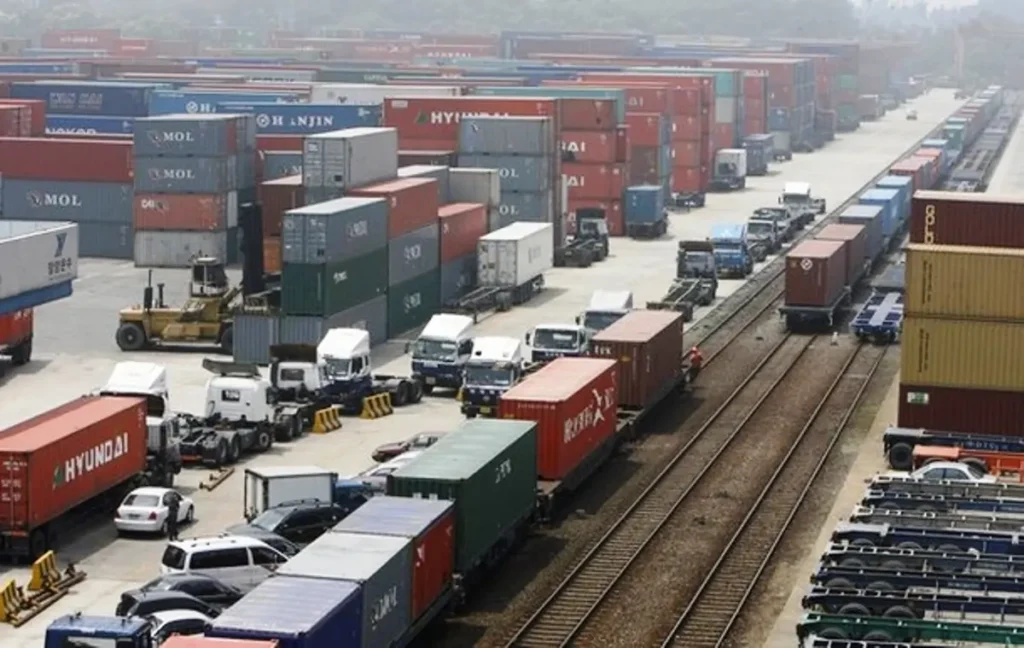
Utilizado para transferência de contêineres entre portos, terminais ferroviários e pátios de armazenamento.
Adequado para o manuseio de carvão, minerais e outros materiais a granel.
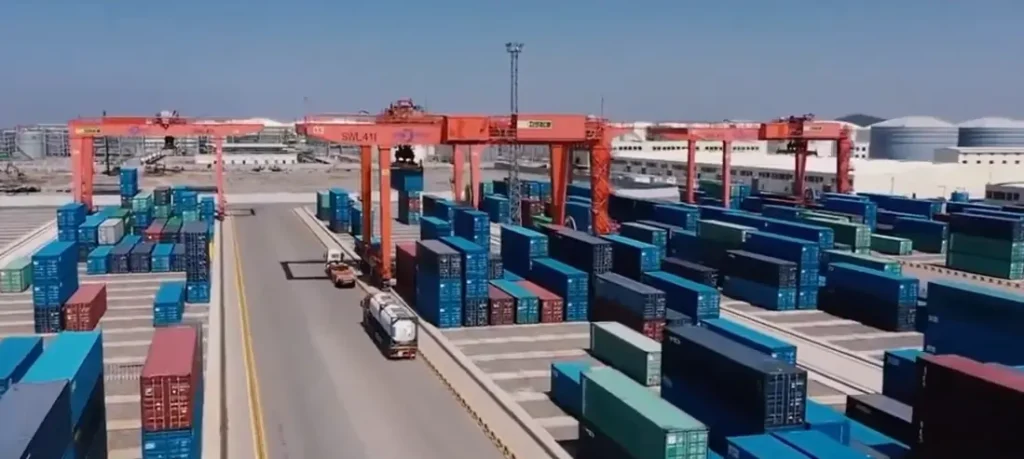
Utilizado para armazenamento externo, carregamento e movimentação de cargas pesadas.
Aplicado em indústrias que exigem elevação e transferência de materiais em grande escala.
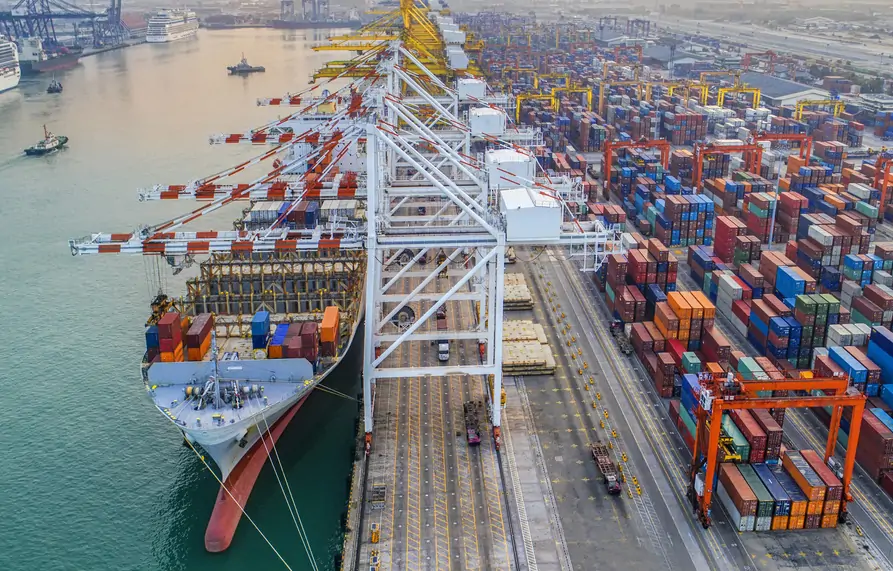
Utilizado em equipamentos offshore, estruturas de aço e movimentação de componentes de grande porte.
Para saber mais sobre as aplicações de pontes rolantes, leia o artigo: Para que serve um guindaste pórtico? Aplicações e setores
A escolha do guindaste pórtico portuário adequado depende do tipo de carga, do layout do pátio, das necessidades de elevação e do ambiente operacional. A capacidade, a estrutura, o sistema de deslocamento e o método de controle do guindaste devem ser compatíveis com as condições reais de operação do porto.
Diferentes tipos de guindastes de contêineres são usados para diferentes cenários operacionais. Para aprender como selecionar o guindaste certo para operações com contêineres, consulte o artigo: “How to Choose a Container Handling Gantry Crane?”
The specifications of container cranes—such as lifting capacity, span, and lifting height—directly affect the pace of operations. For detailed data, see: Container Crane Specifications: Capacity, Span, Lifting Height & Working Class
Different types of Port Gantry Cranes have different structures and applications. For more details about the differences and selection of RTG, RMG, and other port cranes, please read the article: STS Crane vs RTG Crane vs RMG Crane: Principais Diferenças Explicadas
Learn about the main types of container cranes—including STS, RTG, RMG, and gantry cranes—and their applications in different handling operations: Types of Container Cranes: STS, RTG, RMG & Gantry Cranes Explained.
Os guindastes pórticos devem ser inspecionados regularmente durante a operação para garantir o uso seguro. Para obter uma lista de verificação detalhada da inspeção, consulte o artigo: “Lista de verificação para inspeção de pontes rolantes: guia de inspeção diária, mensal e anual.”
To learn about the factors that affect pricing and how to choose the right model, see the article: Gantry Crane for Sale: Types, Prices & Buying Guide (2026)
WEIHUA provides customized Port Gantry Crane solutions based on different lifting requirements, working environments, and port layouts.
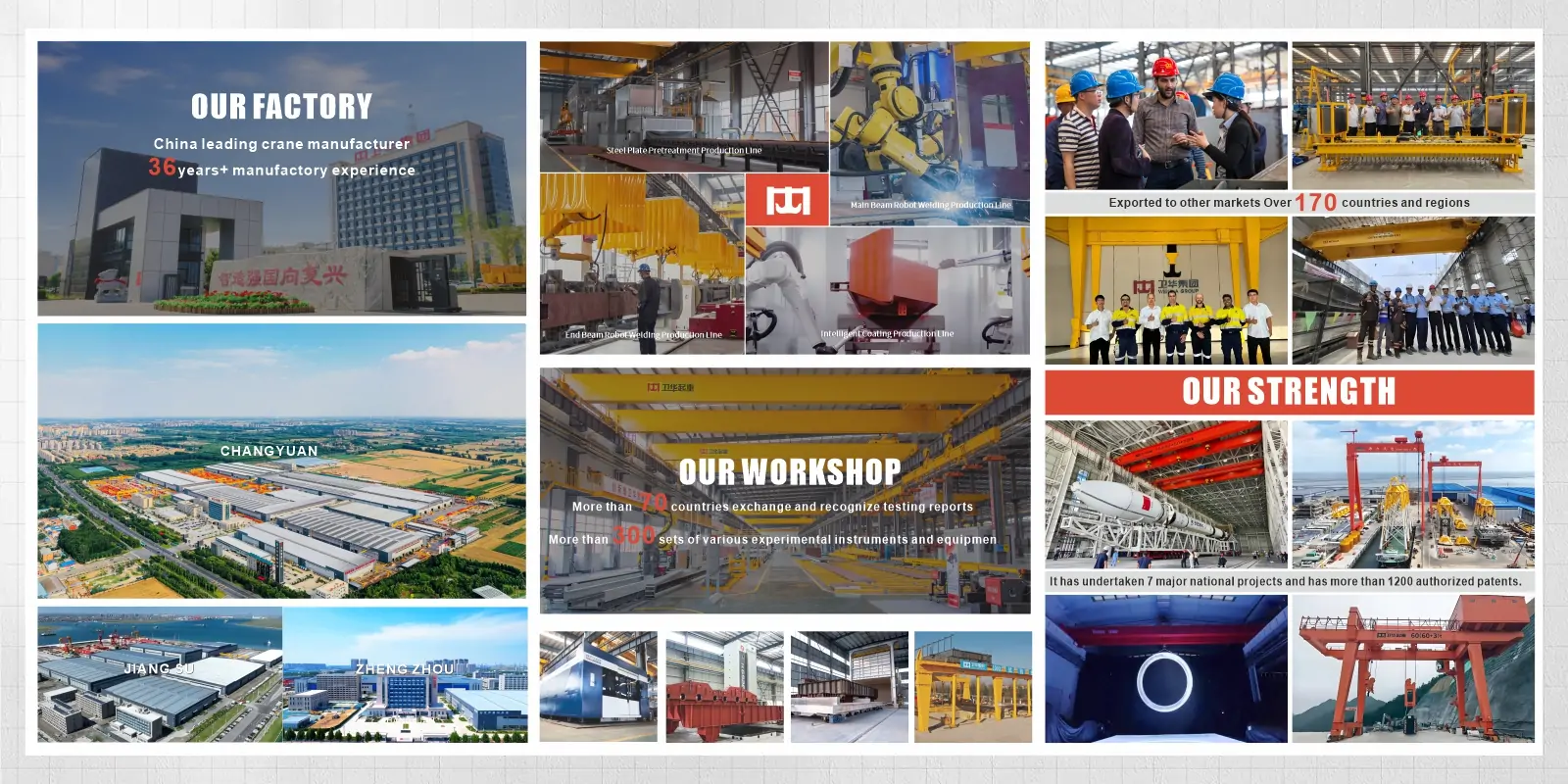
WEIHUA is a Port Gantry Crane manufacturer and supplier providing RTG cranes, RMG cranes, quayside cranes, and heavy-duty gantry crane systems for ports, container terminals, shipyards, and industrial applications. With experience in crane design, steel structure fabrication, mechanical assembly, and electrical integration, WEIHUA delivers lifting equipment for different cargo handling requirements.
WEIHUA can customize Port Gantry Crane specifications according to project conditions, including lifting capacity, span, lifting height, travel system, power supply, and control method. The company provides complete crane solutions, technical support, and after-sales service for customers worldwide. Contacte-nos for a customized solution.
A Port Gantry Crane is a heavy-duty crane used in ports, container terminals, and cargo yards for container handling, loading, unloading, and heavy material lifting.
The lifting capacity of a Port Gantry Crane can range from 5 tons to over 200 tons depending on the crane type and application.
RTG cranes use rubber tires for flexible movement in container yards, while RMG cranes run on fixed rails and provide higher positioning accuracy for large container terminals.
Port Gantry Cranes are used in container terminals, shipyards, railway yards, bulk cargo terminals, industrial harbors, and marine engineering projects.
Yes. WEIHUA can customize lifting capacity, span, lifting height, travel system, power supply, spreader type, and control system according to project requirements.
Power options include diesel generator systems, cable reel power supply, electric power supply, hybrid systems, and customized solutions.
The working class is usually A3–A8. Heavy-duty port cranes and high-frequency operation cranes generally require higher working classes.
The service life depends on operating conditions, workload, maintenance, and component quality. Regular inspection and maintenance help keep the crane operating reliably for long-term use.
Fundada em 1988, a Weihua evoluiu para uma líder global no campo da manufatura inteligente na China. Somos especializados em I&D e produção de gruas inteligentes, ao mesmo tempo que oferecemos soluções AGV. As nossas equipas profissionais de engenharia, entrega e pós-venda fornecem suporte técnico multifacetado, soluções personalizadas, orientação de instalação no local e serviços globais de resposta rápida para garantir que cada projeto opere de forma segura e eficiente.
Sim. Oferecemos fabricação personalizada a partir de um pedido mínimo de 1 unidade. Os parâmetros personalizáveis incluem capacidade de elevação, dimensões de altura e vão, configuração das pernas, tipo de rodízio, integração de guincho, tratamento de superfície e requisitos de certificação. Envie suas especificações e nossa equipe de engenharia responderá em até 24 horas.
Sim. Os carros de pórtico para pontes rolantes são adaptados para uso externo e para os perfis de viga utilizados na construção de pontes rolantes. Eles utilizam os mesmos tipos de guincho que os carros de ponte rolante, mas são especificados com motores de maior grau de proteção IP, flanges de roda reforçadas para deslocamento sobre trilhos externos e dispositivos de segurança contra vento, quando necessário. Estão disponíveis configurações de carro de pórtico para ponte rolante com viga simples e viga dupla.
Sim. Todos os modelos são classificados para uso externo em superfícies firmes e niveladas. A operação externa requer inspeção regular dos fixadores e rodízios para verificar a presença de corrosão. Recomenda-se o tratamento de superfície por galvanização a quente para uso externo permanente ou frequente.
A maioria dos modelos pode ser montada em 20 a 35 minutos por uma única pessoa, utilizando uma chave inglesa padrão. Todos os componentes são numerados e correspondem a um guia de montagem ilustrado incluído com cada guindaste.
Yes, it is designed for heavy-duty lifting in both automotive manufacturing and shipyard environments.
Contacte-nos agora por email: [email protected], ou preencha o formulário abaixo.

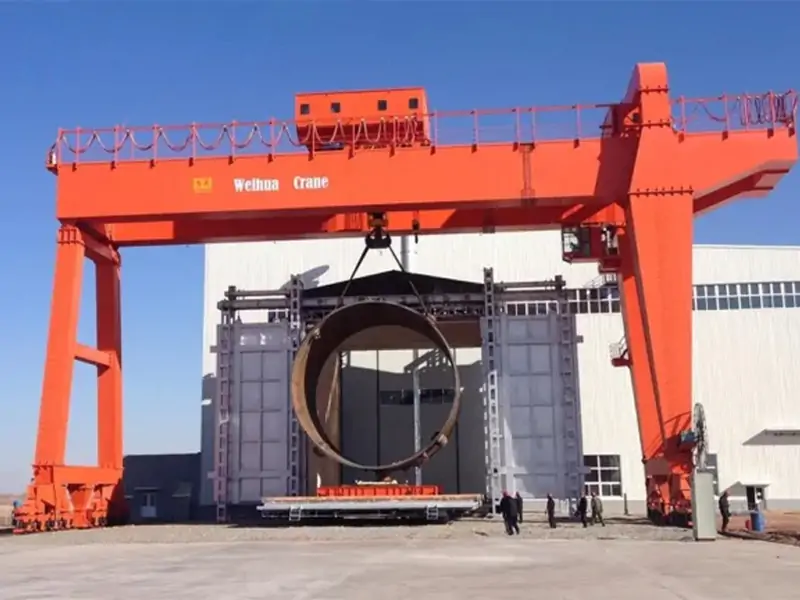

O pórtico rolante é um equipamento de elevação amplamente utilizado em diversos setores industriais, locais de construção, portos, armazéns e outros campos. A sua estrutura única e a sua potente capacidade de suporte de carga tornam-no ideal para a manipulação moderna de materiais de alta resistência. O design da estrutura do “pórtico” permite que o guindaste se mova livremente num espaço, cobrindo uma grande área de trabalho. Então, o que torna os pórticos rolantes especiais? Quais são os seus tipos, parâmetros, métodos de controlo, aplicações e princípios de funcionamento? Como diferem dos pontes rolantes? Vamos explorar juntos. Tipos de Pórtico Rolante Com base no design, aplicação e ambiente de operação, os pórticos rolantes são tipicamente categorizados nos seguintes tipos: Pórtico Rolante de Viga Única Os pórticos rolantes de viga única são amplamente utilizados em setores industriais, armazéns, portos e oficinas. Apresentando um mecanismo de elevação de suporte de viga única, eles percorrem através de colunas laterais e calhas inferiores. Com a sua estrutura simples, operação fácil de usar e capacidade de elevação moderada, são ideais para manusear cargas leves a médias. Capazes de cobrir grandes distâncias livremente, os pórticos rolantes de viga única são adequados para operações de elevação e manuseio de materiais pesados. Pórtico Rolante de Viga Dupla Em comparação com os pórticos rolantes de viga única, os pórticos rolantes de viga dupla oferecem maior…
Nos portos, parques logísticos e manuseamento de materiais industriais, as Gruas Pórtico e as Gruas de Portão são dois tipos comuns e essenciais de equipamentos de carga/descarga. Diferem no design estrutural, características de desempenho, métodos de operação, cenários de aplicação e custos de investimento. Este artigo fornece uma análise abrangente da comparação entre Gruas Pórtico e Gruas de Portão e orienta-o na escolha correta. Comparação do Design Estrutural As diferenças estruturais entre Gruas Pórtico e Gruas de Portão manifestam-se principalmente nos métodos de suporte de carga, trajetórias de movimento e alcances de cobertura. A primeira foca-se numa torre fixa e numa lança rotativa, enfatizando a “cobertura de ponto” e a rotação horizontal flexível. A última apresenta uma estrutura de portal e movimento longitudinal sobre carris, priorizando o “movimento horizontal extenso” e o manuseamento eficiente de logística no local. Consequentemente, os seus designs estruturais distintos ditam diretamente os seus diferentes cenários de aplicação. Características Estruturais da Grua Pórtico As gruas giratórias tipo pórtico empregam estruturas de lança de um ou dois cantiléveres com a torre fixada a fundações ou carris, permitindo uma rotação de 360° ou parcial. Esta configuração permite uma operação flexível em espaços estreitos e alongados, como linhas costeiras, frentes de cais e berços de navios, tornando-a particularmente adequada para o manuseamento de materiais entre navio e terra. A sua funcionalidade principal combina verticalmente…
Nas operações industriais modernas, a movimentação eficiente de materiais é crucial para maximizar a produtividade e otimizar o fluxo de trabalho. Os pontes rolantes, também conhecidos como gruas aéreas ou gruas EOT, são sistemas fixos de manuseio de materiais amplamente utilizados em operações de fabrico, processamento de metais, armazenamento e operações de carga/descarga. Neste artigo, exploraremos o princípio de funcionamento, os componentes principais, as aplicações e os benefícios operacionais das pontes rolantes, fornecendo um guia abrangente para planeadores industriais e profissionais de logística. Princípio de Funcionamento da Ponte Rolante Uma ponte rolante opera numa estrutura semelhante a uma ponte que abrange o espaço de trabalho, com um carro e um sistema de elevação que se move horizontalmente ao longo da ponte e levanta ou baixa cargas verticalmente. O movimento da ponte rolante na via, combinado com o controlo preciso do elevação, permite o manuseio eficiente e seguro de materiais pesados em fábricas, armazéns e instalações industriais. Para informações sobre como funcionam as gruas aéreas, consulte este artigo: Princípio de Funcionamento das Gruas Aéreas: Componentes, Movimento e Processo Operacional Terminologia da Ponte Rolante Segue-se uma introdução à terminologia relacionada com as partes da ponte rolante. Capacidade da Ponte Rolante: A capacidade da ponte rolante refere-se ao peso máximo que uma ponte rolante pode levantar em segurança. Geralmente medida em toneladas...
Uma Ponte Rolante EOT (Electric Overhead Traveling Crane) é um sistema de elevação aéreo eficiente e fiável, utilizado para manusear materiais pesados em fábricas, armazéns, oficinas e instalações industriais. Correndo sobre carris suspensos, as pontes rolantes EOT permitem o movimento tridimensional seguro e preciso de cargas, através de movimentos coordenados de elevação, translação transversal e translação longitudinal. Este artigo irá guiá-lo através das definições, tipos, estrutura, princípios de funcionamento, aplicações e fatores de custo das pontes rolantes EOT, para o ajudar a selecionar a solução mais adequada às suas necessidades de elevação. Como funciona uma Ponte Rolante EOT? O princípio de funcionamento de uma ponte rolante EOT envolve uma combinação de elevação vertical, movimento horizontal do carro e movimento longitudinal da ponte, permitindo o manuseamento eficiente de cargas pesadas em instalações industriais. A ponte rolante opera em carris de pista elevados, instalados ao longo da estrutura do edifício, com a viga da ponte a cobrir o espaço de trabalho. O mecanismo de elevação sobe ou desce a carga utilizando cabos de aço ou correntes, enquanto o carro move a carga horizontalmente ao longo da ponte. A ponte rolante inteira desloca-se longitudinalmente ao longo dos carris da pista, permitindo o posicionamento tridimensional dos materiais. As pontes rolantes EOT modernas são acionadas por motores elétricos com velocidade precisa…
As gruas porta-pórtico são amplamente utilizadas em pátios de estocagem ao ar livre, estaleiros, fábricas e locais de construção, tornando-as uma das soluções de manuseio de materiais mais versáteis e extensivamente aplicadas. As gruas porta-pórtico vêm em vários tipos, cada uma personalizável para se adequar a diferentes capacidades de carga, condições do local e requisitos operacionais. No entanto, a seleção da configuração errada pode levar a despesas desnecessárias, capacidade de elevação limitada ou restrições de expansão futuras. Então, quais são os principais tipos de gruas porta-pórtico? Como escolher o tipo certo para a sua aplicação? Neste guia, forneceremos uma visão geral detalhada dos diferentes tipos de gruas porta-pórtico com base na estrutura, mobilidade e cenários de aplicação, ajudando-o a tomar a decisão certa antes de investir numa solução de elevação. O artigo é bastante longo. Abaixo está o nosso índice. Por favor, salte para a secção correspondente, conforme necessário: O que é uma Grua Porta-Pórtico? As gruas porta-pórtico são equipamentos de elevação concebidos para o manuseio eficiente de cargas pesadas em grandes locais ao ar livre. A sua estrutura distinta apresenta uma ou mais vigas principais suportadas por pernas rígidas (ou flexíveis) de cada lado, formando uma estrutura monumental em forma de “portão”. Estas gruas atravessam…
 English English
  Русский
 العربية
 Français
 Português
 Español