- ProdutoEquipamentoPrecisão de Potência, Personalização Solução de GruaCorreio eletrónico:WhatsApp / Wechat:+8613781917315Morada:N.º 18 Shanhai Road, Changyuan City, Província de Henan, China
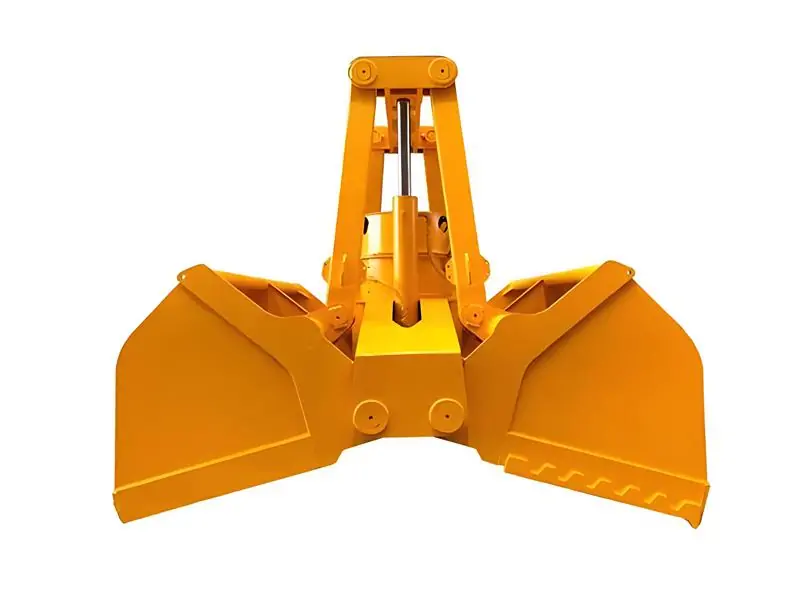
A hydraulic clamshell grab bucket is a crane-suspended attachment that scoops, lifts, and discharges loose bulk materials through hydraulically actuated shells. It is also known as a hydraulic grab, an electro-hydraulic grab, or a motor-hydraulic grab bucket. Cylinders drive the jaws directly, so the operator controls the closing and opening cycle rather than relying on rope reeving.
An onboard hydraulic power unit supplies the cylinders, which rotate the two hinged shells around the head pins to bite into the material and release it at the discharge point. This independent drive removes the closing-rope requirement of mechanical grabs and allows the jaws to be positioned at any height or angle. Standard models cover 0.5–15 m³, with shells fabricated from wear-resistant steel and bearings sealed for dusty bulk handling.
The grab mounts on overhead cranes, gantry cranes and port cranes, and handles coal, ore, sand, gravel, grain and similar loose cargo. Capacity and shell type are selected from material bulk density, crane SWL, and required capture per cycle; two-shell clamshell bodies suit regular bulk materials, while multi-shell versions handle irregular shapes.
For more information, read the article: What Is a Crane Grab Bucket?
Hydraulic clamshell grabs are available in different cylinder and shell configurations for different capacities, materials, and working conditions.
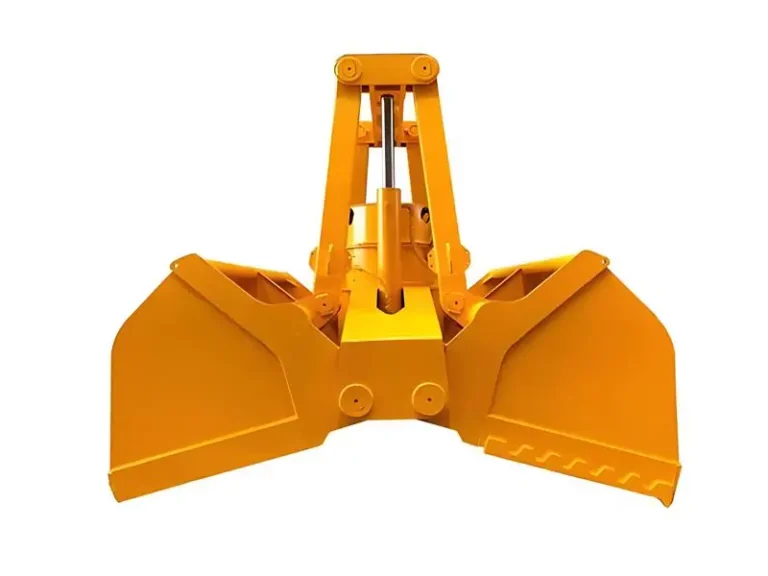
Uses one hydraulic cylinder to control shell opening and closing. It features a compact structure and simple hydraulic system, suitable for small cranes, excavators, and medium-duty bulk material handling.
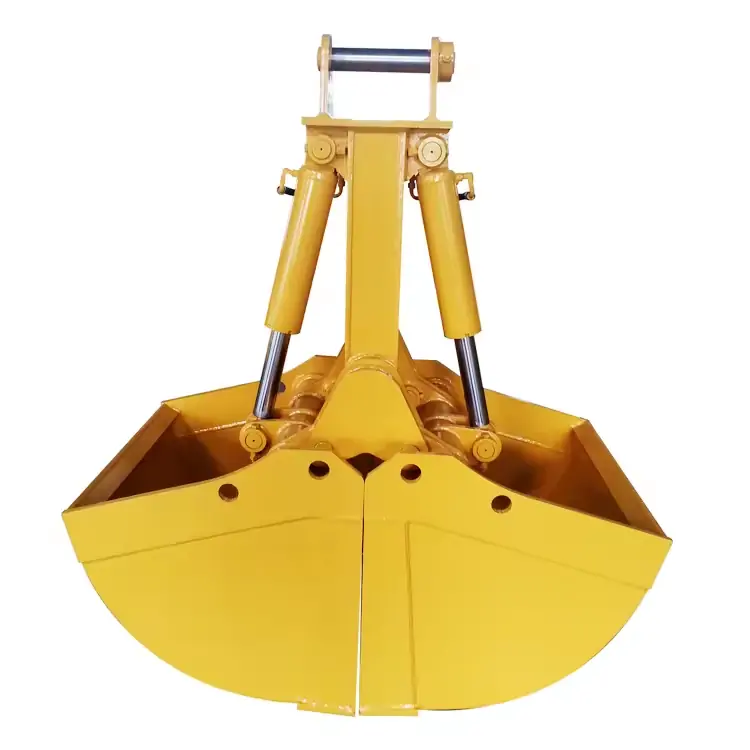
Equipped with two hydraulic cylinders to provide balanced shell movement and higher closing force. It is suitable for handling heavier bulk materials, larger loads, and applications requiring stronger gripping performance.
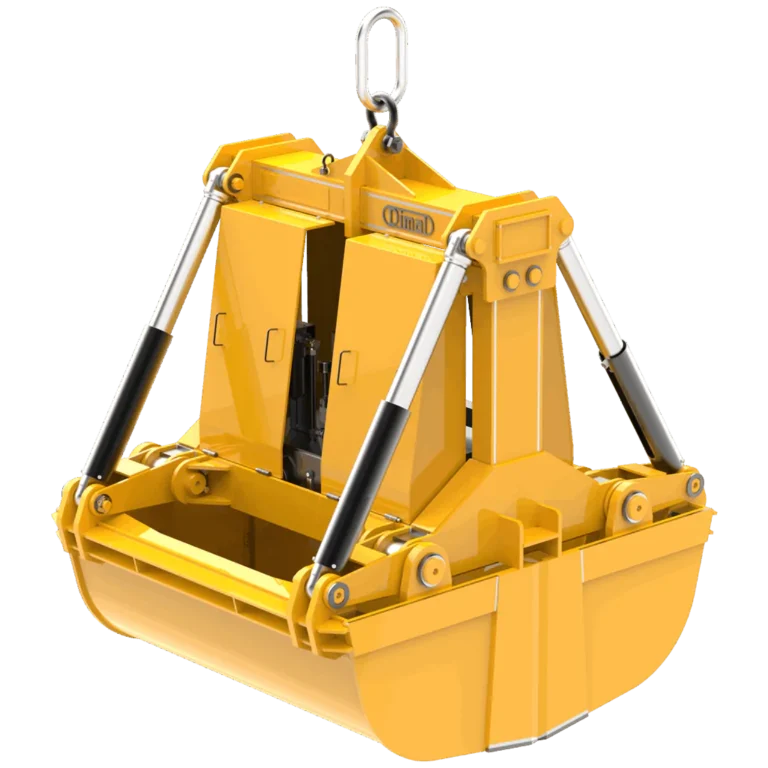
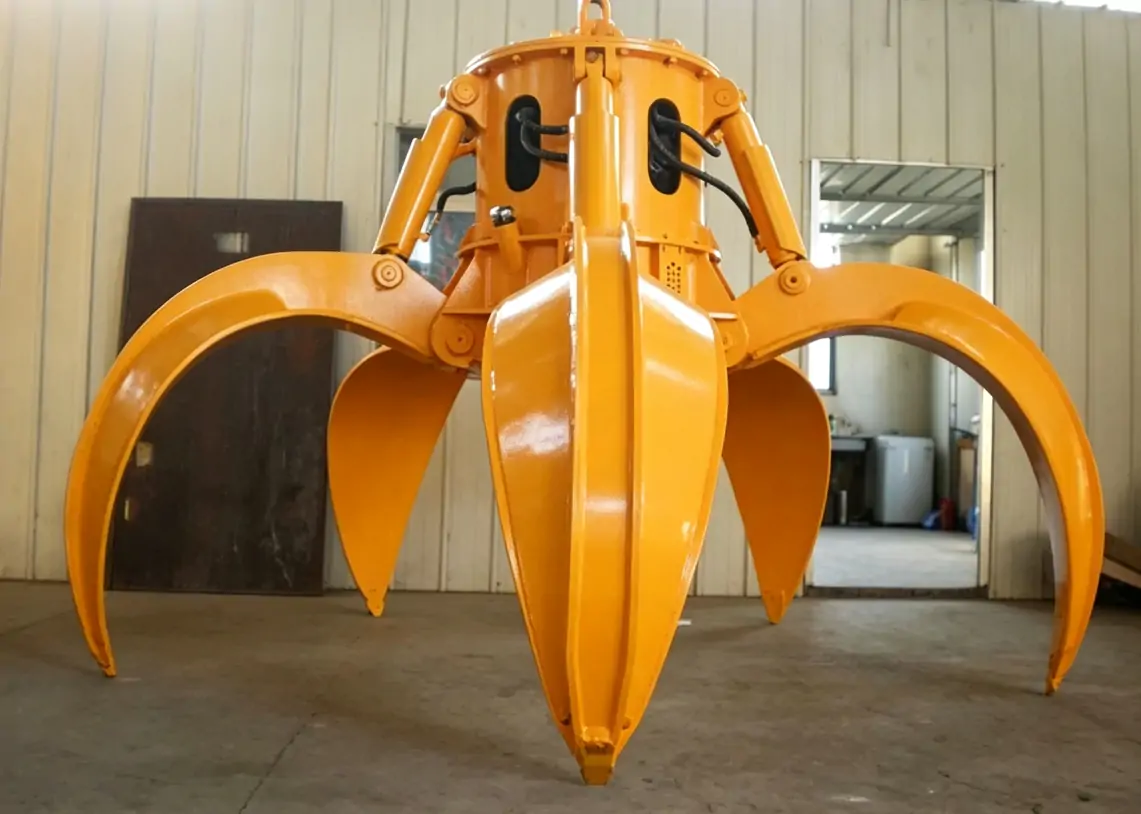
Uses multiple shell configurations to match different material types and handling requirements. It provides deeper penetration and higher filling efficiency for special materials, large-capacity handling, and demanding working conditions.
The system includes a hydraulic pump, cylinders, control valves, oil tank, filters, and hydraulic lines. The pump supplies hydraulic pressure, while the valves control oil flow and cylinder movement. The hydraulic unit can be mounted on the grab frame as an independent power system. The hydraulic cylinders control shell movement directly, without relying on a separate closing rope.
A Hydraulic Clamshell Grab Bucket uses hydraulic pressure to control the opening and closing of the shells. Hydraulic cylinders convert the pressure into mechanical force for grab operation.
| Parâmetro | Value / Options |
|---|---|
| Tipo de Transmissão | Hydraulic, electric motor, or excavator hydraulic system |
| Grab Capacity | 2.5–16 m³ for crane-mounted units; 0.4–1.0 m³ for excavator-mounted units |
| SWL (Lifting Capacity) | ≥10 t to ≥40 t, matched to grab capacity |
| Shell Type | Clamshell (2-shell) / Multi-shell |
| Rotating Type | 360° rotating / Non-rotating |
| Working Pressure | 160–180 bar |
| Material | Q355B / Q690D / NM400 / NM500 wear-resistant steel |
| Applicable Materials | Coal, ore, sand, gravel, grain, soil, stone, silt |
| Applicable Cranes / Excavators | Overhead / Gantry / Port cranes; 6–26 t excavators |
| Certificação | CE, ISO 9001 |
Notes: Capacity, SWL, shell size, and mounting interface can be customized for different materials, cranes, and excavators. Rotating models require two auxiliary hydraulic lines, while non-rotating models connect directly to the bucket-cylinder pipeline. Wear parts are available in NM400, Q355B, Q690D, and NM500 steel.
Hydraulic Clamshell Grab Buckets are used for loading, transferring, and discharging loose bulk materials in industrial and material handling operations.
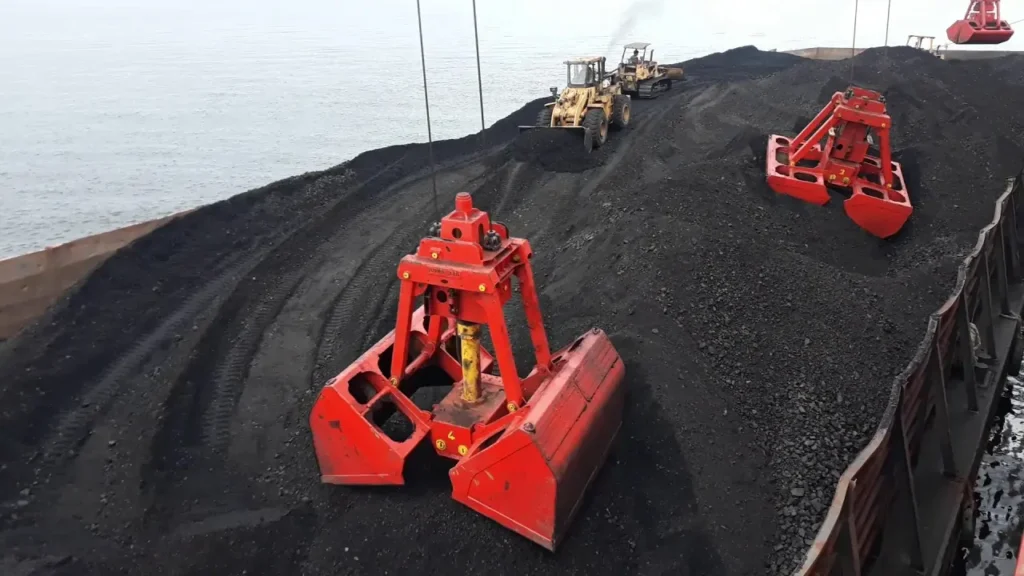
Loading and transferring coal in power plants, ports, storage yards, and coal handling facilities.
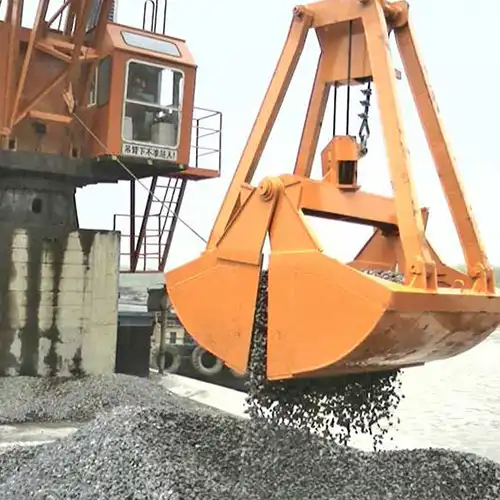
Handling iron ore, mineral materials, and other heavy bulk cargo in mining and processing operations.
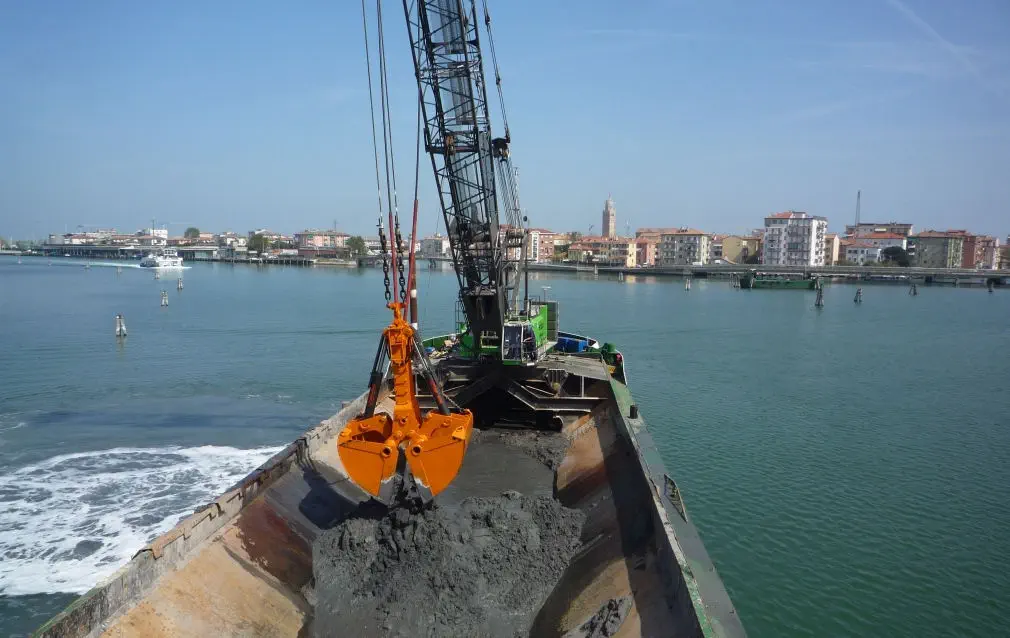
Loading sand, gravel, and loose aggregates in material yards, quarries, and processing facilities.
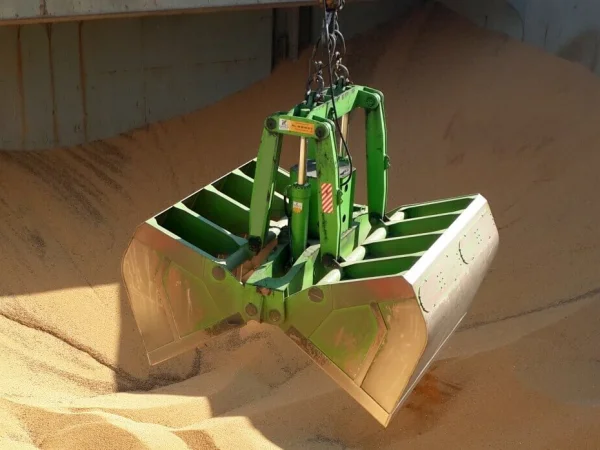
Handling grain, fertilizer, and other free-flowing agricultural and processed bulk materials.
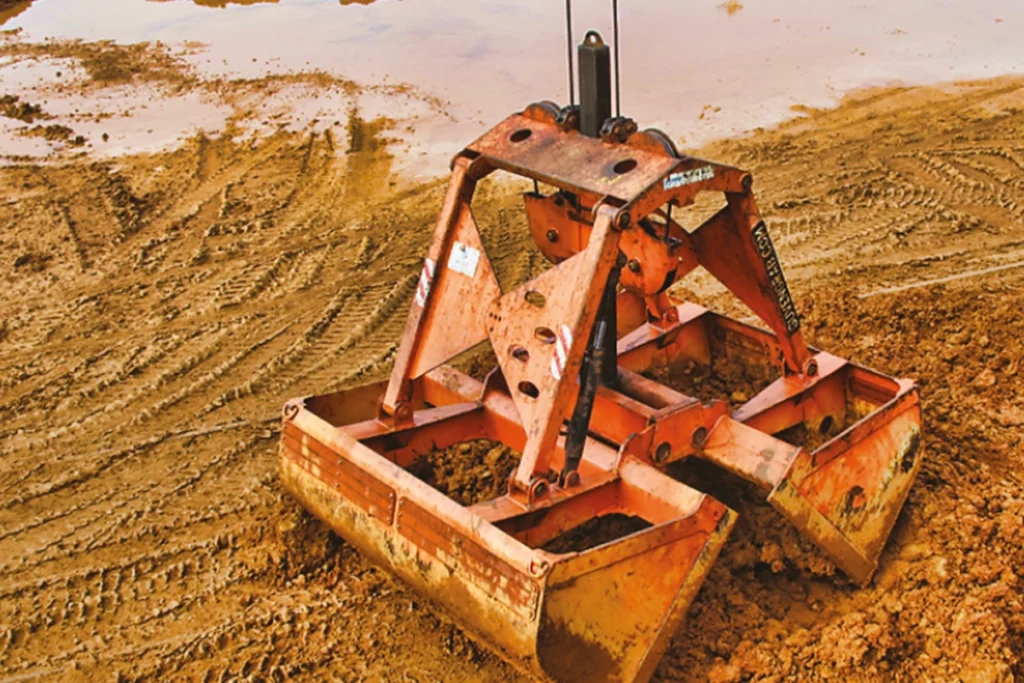
Moving soil, crushed stone, rock, and other loose materials in construction and earthmoving operations.
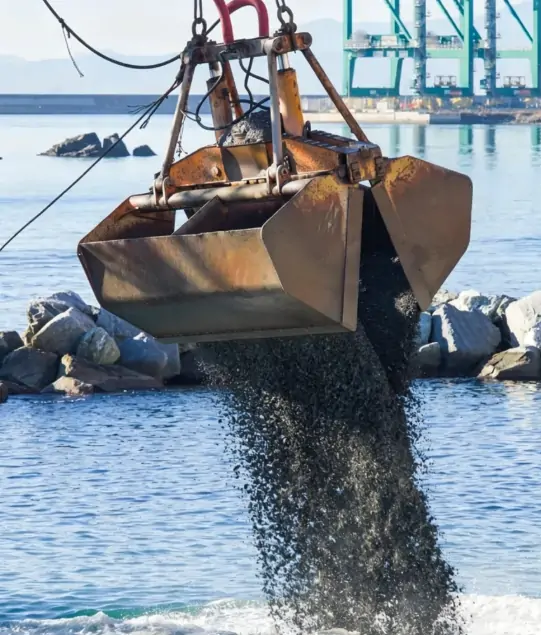
Loading and unloading bulk cargo with port cranes, including coal, ore, grain, and other loose materials.
The shell design and wear-resistant components can be selected according to material density, particle size, and abrasiveness.
Hydraulic grabs are widely used in port material handling. For details on materials and how to select the appropriate equipment, please refer to the article: “Electro Hydraulic Grab Bucket for Port Bulk Material Handling.”
Matching a Hydraulic Clamshell Grab Bucket with a crane requires checking the crane type, lifting capacity, grab specifications, hydraulic system, and installation interface. It is commonly used with overhead cranes, gantry cranes, port cranes, ship unloaders, and excavator-mounted systems for bulk material handling.
Different cranes require different grab configurations. Hydraulic clamshell grabs are commonly installed on:
The crane lifting capacity should cover the combined weight of the grab and the material load. Select the grab capacity according to the crane SWL and working conditions.
The grab volume should match the material density and required handling volume per cycle. A larger grab is not always suitable if the crane capacity or operating conditions are limited.
Confirm the hydraulic pressure, flow rate, and power source available on the crane. Hydraulic grabs can be equipped with an independent hydraulic power unit when required.
Check the connection structure between the grab and crane, including lifting arrangement, hook connection, and installation dimensions before ordering.
Material type, particle size, moisture, abrasiveness, and operating frequency affect the grab design. Shell structure and wear-resistant materials should be selected according to the actual application.
For a custom hydraulic clamshell grab, provide the crane lifting capacity, material type, bulk density, required grab capacity, and available hydraulic specifications.
These three grab buckets are used for crane-based material handling, but their drive systems and grabbing structures are different. Mechanical and hydraulic clamshell grabs use two shells, while hydraulic orange peel grabs use multiple tines for irregular loads.
| Comparação | Mechanical Clamshell Grab | Hydraulic Clamshell Grab | Hydraulic Orange Peel Grab |
|---|---|---|---|
| Drive Method | Wire rope and mechanical linkage | Hydraulic cylinders | Hydraulic cylinders |
| Grab Structure | Two shells | Two shells | Multiple tines |
| Main Materials | Coal, sand, ore, grain | Coal, ore, sand, bulk materials | Scrap steel, metal waste, rocks |
| Material Shape | Loose and granular | Loose and bulk | Large, irregular, and bulky |
| Grabbing Method | Mechanical shell closing | Hydraulic shell closing | Tines grip around the load |
| Aplicações típicas | Bulk material handling | Heavy-duty bulk handling | Scrap and irregular material handling |
| Common Crane Types | Overhead, gantry, port cranes | Overhead, gantry, port cranes | Overhead, gantry, port cranes |
Mechanical Clamshell Grabs are used for general bulk material handling with a rope-operated structure. Hydraulic Clamshell Grabs provide independent hydraulic control for bulk materials. Hydraulic Orange Peel Grabs are designed for scrap steel and other irregular materials that need tine-based gripping.
For details on the different applications of grab buckets and how to choose the right one, see: Different Types of Crane Grab Buckets and How to Choose the Right One
If you are considering using an overhead crane or gantry crane and are unsure how to select the appropriate grab bucket, see the article: How to Choose a Grab Bucket for Overhead Cranes and Gantry Cranes?
Mechanical and hydraulic grab buckets differ significantly in their applications and configurations. For more details, see the article: Mechanical Clamshell Grab Bucket vs. Hydraulic Grab Bucket: What Is the Difference?
Hydraulic clamshell grabs can be configured according to the crane, material, and working conditions. Capacity, shell structure, hydraulic system, and crane connection can be specified for different handling requirements.
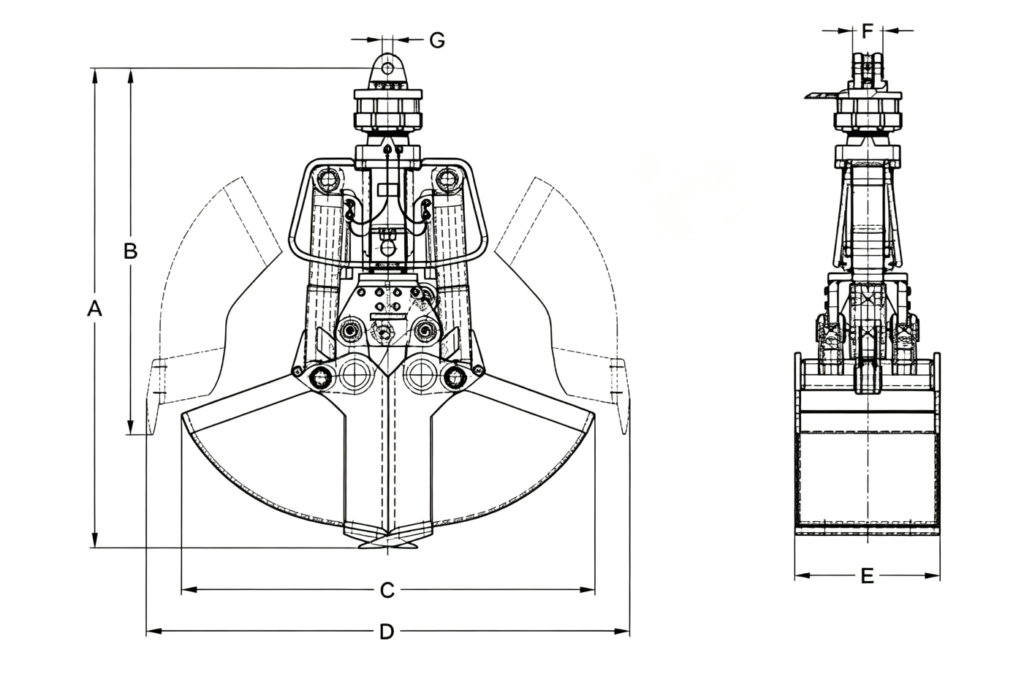
Hydraulic Clamshell Grab Buckets provide direct hydraulic control for loading, lifting, and discharging coal, ore, sand, gravel, grain, and other bulk materials. The grab can be configured for overhead cranes, gantry cranes, port cranes, and excavators, with options for capacity, shell structure, hydraulic system, and wear-resistant materials.
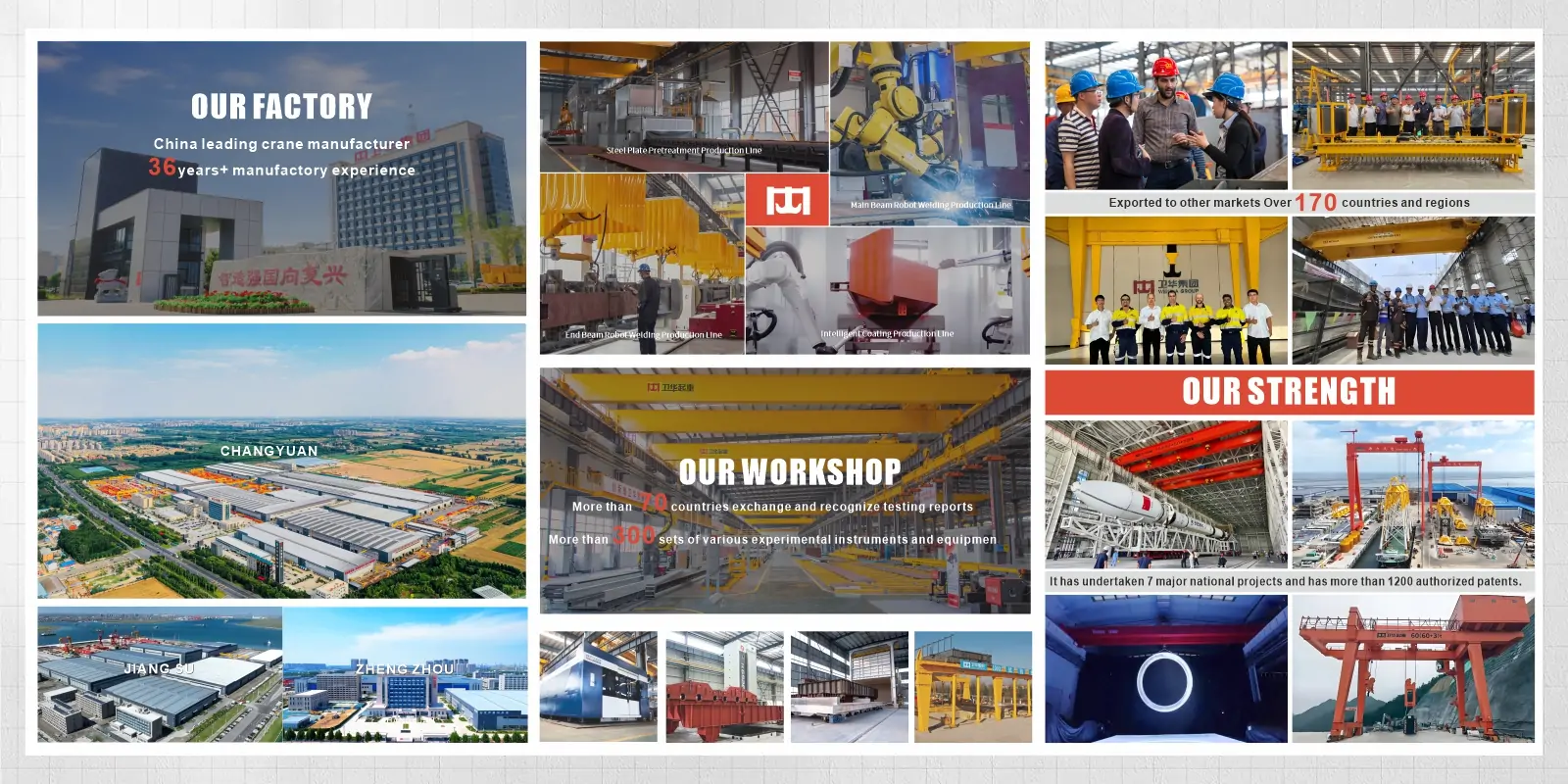
WEIHUA manufactures and supplies hydraulic clamshell grab buckets for different material handling applications. Custom designs are available according to crane specifications, material type, required capacity, and working conditions. Contacte-nos with your project details to discuss the right hydraulic clamshell grab bucket for your operation.
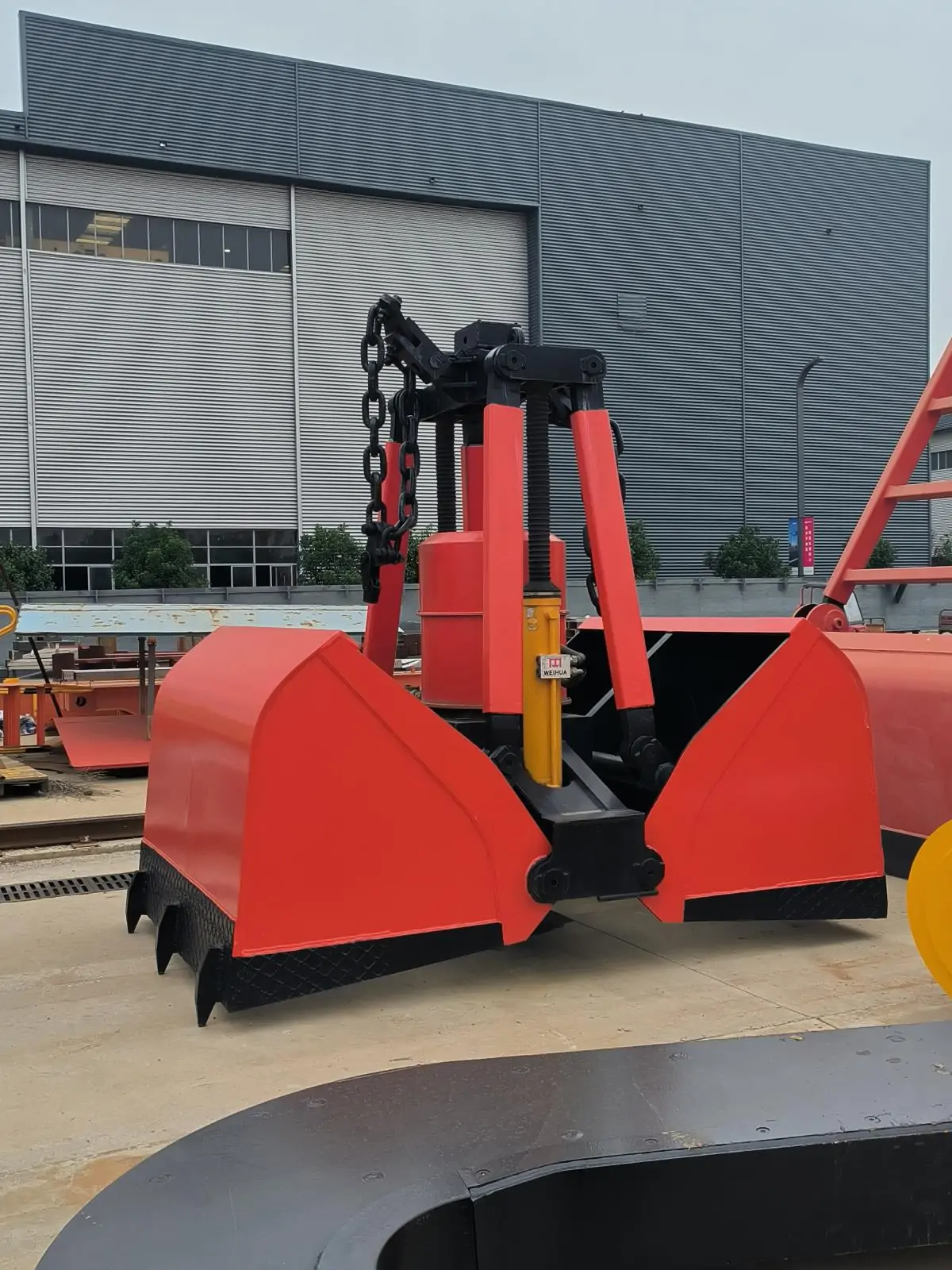
A Hydraulic Clamshell Grab Bucket is a crane attachment with two hydraulically operated shells. It uses hydraulic cylinders to open and close the shells for loading, lifting, and discharging loose bulk materials.
Hydraulic cylinders drive the shells together to grab the material. The crane lifts the closed grab, then the hydraulic system opens the shells at the discharge point to release the load.
It can handle coal, ore, sand, gravel, grain, fertilizer, soil, stone, silt and other loose bulk materials. Shell design and wear-resistant materials can be selected according to material density and abrasiveness.
Crane-mounted hydraulic clamshell grabs typically range from 2.5 to 16 m³. The required capacity depends on material density, crane lifting capacity, and the required load per cycle.
Hydraulic clamshell grabs can be used with compatible overhead cranes, gantry cranes, and port cranes. The grab weight, SWL, mounting interface, and hydraulic power system must match the crane.
The hydraulic system must match the required pressure, flow rate and power supply. Crane-mounted models can use an independent hydraulic power unit, while excavator-mounted grabs can connect to the machine’s hydraulic system.
A hydraulic clamshell grab uses hydraulic cylinders to control shell movement directly. A mechanical clamshell grab uses wire ropes and the crane’s hoisting mechanism to open and close the shells. Can a Hydraulic Clamshell Grab Bucket
Fundada em 1988, a Weihua evoluiu para uma líder global no campo da manufatura inteligente na China. Somos especializados em I&D e produção de gruas inteligentes, ao mesmo tempo que oferecemos soluções AGV. As nossas equipas profissionais de engenharia, entrega e pós-venda fornecem suporte técnico multifacetado, soluções personalizadas, orientação de instalação no local e serviços globais de resposta rápida para garantir que cada projeto opere de forma segura e eficiente.
Contacte-nos agora por email: [email protected], ou preencha o formulário abaixo.

O pórtico rolante é um equipamento de elevação amplamente utilizado em diversos setores industriais, locais de construção, portos, armazéns e outros campos. A sua estrutura única e a sua potente capacidade de suporte de carga tornam-no ideal para a manipulação moderna de materiais de alta resistência. O design da estrutura do “pórtico” permite que o guindaste se mova livremente num espaço, cobrindo uma grande área de trabalho. Então, o que torna os pórticos rolantes especiais? Quais são os seus tipos, parâmetros, métodos de controlo, aplicações e princípios de funcionamento? Como diferem dos pontes rolantes? Vamos explorar juntos. Tipos de Pórtico Rolante Com base no design, aplicação e ambiente de operação, os pórticos rolantes são tipicamente categorizados nos seguintes tipos: Pórtico Rolante de Viga Única Os pórticos rolantes de viga única são amplamente utilizados em setores industriais, armazéns, portos e oficinas. Apresentando um mecanismo de elevação de suporte de viga única, eles percorrem através de colunas laterais e calhas inferiores. Com a sua estrutura simples, operação fácil de usar e capacidade de elevação moderada, são ideais para manusear cargas leves a médias. Capazes de cobrir grandes distâncias livremente, os pórticos rolantes de viga única são adequados para operações de elevação e manuseio de materiais pesados. Pórtico Rolante de Viga Dupla Em comparação com os pórticos rolantes de viga única, os pórticos rolantes de viga dupla oferecem maior…
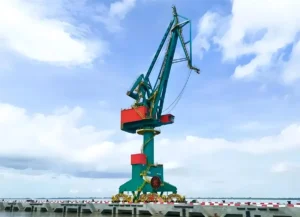
Nos portos, parques logísticos e manuseamento de materiais industriais, as Gruas Pórtico e as Gruas de Portão são dois tipos comuns e essenciais de equipamentos de carga/descarga. Diferem no design estrutural, características de desempenho, métodos de operação, cenários de aplicação e custos de investimento. Este artigo fornece uma análise abrangente da comparação entre Gruas Pórtico e Gruas de Portão e orienta-o na escolha correta. Comparação do Design Estrutural As diferenças estruturais entre Gruas Pórtico e Gruas de Portão manifestam-se principalmente nos métodos de suporte de carga, trajetórias de movimento e alcances de cobertura. A primeira foca-se numa torre fixa e numa lança rotativa, enfatizando a “cobertura de ponto” e a rotação horizontal flexível. A última apresenta uma estrutura de portal e movimento longitudinal sobre carris, priorizando o “movimento horizontal extenso” e o manuseamento eficiente de logística no local. Consequentemente, os seus designs estruturais distintos ditam diretamente os seus diferentes cenários de aplicação. Características Estruturais da Grua Pórtico As gruas giratórias tipo pórtico empregam estruturas de lança de um ou dois cantiléveres com a torre fixada a fundações ou carris, permitindo uma rotação de 360° ou parcial. Esta configuração permite uma operação flexível em espaços estreitos e alongados, como linhas costeiras, frentes de cais e berços de navios, tornando-a particularmente adequada para o manuseamento de materiais entre navio e terra. A sua funcionalidade principal combina verticalmente…
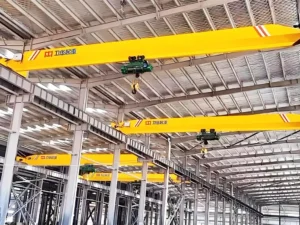
Nas operações industriais modernas, a movimentação eficiente de materiais é crucial para maximizar a produtividade e otimizar o fluxo de trabalho. Os pontes rolantes, também conhecidos como gruas aéreas ou gruas EOT, são sistemas fixos de manuseio de materiais amplamente utilizados em operações de fabrico, processamento de metais, armazenamento e operações de carga/descarga. Neste artigo, exploraremos o princípio de funcionamento, os componentes principais, as aplicações e os benefícios operacionais das pontes rolantes, fornecendo um guia abrangente para planeadores industriais e profissionais de logística. Princípio de Funcionamento da Ponte Rolante Uma ponte rolante opera numa estrutura semelhante a uma ponte que abrange o espaço de trabalho, com um carro e um sistema de elevação que se move horizontalmente ao longo da ponte e levanta ou baixa cargas verticalmente. O movimento da ponte rolante na via, combinado com o controlo preciso do elevação, permite o manuseio eficiente e seguro de materiais pesados em fábricas, armazéns e instalações industriais. Para informações sobre como funcionam as gruas aéreas, consulte este artigo: Princípio de Funcionamento das Gruas Aéreas: Componentes, Movimento e Processo Operacional Terminologia da Ponte Rolante Segue-se uma introdução à terminologia relacionada com as partes da ponte rolante. Capacidade da Ponte Rolante: A capacidade da ponte rolante refere-se ao peso máximo que uma ponte rolante pode levantar em segurança. Geralmente medida em toneladas...
Uma Ponte Rolante EOT (Electric Overhead Traveling Crane) é um sistema de elevação aéreo eficiente e fiável, utilizado para manusear materiais pesados em fábricas, armazéns, oficinas e instalações industriais. Correndo sobre carris suspensos, as pontes rolantes EOT permitem o movimento tridimensional seguro e preciso de cargas, através de movimentos coordenados de elevação, translação transversal e translação longitudinal. Este artigo irá guiá-lo através das definições, tipos, estrutura, princípios de funcionamento, aplicações e fatores de custo das pontes rolantes EOT, para o ajudar a selecionar a solução mais adequada às suas necessidades de elevação. Como funciona uma Ponte Rolante EOT? O princípio de funcionamento de uma ponte rolante EOT envolve uma combinação de elevação vertical, movimento horizontal do carro e movimento longitudinal da ponte, permitindo o manuseamento eficiente de cargas pesadas em instalações industriais. A ponte rolante opera em carris de pista elevados, instalados ao longo da estrutura do edifício, com a viga da ponte a cobrir o espaço de trabalho. O mecanismo de elevação sobe ou desce a carga utilizando cabos de aço ou correntes, enquanto o carro move a carga horizontalmente ao longo da ponte. A ponte rolante inteira desloca-se longitudinalmente ao longo dos carris da pista, permitindo o posicionamento tridimensional dos materiais. As pontes rolantes EOT modernas são acionadas por motores elétricos com velocidade precisa…
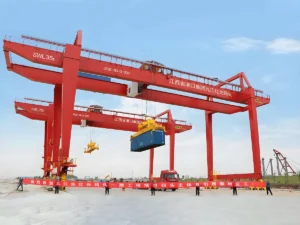
As gruas porta-pórtico são amplamente utilizadas em pátios de estocagem ao ar livre, estaleiros, fábricas e locais de construção, tornando-as uma das soluções de manuseio de materiais mais versáteis e extensivamente aplicadas. As gruas porta-pórtico vêm em vários tipos, cada uma personalizável para se adequar a diferentes capacidades de carga, condições do local e requisitos operacionais. No entanto, a seleção da configuração errada pode levar a despesas desnecessárias, capacidade de elevação limitada ou restrições de expansão futuras. Então, quais são os principais tipos de gruas porta-pórtico? Como escolher o tipo certo para a sua aplicação? Neste guia, forneceremos uma visão geral detalhada dos diferentes tipos de gruas porta-pórtico com base na estrutura, mobilidade e cenários de aplicação, ajudando-o a tomar a decisão certa antes de investir numa solução de elevação. O artigo é bastante longo. Abaixo está o nosso índice. Por favor, salte para a secção correspondente, conforme necessário: O que é uma Grua Porta-Pórtico? As gruas porta-pórtico são equipamentos de elevação concebidos para o manuseio eficiente de cargas pesadas em grandes locais ao ar livre. A sua estrutura distinta apresenta uma ou mais vigas principais suportadas por pernas rígidas (ou flexíveis) de cada lado, formando uma estrutura monumental em forma de “portão”. Estas gruas atravessam…
 English English
  Русский
 العربية
 Français
 Português
 Español