Qual a diferença entre uma ponte rolante EOT e uma ponte rolante pórtico?
Índice
Introdução
EOT cranes and gantry cranes are two widely used industrial lifting equipment for handling heavy loads in factories, warehouses, ports, and construction sites. Both cranes are designed to move materials horizontally and vertically, but they have different structures, installation methods, and application environments.
This article explains the difference between EOT crane and gantry crane from several aspects, including structure, working principle, installation requirements, applications, advantages, and selection considerations. We hope this article will help you choose the right crane solution based on your specific lifting needs and working conditions.
Ponte Rolante
Pórtico Rolante
What Is An EOT Crane?
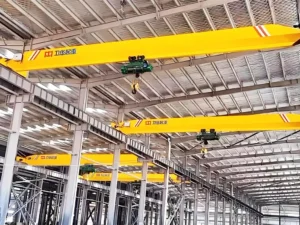
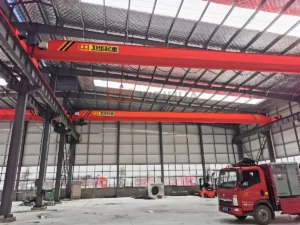
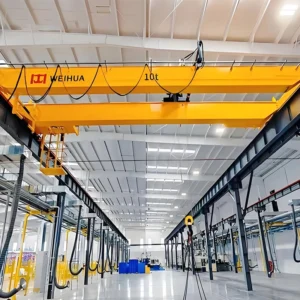
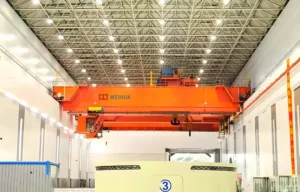
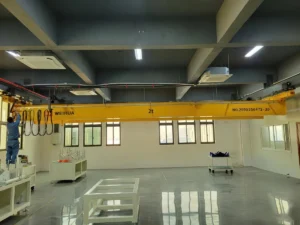
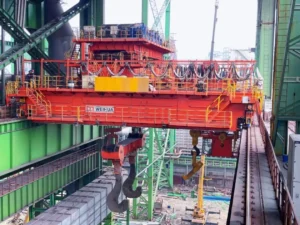
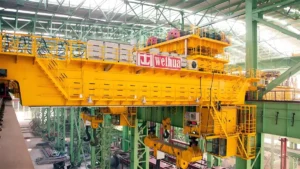
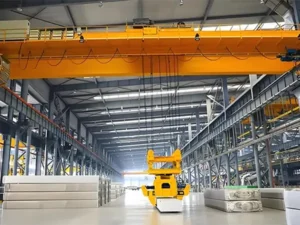
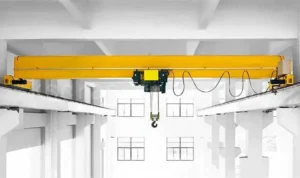
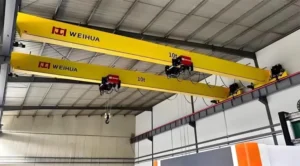
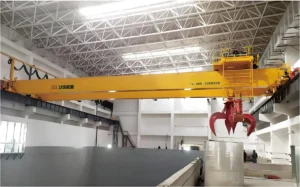
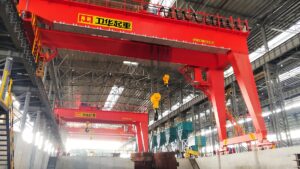
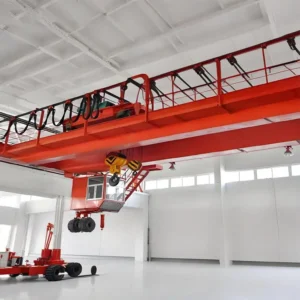
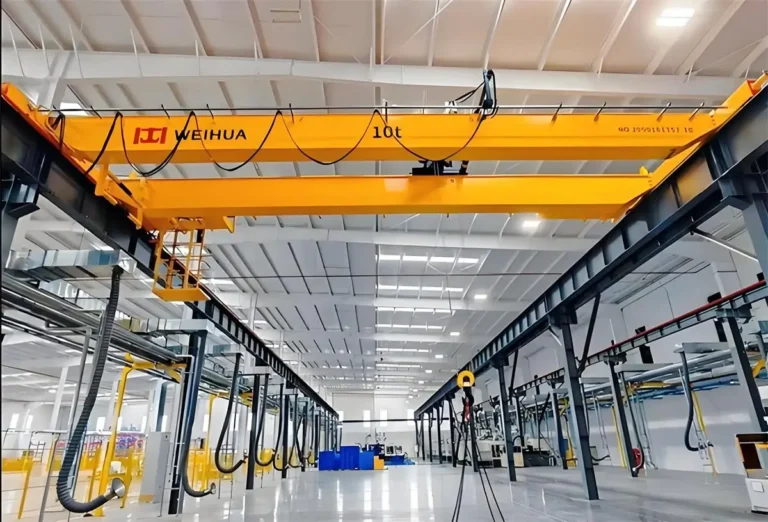
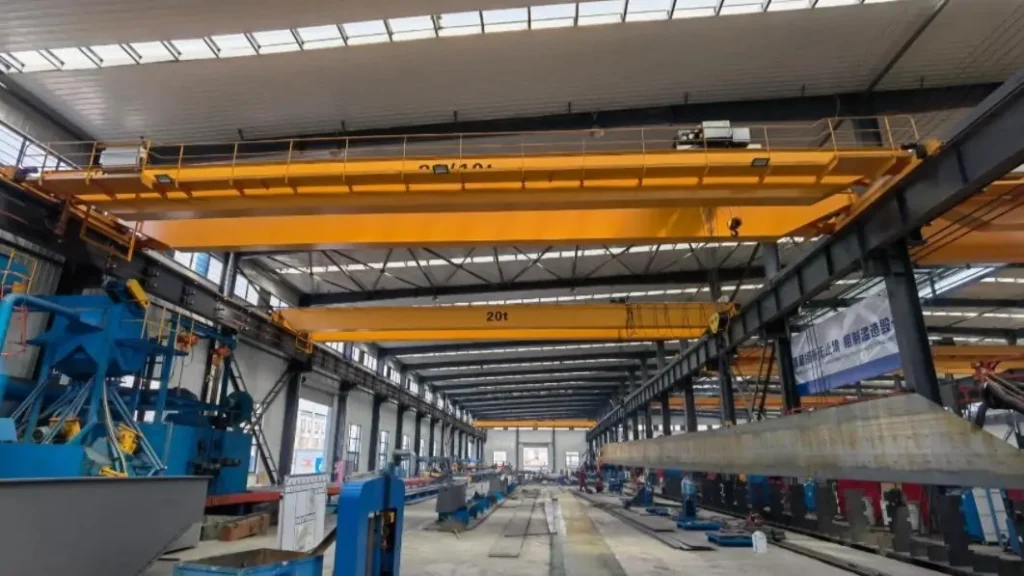
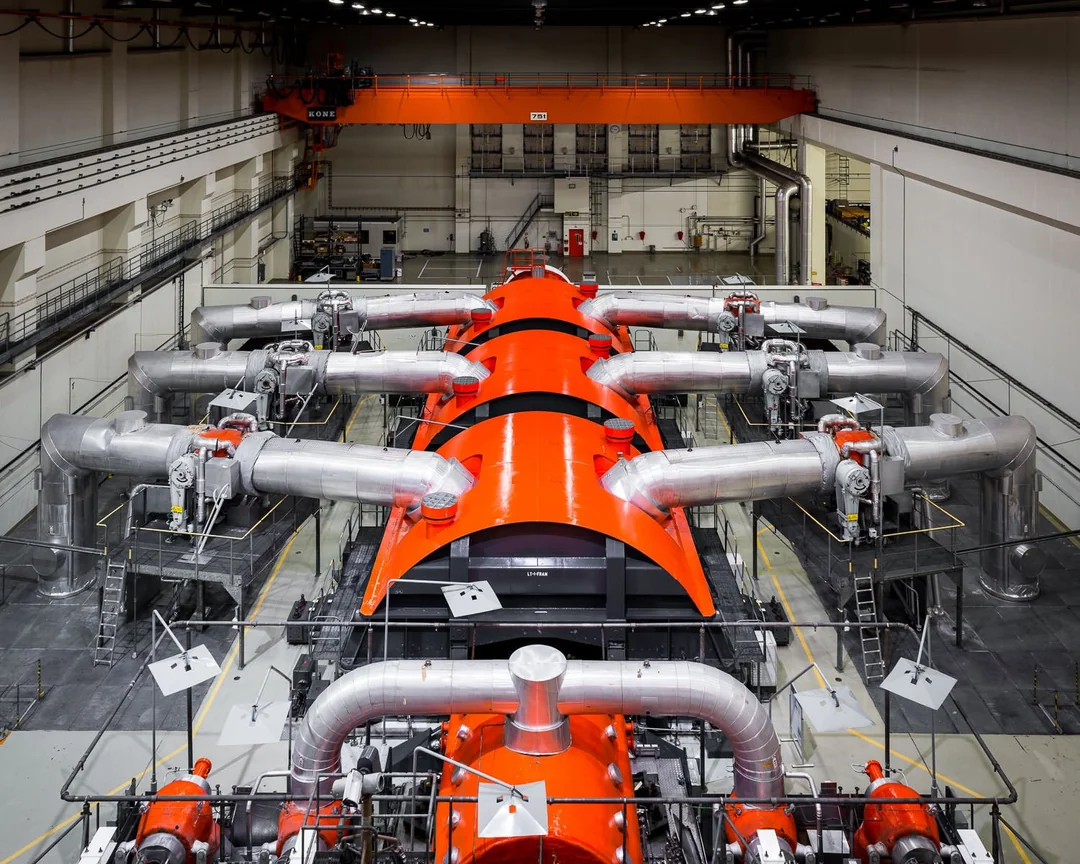
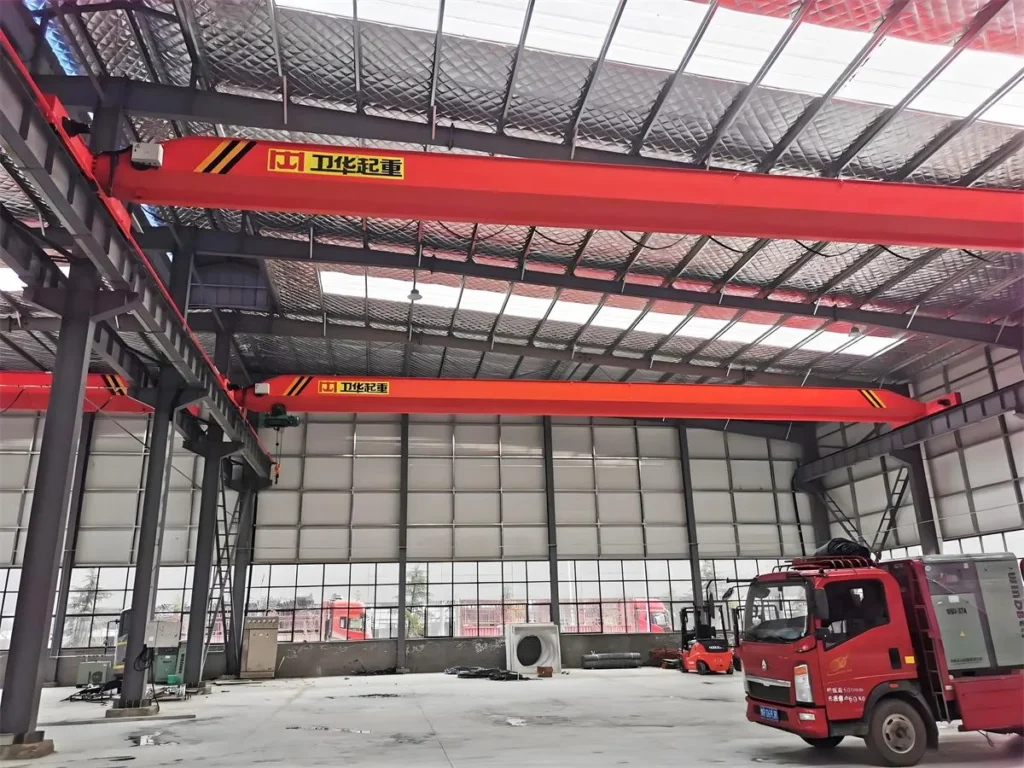
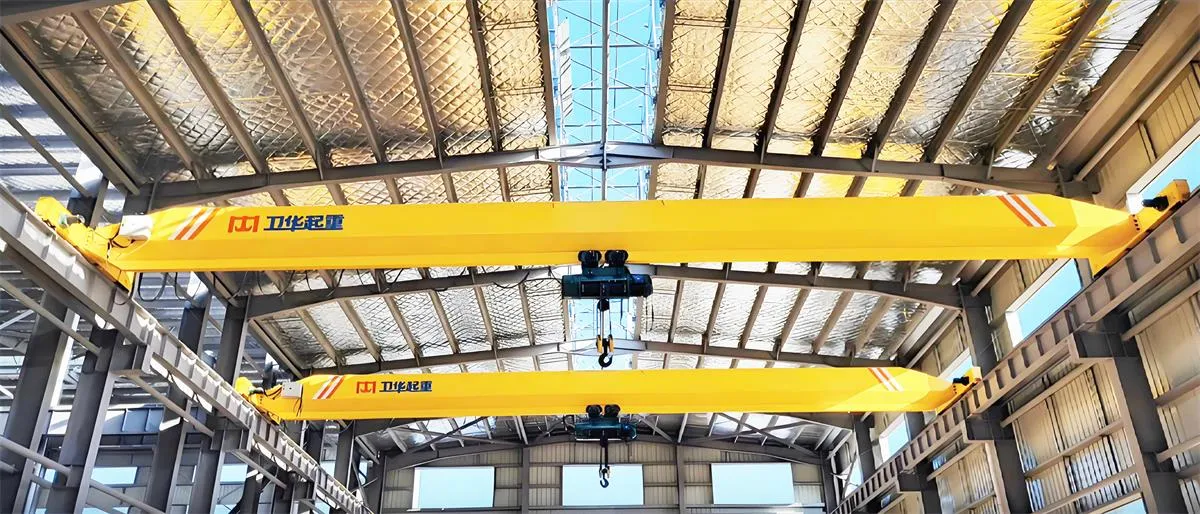
Um EOT crane (Electric Overhead Travelling Crane), also commonly known as an overhead crane or bridge crane, is an electrically powered overhead lifting system used for moving heavy materials along a fixed runway inside industrial facilities. Its main components include the bridge girder, end trucks, hoist trolley, runway system, and electrical control system, which work together to complete lifting and horizontal movement operations.
EOT cranes are widely used in manufacturing plants, steel mills, warehouses, machinery workshops, and other industrial environments for handling steel products, equipment, components, and heavy loads.
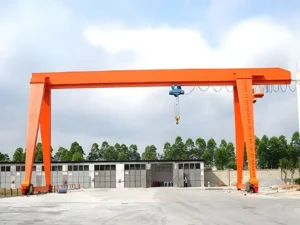
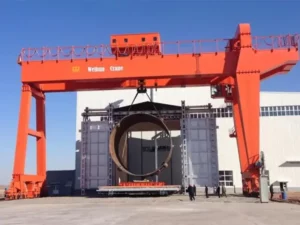
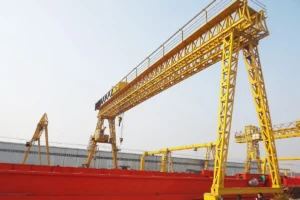
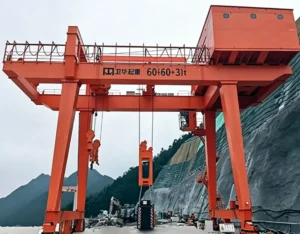
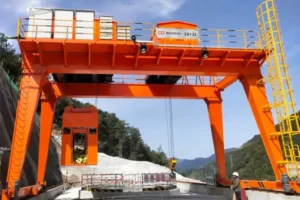
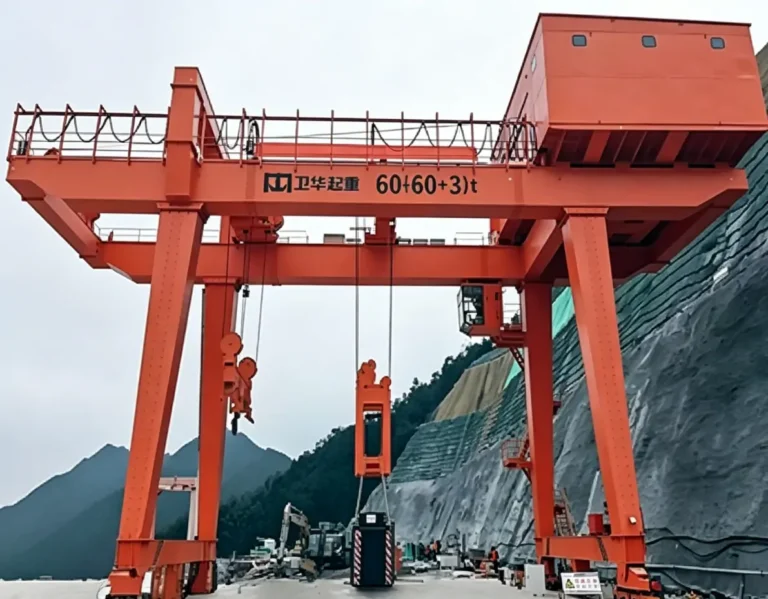
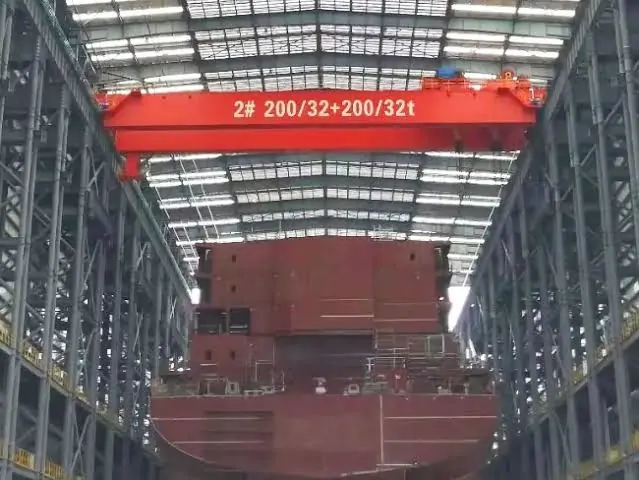
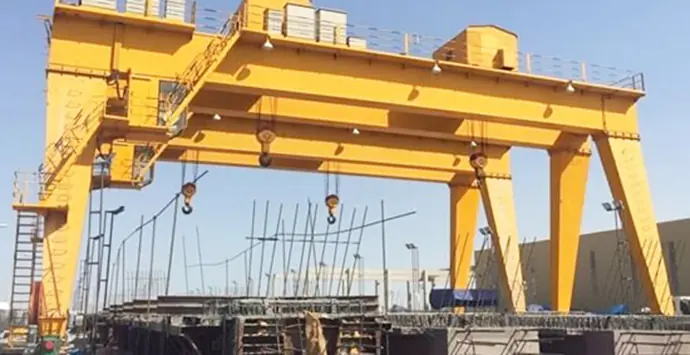
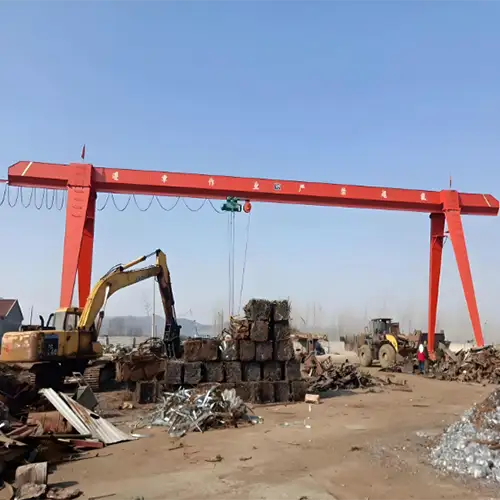
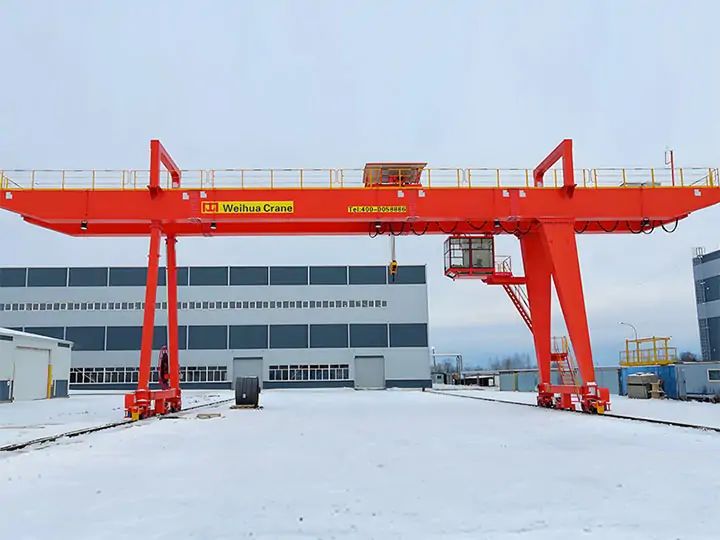
A ponte rolante is a type of overhead lifting equipment supported by legs that run on ground rails or wheels. Its main components include the main girder, supporting legs, hoisting trolley, travel mechanism, and electrical control system, which allow the crane to lift and move heavy loads across a designated working area.
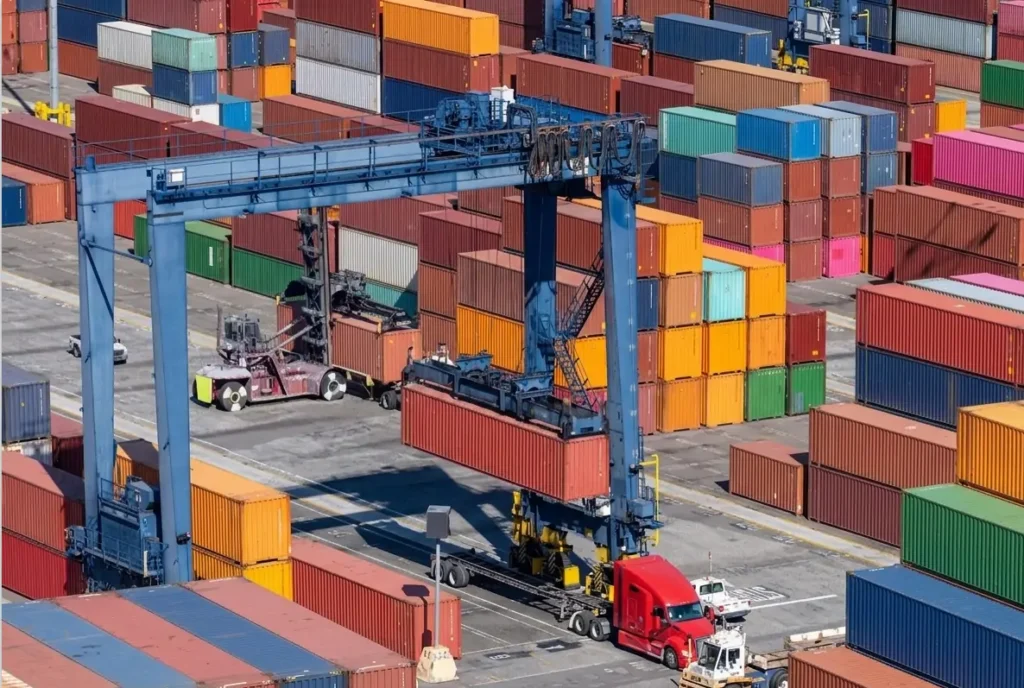
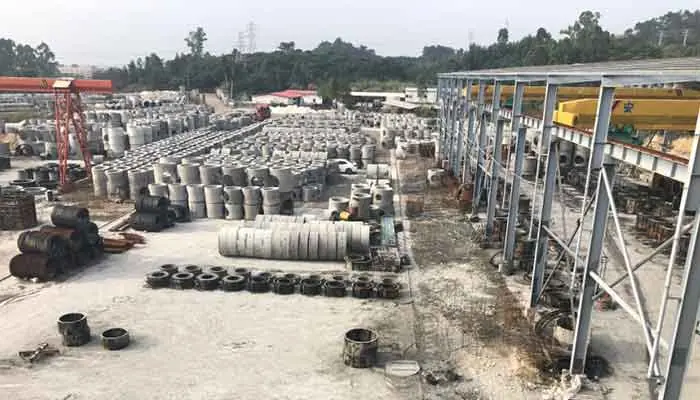
Gantry cranes are widely used in shipyards, container terminals, precast concrete yards, steel storage areas, construction sites, and other indoor or outdoor applications for handling large and heavy materials.
Diferença entre ponte rolante EOT e ponte rolante pórtico
The difference between EOT crane and gantry crane mainly lies in their structure, installation method, supporting system, working environment, and application requirements.
The following table shows the differences between EOT crane and gantry crane to help you compare their features and applications.
Item de comparação
Ponte Rolante
Pórtico Rolante
Estrutura
Bridge girder, end trucks, hoist trolley, runway system
Main girder, legs, hoist trolley, travel system
Instalação
Installed on building-supported runway beams
Installed on ground rails with support legs
Support
Uses factory columns or building structure
Uses independent legs
Working Area
Mainly indoor factories and workshops
Indoor and outdoor areas
Requisitos de espaço
Requires existing building structure and saves floor space
Requires ground space for rails and legs
Movimento
Travels on overhead runway beams
Travels on ground rails or wheels
Aplicações
Factories, steel mills, warehouses, workshops
Shipyards, container yards, construction sites
Custo de instalação
Lower when building structure is available
Higher due to legs, rails, and foundation requirements
Manutenção
Easier indoor maintenance
Requires outdoor protection and regular inspection
Weather Protection
Usually used indoors with less weather impact
Requires weather-resistant design for outdoor use
Relocation
Fixed installation, difficult to move
Easier to relocate between working areas
Custo
Lower total cost when suitable building structures exist
Higher initial cost due to supporting structures and rail systems
EOT cranes are mainly designed for indoor factory lifting operations, while gantry cranes provide more flexible installation options for indoor and outdoor material handling applications.
EOT Crane vs Gantry Crane: Which One Should You Choose?
After understanding the difference between EOT crane and gantry crane, the next step is selecting the right crane based on your working environment, installation conditions, and lifting requirements.
Choose EOT Crane
Has existing overhead beams or building support structures.
Mainly used for indoor operations.
Floor space needs to be kept clear for production and storage.
Heavy loads need to be handled frequently.
High lifting precision and stable operation are required.
Applications include factories, warehouses, steel plants, machinery workshops, and assembly areas.
Load capacity requirements are typically above 50 tons.
Choose Gantry Crane
There is no suitable building structure for overhead crane installation.
Lifting operations are required in outdoor areas.
The working area is open, such as yards, ports, or construction sites.
Flexible installation and wider working coverage are needed.
Temporary lifting solutions are required for projects.
Loads need to be moved across open spaces.
Applications include shipyards, container terminals, construction sites, and prefabrication yards.
Choosing the right type of crane can improve lifting efficiency and reduce installation constraints. EOT cranes are more suitable for fixed indoor lifting operations, while gantry cranes provide greater flexibility for outdoor and open-area applications.
Applications Of EOT Crane And Gantry Crane
EOT cranes and gantry cranes are widely used in industrial material handling, but their application areas are different due to their installation methods and working environments.
EOT Crane Applications
Fábricas de produção
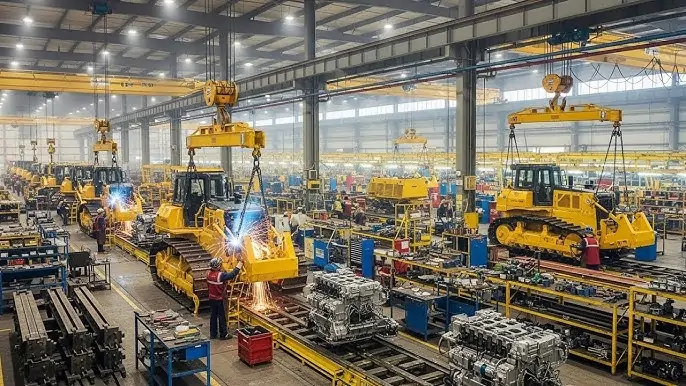
Handling machinery parts, steel products, and production materials.
Siderúrgicas
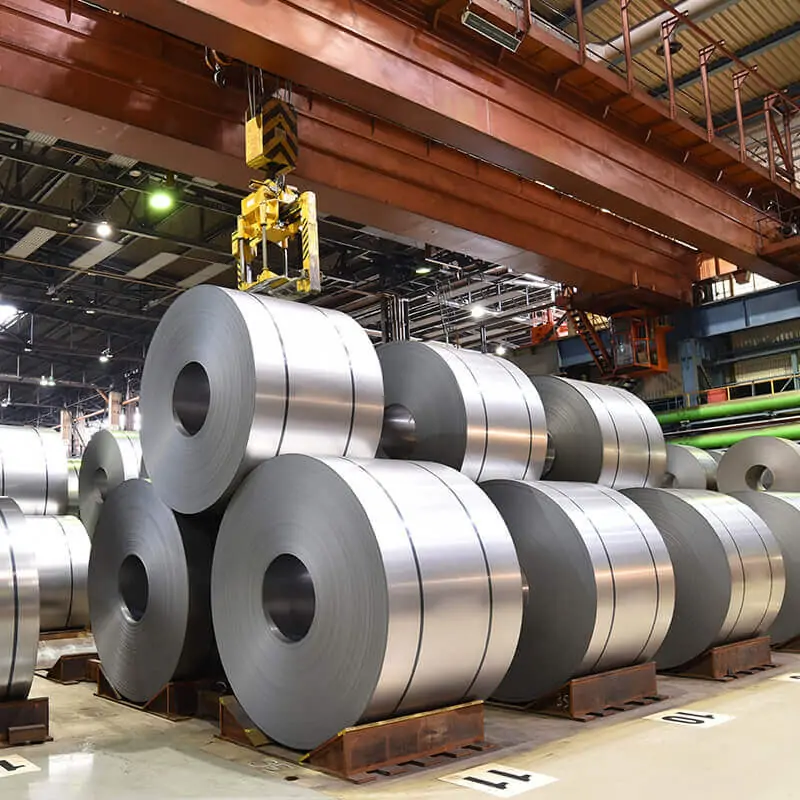
Moving steel coils, plates, billets, and heavy components.
Armazéns
Loading, unloading, and transferring heavy goods.
Oficinas de máquinas
Supporting equipment assembly, maintenance, and processing operations.
Automotive Plants
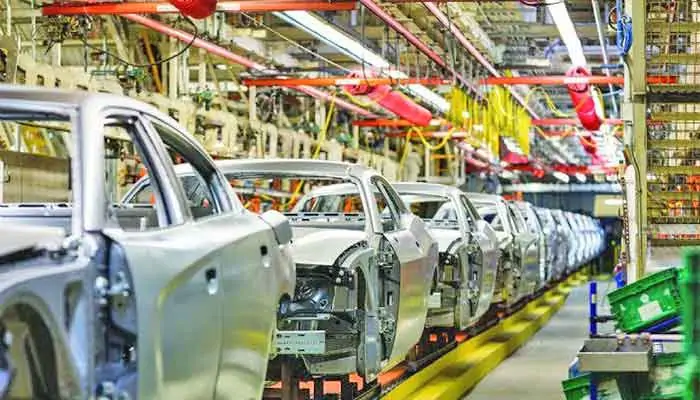
Handling vehicle components and assembly parts.
Usinas de energia
Lifting heavy equipment, generators, and maintenance components.
Gantry Crane Applications
Estaleiros
Lifting ship sections and large structural components.
Terminais de contêineres
Handling containers and heavy cargo.
Canteiros de obras
Moving building materials and prefabricated components.
Precast Concrete Yards
Handling concrete beams, slabs, and large structures.
Pátios de armazenamento ao ar livre
Moving steel materials, equipment, and bulk goods.
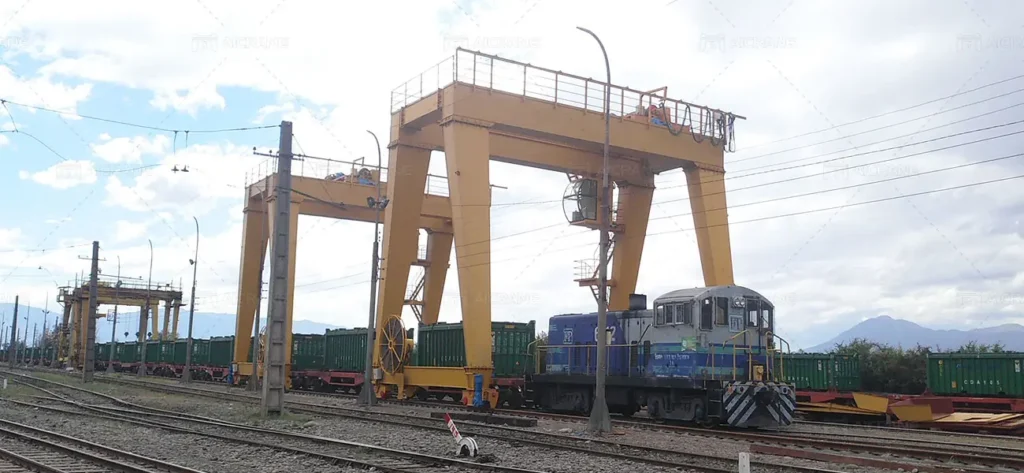
Railway Yards
Loading, unloading, and transferring railway components and containers.
EOT cranes are mainly used for indoor industrial lifting where stable operation and efficient use of workspace are required. Gantry cranes provide more flexible solutions for outdoor and open-area material handling.
EOT Crane And Gantry Crane Cost Comparison
Cost is also an important factor when comparing the difference between EOT crane and gantry crane, as installation conditions and crane configurations directly affect the final investment. In many cases, an EOT crane can have a lower total installation cost when the factory already has suitable runway structures. A gantry crane may require additional costs for legs, rails, and foundation work.
Lifting Capacity – Higher load capacity requires stronger structures and more powerful lifting systems.
Span – A longer span increases the size of the crane structure and supporting components.
Lifting Height – Higher lifting requirements may require longer wire ropes, stronger mechanisms, and customized designs.
Duty Class – Crane working frequency and operation intensity affect the selection of components and overall cost.
Custom Design – Special requirements such as outdoor protection, special lifting devices, or customized control systems can influence the final cost.
Since every lifting project has different requirements, the actual cost of an EOT crane or gantry crane should be evaluated based on your application details. Contact WEIHUA for a customized crane solution based on your lifting needs.
For a more in-depth look at price analysis, please refer to the following article:
Understanding the difference between EOT crane and gantry crane helps you select the right lifting equipment for your factory or outdoor operation. EOT cranes are ideal for indoor factories with existing overhead structures, while gantry cranes offer flexible installation options for outdoor areas and locations without building support.
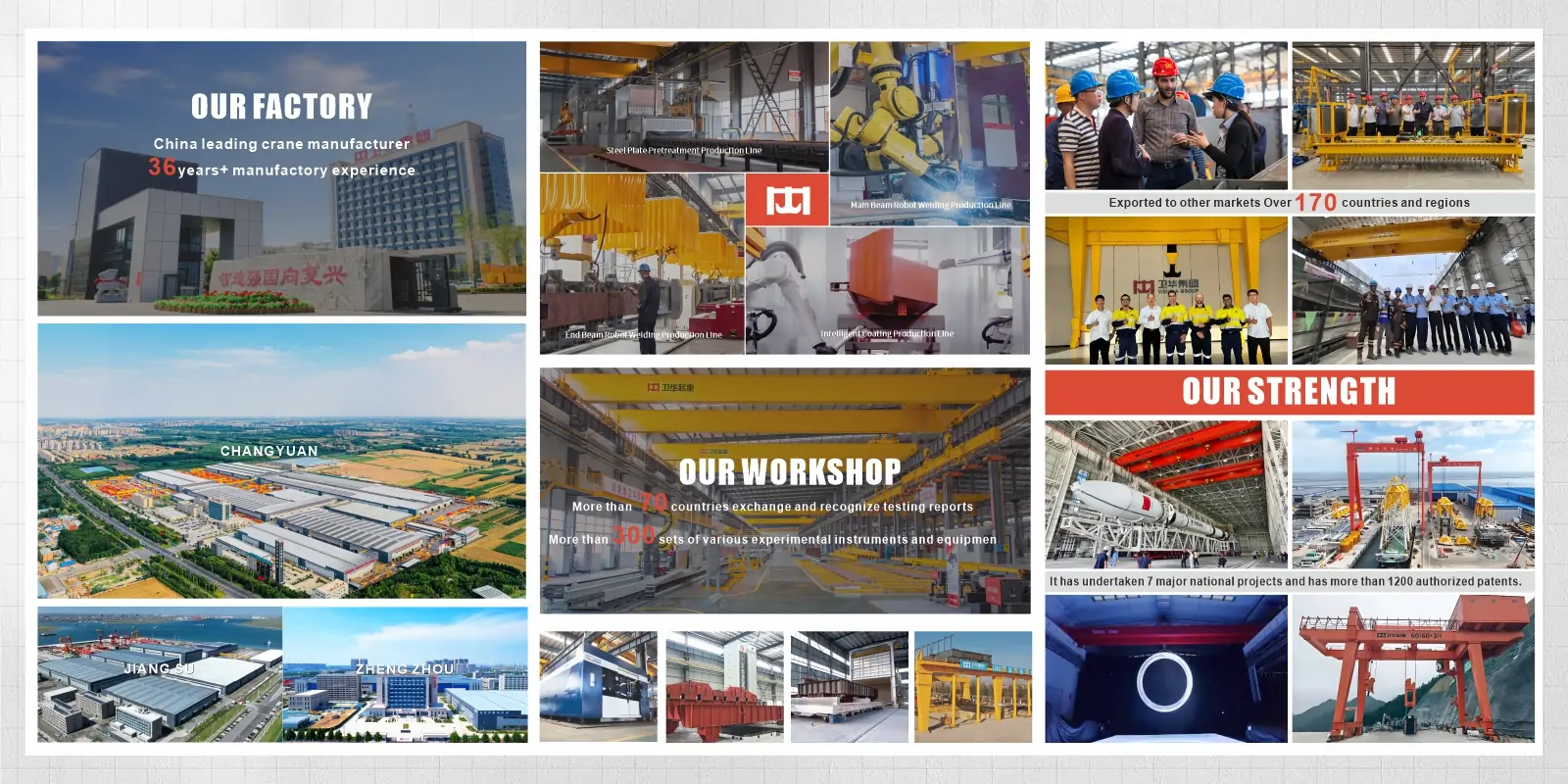
With experience in industrial lifting equipment manufacturing, WEIHUA designs and supplies customized EOT cranes and gantry cranes for different factory and outdoor applications. Contacte-nos to discuss your project requirements and find the right crane solution for your operation.
Perguntas frequentes
What is the difference between EOT crane and gantry crane?
EOT cranes are installed on overhead runway beams supported by a building structure and are mainly used for indoor lifting. Gantry cranes are supported by legs running on ground rails and are suitable for indoor or outdoor applications without overhead structures.
Is an EOT crane better than a gantry crane?
Neither crane is better in all situations. EOT cranes are ideal for indoor factories with existing structures, while gantry cranes are better for open areas, outdoor lifting, or locations without suitable building support.
Can a gantry crane be used indoors?
Yes. Gantry cranes can be used indoors, especially in workshops or facilities where installing overhead runway beams is difficult or not economical.
What industries use EOT cranes?
EOT cranes are commonly used in steel mills, manufacturing plants, warehouses, machinery workshops, automotive plants, and power plants for heavy material handling.
What industries use gantry cranes?
Gantry cranes are widely used in shipyards, container terminals, construction sites, precast concrete yards, railway yards, and outdoor storage areas.
Which crane is suitable for outdoor lifting?
Gantry cranes are generally more suitable for outdoor lifting because they have independent support legs and do not require a building structure.
Are EOT cranes cheaper than gantry cranes?
The cost depends on lifting capacity, span, lifting height, duty class, and customization requirements. EOT cranes may have lower installation costs when suitable building structures already exist.
How do I choose between an EOT crane and a gantry crane?
Choose based on your working environment, available space, load requirements, lifting frequency, and installation conditions. EOT cranes are suitable for fixed indoor operations, while gantry cranes provide more flexibility for outdoor and open-area applications.
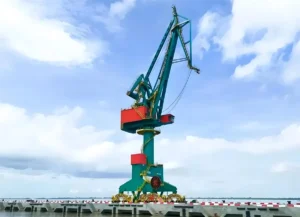
Introdução ao Produto Uma Grua Lança Portuária, também conhecida como Grua Portal Portuária ou Grua Lança de Portal, é uma solução de içamento de cargas pesadas concebida para operações em cais, manuseio de carga a granel e transferência de contentores. Com uma estrutura de pórtico em forma de portal e um mecanismo de rotação de 360°, oferece uma vasta área de trabalho e alta eficiência operacional em ambientes portuários movimentados. Fornecemos designs totalmente personalizados, incluindo capacidade de içamento, alcance, altura de içamento, vão de carris, classe de trabalho e sistemas de energia, para satisfazer os seus requisitos específicos de operação portuária. Vídeo Reprodução Abaixo estão exemplos reais de aplicação das nossas Gruas de Manuseio de Carga Portuária em múltiplos portos. Clique para ver. Dispersores Personalizados A seleção de acessórios de içamento para Gruas Lança Portuárias oferece versatilidade e pode ser alterada de acordo com diferentes materiais e requisitos, satisfazendo as diversas necessidades para carga a granel, carga geral, contentores e outros materiais. Ao selecionar os acessórios, deve ser dada uma consideração abrangente às características físicas do material (forma, dimensões, peso, composição do material), forma de embalagem e eficiência do manuseio. Abaixo estão os acessórios de içamento comumente usados para Gruas Lança Portuárias e as suas descrições: Ganchos Os tipos de gancho único e gancho duplo são…
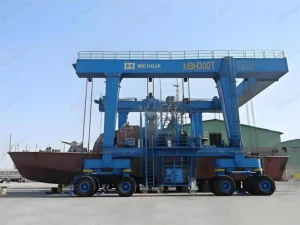
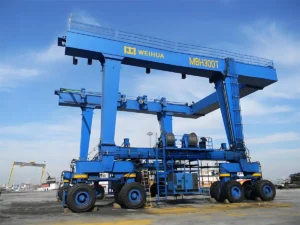
Introdução do Produto Guindaste de Elevação de Barcos, também conhecido como Grua para Barcos, Guincho Marítimo ou Elevador de Iates, é um equipamento especializado concebido para içar, mover e lançar barcos. É amplamente utilizado em portos de iates, estaleiros, bases de reparação naval e centros de serviços marítimos. Normalmente apresentando uma estrutura em pórtico, transmissão hidráulica e um sistema de eslinga ajustável, fornece suporte flexível adaptado à forma do casco, permitindo o manuseamento seguro e estável de vários tipos de barcos. Os Guindastes de Manuseamento de Barcos Portuários oferecem capacidades de elevação que variam de 10 a 1200 toneladas, vãos de 6 a 20 metros, alturas de elevação personalizáveis e uma opção de sistemas de translação sobre rodas ou sobre carris. Caracterizados por alta capacidade de carga, operação estável, raio de viragem compacto e ampla compatibilidade com embarcações, suportam todo o ciclo de vida das embarcações — incluindo operações de lançamento/recuperação, manutenção em dique seco, remodelação do casco, serviço e transferência. Oferecemos várias variantes de Guindastes de Elevação de Barcos, incluindo modelos standard, de grande vão, de serviço pesado, energeticamente eficientes e soluções totalmente personalizáveis adaptadas ao comprimento, boca, peso do vaso e layout do cais. Contacte a nossa equipa para designs à medida e suporte técnico. Por favor, veja este artigo para mais detalhes: Tipos de…
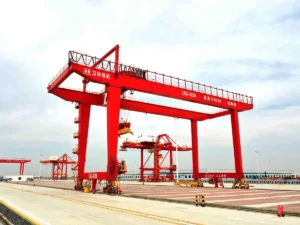
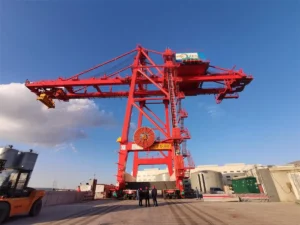
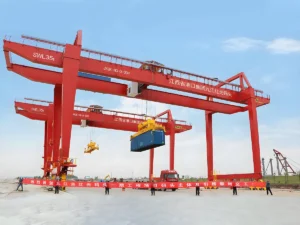
Product Introduction A Rail Mounted Container Gantry Crane (RMG Crane) is a high-efficiency container-handling crane operating on fixed rails, widely used in container yards, intermodal terminals, and logistics hubs for stacking, transferring, and loading/unloading ISO containers. Designed for intensive, continuous operations, RMG cranes deliver stable performance, high positioning accuracy, and exceptional yard utilization. Weihua’s Rail-Mounted Container Gantry Crane strictly adheres to the latest domestic and international standards including FEM, DIN, IEC, AWS, and GB in its design, manufacturing, and inspection processes. The equipment offers advantages such as multifunctionality, high efficiency, stable and reliable operation, and extensive coverage. It also provides greater convenience in usage, maintenance, and upkeep, delivering sustained and efficient operational capabilities for container yards. We customize every key parameter, including span, lifting height, stacking layers, hoisting capacity, rail gauge, operation mode, power supply system, and intelligent automation functions such as anti-sway, auto-positioning, remote control, and container recognition. These parameters should be considered together: the custom gantry crane specification guide explains how load data, site layout, duty, and travel requirements shape the engineering brief. If you are planning a…
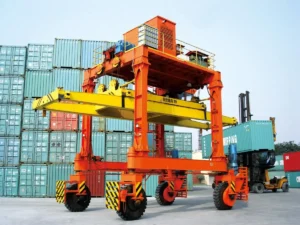
Introdução ao Produto: Os guindastes pórticos sobre pneus (RTG) oferecem mobilidade excepcional e são projetados para operações de pátio de alta intensidade, proporcionando alta produtividade e desempenho estável. Possuem um sistema de controle avançado que permite posicionamento preciso e minimiza a oscilação, garantindo maior segurança no carregamento e descarregamento de contêineres ou cargas superdimensionadas. Os guindastes RTG oferecem diversas opções, incluindo sistemas de acionamento a diesel, híbridos ou totalmente elétricos, ajudando os operadores a reduzir o consumo de combustível e os custos operacionais, mantendo capacidades de elevação confiáveis e uma longa vida útil. Os guindastes pórticos sobre pneus são amplamente utilizados em terminais de contêineres, centros ferroviários, centros logísticos e pátios de armazenamento industrial, suportando tanto o transporte padrão de contêineres quanto a movimentação de materiais pesados. Para atender a diferentes layouts de pátio e requisitos operacionais, oferecemos personalização completa, incluindo largura do vão, altura de elevação, configuração das rodas, camadas de empilhamento, sistema de energia e opções de controle inteligente. Nossa equipe de engenharia pode adaptar um guindaste RTG às condições do seu local e aumentar a eficiência geral do seu pátio. Outros guindastes pórticos utilizados em portos e terminais incluem: Soluções de Guindastes Pórticos para Manuseio de Contêineres em Portos e Terminais e Guindastes Pórticos para Contêineres Montados sobre Trilhos. Os guindastes RTG vêm em uma variedade de modelos…
Introdução ao Produto: A Ponte Rolante Monoviga, também conhecida como Ponte Rolante Monoviga EOT, apresenta uma estrutura compacta, peso leve e baixa carga sobre as rodas, tornando-a a escolha ideal para locais que exigem alta eficiência operacional e otimização do espaço. Seu design combina uma única viga principal com um guincho de baixa altura livre, permitindo maior altura de elevação e garantindo a integridade estrutural. O equipamento também oferece baixo ruído, manutenção mínima e fácil instalação. Através de configurações opcionais, como inversores de frequência, tecnologia anti-oscilação e monitoramento inteligente, este equipamento alcança maior eficiência de elevação e operação mais segura, reduzindo efetivamente as cargas estruturais e os custos operacionais. Amplamente utilizada nos setores de manufatura, usinagem, produção de estruturas metálicas, logística e armazenagem, automotivo e indústrias leves, ela se adapta a diversos cenários, desde o manuseio de matéria-prima e transferências em linhas de produção até a manutenção de equipamentos. Para uma análise detalhada das pontes rolantes monoviga EOT, leia o artigo: O que é uma Ponte Rolante Monoviga EOT? Acessórios de Içamento Personalizados: Gancho de Içamento: Dispositivo de içamento universal padrão, adequado para a maioria das operações de movimentação de materiais em fábricas. Personalizável de acordo com a tonelagem e os requisitos estruturais. Caçamba com garra projetada para carregar e descarregar materiais a granel, como areia,…