







Índice
Introdução
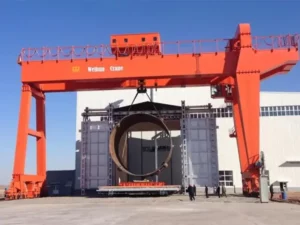
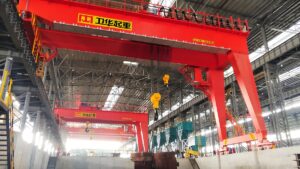
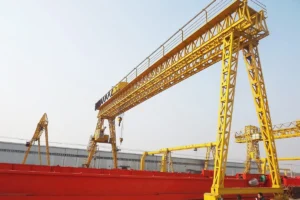
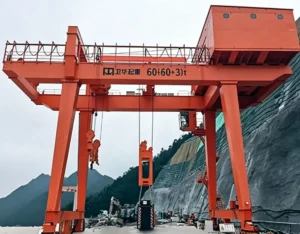
How Many Types Of EOT Crane Are There? This is one of the most common questions asked by buyers and plant managers when selecting an overhead lifting system. EOT cranes are generally classified into several main categories based on their structural design and installation method, including single girder, double girder, underslung, and various special-purpose cranes.
EOT cranes are widely used in factories, warehouses, steel plants, and many other heavy-duty production environments. In industrial facilities, they play a critical role in daily material handling, allowing heavy loads to be moved safely and efficiently across fixed workshop spans. This article will explore exactly how many types of overhead cranes are used in actual production and how they differ in real-world industrial applications.
What Is an EOT Crane?
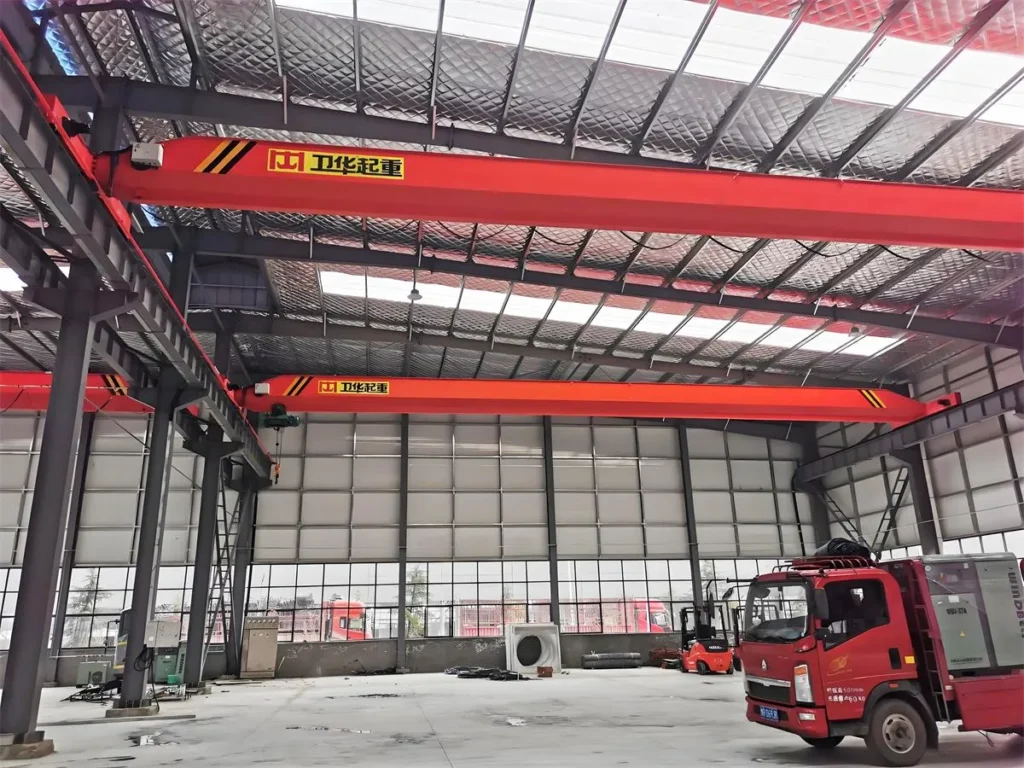
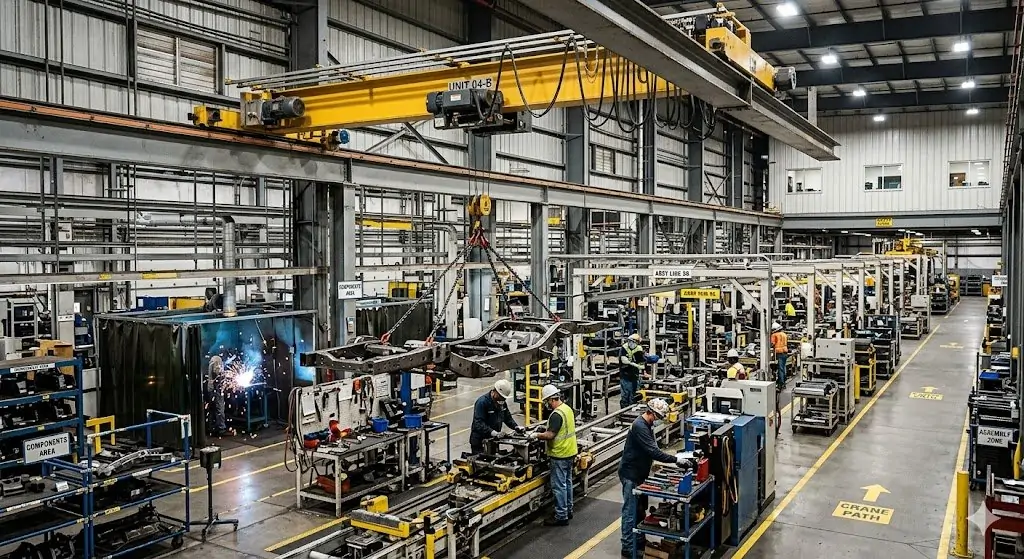
EOT Crane is the abbreviation of Electric Overhead Traveling Crane, commonly referred to in Chinese as an electric overhead crane or bridge crane. It is a lifting equipment installed on the overhead runway system of a factory or workshop, used for lifting and horizontal handling of heavy or bulk materials.
The operating mode is that the bridge travels longitudinally along the runway rails on both sides of the workshop, the trolley moves transversely along the main girder, and the hoisting mechanism performs vertical lifting, completing material handling within the working area through three-directional movement.
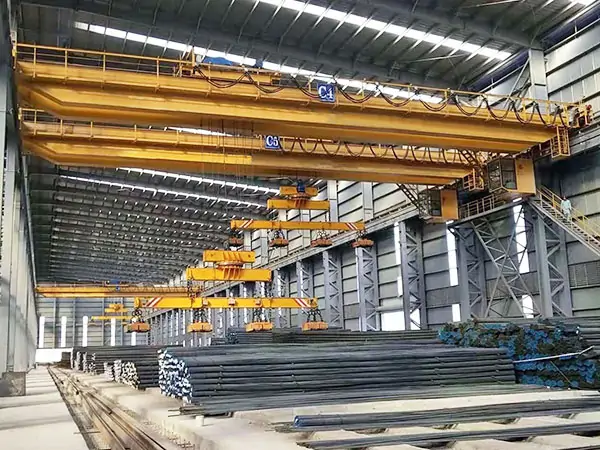
Quantos tipos de ponte rolante existem?
How Many Types Of EOT Crane Are There? The answer depends on lifting requirements, workshop structure, and operating conditions. Different industries require different crane configurations to achieve the required load capacity, lifting height, span, and duty cycle. WEIHUA manufactures a wide range of EOT cranes, including single girder, double girder, underslung, and application-specific designs, with customization available for various working environments. The following sections introduce the main types of EOT cranes and their typical applications.
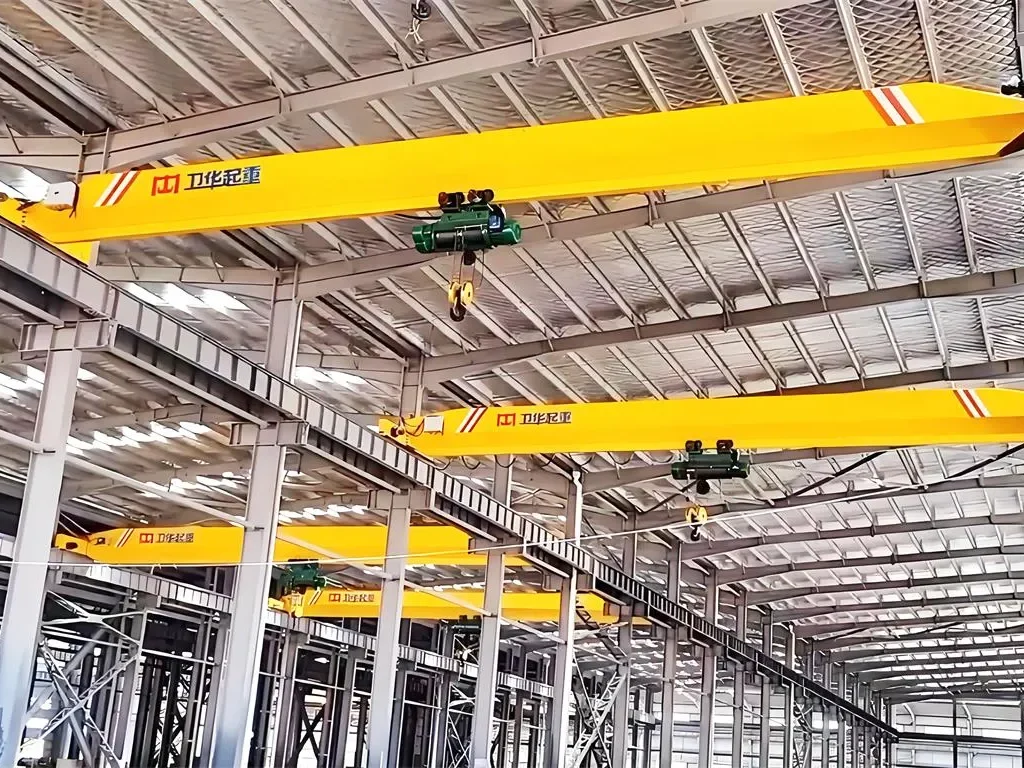
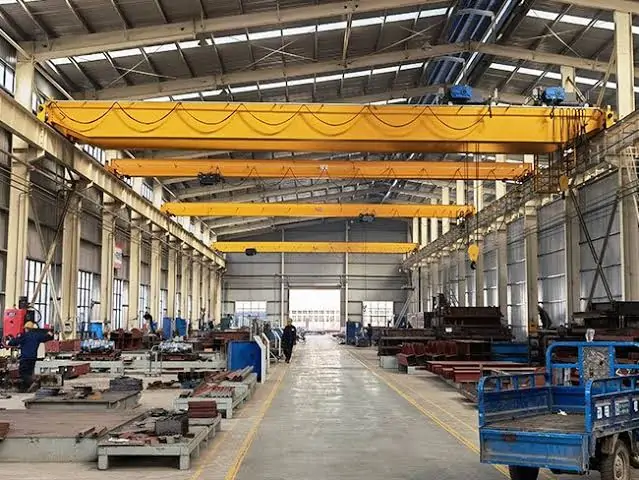
Ponte rolante monoviga
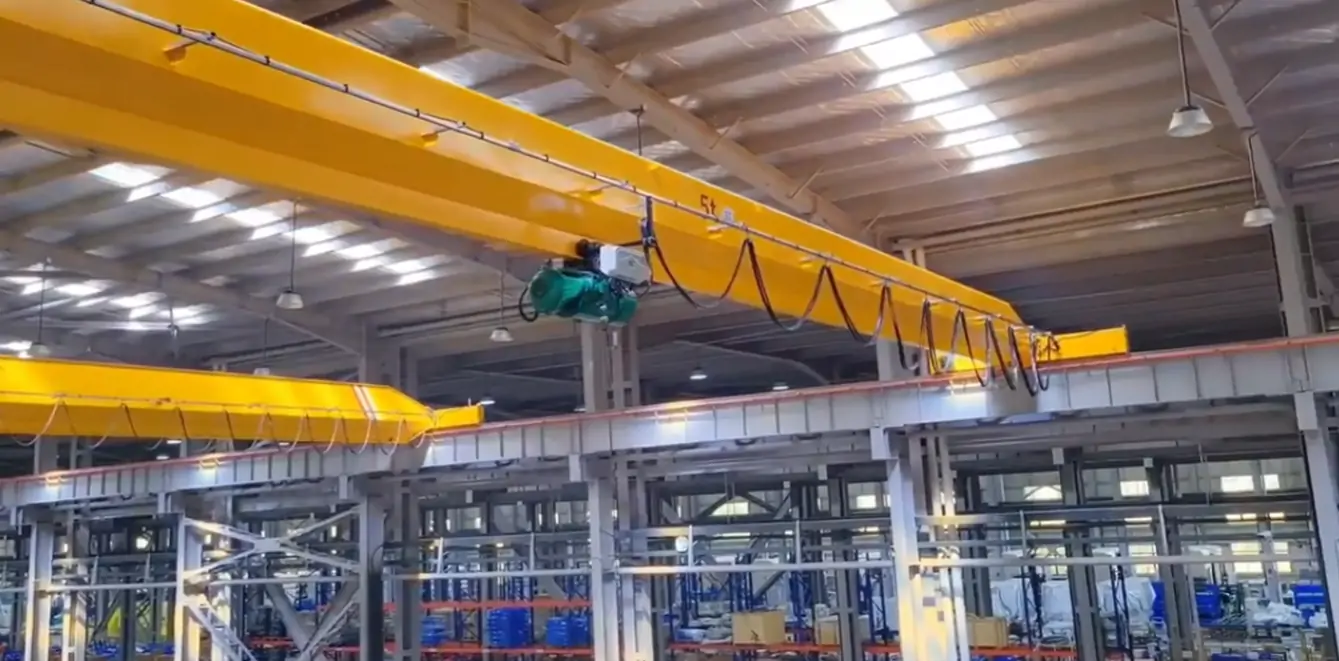
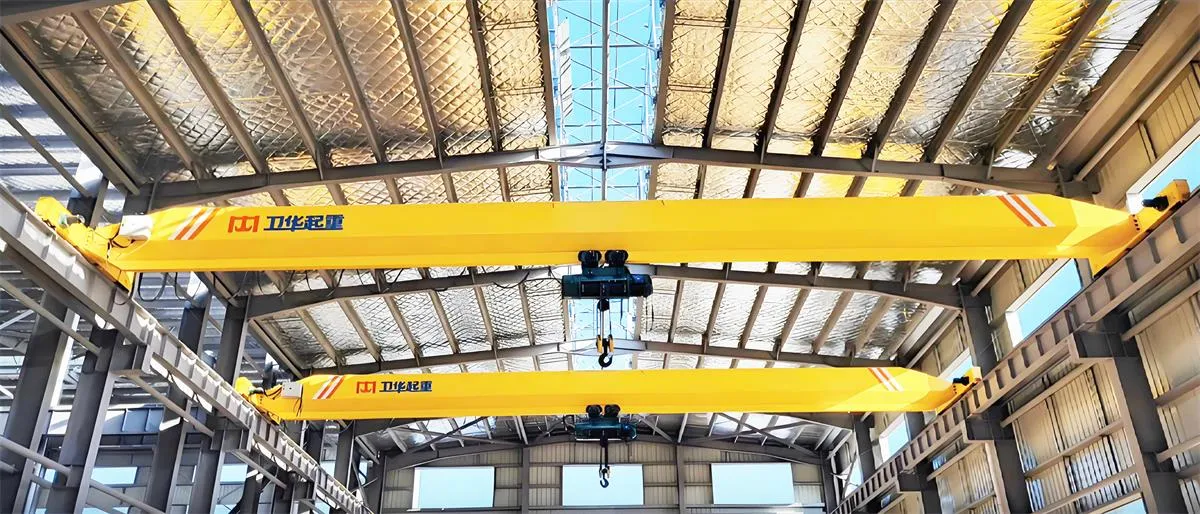
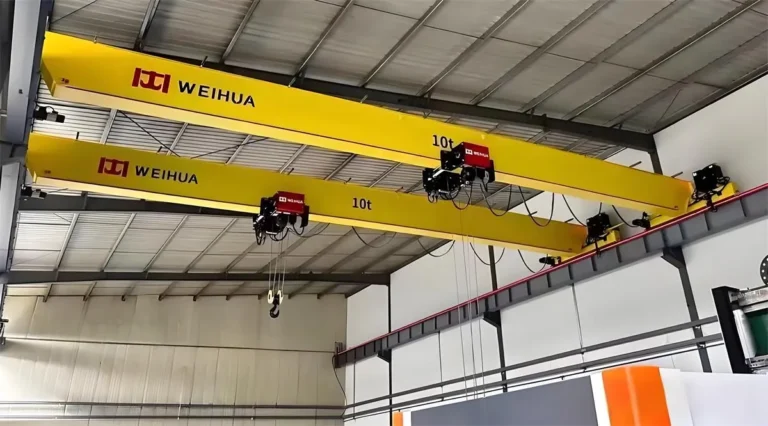
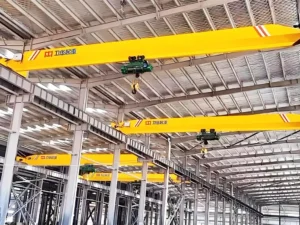
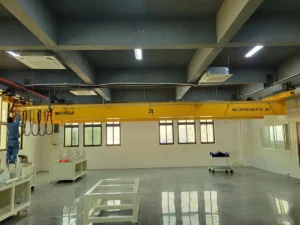
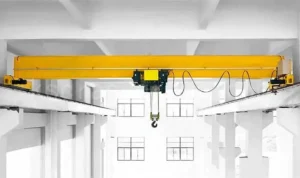
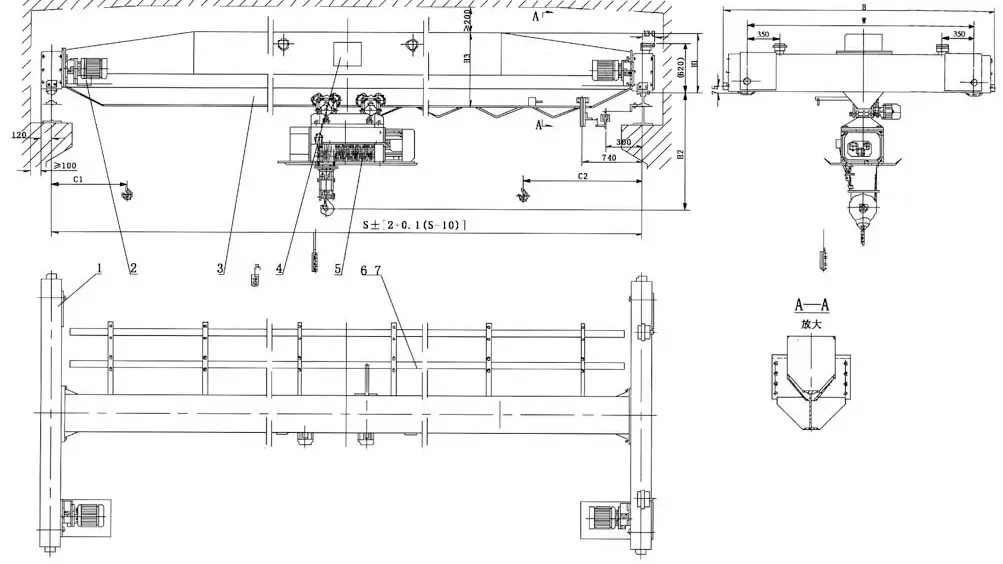
A single girder EOT crane is the most basic type of overhead crane, using a single box girder or I-beam as the main beam. It has a lightweight structure, low self-weight, economical cost, and is easy to install and maintain. It is mainly used in applications with a small lifting capacity and low working intensity. It is a common piece of equipment for light material handling in workshops, warehouses, small and medium-sized processing plants, and assembly lines.
- Capacidade de elevação: 1–20 toneladas
- Span: 5–30 meters
- Lifting height: 3–20 meters
- Working duty: A3–A5
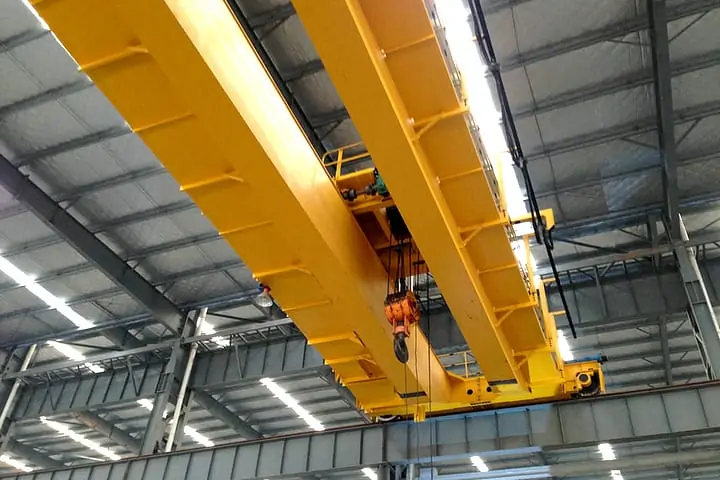
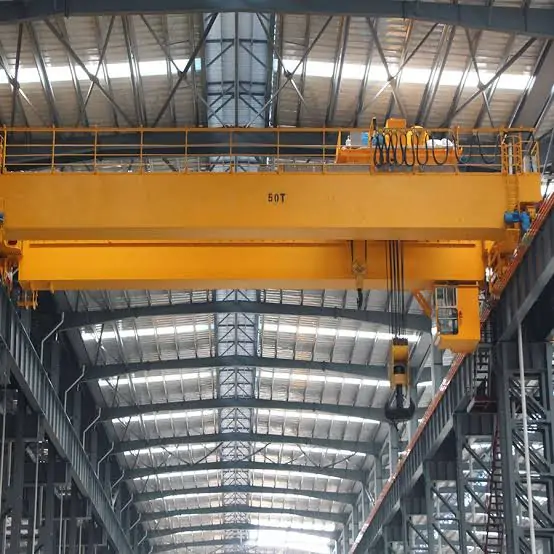
Ponte rolante de viga dupla
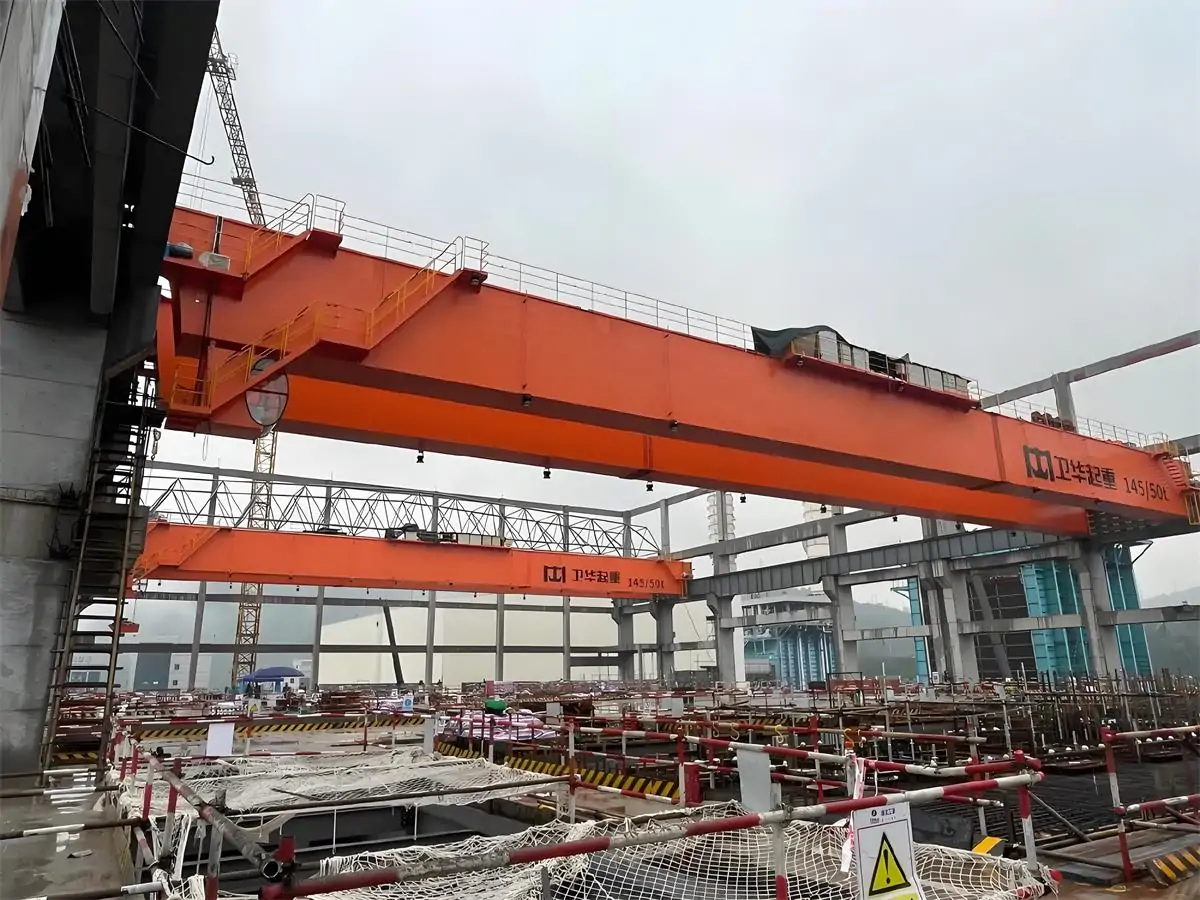
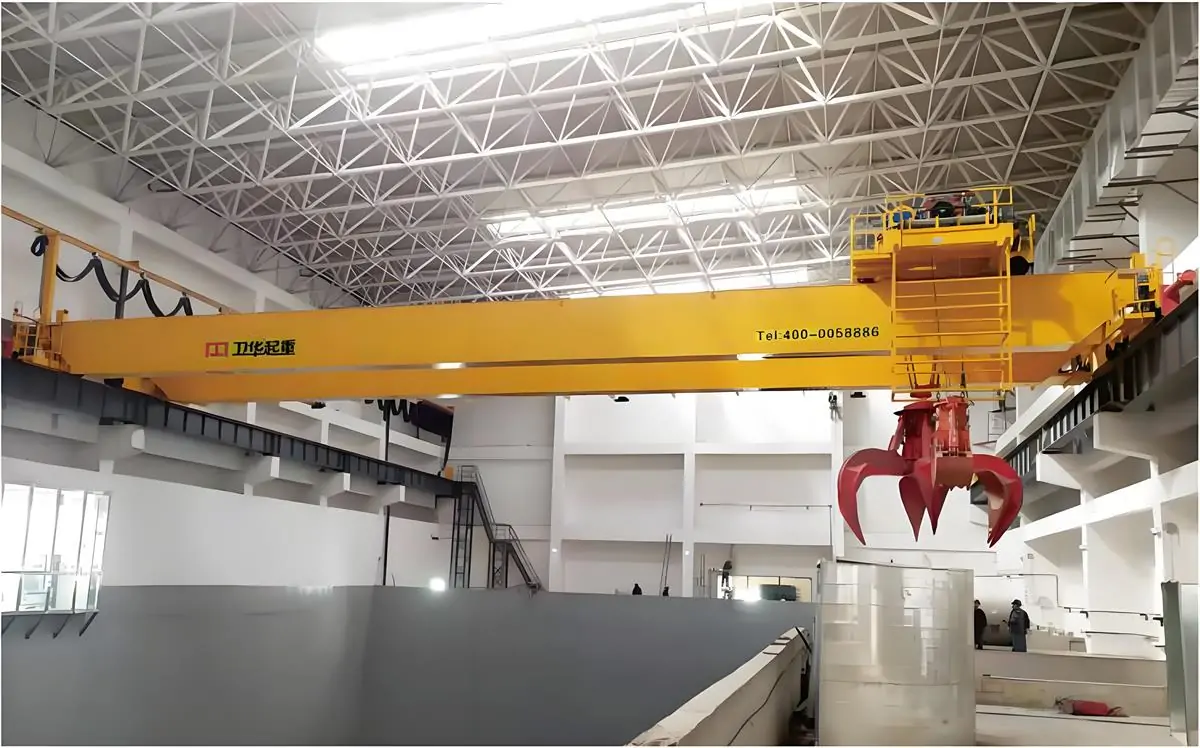
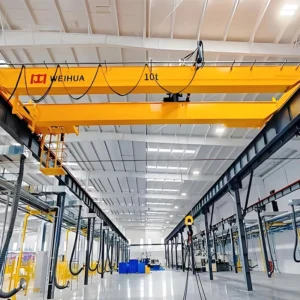
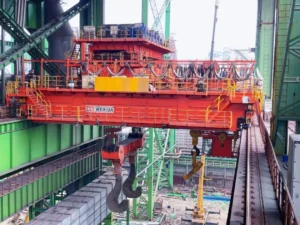
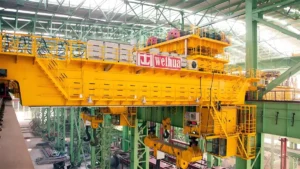
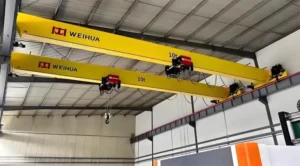
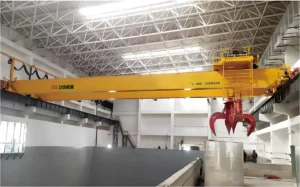
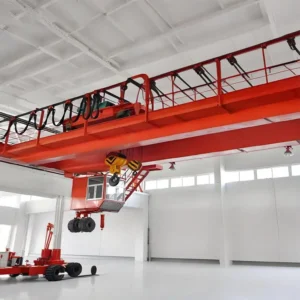
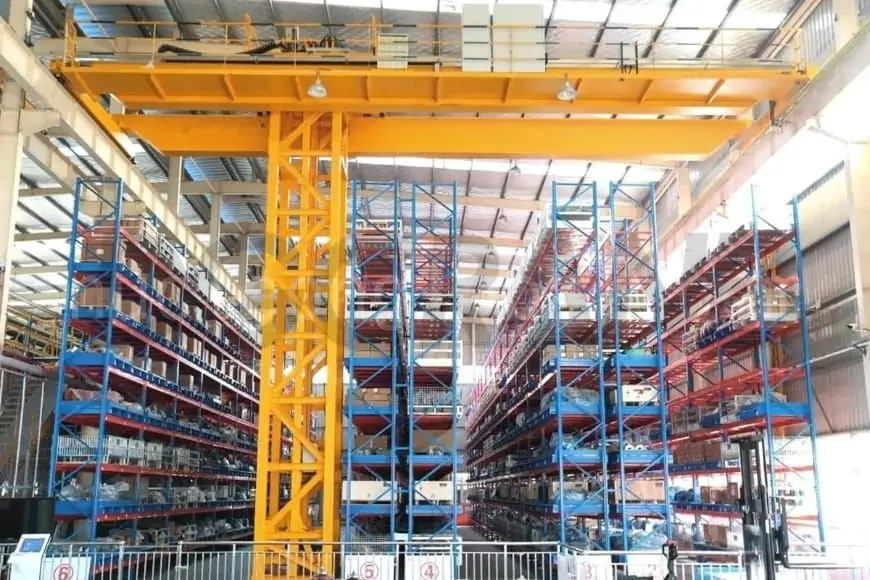
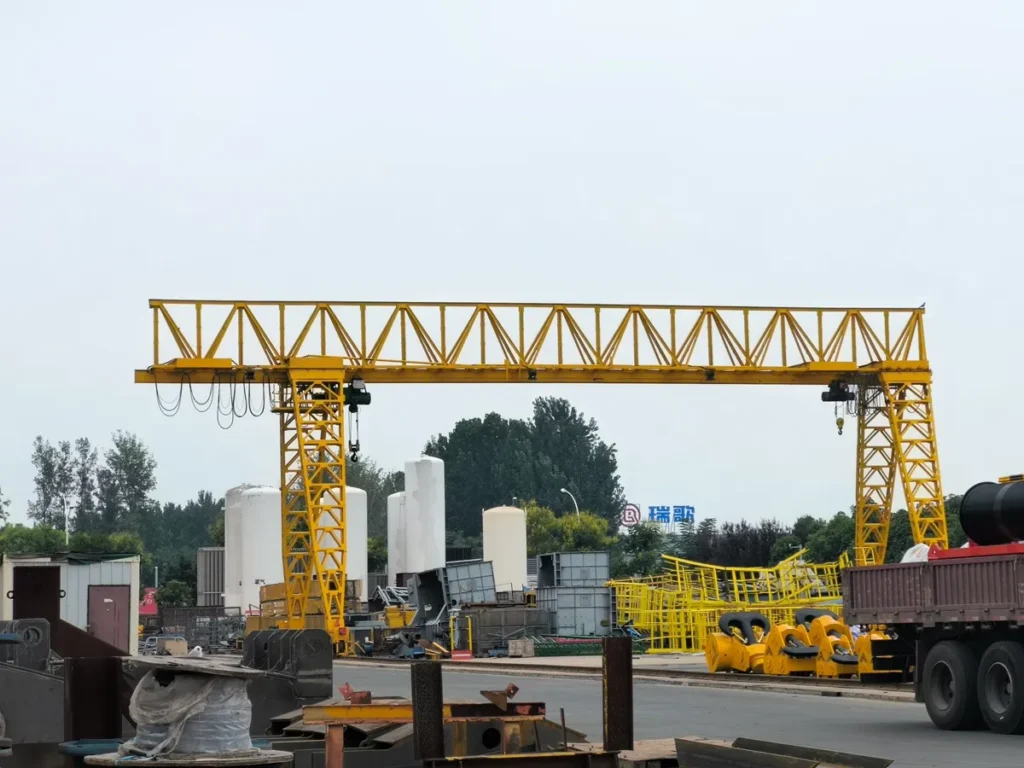
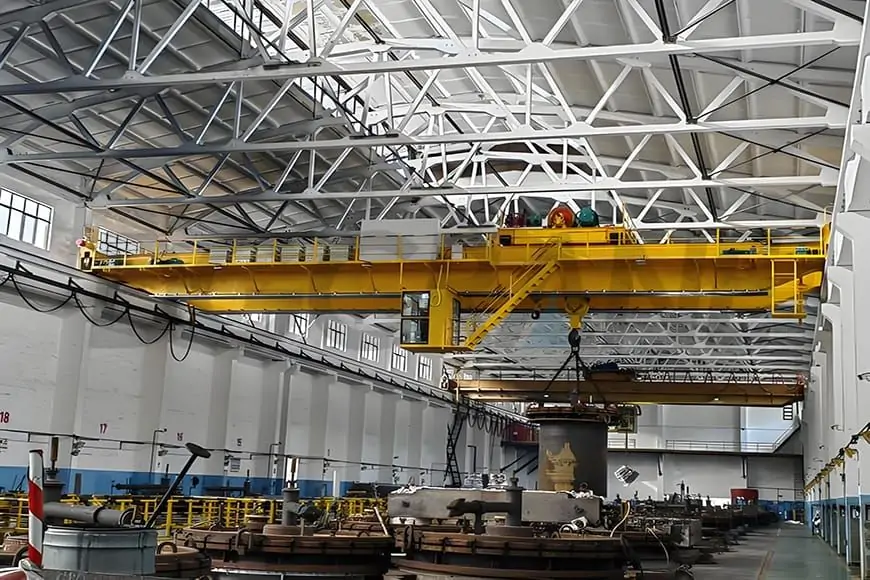
Ponte rolante de viga dupla is composed of two box-type or truss-type main girders. It has a strong structure, high rigidity, stable operation, and high safety redundancy. Its core feature is an extremely large load capacity, designed for heavy material handling. It is widely used in metallurgy, heavy machinery manufacturing, power plants, large-scale warehousing logistics, and equipment installation industries.
- Lifting capacity: 5–550+ tons
- Span: 18–50+ meters
- Lifting height: up to 30+ meters (customizable)
- Working duty: A5–A7
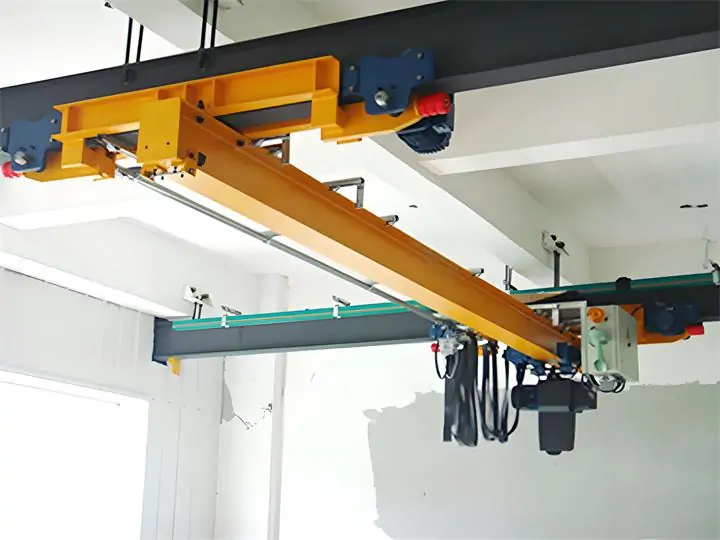
Underslung EOT Crane (Suspension Crane)
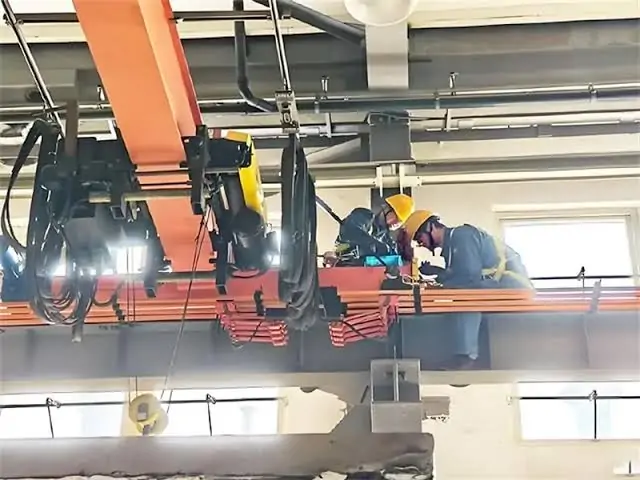
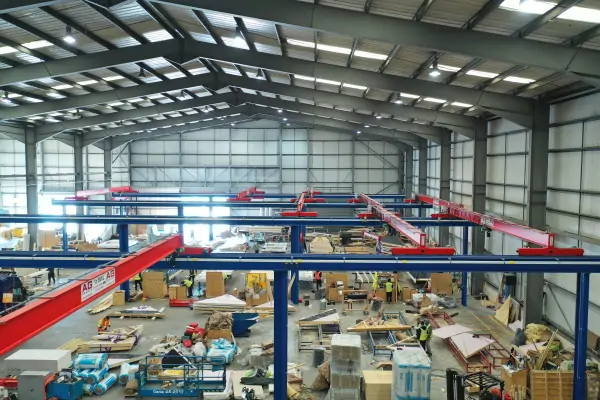
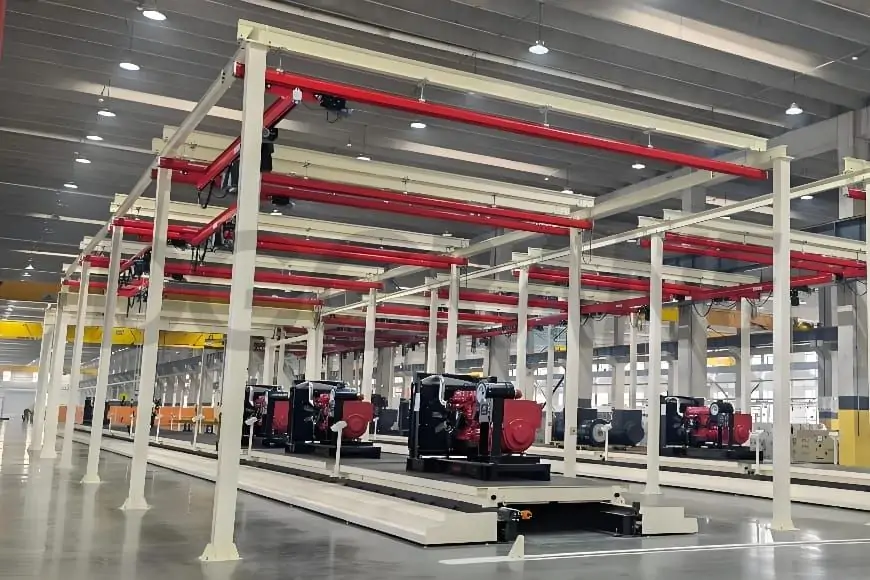
Underslung EOT Crane, the runway is installed under the roof structure or supporting frame of the workshop, and the trolley and hoisting mechanism run suspended below the rail flange. Its main feature is full utilization of workshop headroom without requiring tall runway columns. It has a compact structure and low building requirements. It is especially suitable for assembly lines, packaging areas, warehouse passages, and light material handling environments with strict space and clearance limitations.
- Capacidade de elevação: 0,5–10 toneladas
- Span: ≤30 meters
- Lifting height: customized based on requirements
- Working duty: A3–A5
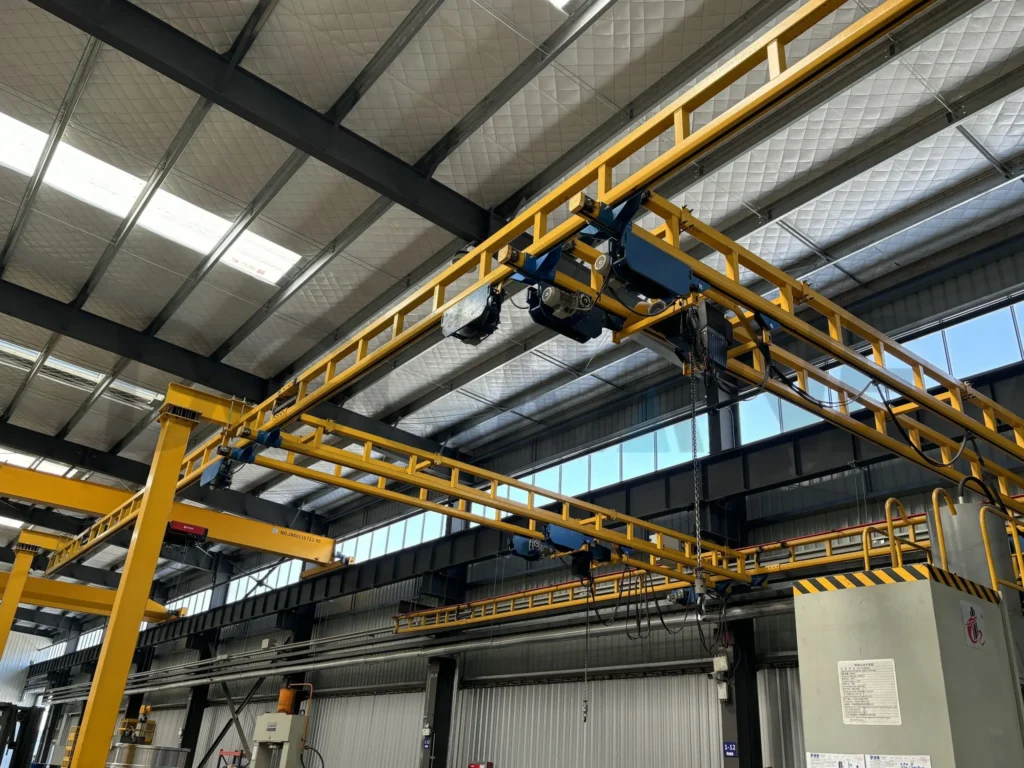
Workstation Bridge Crane
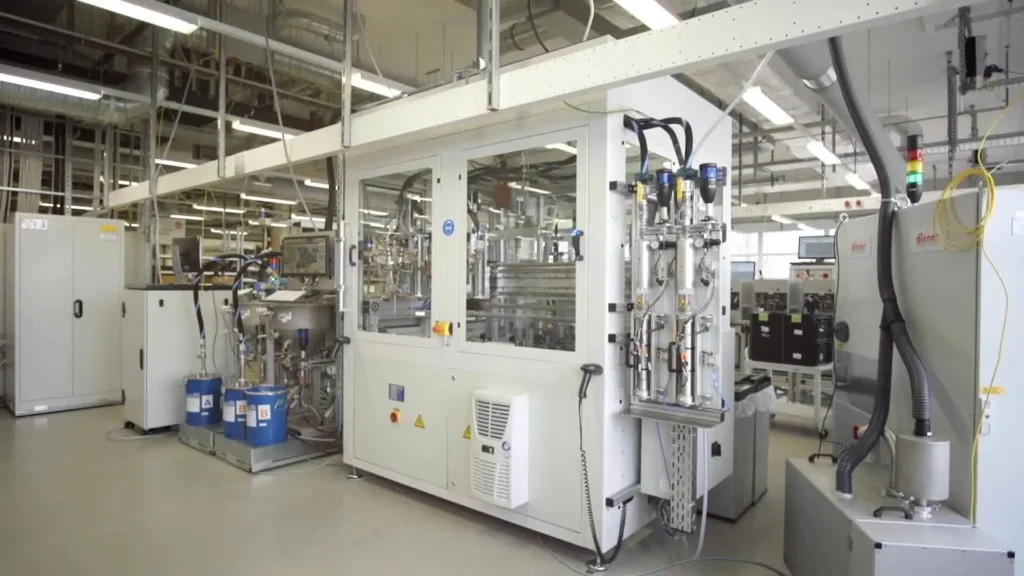
This is a modular and lightweight crane system, usually using aluminum alloy or light steel main beams, operated manually or electrically. It features high flexibility, precise positioning, light self-weight, and easy assembly and expansion. It is designed for frequent and precise lifting at the workstation level. It is commonly used in laboratories, R&D centers, precision instrument assembly, light manufacturing units, and maintenance workshops.
- Lifting capacity: 0.25–2 tons
- Span: 3–15 meters
- Lifting speed: slow and adjustable for precise positioning
- Working duty: A2–A4
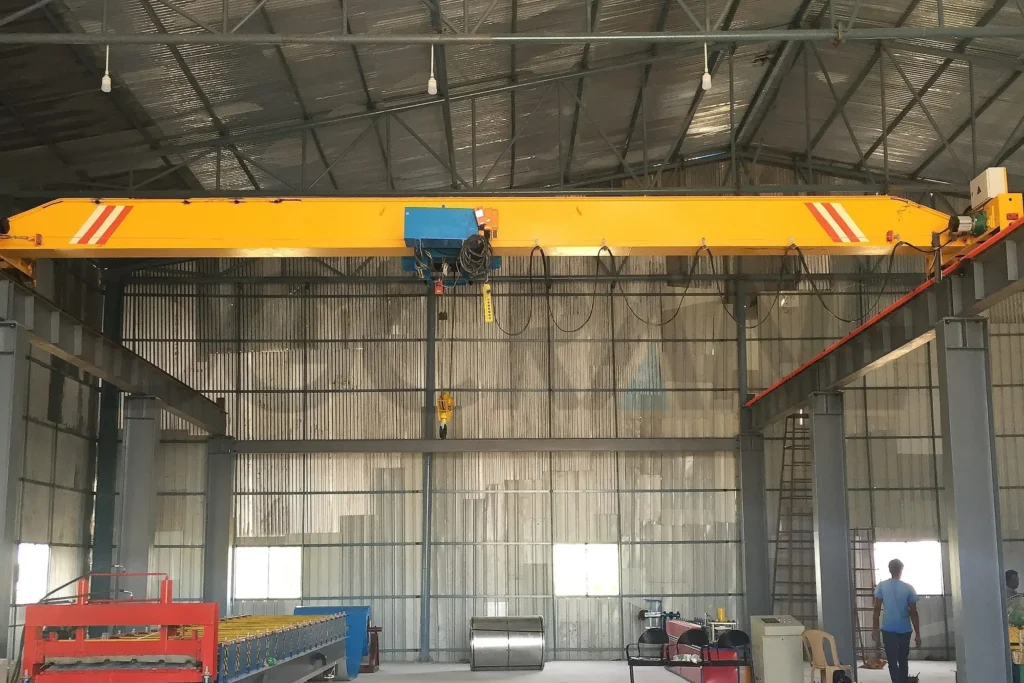
Ponte rolante superior em operação
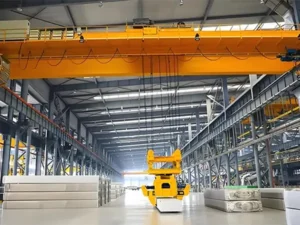
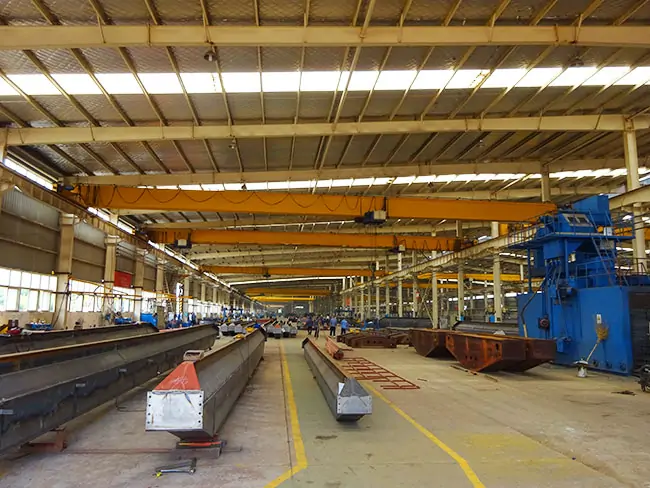
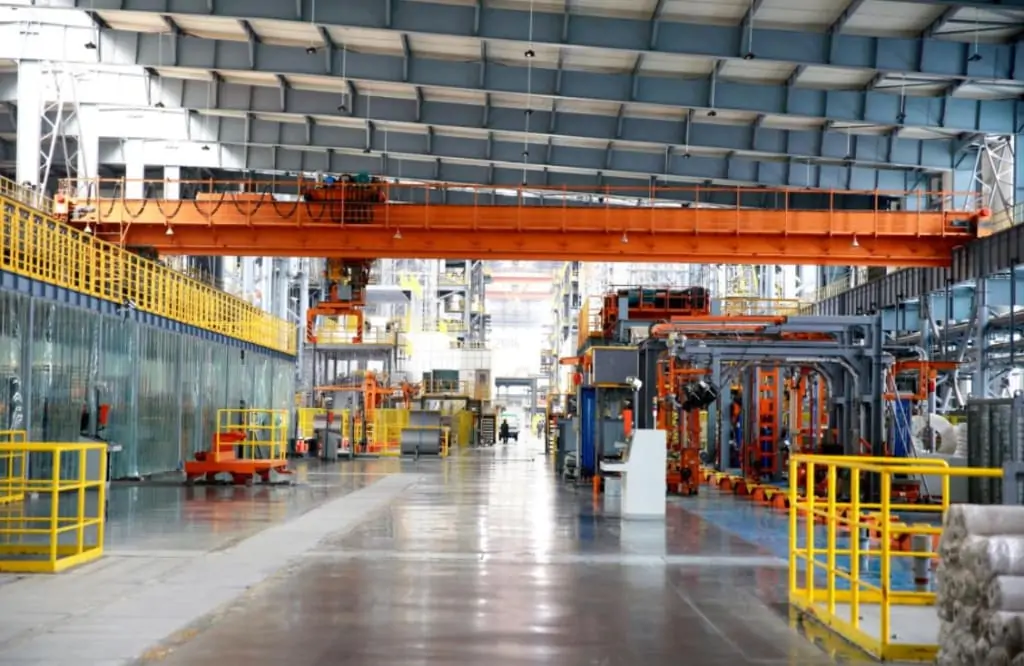
This is the most classic and universal form of EOT crane. The runway is installed on top of the workshop columns or dedicated runway beams. It features wide coverage, good running stability, and adaptability to all tonnage ranges from light to heavy. It is the main equipment for full-range material handling in industrial workshops.
- Lifting capacity: 1 ton to several hundred tons
- Span: 10–40 meters
- Travel speed: 20–100 m/min
- Working duty: A3–A8
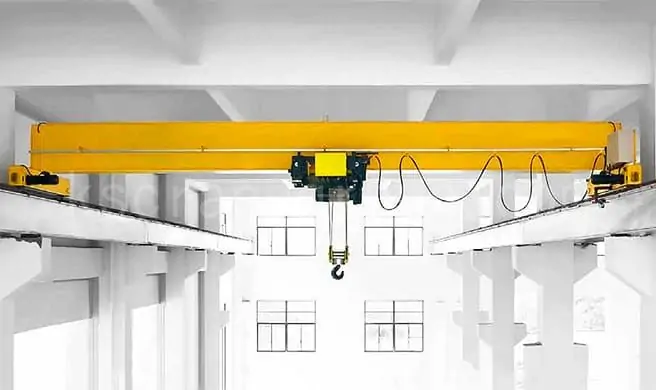
European-Style EOT Crane
A European-style EOT crane is an overhead lifting system designed according to European FEM and DIN standards. It uses a low-headroom hoist, compact end carriage, and lightweight girder structure to handle materials within industrial buildings. The crane is installed on runway beams and operates through coordinated bridge, trolley, and hoist movement.
- Capacidade de elevação: 1–20 toneladas
- Span: 7–32 meters
- Altura de elevação: 6–18 metros
- Working duty: A4–A6
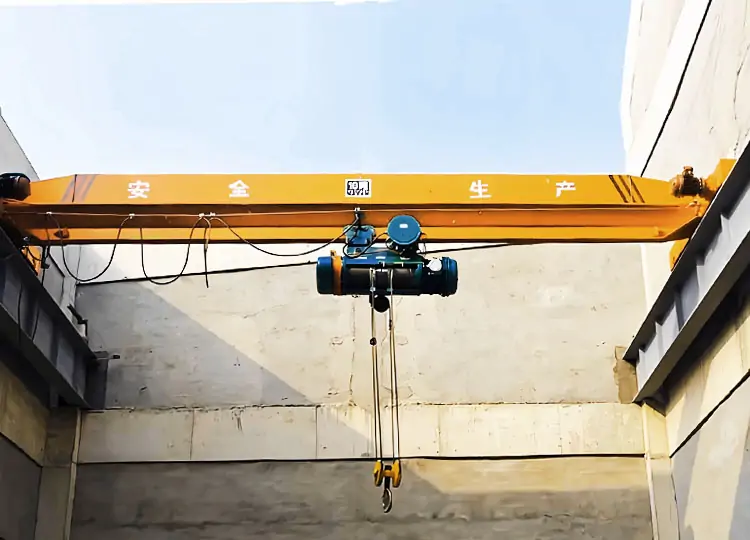
Explosion-Proof Crane
Explosion-Proof Crane: all electrical components (motors, control cabinets, junction boxes, etc.) and mechanical parts (such as brake friction surfaces) are specially designed for explosion protection to prevent sparks, arcs, or high-temperature surfaces that may ignite explosive mixtures. It is used in hazardous environments with flammable gases, vapors, or dust, such as chemical plants, refineries, coal mines, paint workshops, and grain processing plants.
- Lifting capacity: 5–100 tons
- Explosion protection rating: certified (e.g., Ex d IIC T4)
- Protection level: IP55 or higher
- Operating speed: limited for safety
EOT Crane Types Comparison Table
The table below provides a clear comparison of the main types of EOT cranes. The comparison includes lifting capacity ranges, cost levels, and advantages.
| Tipo | Capacidade | Custo | Advantage |
|---|---|---|---|
| Ponte rolante monoviga | 1–20 tons | Baixo | Lightweight structure, low investment cost, simple installation, and convenient maintenance. |
| Ponte rolante de viga dupla | 5–550+ tons | Alto | High load capacity, greater lifting height, stable operation, and suitability for heavy-duty service. |
| Underslung EOT Crane | 0.5–10 tons | Médio | Suspended runway design maximizes available space and reduces building structure requirements. |
| Workstation Bridge Crane | 0.25–2 tons | Medium-Low | Modular design, precise load positioning, flexible layout, and easy system expansion. |
| Ponte rolante superior em operação | 1–300+ tons | Medium to High | Full runway coverage, high adaptability, and compatibility with a wide range of lifting capacities. |
| European-Style EOT Crane | 1–20 tons | Médio | Compact structure, low headroom design, reduced wheel loads, smooth operation, and efficient use of building space. |
| Explosion-Proof Crane | 5–100 tons | Alto | Explosion-proof electrical and mechanical components reduce ignition risks in hazardous environments. |
EOT cranes come in a variety of configurations tailored to specific applications, each designed for different lifting capacities, operating conditions, and operational requirements. Understanding the features of these cranes can help factories identify the most suitable solution.
EOT cranes come in a variety of configurations tailored to specific applications, each designed for different lifting capacities and operational requirements.
- Popular Capacities: Ponte rolante de 5 toneladas, Ponte rolante de 10 toneladas
- Application Solutions: Ponte Rolante Industrial EOT, Ponte rolante de fábrica
Understanding the features of these different categories can help factories identify the most cost-effective and suitable solution.
Applications of Different EOT Crane Types
Different types of EOT cranes are designed for different working environments and material handling tasks. Factors such as load capacity, available headroom, production layout, and operating frequency often determine which crane configuration is selected. The following sections outline the applications of each EOT crane type and the industries where they are commonly used.
Ponte rolante monoviga
Manufacturing workshops
Armazéns
Assembly lines
Equipment maintenance areas
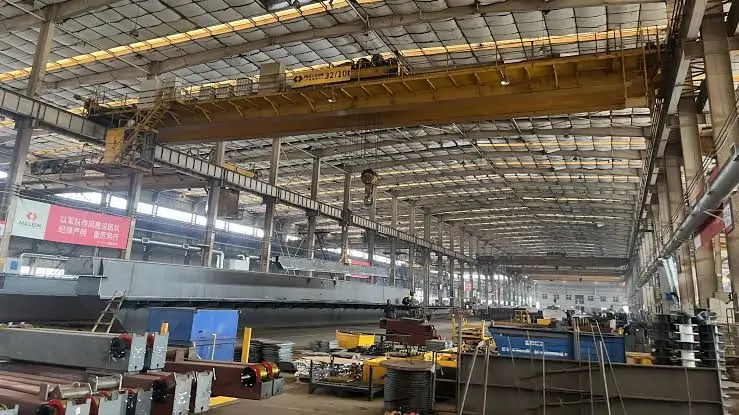
General material handling operations
Ponte rolante de viga dupla
Steel fabrication plants
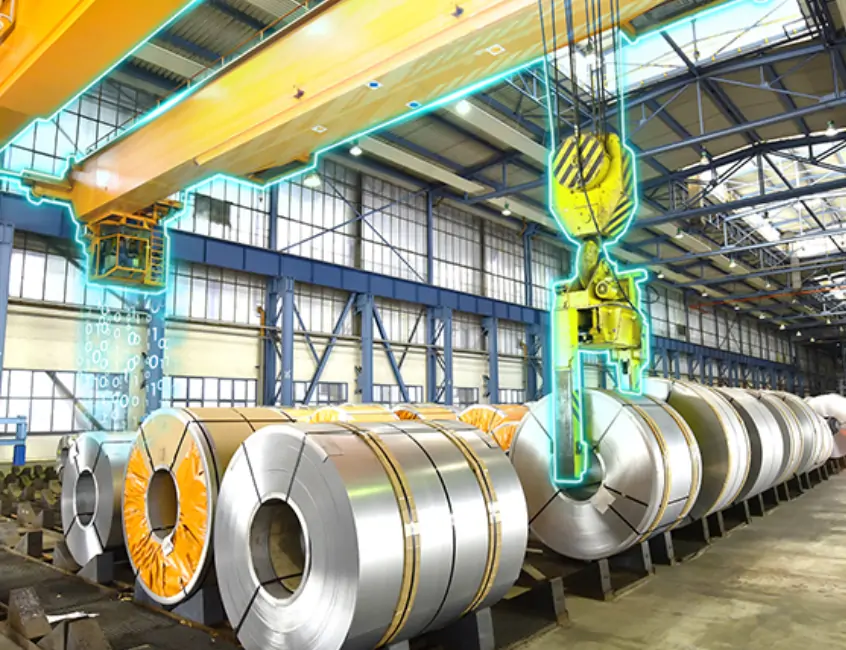
Heavy machinery manufacturing
Power plants
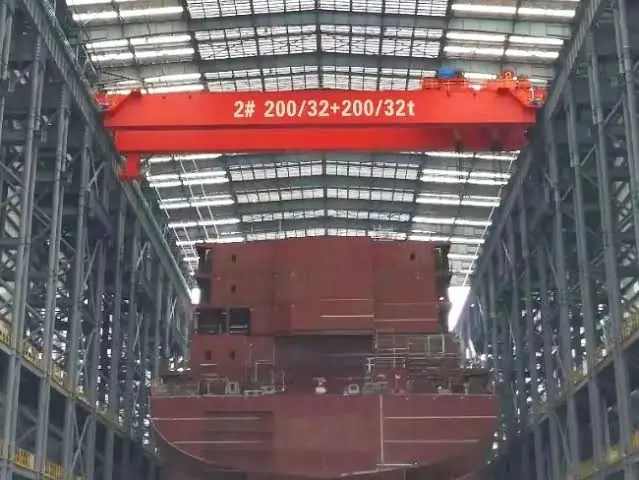
Estaleiros
Underslung EOT Crane
Low-headroom workshops
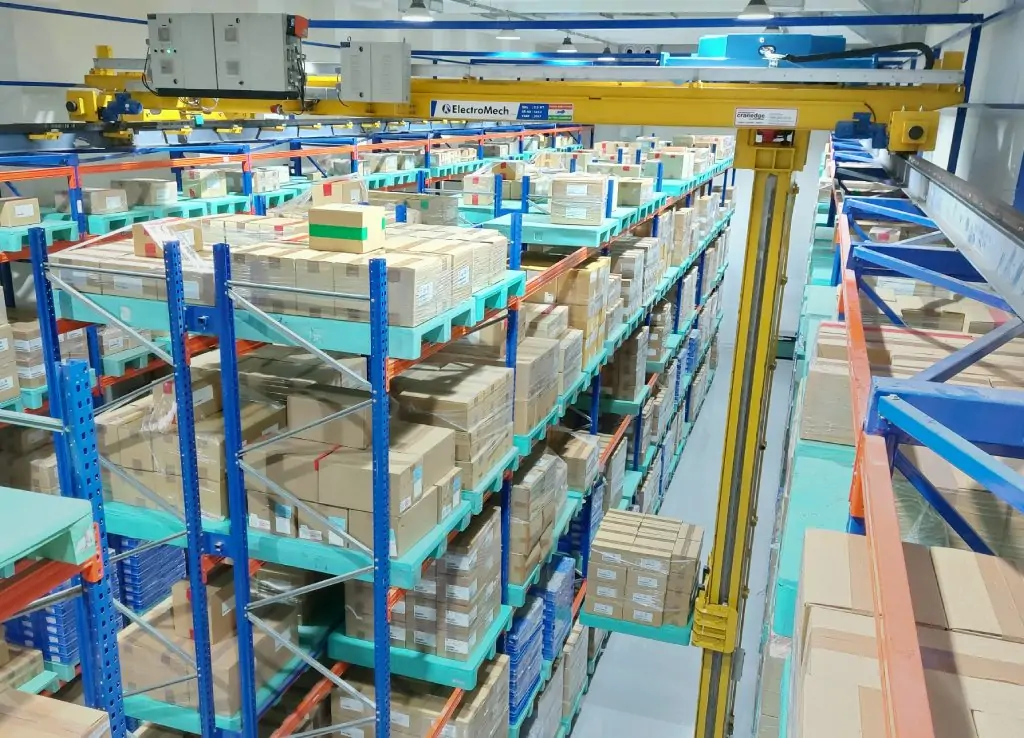
Warehouse aisles
Packaging areas
Assembly lines
Light-duty production facilities
Workstation Bridge Crane
Laboratories
Precision assembly stations
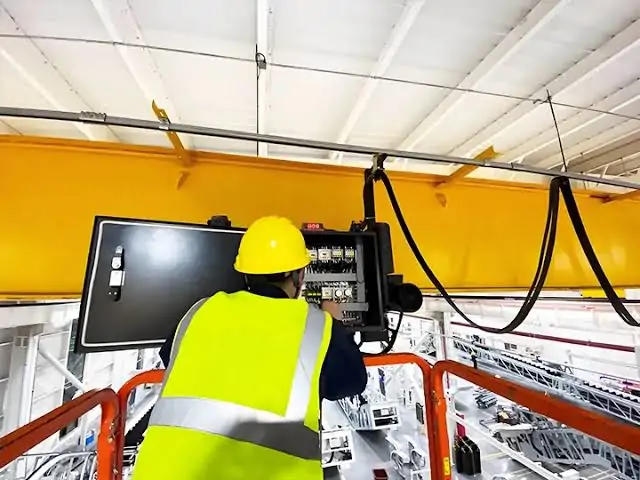
Maintenance work areas
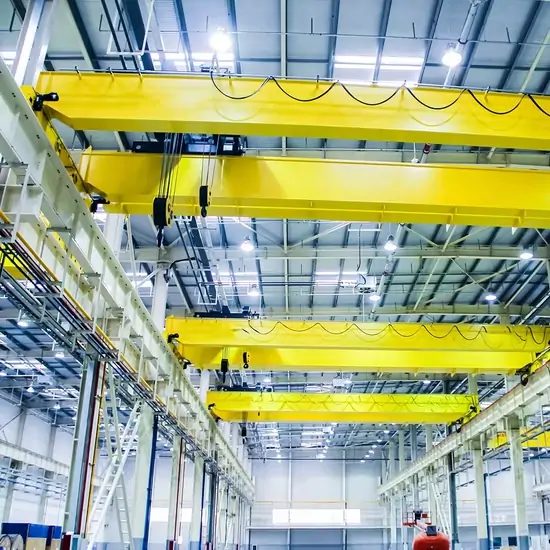
R&D centers
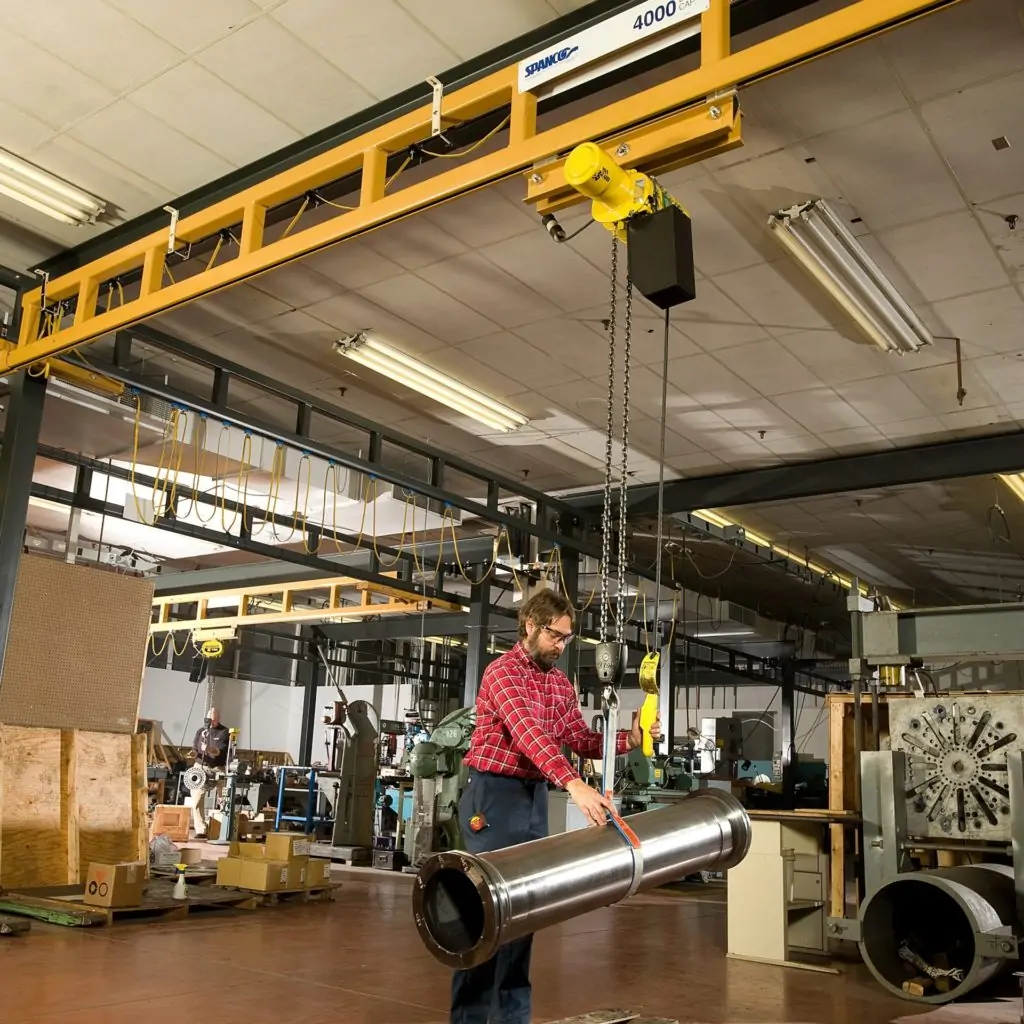
Small-part handling operations
Ponte rolante superior em operação

Fábricas de produção
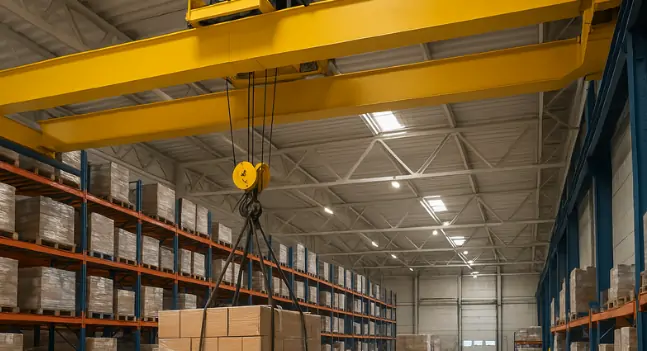
Logistics centers
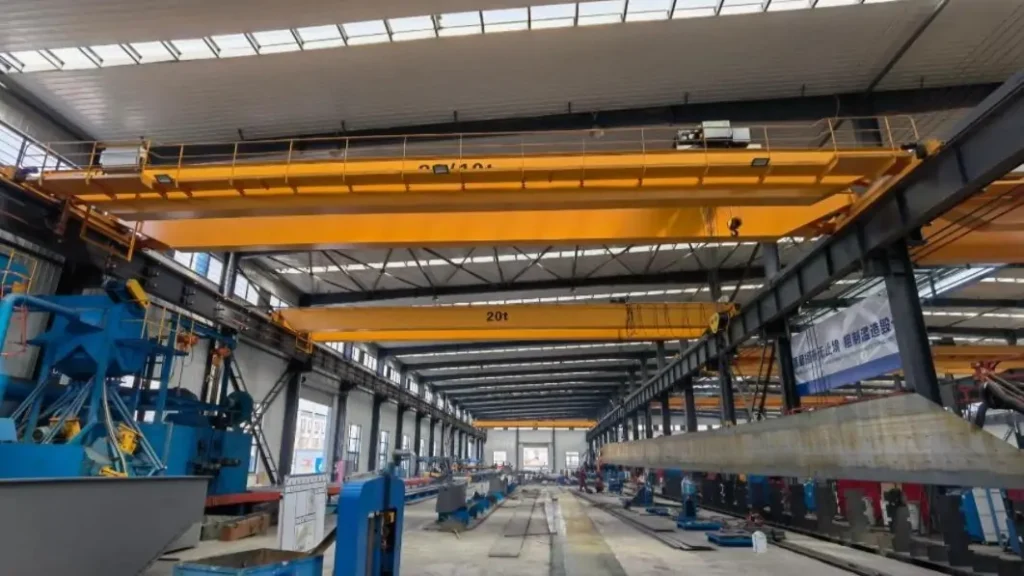
armazéns de distribuição
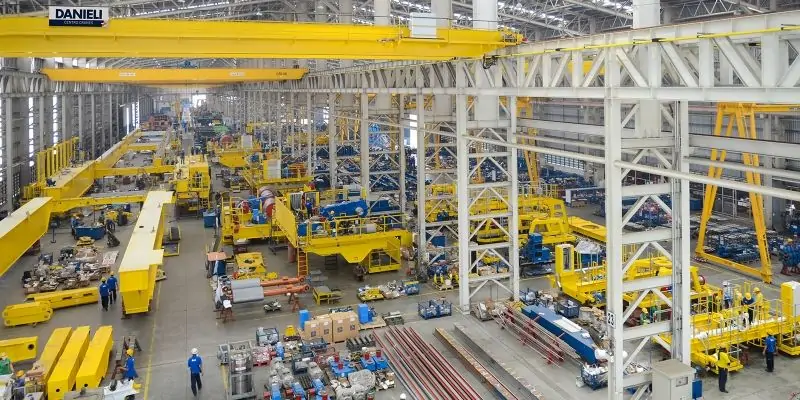
Equipment production workshops
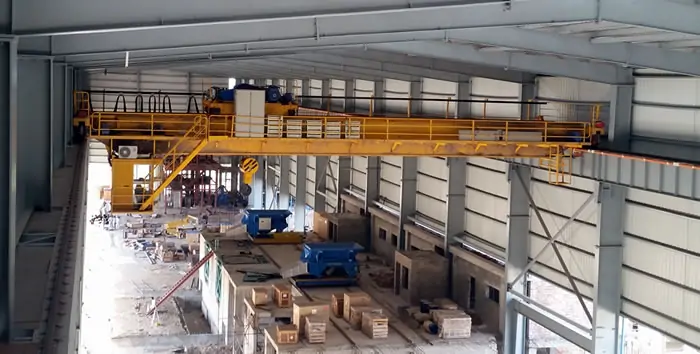
General industrial material handling
European-Style EOT Crane
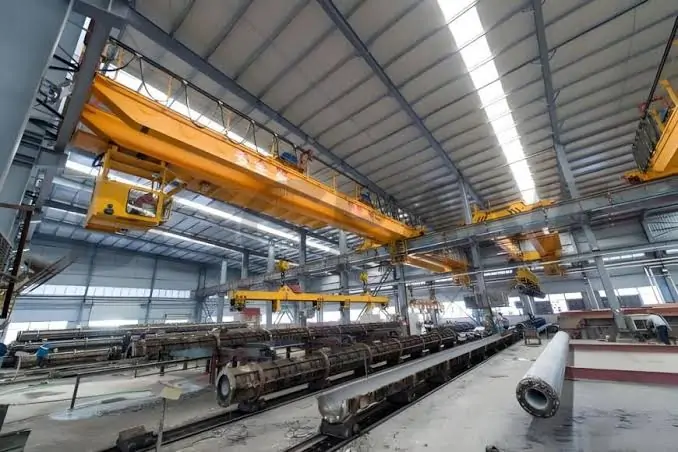
Machining workshops

fábricas de produção automotiva
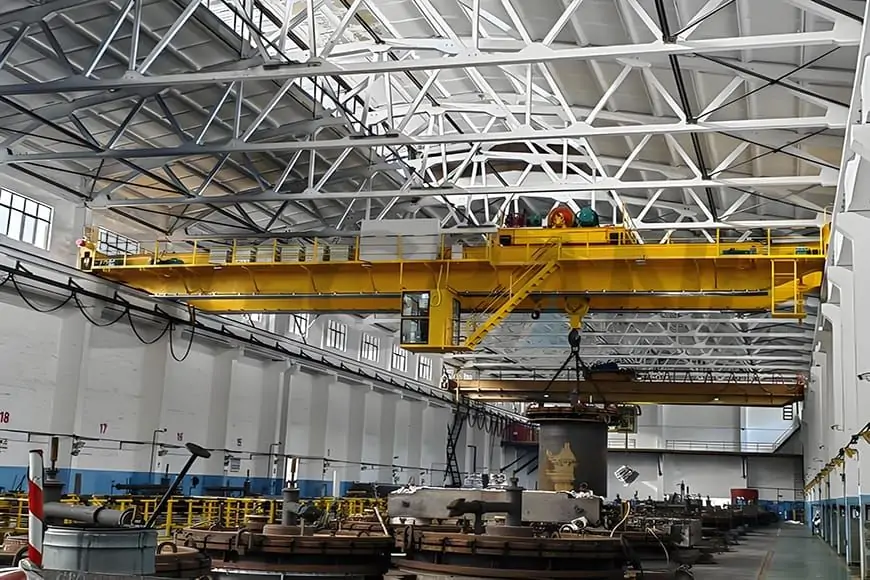
Assembly lines
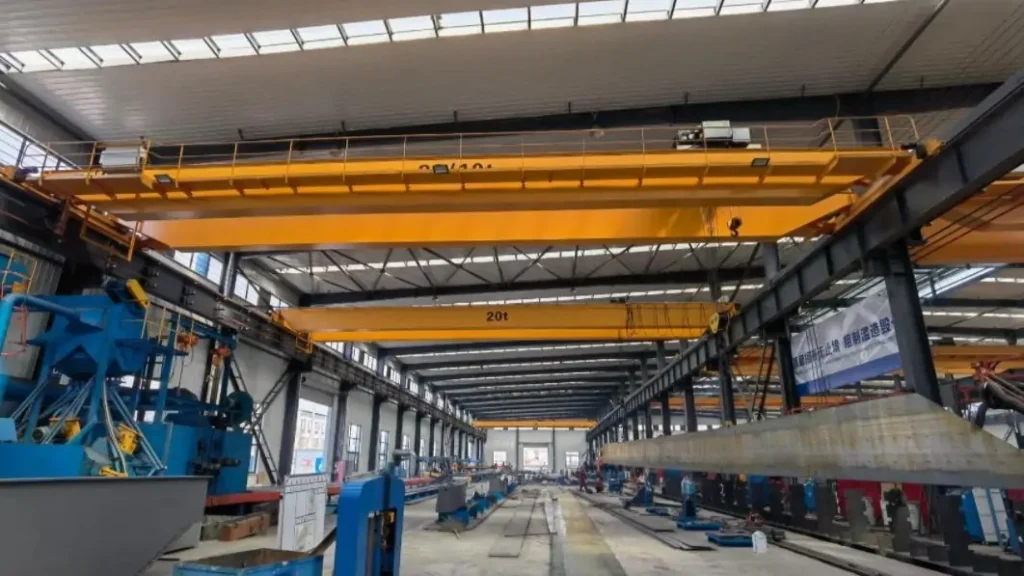
Armazéns
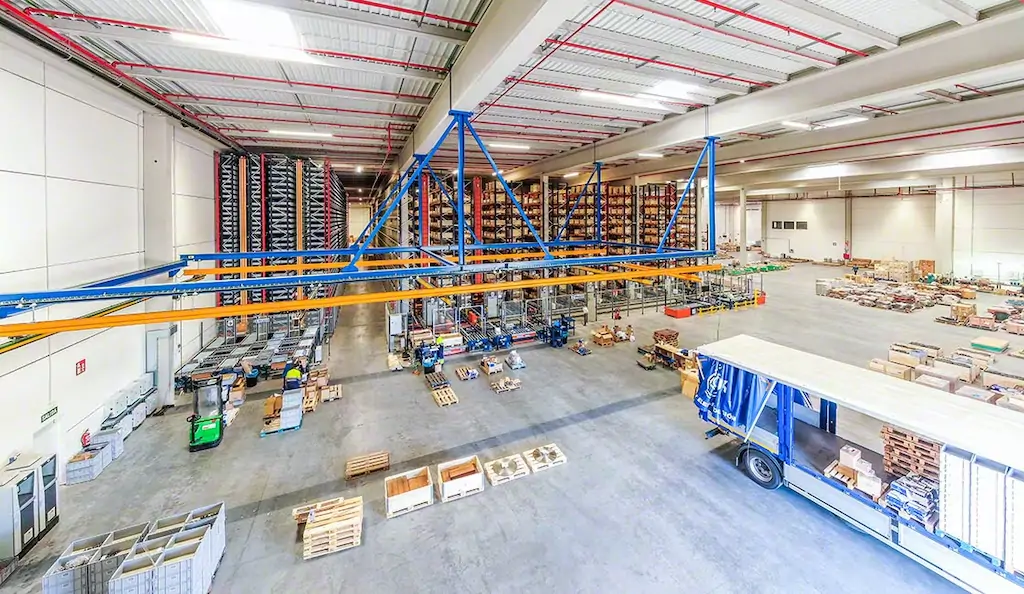
Logistics facilities
Explosion-Proof Crane
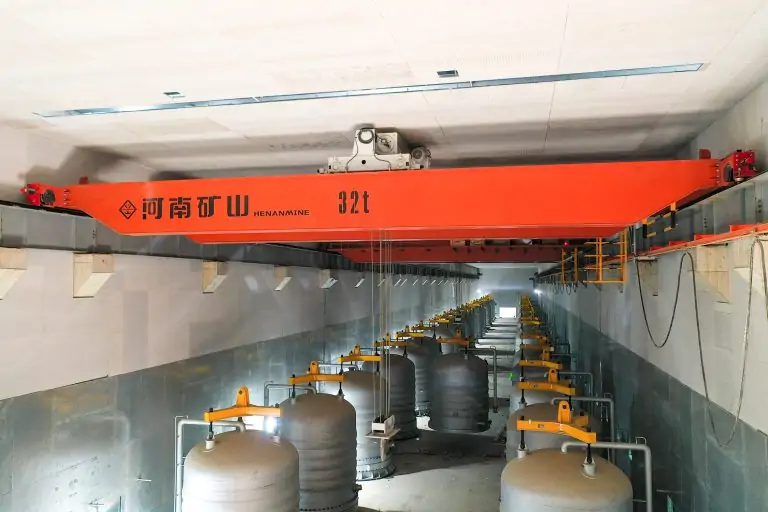
Chemical plants
Oil and gas facilities
Paint workshops
Coal processing plants
Areas containing flammable gases, vapors, or dust
EOT cranes are used in manufacturing, logistics, warehousing, heavy industry, and hazardous workplaces. Single girder, double girder, underslung, workstation, European-style, and explosion-proof cranes are selected based on lifting capacity, workshop layout, and operating conditions. Each crane type is designed for specific material handling tasks, from light assembly work to heavy industrial lifting.
Caso
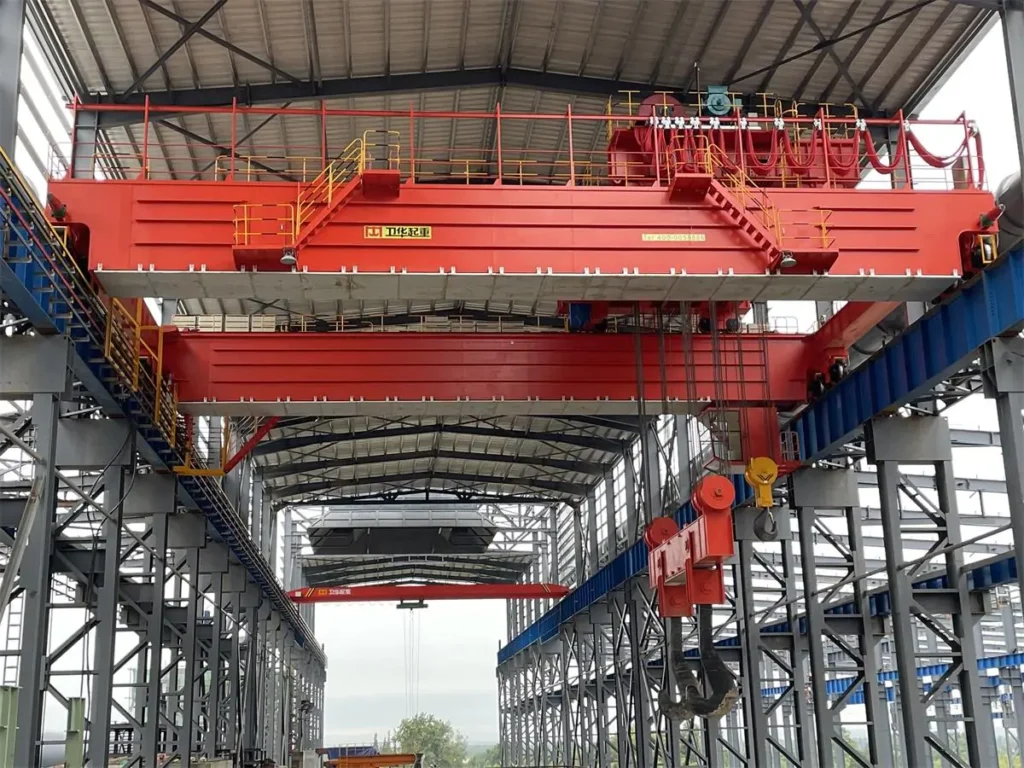
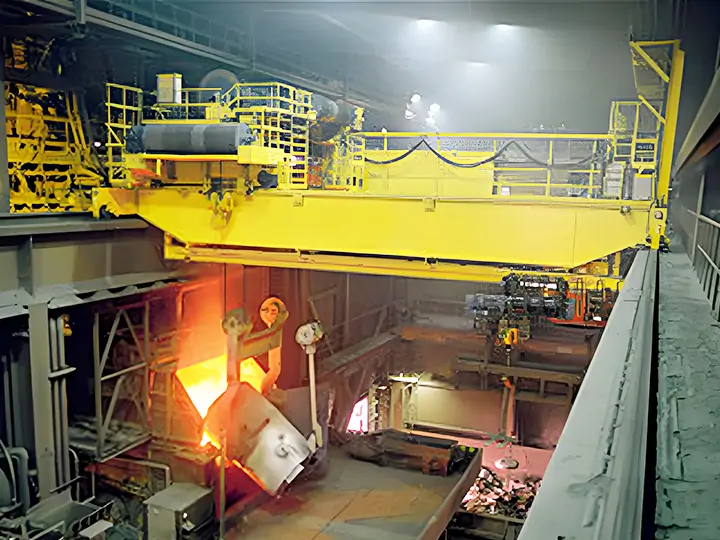
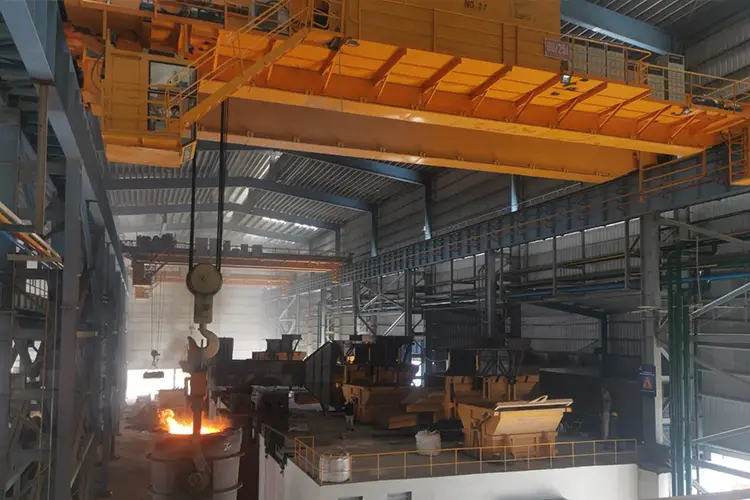
320 Ton Ladle Overhead Crane for Steel Mill
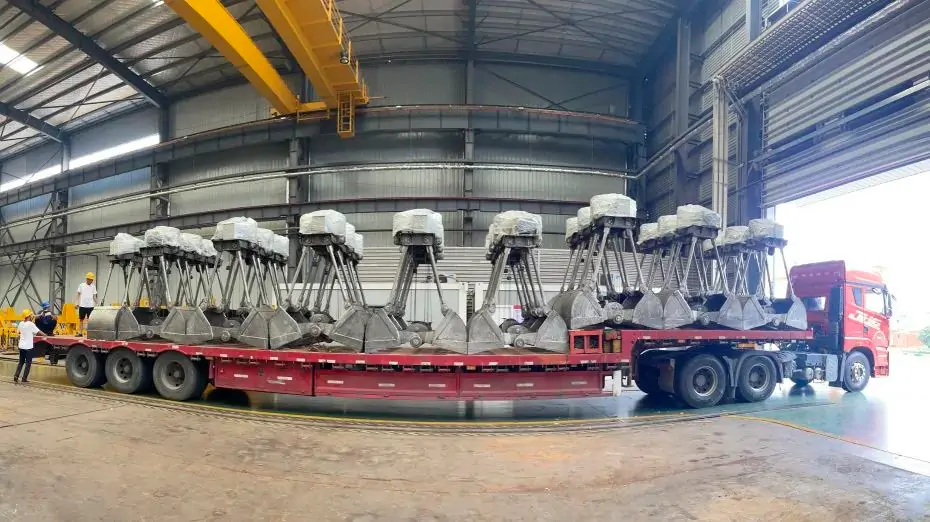
26 Conjuntos de Baldes de Agarre de Grau Alimentício para Fábrica de Produção de Álcool
WEIHUA Customization Advantages
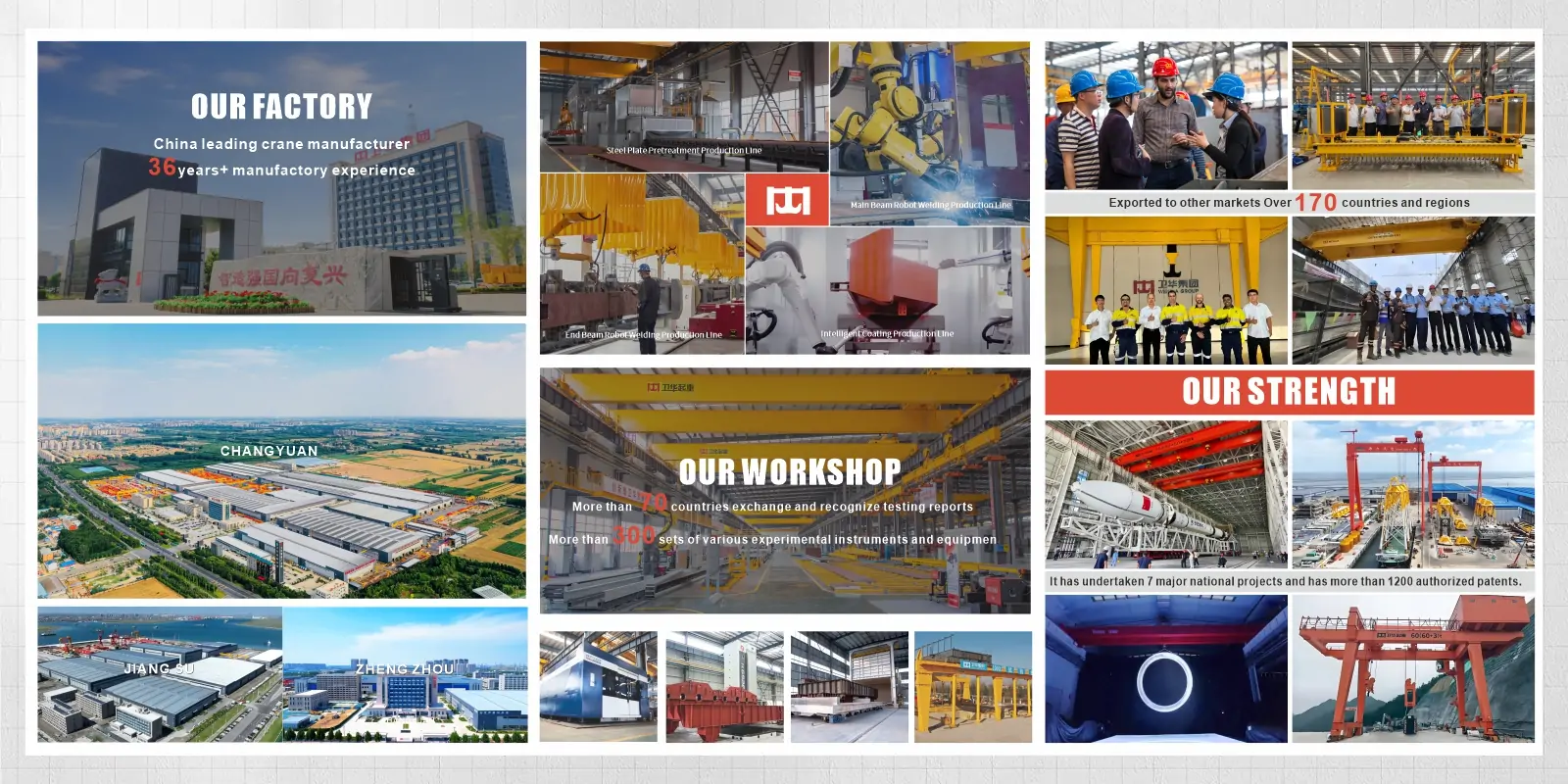
WEIHUA provides customized EOT crane solutions designed to match specific plant layouts, operating conditions, and lifting requirements across different industrial applications.
- Structural customization capability: Non-standard design based on workshop span, lifting height, and runway conditions.
- Wide load coverage: Supports from light-duty to heavy-duty applications (from small tonnage to several hundred tons).
- Flexible duty class configuration: Covers A3–A8 working classes to match different operating frequencies.
- Multi-industry adaptability: Applicable to manufacturing, steel, ports, energy, chemical, and other complex industrial environments.
- Optional safety systems: Configurable functions such as limit protection, anti-sway, overload protection, and anti-collision systems.
- Multiple drive and control options: Supports VFD control, wireless remote control, and cabin operation systems.
- Proven experience in special conditions: Solutions for high temperature, explosion-proof, and dusty environments.
- Complete delivery and installation support: Integrated service from design and manufacturing to on-site installation and commissioning.
Conclusão
Overhead cranes are widely used in manufacturing, logistics, steel production, energy projects, and hazardous environments. Each model is designed for specific operating conditions to ensure stable and efficient material handling during daily operations.
WEIHUA focuses on the design and supply of reliable EOT crane solutions for different industries, with strong engineering capability and full project support from selection to installation and after-sales service. For tailored crane solutions or technical consultation, please Contate-nos for further details.
FAQ
How many types of EOT cranes are there?
EOT cranes are mainly divided into four types: single girder EOT crane, double girder EOT crane, underslung EOT crane, and workstation bridge crane.
What is the difference between a single girder and a double girder EOT crane?
Single girder cranes have a simpler structure and lower cost for light to medium loads, while double girder cranes support heavier loads and higher working intensity with better stability.
Which EOT crane is best for heavy lifting?
Double girder EOT cranes are widely used for heavy lifting due to their strong load capacity and stable structure.
Can EOT cranes be customized?
Yes, EOT cranes can be designed based on capacity, span, lifting height, and working environment requirements.
What is the lifespan of an EOT crane?
The service life depends on usage conditions, maintenance level, and working duty class, typically ranging from 10 to 25 years.
What industries use EOT cranes?
They are used in manufacturing, steel production, warehouses, power plants, and chemical industries.
What is the cost of an EOT crane?
Cost varies based on capacity, structure type, span, and optional features such as automation or explosion-proof design.
How to choose the right EOT crane type?
Selection depends on load capacity, span, lifting height, working frequency, and operating environment.