








Tabla de contenidos
Introducción
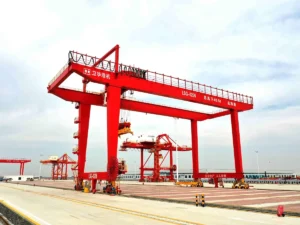
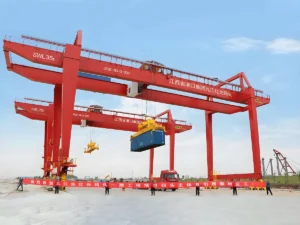
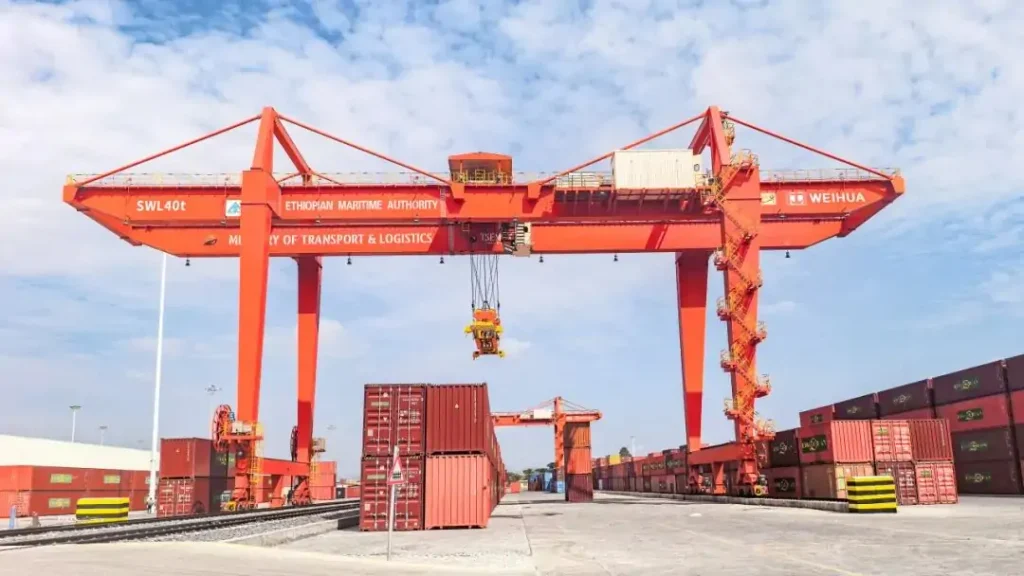
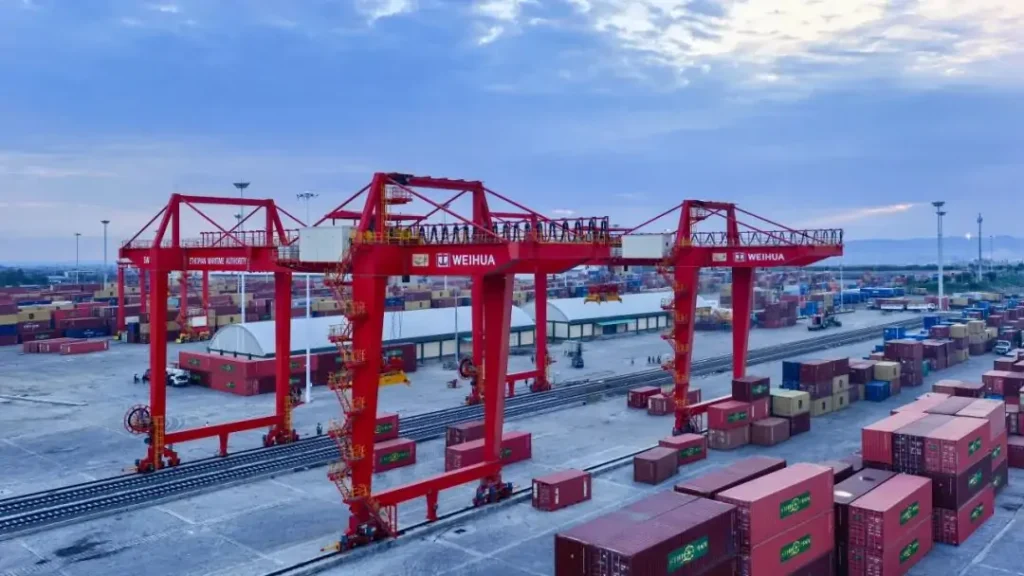
The RMG Crane Pricelist is an important reference for port operators, terminal developers, and procurement teams planning a rail-mounted gantry crane project. RMG crane prices vary with lifting capacity, rail span, lifting height, working class, and equipment configuration. The final cost also depends on automation requirements, site conditions, and the scope of supply.
This article examines the main factors affecting RMG crane prices, the relationship between specifications and equipment costs, and the items included in a supplier’s quotation. It also compares RMG and RTG crane costs, explains installation and project expenses, and outlines the information required to obtain an accurate quotation for your application.
How Much Does an RMG Crane Cost?
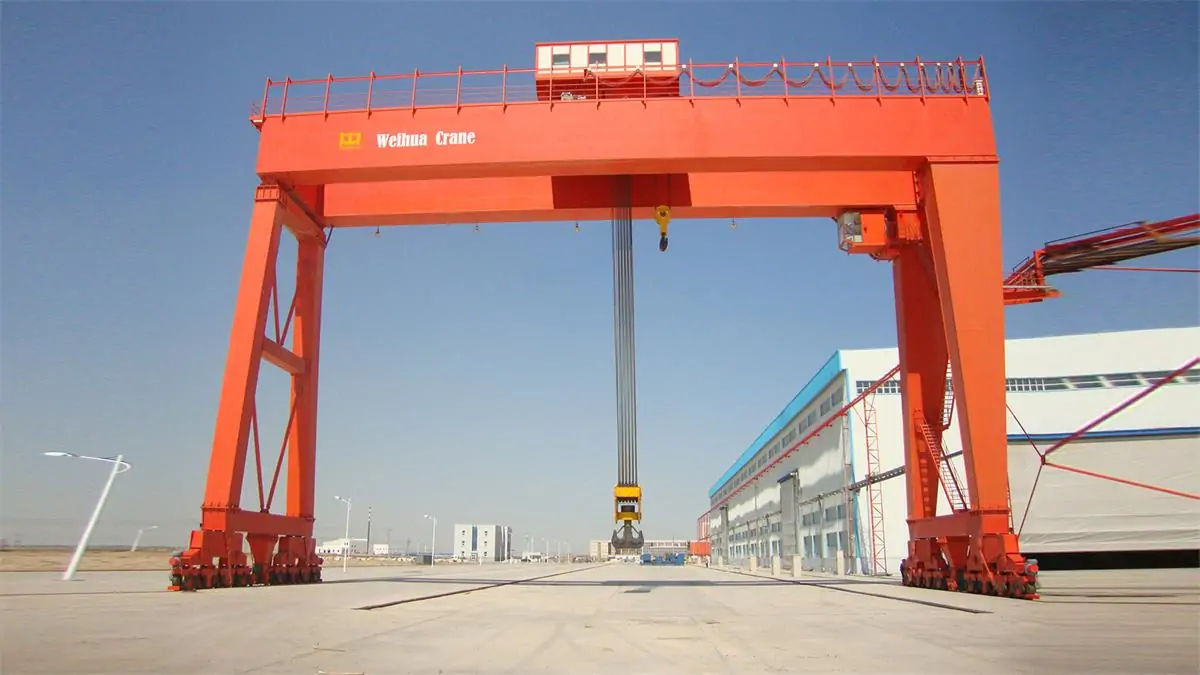
Un Grúa RMG is a custom-engineered machine, and its price depends on lifting capacity, rail span, lifting height, duty class, and automation level. Equipment with similar dimensions can have different prices due to differences in drive systems, structural design, and operating requirements.
The factors affecting RMG crane cost include:
- Automation and control: Manual, remote, semi-automatic, and fully automated systems require different control equipment, positioning systems, and anti-sway functions.
- Duty class and operating frequency: Higher duty ratings require stronger structures, more durable mechanical components, and suitable motors and gearboxes.
- Rail span and lifting height: Longer spans increase girder weight and structural requirements, while greater lifting heights affect hoisting equipment and frame design.
- Lifting capacity and wheel loads: Higher capacity requires larger hoisting and trolley systems. Wheel loads also affect rail and foundation design.
- Drive system: Drive configuration, variable-frequency control, redundancy, and regenerative braking can affect equipment cost.
- Operating environment and standards: Corrosion protection, cold-climate packages, special safety requirements, and applicable standards affect design and manufacturing costs.
- Supply scope: Rails, foundations, power supply, spreaders, spare parts, installation, and commissioning may be quoted separately.
For an accurate RMG crane quotation, prepare the required capacity, span, lifting height, duty class, travel speeds, control mode, power supply, and applicable standards.
What Factors Affect the RMG Crane Price?
RMG crane prices vary with equipment specifications, operating requirements, and project conditions. The main cost factors affect the crane’s structural steel, mechanical systems, electrical equipment, and control configuration.
1. Lifting Capacity and Rated Load
Higher lifting capacity requires a stronger main girder, a larger hoist, heavier-duty wire ropes, and higher-capacity brakes. Increased wheel loads may also require heavier rails and stronger end carriages.
Cost factors: Rated load, hoist capacity, dynamic loads, and wheel loads.
2. Rail Span and Lifting Height
A longer rail span requires a larger main girder with greater bending resistance. Greater lifting height increases the required rope length, drum capacity, and leg or mast dimensions. Wind loads also affect structural design for taller cranes.
Cost factors: Rail span, lifting height, girder dimensions, and wind load requirements.
3. Working Class and Operating Frequency
The working class determines the crane’s duty requirements over its service life. Higher-duty applications require components rated for more frequent starts, longer operating hours, and greater fatigue resistance. Motors, gearboxes, bearings, and brakes must match the specified duty class.
Cost factors: FEM or ISO classification, operating hours, starts per hour, and design life.
4. Automation and Control Systems
Manual cabin control requires a simpler control configuration than remote or automated operation. Automated RMG cranes may need position sensors, anti-sway control, laser positioning, PLC systems, and interfaces with terminal management software. These additions increase equipment and commissioning costs.
Cost factors: Control mode, positioning accuracy, anti-sway functions, and automation integration.
5. Spreader Type and Container Handling Requirements
Spreader selection depends on container sizes and handling methods. A telescopic spreader for 20 ft and 40 ft containers costs more than a basic fixed-size unit. Twin-lift operations and special container handling require additional capacity or customized spreader configurations.
Cost factors: Container sizes, telescopic functions, twin-lift capability, and special handling requirements.
6. Electrical Systems and Safety Devices
The electrical configuration depends on the crane’s drive arrangement, control requirements, and site regulations. Variable-frequency drives, regenerative braking, overload protection, anti-collision systems, wind alarms, and rail clamps can affect the final price. Higher protection ratings may also be required for harsh environments.
Cost factors: Drive configuration, braking systems, safety devices, and electrical protection ratings.
7. Site Conditions and Environmental Requirements
Coastal terminals may require enhanced corrosion protection, while cold-climate projects need suitable steel grades, lubricants, and electrical cabinet heating. Seismic requirements can affect structural design. Rail foundations, runway construction, transportation, and on-site assembly also influence total project cost, even when quoted separately from the crane.
Cost factors: Corrosion protection, ambient temperature, seismic conditions, foundation requirements, and installation access.
RMG crane pricing depends on the combined effect of equipment specifications, operating requirements, and site conditions. When comparing quotations, check that each supplier uses the same technical specifications and supply scope to avoid misleading price differences.
RMG Crane Specifications and Price Differences
RMG crane prices depend on equipment specifications and operating requirements. The table below shows the main parameters affecting cost.
| Especificación | What to Confirm | Cost Impact |
|---|---|---|
| Capacidad nominal | Container load, spreader weight | A higher capacity requires stronger structures and larger hoisting components. |
| Rail Span | Distance between rail centerlines | A longer span increases girder size and structural requirements. |
| Altura de elevación | Required lifting height and stacking arrangement | Greater height requires longer hoisting ropes and taller supporting structures. |
| Clase trabajadora | Operating frequency and duty cycle | Higher duty ratings require more durable structures and mechanical components. |
| Automatización | Cabin, remote, or automated control | Automation adds positioning sensors, anti-sway systems, and control equipment. |
| Esparcidor | Container sizes and handling method | Telescopic and twin-lift spreaders require more complex mechanisms and controls. |
These specifications affect the final price as a combination. Compare quotations with the same technical requirements and supply scope, including the spreader, rails, transportation, installation, and commissioning.
What Is Included in an RMG Crane Quotation?
An RMG crane quotation may cover the crane structure, mechanical systems, electrical equipment, and container spreader. Installation, transportation, and other services may be priced separately, depending on the supplier and project scope.
- Steel Structure and Mechanical Systems: Main girder, legs, end carriages, and supporting components.
- Hoisting and Travel Mechanisms: Hoist, trolley, gantry drives, motors, and gearboxes.
- Electrical and Control Systems: Power supply, variable-frequency drives, control panels, and safety devices.
- Spreader and Accessories: Container spreader, spare parts, and optional equipment.
- Inspection and Testing: Factory inspection, load testing, and required documentation.
- Packing and Shipping: Export packing, transportation, and delivery arrangements.
- Installation and Commissioning: On-site assembly, testing, commissioning, and operator training.
Rail foundations, site preparation, import duties, and on-site installation may fall outside the equipment supply scope. The supplier’s formal quotation should define these boundaries clearly.
How to Calculate the Total Cost of an RMG Crane Project
The total cost of an RMG crane project includes more than the equipment purchase price. Transportation, civil works, installation, and ongoing maintenance can add substantially to the budget.
Total Project Cost = Equipment Cost + Transportation and Import Costs + Civil Works + Installation and Commissioning + Other Applicable Costs
- Equipment Purchase Cost — Includes the crane structure, hoisting and travel mechanisms, electrical systems, spreader, and specified accessories. Confirm the supply scope and optional items in the quotation.
- Transportation and Import Costs — Account for export packing, freight, cargo insurance, port handling, customs duties, and import taxes where applicable. Costs depend on the delivery destination and shipping arrangements.
- Rail Foundation and Site Preparation — Budget for rail foundations, runway construction, power supply infrastructure, drainage, and other site work. These items may fall outside the crane manufacturer’s supply scope.
- Installation and Commissioning — Costs depend on site access, lifting equipment, assembly requirements, electrical connections, testing, and operator training. Confirm whether on-site supervision and commissioning are included in the quotation.
- Operating and Maintenance Costs — Allow for electricity, routine inspections, lubrication, replacement parts, spreader maintenance, and repairs. Operating hours and maintenance requirements affect long-term expenditure.
This separates equipment supply from site work and service costs. This gives you a clearer project budget and a more consistent basis for comparing RMG crane suppliers.
RMG Crane vs. RTG Crane: Which Has a Lower Total Cost?
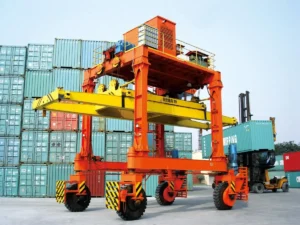
RMG and Grúas RTG have different cost structures. RMG cranes require rail infrastructure but generally use grid electricity, while RTG cranes need less initial infrastructure and offer greater mobility. The lower-cost option depends on yard layout, energy supply, operating hours, and maintenance requirements.
| Comparison Item | Grúa RMG | Grúa RTG |
|---|---|---|
| Inversión inicial | Higher, due to rail and foundation work | Lower, with no dedicated crane rails |
| Energy Costs | Generally lower with grid power | Depends on diesel, hybrid, or electric configuration |
| Infraestructura | Requires rails, foundations, and power supply | Requires suitable paved ground and access lanes |
| Mantenimiento | Rail, drive, and electrical system maintenance | Tire replacement and, for diesel models, engine maintenance |
| Automatización | Easier positioning and integration with automated systems | Requires additional positioning and control systems |
| Deployment | Longer due to rail construction and installation | Faster where the yard is ready for operation |
| Best Application | Fixed, high-density yards with high throughput | Flexible yards with changing layouts and operating areas |
- RMG cranes can offer lower lifecycle costs in fixed, high-throughput terminals with long operating periods.
- RTG cranes suit projects that prioritize lower initial infrastructure investment, faster deployment, and flexible yard operations.
Compare equipment prices, infrastructure, energy, maintenance, and expected service life before making a purchasing decision.
View detailed RTG crane cost and pricing calculations: RTG Crane Cost: Price Factors and Total Ownership Costs
How to Get an Accurate RMG Crane Price Quotation
An accurate RMG crane quotation requires clear technical specifications and project requirements. Provide the following information to help the manufacturer select the appropriate crane configuration and calculate the project cost.
- Lifting Requirements — Rated lifting capacity, container weight, and spreader weight.
- Crane Dimensions — Rail span, lifting height, and container stacking arrangement.
- Operating Conditions — Working class, operating hours, and expected duty cycle.
- Control System — Cabin control, remote operation, or full automation.
- Site Requirements — Project location, ambient temperature, power supply, and applicable standards.
- Delivery and Services — Required delivery date, installation, commissioning, training, and after-sales support.
WEIHUA can assess these specifications to recommend an RMG crane configuration for your terminal and prepare a project-specific quotation. Contact our team with your technical requirements to discuss equipment options, supply scope, and delivery arrangements.
Conclusión
RMG crane costs depend on lifting capacity, rail span, working class, automation, and project conditions. Accurate cost planning requires a clear technical specification and a quotation that defines equipment configuration, supply scope, installation, and other project expenses.
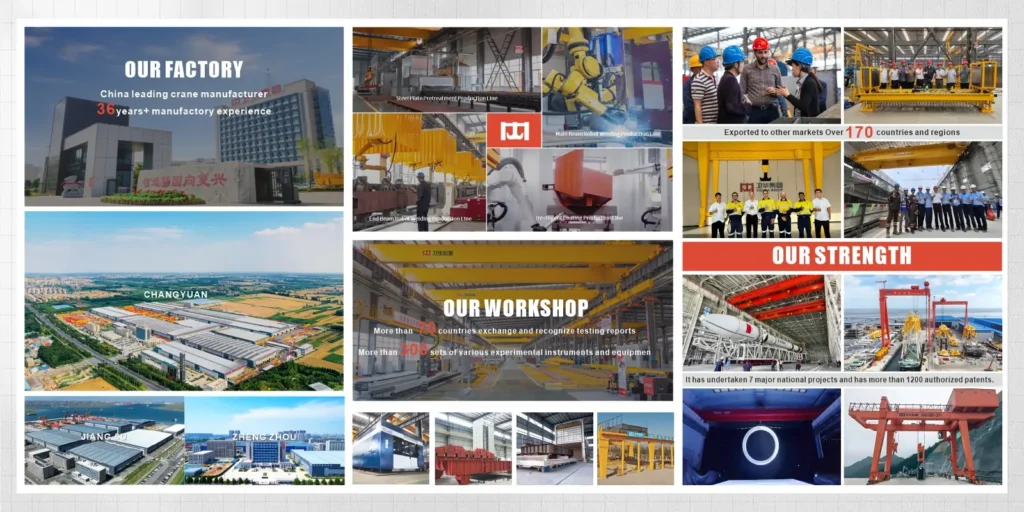
WEIHUA provides customized RMG crane solutions based on terminal layout, handling requirements, and operating conditions. Contact our team with your project specifications to discuss suitable configurations and request a detailed quotation.
Preguntas frecuentes
How much does an RMG crane cost?
RMG crane prices depend on lifting capacity, rail span, lifting height, working class, and equipment configuration. Since each project has different requirements, contact a manufacturer with your technical specifications for an accurate quotation.
What factors affect the price of an RMG crane?
Key cost factors include structural dimensions, hoisting and travel mechanisms, working class, automation, electrical systems, spreader configuration, and site conditions. Transportation, installation, and infrastructure requirements also affect the total project cost.
Is an RMG crane more expensive than an RTG crane?
RMG cranes generally require higher initial infrastructure investment due to rail and foundation construction. RTG cranes offer greater mobility and lower infrastructure costs. The more economical option depends on energy supply, maintenance, yard layout, operating hours, and service life.
How much does an automated RMG crane cost?
Automated RMG crane prices depend on positioning systems, anti-sway control, remote operation, safety functions, PLC configuration, and terminal management system integration. Commissioning and software integration also affect the final cost. A detailed specification is required for accurate pricing.
What is included in an RMG crane quotation?
A quotation may include the steel structure, hoisting and travel mechanisms, electrical systems, spreader, and safety devices. Inspection, packing, transportation, installation, and commissioning may be included or charged separately. Confirm the supply scope with the manufacturer.
How do span and lifting capacity affect RMG crane cost?
A longer rail span requires a stronger main girder and may increase structural steel and foundation requirements. Higher lifting capacity requires appropriately rated hoisting mechanisms, brakes, ropes, trolley components, and supporting structures, increasing equipment costs.
How much does RMG crane installation cost?
Installation costs depend on crane dimensions, site access, foundation readiness, lifting equipment, assembly requirements, and commissioning scope. Transportation, electrical connections, and operator training may also incur separate charges. Request an itemized quotation based on actual site conditions.
How can I get an accurate RMG crane quotation?
Provide the required lifting capacity, rail span, lifting height, container sizes, stacking arrangement, working class, control mode, power supply, and project location. Specify installation and service requirements so the manufacturer can recommend a suitable configuration and prepare a detailed quotation.