








Tabla de contenidos
Introducción
Steel and aluminum plants operate under high temperatures, heavy loads, continuous production cycles, and harsh conditions with dust and corrosive substances. Standard overhead cranes cannot meet these requirements due to limited heat resistance, safety protection, and load capacity. A Metallurgical Overhead Crane is designed for these demanding environments, with specialized structures and components for handling molten metal, heavy materials, and critical production tasks.
I will introduce how to choose the right Metallurgical Overhead Crane for steel and aluminum plants, including crane types, lifting capacity, working class, temperature protection, safety systems, and customization options. These factors help match the crane design with different production processes and operating conditions.
What Are Metallurgical Overhead Cranes?
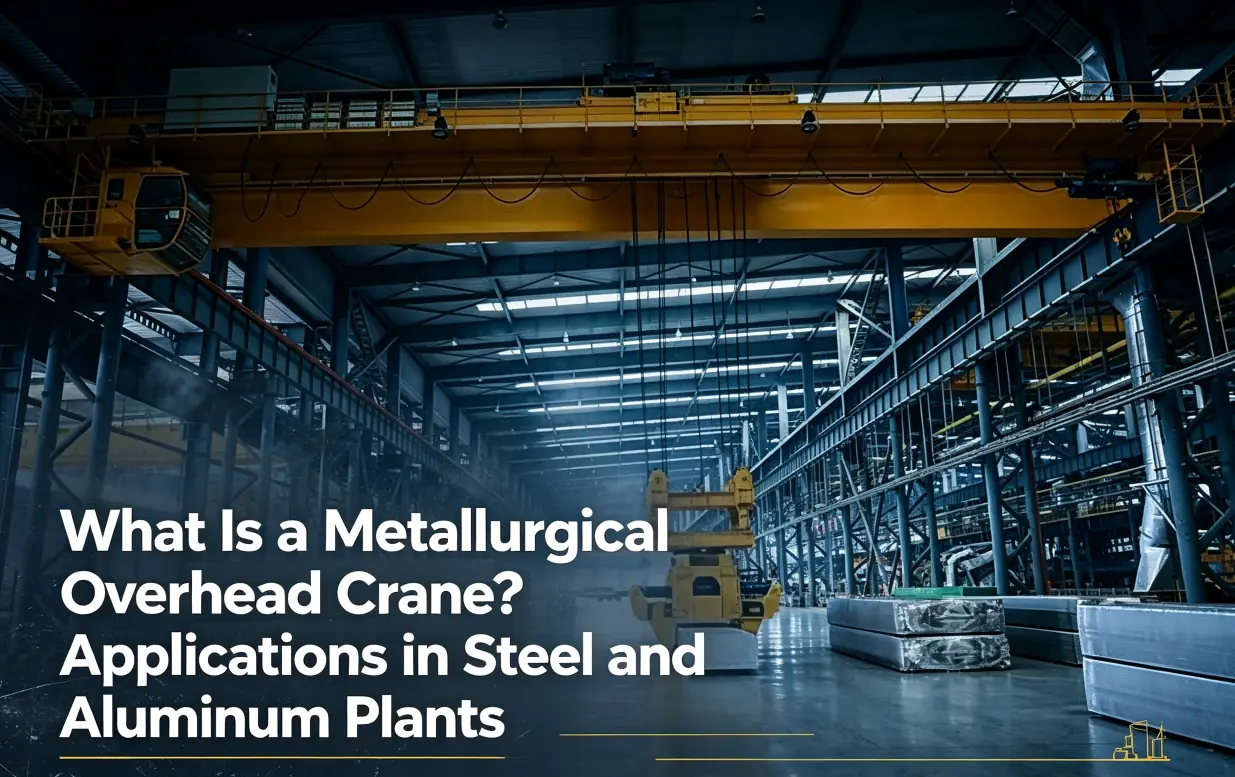
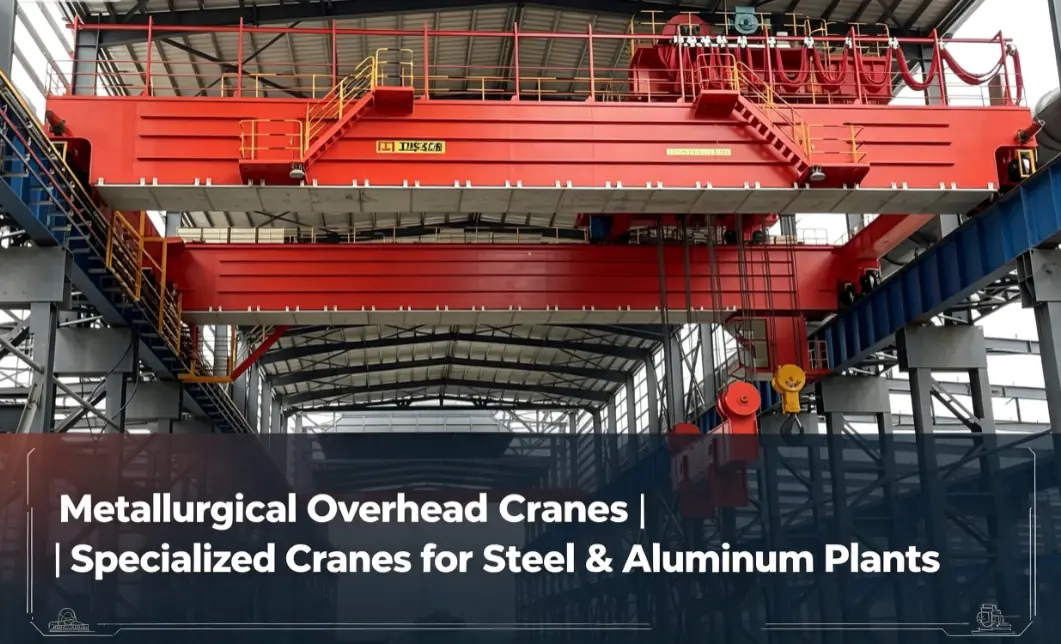
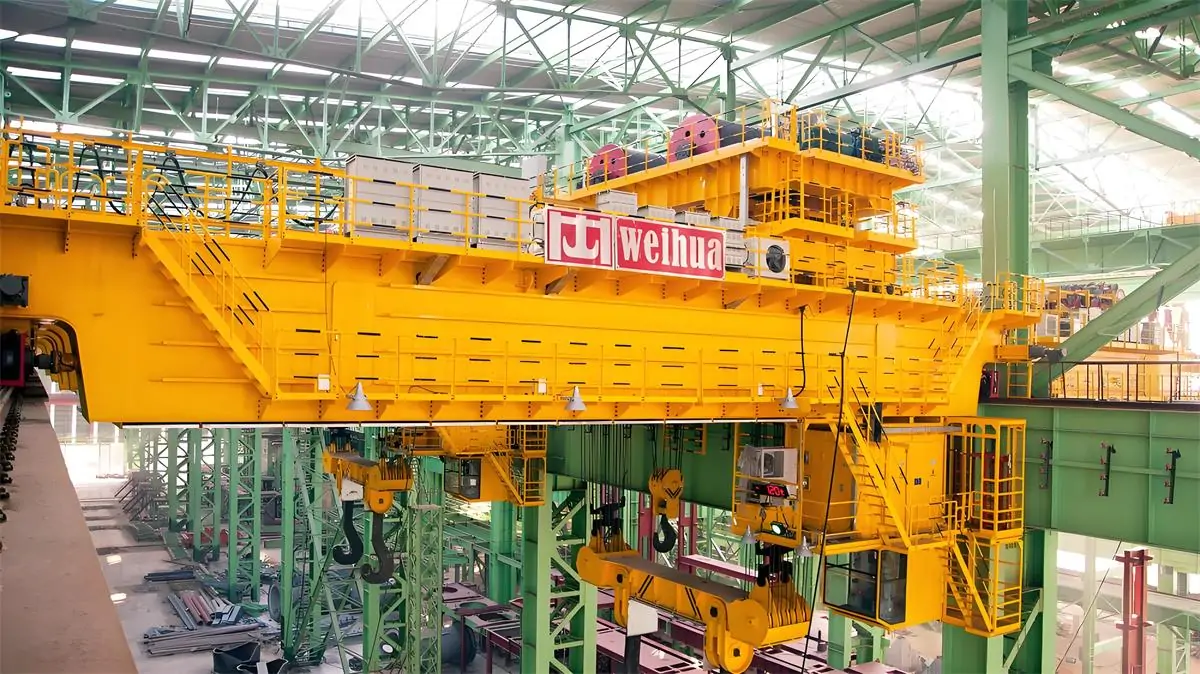
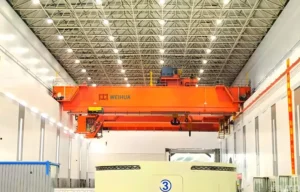
Metallurgical overhead cranes are bridge cranes designed for the metallurgical industry. They are mainly used for molten metal handling, ladle transportation, and high-temperature material transfer in steel mills, aluminum plants, and foundries.
These cranes use heat-resistant structures, insulated operator cabins, and protected electrical systems for high-temperature working areas. They handle heavy materials such as steel ladles, billets, slabs, and coils during metal production.
Metallurgical overhead cranes are equipped with safety features such as dual braking systems, overload protection, and limit switches for heavy-load lifting operations. They are built for frequent use in demanding industrial environments.
To learn more about metallurgical overhead cranes, see the article: What Is a Metallurgical Overhead Crane? Applications in Steel and Aluminum Plants
Why Do Steel and Aluminum Plants Need Metallurgical Overhead Cranes?
Steel and aluminum plants work with molten metal, high temperatures, heavy loads, and long operating hours. General overhead cranes are not suitable for these production conditions.
- Molten Metal Handling Safety: Metallurgical overhead cranes are used for steel ladles and molten aluminum containers. The lifting system uses safety designs such as dual brakes to reduce the risk of load falling during operation.
- High Temperature Working Conditions: The crane operates near furnaces, casting lines, and other heat sources. Heat insulation layers and heat-resistant materials are used to protect the crane structure from high-temperature damage. Some working areas can exceed 60°C.
- Harsh Industrial Environment: Steel and aluminum plants contain dust, metal particles, and corrosive gases. Metallurgical cranes use protected electrical cabinets, with IP54 or higher protection, for dusty and corrosive areas.
- Frequent Heavy Lifting Operations: Steel plants need to move ladles, billets, slabs, and other heavy materials during daily production. Metallurgical cranes are rated for A7–A8 duty classes and use variable-frequency drives to control lifting and travel speed.
Metallurgical overhead cranes are designed for steel and aluminum plants where molten metal handling and heavy-duty lifting are part of daily production.
Types of Metallurgical Overhead Cranes
Different metallurgical processes require different crane designs. Steel and aluminum plants select crane types based on the material being lifted, production process, and working conditions.
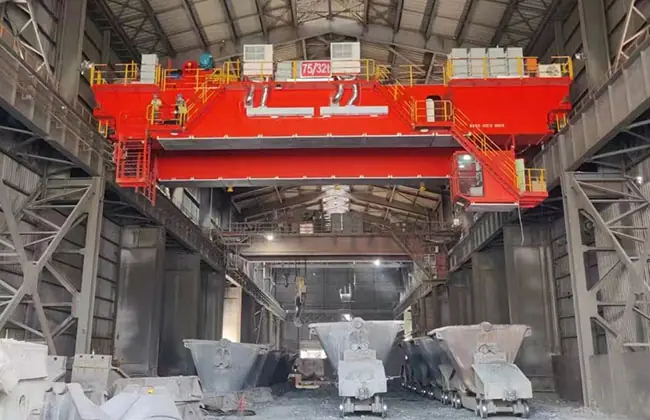
Grúa de cucharón
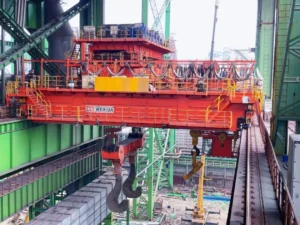
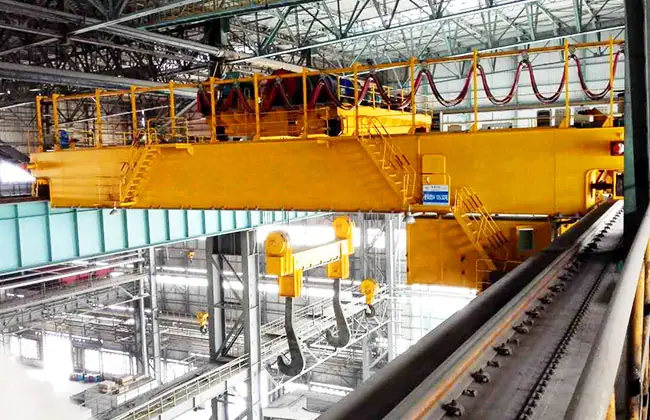
Ladle cranes are mainly used for molten steel handling in steel plants. They transport steel ladles between converters, refining stations, and casting workshops.
Aplicaciones
- Molten steel transportation
- Converter and casting workshop
Parameters:
- Capacity: 75–500 tons
- Working Class: A7–A8
Grúa de carga
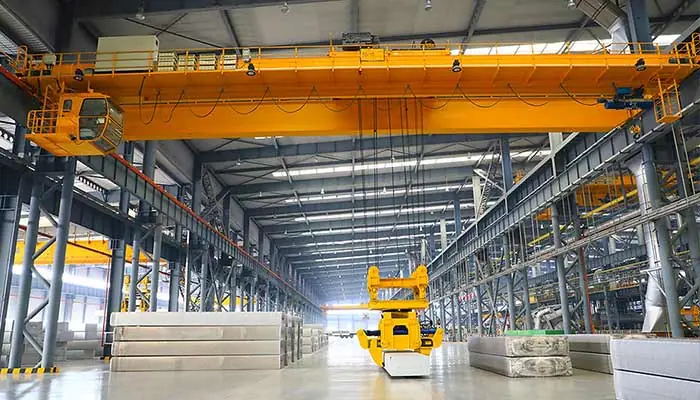
Charging cranes are used for furnace charging operations. They handle scrap steel and raw materials in electric furnace and steelmaking areas.
Aplicaciones
- Furnace charging
- Scrap handling
Parameters:
- Capacity: 20–150 tons
- Heavy-duty operation
Aluminum Pot Handling Crane
Aluminum pot handling cranes are used in aluminum electrolysis plants for pot transportation and maintenance operations. They use special lifting tools for accurate pot handling.
Aplicaciones
- Aluminum electrolysis production
- Pot transportation
Características:
- High positioning accuracy
- Specialized lifting tools
Casting Crane
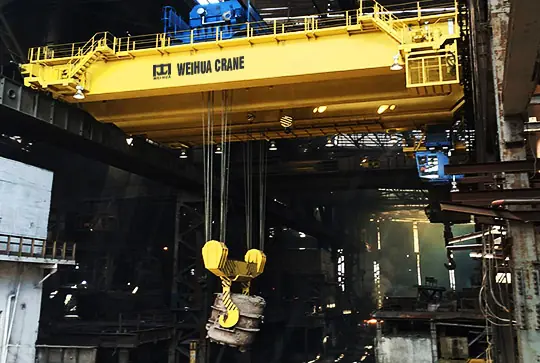
Casting cranes are used in foundries and casting workshops for mold handling and casting equipment maintenance. They support lifting work during casting production and equipment servicing.
Aplicaciones
- Mold handling
- Casting equipment maintenance

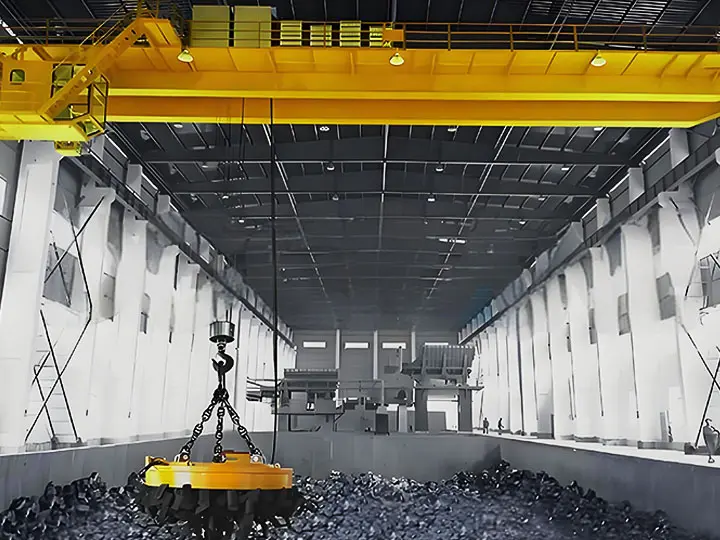
Electromagnetic Crane
Electromagnetic cranes use electromagnetic lifting devices for handling steel materials. They are commonly used for scrap steel and billet transportation.
Aplicaciones
- Scrap steel handling
- Steel billet handling
Características:
- Electromagnetic lifting device
- Fast material handling operation
Factors for Choosing a Metallurgical Overhead Crane
Choosing a metallurgical overhead crane requires matching the crane with the production process, lifting load, working environment, and safety requirements. The following factors help determine the right crane model for steel and aluminum plants.
Determine Lifting Capacity
The crane capacity depends on the weight of the material, production process, and future production requirements.
Common Capacity Range:
- Small metallurgical applications: 10–50 tons
- Heavy metallurgy operations: 100 tons and above
- Ladle cranes: 75–500 tons
Steel ladle weight, molten metal volume, and lifting frequency should be considered before selecting the crane capacity.
Check Working Class and Duty Cycle
Metallurgical cranes operate under frequent lifting cycles in steel and aluminum plants. The working class should match the production rhythm.
Common Working Classes:
- A6: Medium to high frequency operation
- A7: Heavy-duty continuous operation
- A8: High-frequency operation in steelmaking processes
The crane classification is selected according to lifting frequency, load condition, and daily working hours.
Evaluate Temperature Protection
High-temperature areas require special protection for crane structures and electrical systems.
Common Protection Designs:
- Heat insulation layer under the main girder
- Heat-resistant cables
- Protected electrical cabinets
- Water-cooled operator cabin
- Cooling systems for key components
Some metallurgical cranes are designed for working temperatures up to 60°C or higher.
Select Proper Crane Structure
The crane structure depends on lifting capacity and application requirements.
| Estructura | Aplicación |
|---|---|
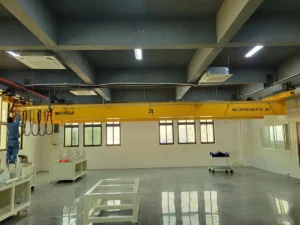
| Single Girder | Small capacity lifting and auxiliary operations |
| Viga doble | General metallurgical material handling |
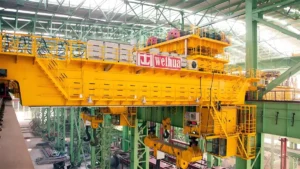
| Four Girder | Heavy ladle lifting and large steel plants |
Double girder and four girder cranes are commonly used for molten metal handling due to higher load capacity.
Choose Suitable Lifting Attachments
The lifting device should match the material and production process.
Common Attachments:
- Ladle hook: Steel ladle transportation
- C-hook: Coil and special load handling
- Electromagnetic chuck: Scrap steel and billet handling
- Pot lifting device: Aluminum electrolysis pot handling
- Clamp: Billet and steel product lifting
Consider Safety Design
Safety systems are critical for molten metal and heavy-load operations.
Common Safety Features:
- Double brake system
- Overload limiter
- Lifting height limit switch
- Anti-collision system
- Operation monitoring system
A suitable metallurgical overhead crane should match the plant process, load requirements, and safety standards. WEIHUA provides customized crane designs based on different steel and aluminum production conditions.
Metallurgical Crane Requirements for Steel Plants vs Aluminum Plants
Steel plants and aluminum plants both require metallurgical cranes for high-temperature and heavy-load handling. The crane design differs based on material temperature, production process, and working environment.
1. Heat Protection and Working Class
- Steel Plants: Steelmaking involves molten steel temperatures around 1600°C. Cranes require heat insulation layers, heat shields, and heat-resistant components to reduce thermal impact. Core production processes usually use A7–A8 working classes for continuous operation.
- Aluminum Plants: Molten aluminum temperature is around 750°C. Aluminum plants have lower heat radiation but face dust, corrosive gases, and strong magnetic fields in electrolysis areas. Cranes usually use A6–A7 working classes with protected electrical systems rated IP54 or above.
2. Lifting Attachments and Process Requirements
- Steel Plants: Steel plants mainly use ladle cranes, clamp cranes, and electromagnetic cranes. Ladle handling requires special lifting devices and accurate positioning for converter, refining, and casting operations.
- Aluminum Plants: Aluminum plants use aluminum pot lifting devices and special hooks for electrolysis production. The crane requires accurate positioning for pot transportation, anode replacement, and maintenance operations.
3. Safety Design and Protection Requirements
- Steel Plants: Molten steel handling requires high safety standards. Cranes are equipped with dual braking systems, overload protection, and low-height test lifting before operation.
- Aluminum Plants: Aluminum plants focus on electrical insulation, corrosion protection, and magnetic field protection. Crane systems require suitable insulation materials and electrical protection designs for electrolysis environments.
Steel plant cranes focus on high-temperature protection and heavy-load safety, while aluminum plant cranes require stronger electrical protection and positioning control. The crane design should match the specific production process and working conditions.
Metallurgical Overhead Crane Customization Options
- Lifting Capacity: Customized from small loads to hundreds of tons according to material weight and production requirements.
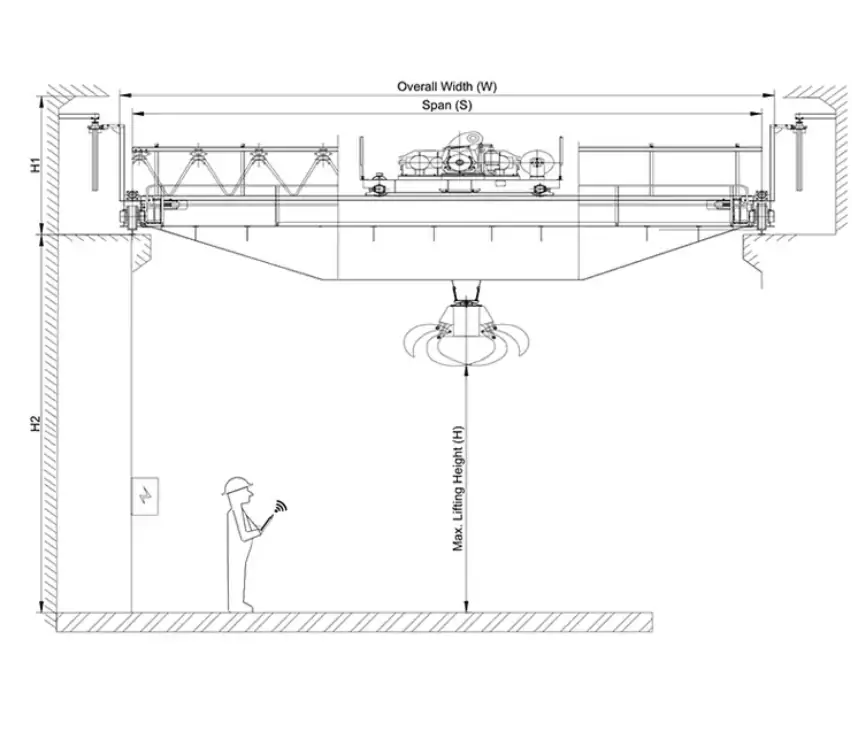
- Crane Span: Customized based on workshop layout and runway distance.
- Lifting Height: Designed according to furnace height, production line layout, and material transfer requirements.
- Crane Structure: Available with single girder, double girder, or special structures for different lifting conditions.
- Lifting Attachments: Customized with ladle hooks, C-hooks, clamps, electromagnetic chucks, or pot lifting devices.
- Control System: Customized with cabin control, remote control, automation system, and monitoring functions.
- Power Supply System: Customized with different power solutions according to plant conditions.
- Heat Protection Design: Customized with insulation layers, heat shields, cooling systems, and protected electrical components.
Common Mistakes When Selecting a Metallurgical Overhead Crane
1. Choosing Capacity Without Considering Actual Load
Solution: Select crane capacity based on ladle weight, material weight, and production requirements.
2. Using Standard Cranes for Metallurgical Applications
Solution: Choose metallurgical cranes designed for high temperature, heavy loads, and molten metal handling.
3. Ignoring Working Class Requirements
Solution: Select the suitable duty class according to operation frequency, usually A6–A8 for metallurgical applications.
4. Overlooking Heat Protection Design
Solution: Check heat insulation, heat-resistant components, and electrical protection for high-temperature areas.
5. Selecting the Wrong Lifting Attachment
Solution: Match lifting devices such as ladle hooks, clamps, C-hooks, or pot lifting tools with the production process.
6. Focusing Only on Purchase Cost
Solution: Consider maintenance, spare parts, service support, and long-term operation costs.
Conclusión
Metallurgical overhead cranes are designed for steel mills, aluminum plants, and other high-temperature industrial environments. The right crane selection depends on lifting capacity, working class, heat protection, safety system, and production process requirements.
WEIHUA provides customized metallurgical overhead crane solutions for steel plants, aluminum plants, and heavy industries. Contáctanos for crane design, manufacturing, and support based on your production needs.
Preguntas frecuentes
What is a metallurgical overhead crane?
A metallurgical overhead crane is a specialized bridge crane used in steel mills, aluminum plants, and foundries. It is designed for molten metal handling, ladle transportation, and heavy material lifting in high-temperature environments.
What industries use metallurgical overhead cranes?
Metallurgical overhead cranes are used in steel production, aluminum smelting, foundries, casting plants, and other metal processing industries.
Can metallurgical cranes handle molten metal?
Yes. Metallurgical cranes are designed for molten steel and molten aluminum handling. They use heat-resistant structures, special lifting devices, and safety systems for ladle and metal container transportation.
What is the lifting capacity of a metallurgical crane?
The lifting capacity depends on the application. Common capacities range from 10 tons to over 500 tons, with large ladle cranes used for heavy steelmaking operations.
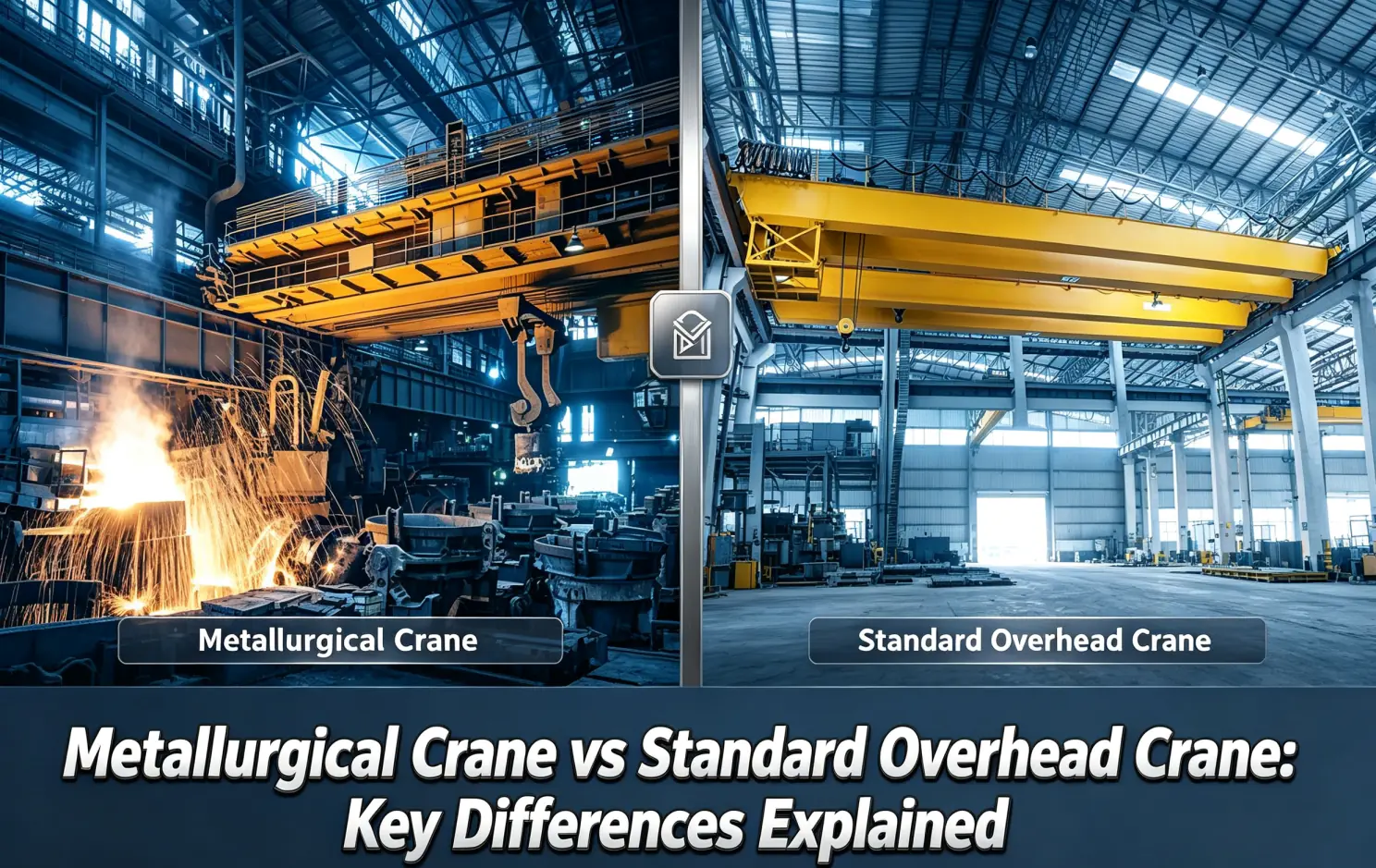
What is the difference between a metallurgical crane and an overhead crane?
Metallurgical cranes are designed for high-temperature, heavy-load, and frequent operation. Standard overhead cranes are mainly used for general material handling and do not have the same heat protection and safety design.
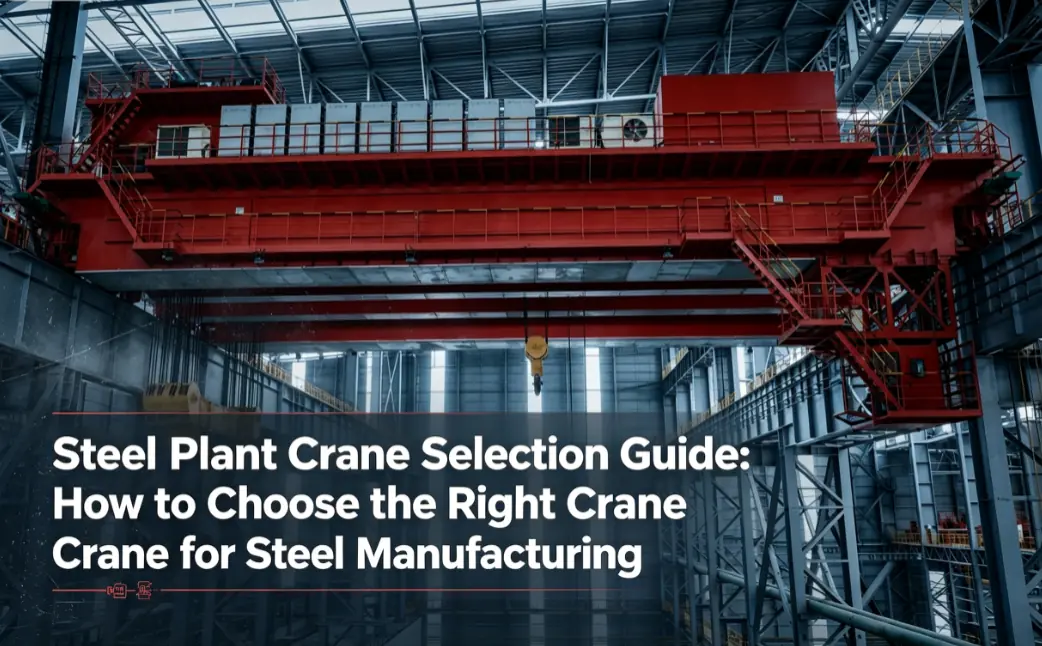
How do I choose a metallurgical overhead crane?
Selection depends on lifting capacity, working class, crane structure, temperature conditions, lifting attachments, safety requirements, and the production process.
Are metallurgical cranes customized?
Yes. Metallurgical cranes can be customized according to lifting capacity, span, lifting height, control system, power supply, lifting devices, and plant layout.
How long does a metallurgical overhead crane last?
The service life depends on operating conditions, maintenance frequency, and workload. Regular inspection and proper maintenance help extend crane service life in steel and aluminum plants.