








Índice
Introduction
STS cranes and RTG cranes are two common types of container handling equipment used in modern terminals. STS (Ship-to-Shore) cranes operate at the quay to load and unload containers between ships and the terminal, while RTG (Rubber Tyred Gantry) cranes are used inside container yards for stacking and transferring containers. Although both cranes support port operations, they are designed for different working areas and tasks.
In this article, I will explain the differences between STS cranes and RTG cranes in terms of their structure, applications, operating areas, lifting capacity, and selection factors. This guide helps ports understand which crane type fits their container handling requirements and how both cranes work together in terminal operations.
What Is an STS Crane?
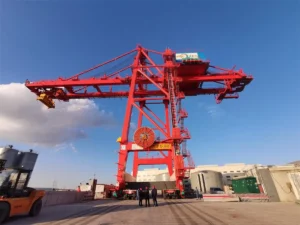
STS (Ship-to-Shore) Crane is a quay-side container crane designed for loading and unloading containers between vessels and terminals. It is installed on rails along the berth and moves parallel to the quay to match ship positions. The crane uses a trolley and spreader system to lift containers across the vessel deck and is mainly designed for large container ship operations.
Funcionalidades
- Installed on quay rails for berth-side operation
- Moves along the container terminal berth
- Handles container transfer between ships and shore
- Designed for Panamax, Post-Panamax, and ULCV vessels
For more details, see: O Que É um Guindaste STS para Contentores? Guia Completo para Projetos Portuários
Obtenha uma Cotação Personalizada Agora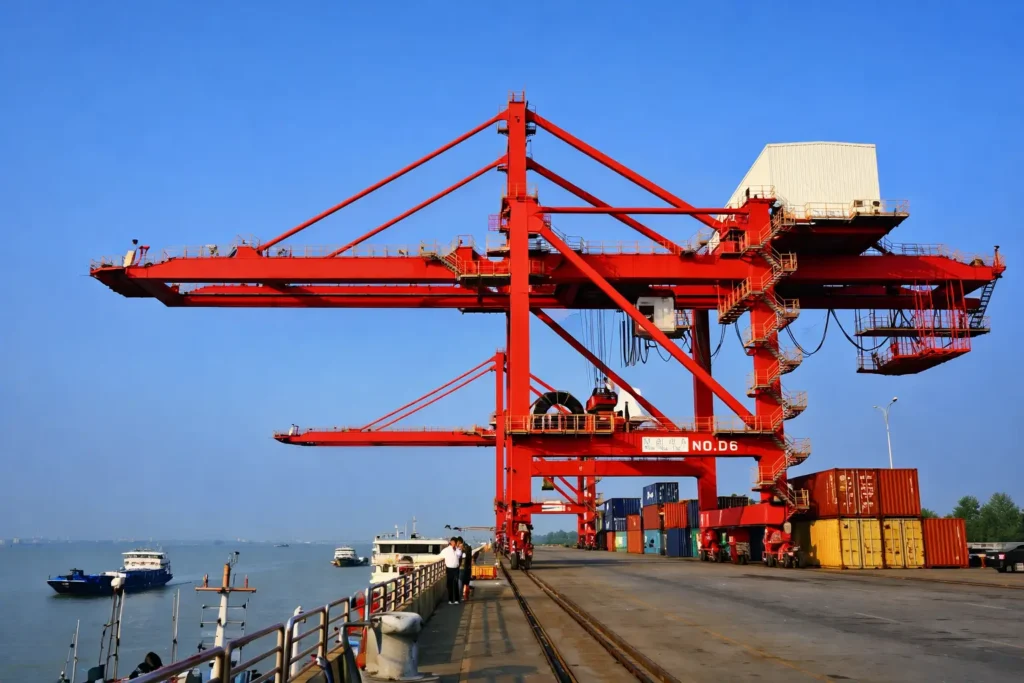
Especificações
| Parâmetro | Range |
|---|---|
| Outreach | 40–70 m |
| Capacidade de Elevação | 40–65 tons |
| Altura de elevação | 40–55 m |
| Aplicação | Ship loading and unloading |
Outreach determines the vessel width coverage and the maximum container rows the crane can reach. Lifting capacity must meet heavy container and twin-lift requirements, while lifting height is selected according to vessel depth and container stacking levels. These parameters define the overall operating range of an STS crane.
Aplicações
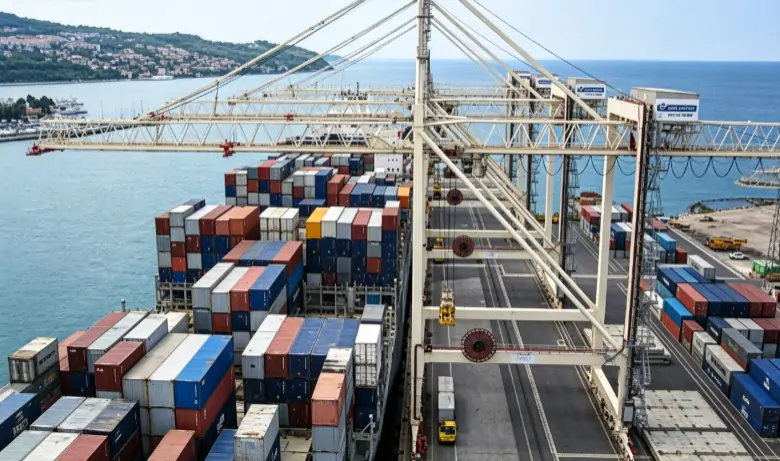
Container ports
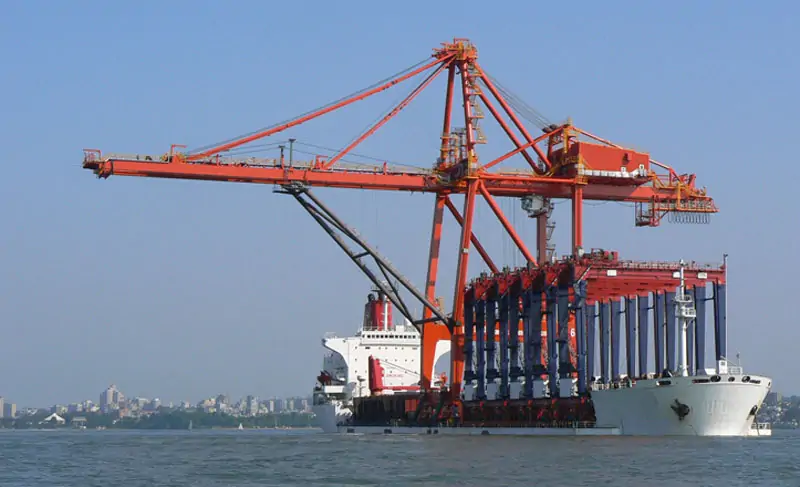
Deep-water terminals
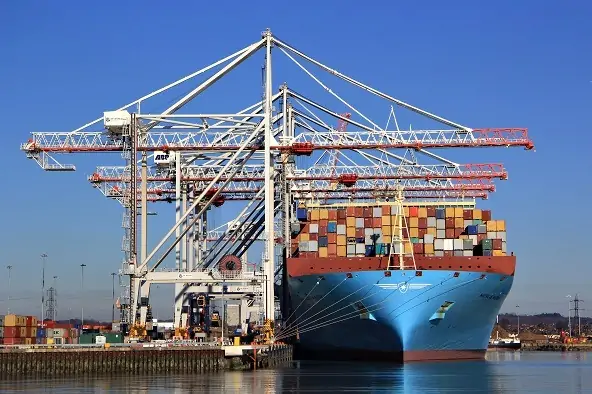
Mega vessel handling terminals
With the increasing size of container ships, ports require STS cranes with longer outreach, higher lifting height, and stronger structures to handle modern vessel operations.
What Is an RTG Crane?
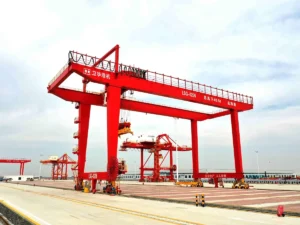
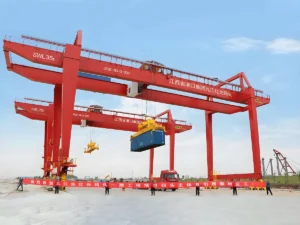
RTG (Rubber-Tyred Gantry) Crane is a mobile container yard crane designed for stacking, transferring, and storing containers in terminal yards. Unlike rail-mounted cranes, RTG cranes use rubber tires as the traveling system, allowing flexible movement between container blocks and different working areas.
RTG cranes are mainly used for yard operations after containers are unloaded from vessels. They move along container lanes, lift containers from trucks or storage positions, and organize containers according to terminal operation requirements.
Funcionalidades
- Runs on rubber tires for flexible yard movement
- Operates between different container storage blocks
- Handles container stacking and transfer operations
- Suitable for container terminals, railway yards, and inland depots
For more details, see: What Is an RTG Crane? A Complete Guide to Rubber-Tired Gantry Cranes
Obtenha uma Cotação Personalizada Agora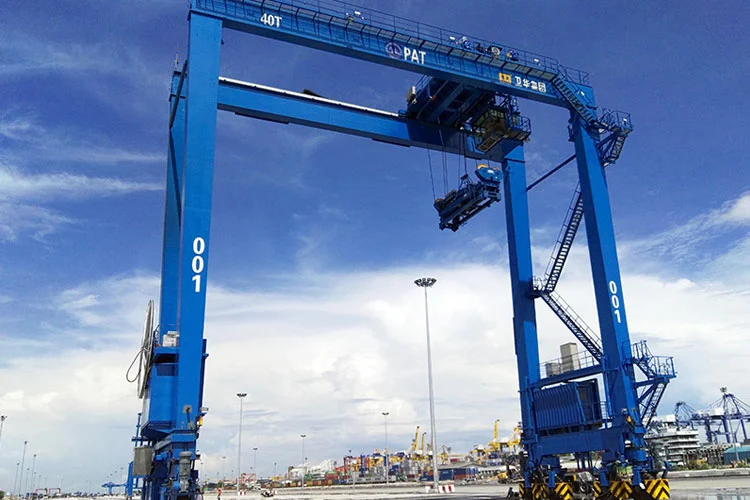
Main Technical Parameters
| Parâmetro | Range |
|---|---|
| Capacidade de Elevação | 41–65 tons |
| Span | 23.47 m (6 container rows + truck lane) |
| Altura de empilhamento | 4–6 container layers |
| Spreader Type | Single or twin container handling |
| Aplicação | Container yard operations |
RTG crane capacity and structure are selected according to yard layout and container handling requirements. The lifting capacity determines the maximum container weight, while span and stacking height define the storage capacity of the yard.
RTG Crane Applications
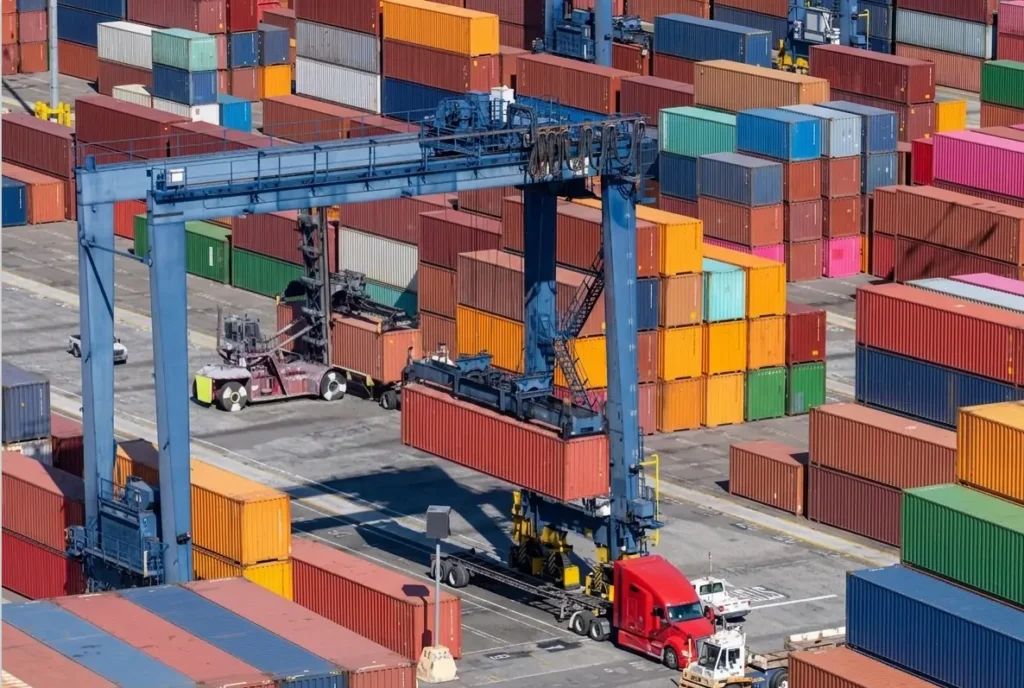
terminais de contêineres
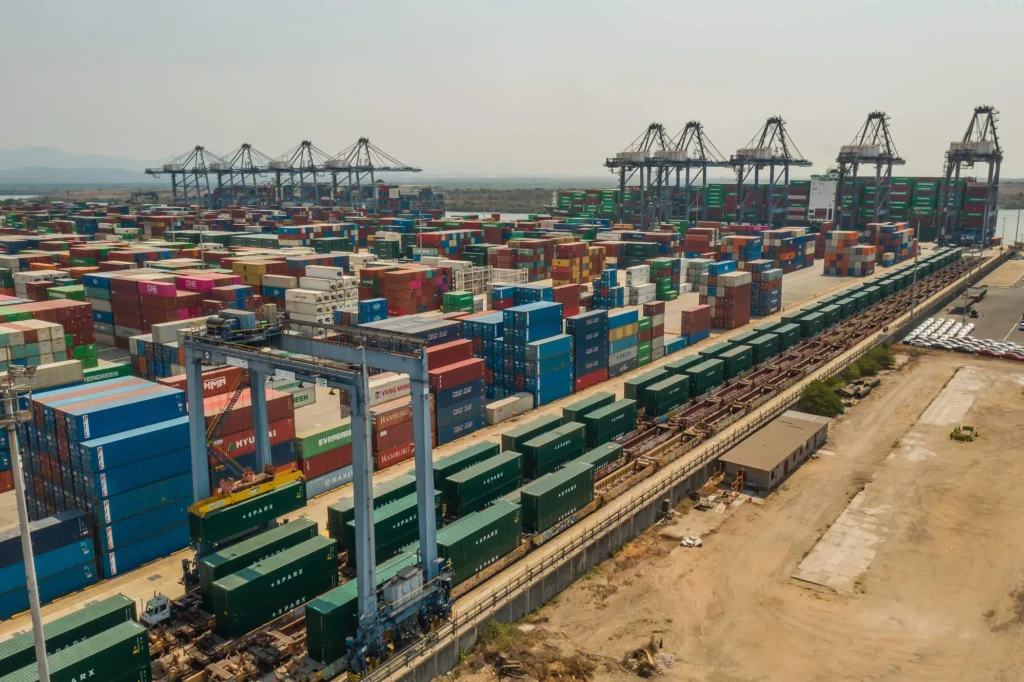
pátios de contêineres ferroviários
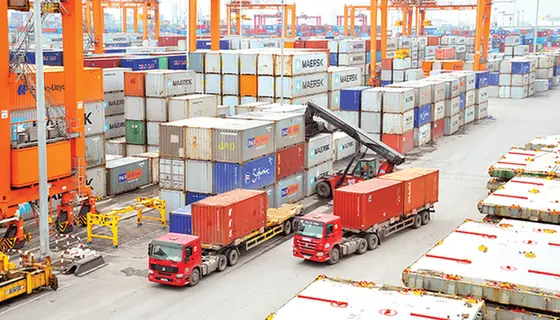
Inland container depots
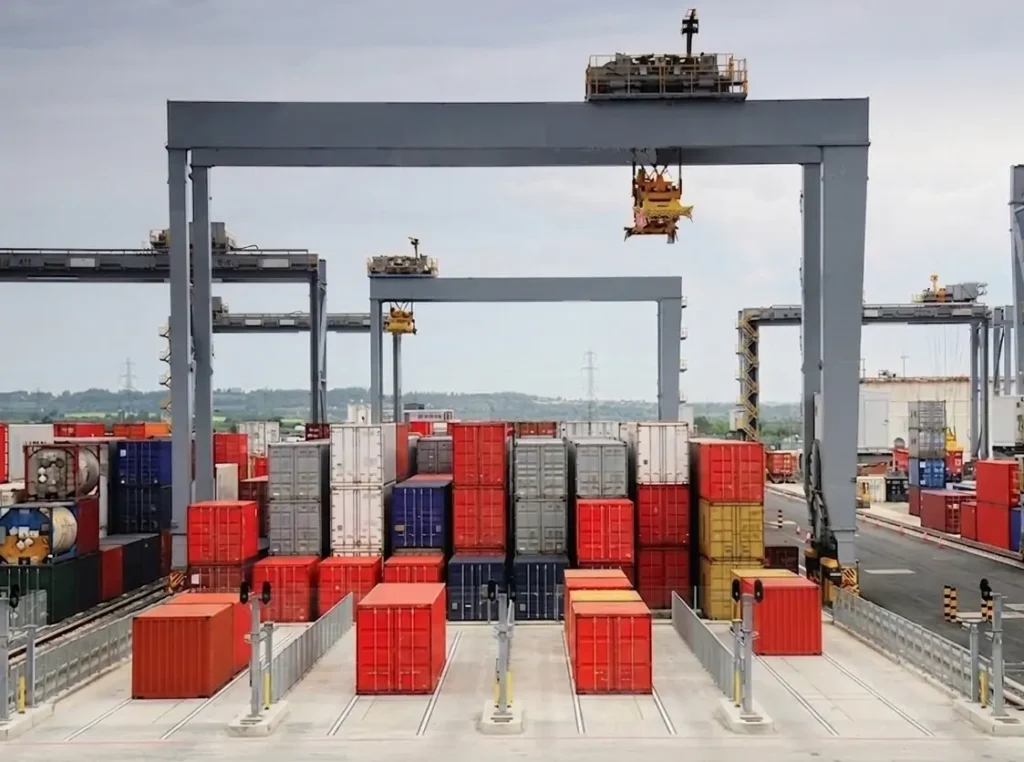
Pátios de contêineres automatizados
Modern RTG cranes also adopt different power solutions, including diesel generator systems, cable reel power supply, hybrid power, and electric drive systems. Energy-saving upgrades and automated control technologies are increasingly applied to improve yard operation efficiency and reduce operating costs.
STS Crane vs RTG Crane: Key Differences
STS cranes vs RTG cranes perform different tasks in container terminals. STS cranes handle container transfer between vessels and the quay, while RTG cranes are used for container stacking and movement inside the yard.
| Comparison | Guindaste STS | Guindaste RTG |
|---|---|---|
| Main Function | Ship loading and unloading | Container stacking and yard transfer |
| Working Area | Quay side | Container yard |
| Movement System | Runs on rails along the berth | Moves on rubber tires |
| Typical Lifting Capacity | 50–65 tons+ | 40–50 tons, some models up to 65 tons |
| Divulgação / Abrangência | 40–70 m outreach for vessel coverage | Approx. 23.47 m span (6 container rows + truck lane) |
| Altura de elevação | 40–55 m for vessel container stacks | 4–6 container layers |
| Main Target | Panamax, Post-Panamax, ULCV vessels | Standard 20 ft, 40 ft, and 45 ft containers |
| Mobilidade | Moves along fixed quay rails | Flexible movement between storage blocks |
| Fonte de Alimentação | Mainly high-voltage shore power | Diesel generator, cable reel power, hybrid, or electric drive |
| Automation | Automated STS cranes available for smart terminals | A-RTG systems used for automated yard operations |
| Aplicações típicas | Container ports, deep-water terminals, large vessel handling | Container yards, railway terminals, inland depots |
- STS cranes are designed for ship-to-shore container handling. Their outreach, lifting height, and capacity determine the size of vessels a terminal can serve.
- RTG cranes focus on yard operations, where mobility and stacking efficiency are the main requirements.
STS cranes are usually customized according to vessel size and terminal conditions, while RTG cranes have a more standardized design for container storage operations. Both cranes work together to complete the container handling process from vessel unloading to yard storage.
Difference in Working Applications
STS cranes and RTG cranes are used in different areas of container terminal operations. STS cranes focus on ship-side container handling, while RTG cranes handle container movement and storage inside the yard.
STS Crane Application
STS cranes are installed at the quay and used for direct container transfer between vessels and the terminal.
Main operations include:
- Loading containers onto ships
- Unloading containers from ships
- Handling large container vessels
Aplicações:
- Container ports
- Deep-water terminals
- Panamax, Post-Panamax, and ULCV vessel operations
STS cranes require large outreach and high lifting height to cover wide ship decks and handle multiple container rows.
RTG Crane Application
RTG cranes operate in container yards and are mainly used for container stacking and internal transfer.
Main operations include:
- Stacking containers in storage blocks
- Moving containers between trucks and yard positions
- Organizing container storage areas
Aplicações:
- Container yards
- Railway container terminals
- Inland container depots
RTG cranes provide flexible movement and efficient space utilization, making them suitable for high-density container storage operations.
STS Crane vs RTG Crane: Which One Has Higher Capacity?
STS cranes generally have a higher lifting capacity and larger working range than RTG cranes because they are designed for ship loading and unloading operations. Large STS cranes typically provide 40–65 tons or more lifting capacity, with long outreach and high lifting height to handle large container vessels.
RTG cranes are mainly designed for container yard operations. Their typical lifting capacity ranges from 30–50 tons, with some heavy-duty models reaching 65 tons. Their design focuses on container stacking efficiency, flexible movement, and yard space utilization rather than large vessel handling.
| Comparison | Guindaste STS | Guindaste RTG |
|---|---|---|
| Capacidade de Elevação | 40–65 tons+ | 30–50 tons |
| Maximum Capacity | 65 tons or higher | Up to 65 tons for heavy-duty models |
| Main Purpose | Ship loading and unloading | Container stacking and yard transfer |
| Performance | Outreach, lifting height, vessel coverage | Mobility, stacking height, storage efficiency |
The higher capacity of an STS crane does not mean it is suitable for all operations. STS cranes are selected for vessel size and quay handling requirements, while RTG cranes are selected for yard layout and container storage needs. Both cranes serve different roles in a complete container terminal system.
Can STS Crane and RTG Crane Work Together?
Yes. STS cranes and RTG cranes usually work together in container terminals. STS cranes handle ship loading and unloading, while RTG cranes handle container stacking and storage in the yard.
The workflow is:
- STS Crane: Moves containers between vessels and the quay.
- Yard Tractor: Transfers containers between the quay and yard.
- RTG Crane: Stacks containers and manages storage blocks.
STS cranes are responsible for vessel operations, while RTG cranes improve yard handling efficiency. Together, they complete the container handling process from ship unloading to container storage.
How to Choose Between an STS Crane and an RTG Crane?
Choose an STS crane for ship loading and unloading operations. Choose an RTG crane for container stacking and transfer operations inside the yard.
STS cranes and RTG cranes serve different areas of a container terminal. The selection depends on the working location, container handling process, and terminal requirements.
Choose an STS Crane When:
STS cranes are used at the quay for direct container transfer between vessels and shore.
Suitable for:
- Loading containers onto ships
- Unloading containers from ships
- Handling Panamax, Post-Panamax, and ULCV vessels
- Terminals requiring high ship handling efficiency
requirements:
- Large outreach for wide container vessels
- High lifting height for vessel deck stacking
- 50–65 tons or higher lifting capacity for heavy containers and twin-lift operations
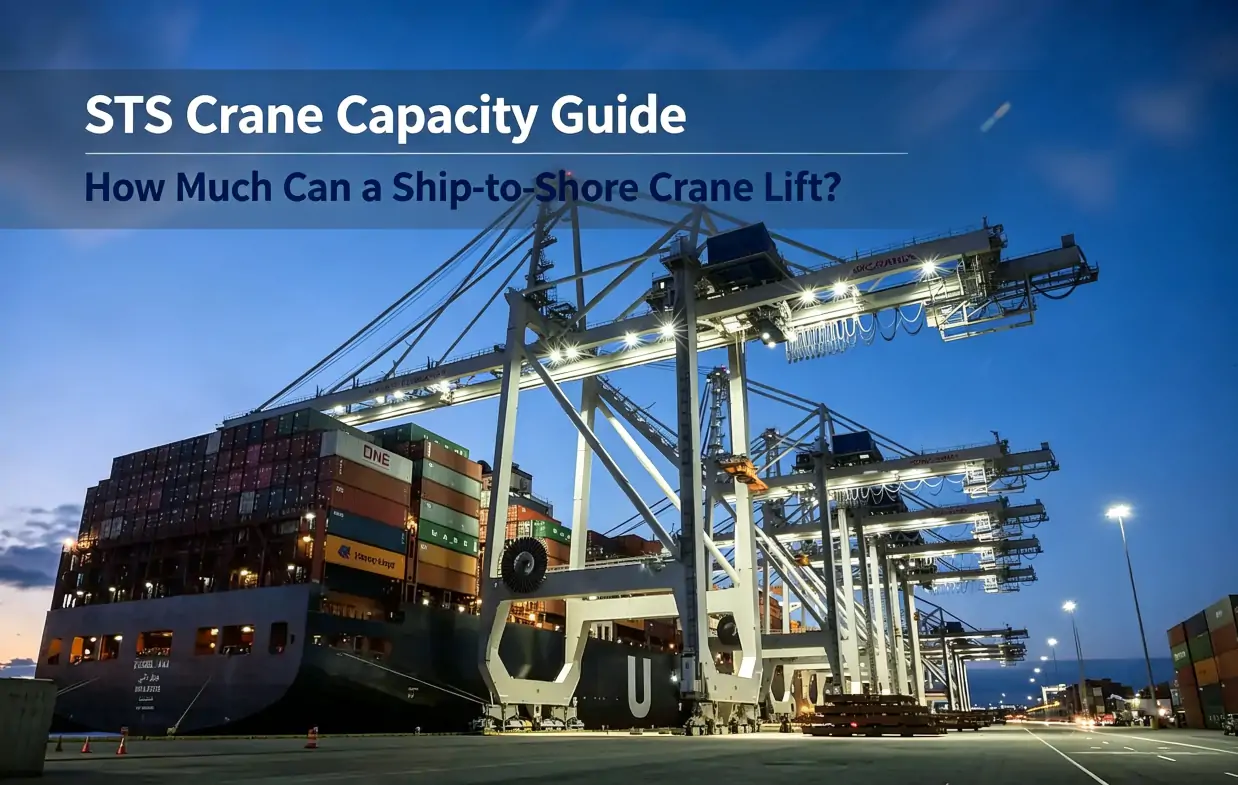
To learn about the lifting capacity and application range of STS cranes, read the article: STS Crane Capacity Guide: How Much Can a Ship-to-Shore Crane Lift?
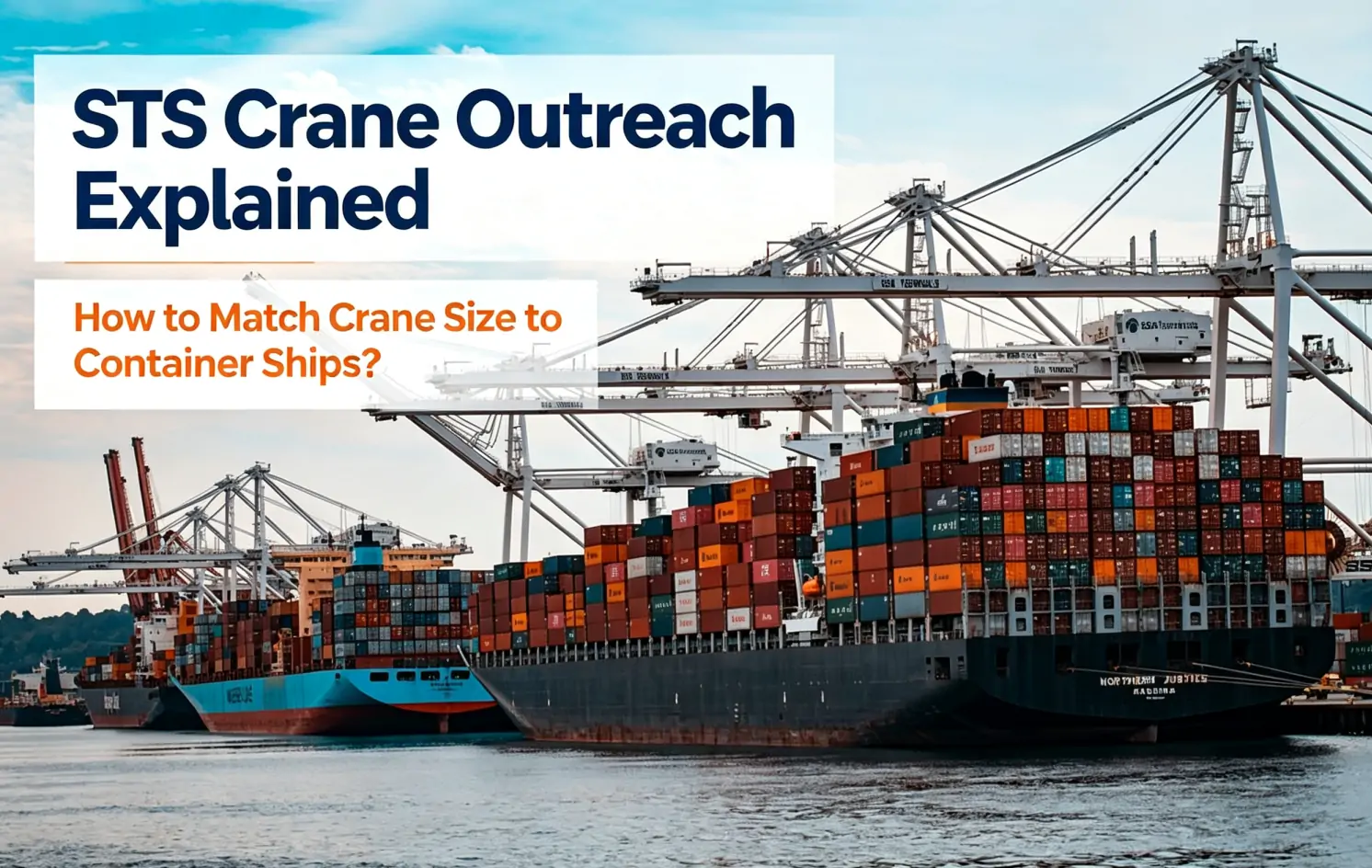
The outreach radius of an STS crane directly determines whether the crane can fully cover the work area. For a detailed comparison of size specifications, see the article: STS Crane Outreach Explained: How to Match Crane Size to Container Ships?
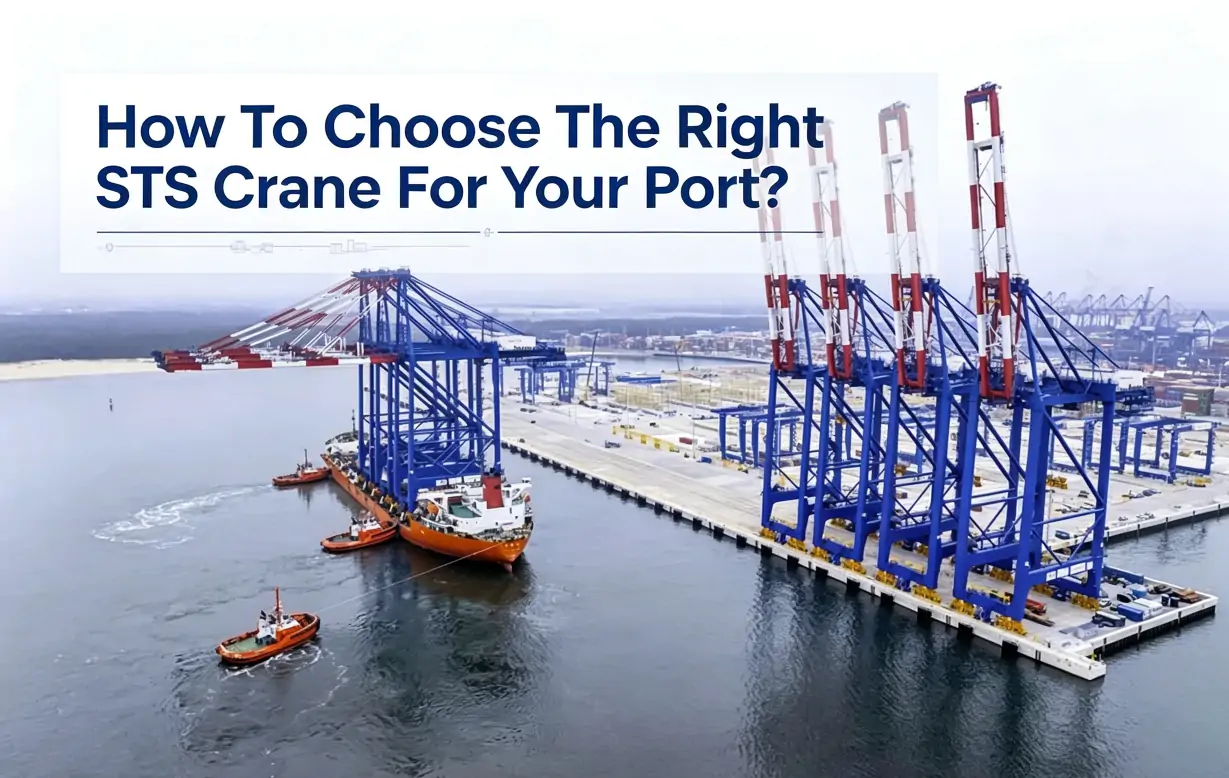
When selecting the right STS crane, you need to consider not only lifting capacity and outreach but also a variety of other factors. For more details, see: How To Choose The Right STS Crane For Your Port?
Choose RTG Crane When:
RTG cranes are designed for container yard operations and storage management.
Suitable for:
- Moving containers between trucks and storage blocks
- Stacking containers in high-density yards
- Railway terminals and inland container depots
- Operations requiring flexible crane movement
requirements:
- Rubber-tire mobility for yard transfer
- Suitable span and stacking height
- Flexible operation in changing yard layouts
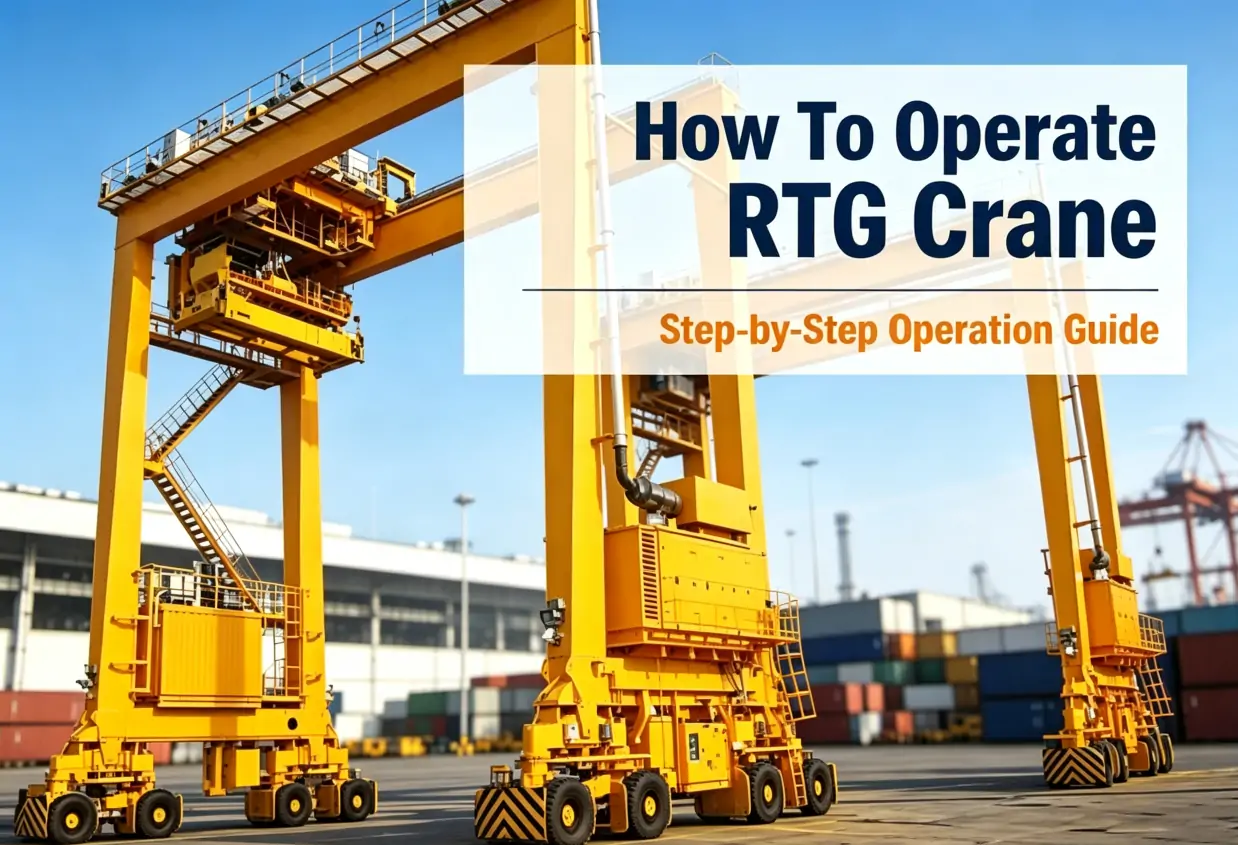
Explore more RTG applications: Types of RTG Cranes: A Complete Guide for Container Handling Applications
STS Crane vs RTG Crane Selection Guide
| Selection Factor | Guindaste STS | Guindaste RTG |
|---|---|---|
| Working Area | Quay side | Container yard |
| Main Task | Ship loading and unloading | Container stacking and transfer |
| Target Equipment | Large container vessels | Yard containers |
| Mobilidade | Rail movement along berth | Flexible tire movement |
| Main Advantage | Large outreach and vessel coverage | High mobility and storage efficiency |
| Aplicação típica | Ports and deep-water terminals | Container yards and logistics terminals |
STS cranes and RTG cranes are not replacement equipment. STS cranes complete the ship-to-shore transfer process, while RTG cranes handle container storage and yard operations. Most modern container terminals use both types of cranes to complete the full handling process
Conclusão
STS cranes and RTG cranes perform different roles in container terminal operations. STS cranes are designed for ship-to-shore container handling, providing the outreach, lifting height, and capacity required for large container vessels. RTG cranes focus on yard operations, offering flexible movement and efficient container stacking.
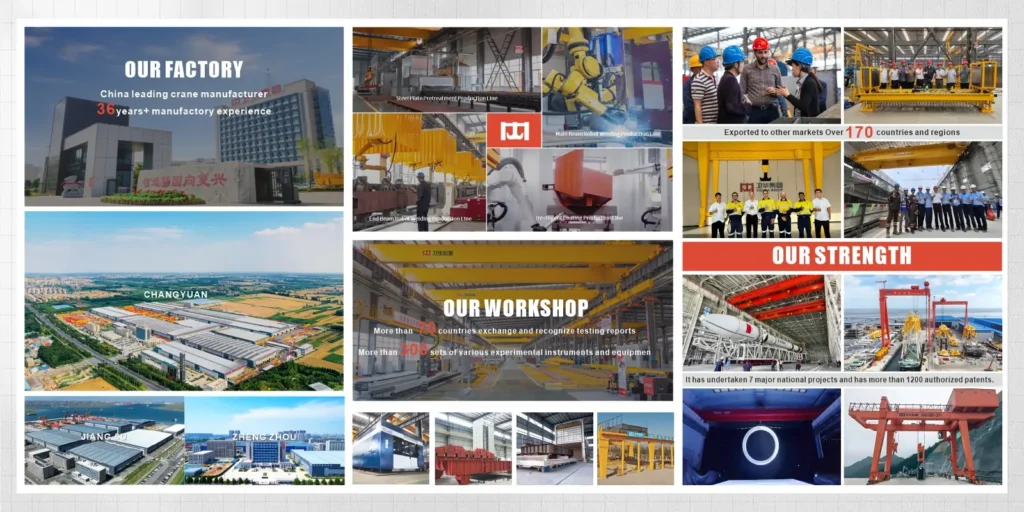
As an experienced container handling crane manufacturer and supplier, WEIHUA provides both STS cranes and RTG cranes for ports, terminals, and logistics yards. Each crane can be customized according to vessel size, terminal layout, lifting requirements, and operating conditions.
If you are planning a new container terminal project or upgrading existing handling equipment, Contate-nos for a suitable crane solution.
FAQ
What is the difference between an STS crane and an RTG crane?
STS cranes are used for container transfer between ships and the quay, while RTG cranes are used for container stacking and movement inside the yard. STS cranes operate at the berth, and RTG cranes operate in container storage areas.
Is an STS crane bigger than an RTG crane?
Yes. STS cranes are generally larger than RTG cranes because they require long outreach and high lifting height to handle large container vessels. RTG cranes are designed for yard operations with a smaller working range.
What is an STS crane used for?
STS cranes are used for loading and unloading containers between vessels and terminals. They are mainly installed at container ports, deep-water terminals, and facilities handling Panamax, Post-Panamax, and ULCV vessels.
What is an RTG crane used for?
RTG cranes are used for container yard operations, including stacking containers, transferring containers between trucks and storage blocks, and managing container storage areas.
Can an RTG crane replace an STS crane?
No. RTG cranes cannot replace STS cranes because they serve different operations. STS cranes handle ship-side container transfer, while RTG cranes handle yard storage and movement.
Which crane is more expensive, STS or RTG?
STS cranes usually have a higher investment cost because of their larger structure, longer outreach, higher lifting height, and vessel handling requirements. RTG cranes have a lower cost and are commonly used for yard expansion and storage operations.
What is the lifting capacity of STS and RTG cranes?
STS cranes typically have a lifting capacity of 40–65 tons or higher for large container vessels. RTG cranes usually range from 30–50 tons, with some heavy-duty models reaching 65 tons.
Do modern terminals use both STS and RTG cranes?
Yes. Most container terminals use both cranes together. STS cranes handle container loading and unloading at the quay, while RTG cranes manage container stacking and transfer inside the yard.