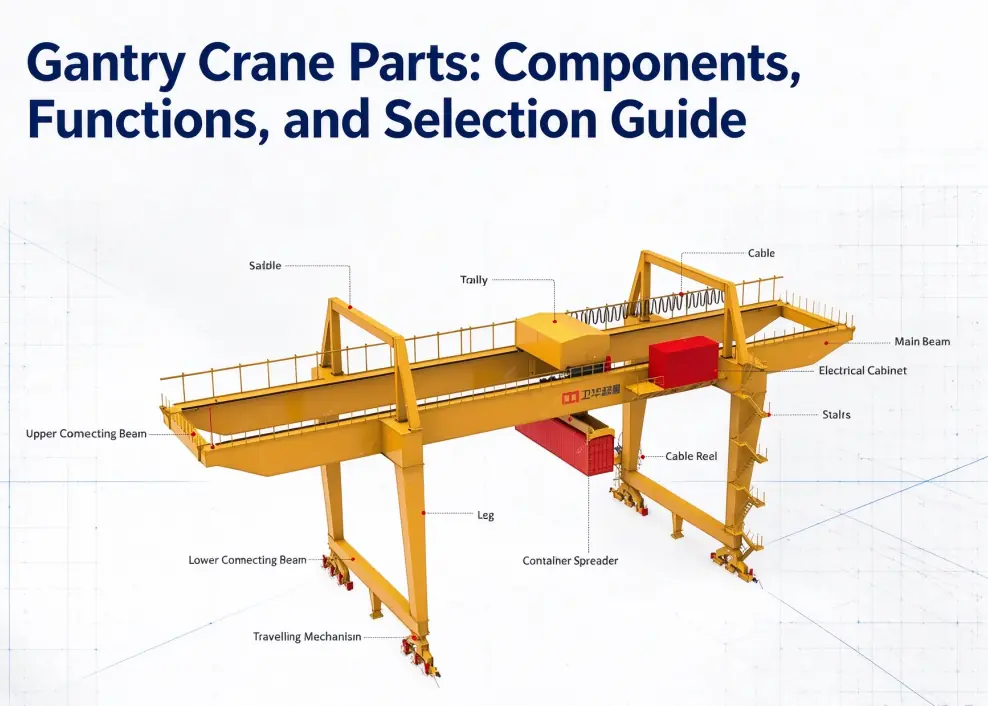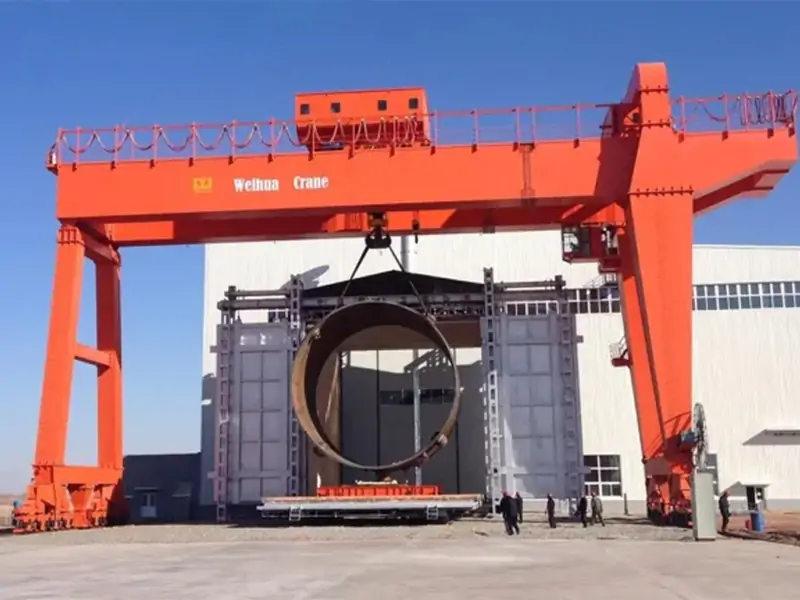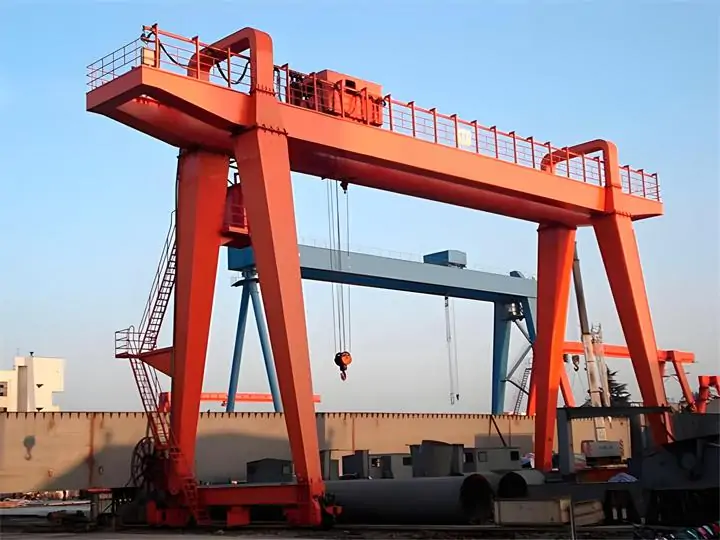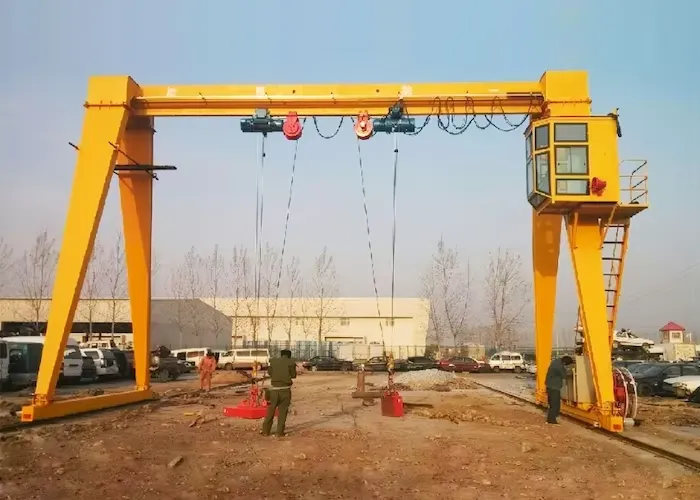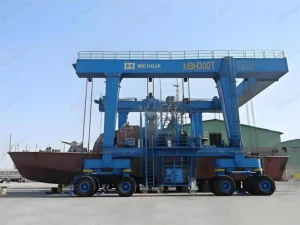
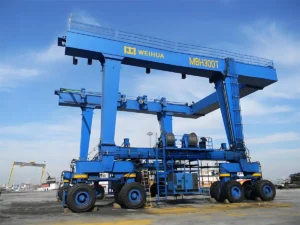

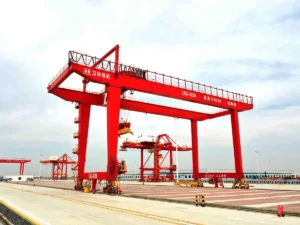
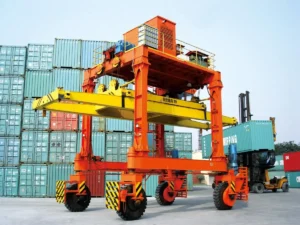
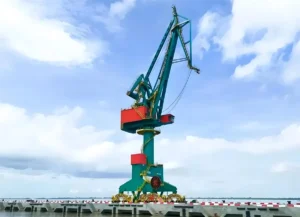
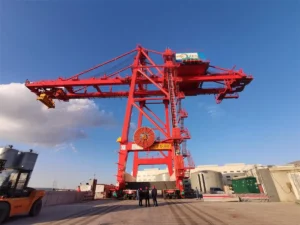
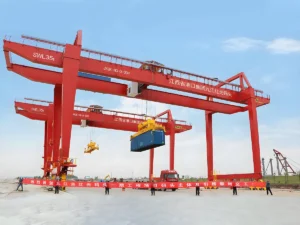
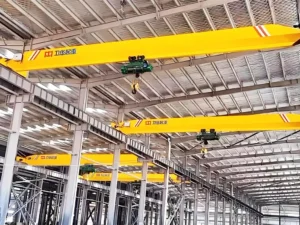
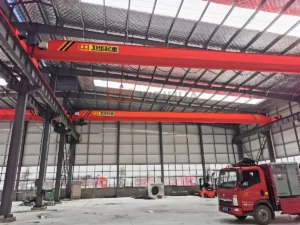
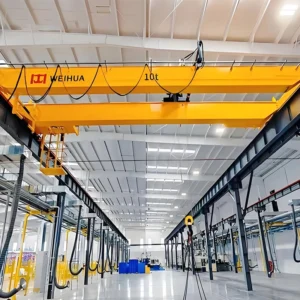
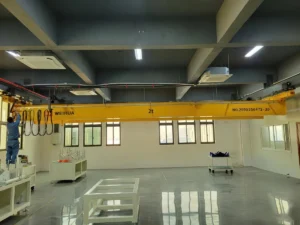


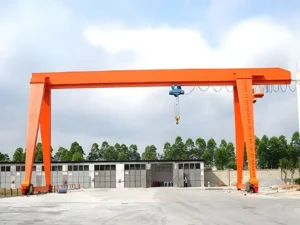
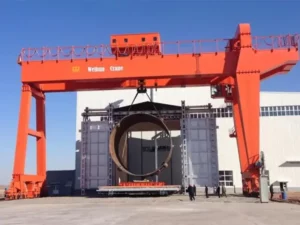
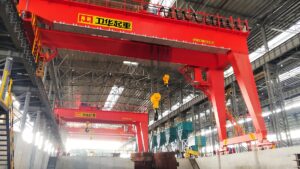
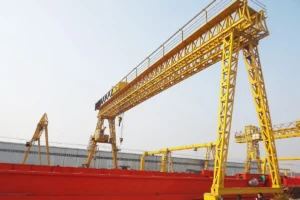

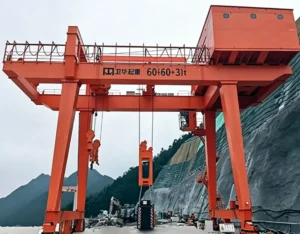
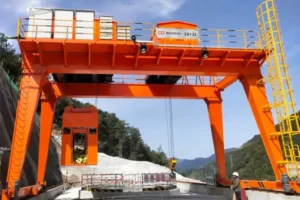

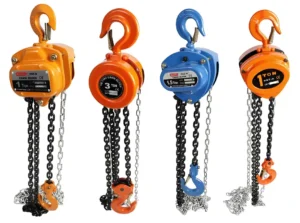
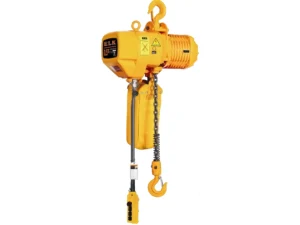
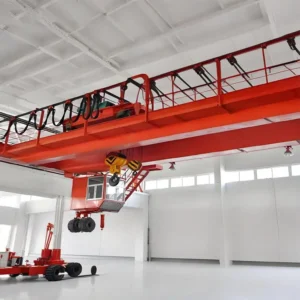
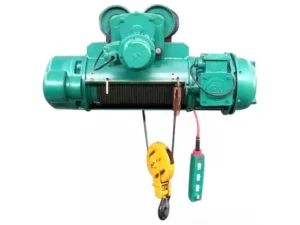
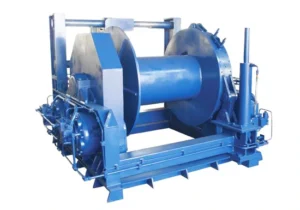


Gantry crane repair starts with identifying the fault and deciding whether the equipment must remain out of service. Hoist drift, unreliable braking, uncontrolled movement, or suspected structural damage require the crane to be stopped and secured under the site’s procedures. Repeatedly resetting a fault does not establish that the equipment is safe.
This guide explains the information to record, the work a qualified service team should assess, and the checks needed before operation resumes. Gantry crane repair is equipment-specific: a symptom can have several causes, and a remote description cannot confirm the condition of a brake, electrical circuit, or load-bearing structure.
Índice
Common Symptoms and What They May Indicate
The following gantry crane repair checks are starting points for qualified personnel, not instructions for operators to dismantle equipment or work on energized systems.
| Observed symptom | Possible areas to assess | Immediate response |
|---|---|---|
| Load drifts, or brake holds inconsistently | Brake components, actuation and control system | Stop lifting and follow the site procedure for securing the equipment |
| Hoist does not respond | Supply, controls, protection devices, motor or drive | Record the fault indication; do not bypass protection |
| Travel skews or wheels bind | Rail geometry, wheels, bearings and drive coordination | Stop affected movement and arrange assessment |
| Unusual noise or vibration | Bearings, couplings, gearing or loose connections | Report the location and operating conditions |
| Cracks, deformation or severe corrosion | Girders, legs, welds and connections | Keep the affected crane out of service pending structural assessment |
| Intermittent or unintended motion | Pendant, radio controls, wiring, contactors, or drive system | Stop use and prevent unauthorized operation |
These symptoms do not prove a particular cause. During gantry crane repair, technicians should compare findings with the actual drawings, component documentation, and maintenance history rather than replacing parts by assumption.
Separate Operator Reporting from Technical Diagnosis
Operators can record what happened, the load being handled, the direction of movement, and any displayed code. Record when the problem began and whether recent maintenance or a site change preceded it. Take photographs only from a safe position; do not recreate a hazardous fault for a video.
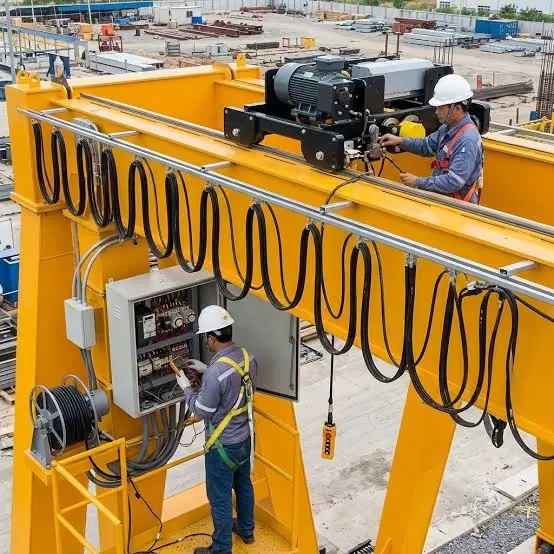
Before gantry crane repair begins, authorized personnel should establish the work boundary, isolate relevant energy sources, and control stored energy under the applicable procedure. Electrical testing that requires energy needs a separate approved method and suitably qualified personnel. De-energized inspection and energized testing are different activities.
If a load remains suspended, keep people clear and obtain a controlled recovery plan. Do not approach beneath the load or attempt an improvised release. The repair team must also account for unexpected movement of the trolley, bridge, legs, or other components.

A Practical Repair Workflow
1. Confirm the Fault and Its Extent
The first stage of gantry crane repair is an assessment that links symptoms to inspection findings. Review the nameplate, drawings, previous repairs, and operating conditions. Establish whether damage is confined to one component or has affected connected systems.
For example, wheel damage can accompany rail or drive problems. Replacing a wheel without checking the cause may leave the fault unresolved. Similarly, repeated protective trips require diagnosis rather than a larger protective setting.
2. Agree a Written Scope
A gantry crane repair quotation should identify the fault findings, proposed work, compatible parts, access requirements, and exclusions. It should distinguish immediate corrective work from optional modernization and routine maintenance.
Confirm the component specification, delivery lead time, and responsibility for installation. For load-bearing structural work, obtain an engineered disposition and any required procedures and inspection plan before welding, straightening, or changing connections.
3. Complete Repairs and Document Changes
Qualified personnel should carry out gantry crane repair to the approved scope and applicable instructions. Record replaced components, settings that are authorized to change, measurements, and inspection results. A visually similar replacement is not sufficient evidence of compatibility.
If obsolete controls require redesign, evaluate interfaces with brakes, limit devices, emergency stops, and the operating sequence. A modernization project can need additional engineering and validation beyond a like-for-like component replacement.
4. Return to Service After Gantry Crane Repair
Completing the mechanical or electrical work is only one part of gantry crane repair. Before release, establish the inspection and test requirements for the specific work, equipment, and jurisdiction.
- Check that the approved work is complete and the affected systems meet acceptance criteria.
- Reinstate guards and protective devices, remove tools and temporary equipment, and confirm the work area is clear.
- Complete required functional checks, inspections, and any prescribed tests under an approved plan.
- Record outstanding restrictions and obtain release from the authorized responsible person.
- Update operating information and brief affected personnel when the configuration or procedure has changed.
Do not specify a universal test load or assume every repair requires the same load test. Test requirements depend on the scope, manufacturer’s instructions, and applicable rules. Testing must not be used as an improvised way to discover whether an unresolved defect remains.
For U.S. equipment within its scope, OSHA 29 CFR 1910.179 addresses testing in paragraph (k) and maintenance in paragraph (l). It requires unsafe conditions to be corrected before operation resumes and guards and safety devices to be restored after repairs. Confirm local requirements and the standard’s applicability to the specific equipment.
Gantry Crane Maintenance to Prevent Equipment Failure
Gantry crane maintenance covers routine inspections, mechanical servicing, electrical checks, and maintenance records. The inspection schedule should follow the manufacturer’s requirements, crane duty class, operating conditions, and applicable regulations.
Daily or Pre-Shift Checks
- Wire ropes and hooks: Check for broken wires, deformation, cracks, and visible wear.
- Brakes and controls: Check brake operation, control buttons, emergency stops, and safety devices.
- Travel system: Observe wheel movement, rail condition, and power supply cables or conductor systems.
- Abnormal conditions: Report unusual noise, vibration, leakage, or irregular movement.
Periodic Mechanical and Electrical Maintenance
- Drive components: Inspect bearings, gearboxes, couplings, fasteners, and lubrication points. Service components according to the manufacturer’s instructions.
- Motors and brakes: Check motor condition, brake wear, electrical connections, and control circuits.
- Structural components: Inspect girders, supporting legs, welds, bolted joints, wheels, and rails for wear, corrosion, cracks, or deformation.
- Electrical systems: Examine panels, wiring, contactors, sensors, and limit switches for damage or loose connections.
Maintenance Records and Inspection Intervals
Maintain records of inspection results, reported faults, repairs, replaced parts, and service dates. Set inspection intervals according to equipment usage, duty classification, working environment, manufacturer recommendations, and statutory requirements. Cranes operating in heavy-duty cycles, dusty areas, or corrosive environments may require more frequent inspections.
Clear maintenance records provide a service history for fault diagnosis, component replacement planning, and future inspections. Use the gantry crane inspection checklist as background when organizing records. For a marine operating environment, see the shipbuilding gantry maintenance guide. Equipment-specific instructions and applicable requirements remain the basis for the work.
Gantry Crane Repair Service Options
Gantry crane repair services cover mechanical systems, electrical controls, hoisting equipment, structural components, and complete equipment overhauls. The service scope depends on the fault, component condition, crane design, and inspection results.
| Repair Service | Escopo | Suitable Situation |
|---|---|---|
| Mechanical Repair | Bearings, couplings, wheels, gearboxes, drive shafts, and brakes | Excessive wear, abnormal noise, vibration, or travel faults |
| Electrical Repair | Motors, wiring, contactors, control panels, sensors, and limit switches | Power failures, control faults, or irregular crane movement |
| Hoist System Repair | Hoist motors, gearboxes, wire ropes, sheaves, drums, and lifting components | Lifting failures, irregular hoisting, or damaged components |
| Brake System Repair | Brake linings, actuators, springs, and brake control circuits | Brake slippage, delayed engagement, or failure to release |
| Structural Repair | Structural assessment and approved repair of girders, legs, welds, and connections | Cracks, deformation, corrosion, or suspected structural damage |
| Component Replacement | Replacement of worn wheels, bearings, motors, brakes, ropes, and electrical parts | Components beyond acceptable wear limits or uneconomical to repair |
| Major Overhaul | Inspection and refurbishment of major mechanical, electrical, and hoisting systems | Extensive wear, aging equipment, or recurring failures |
| Modernization | Upgrades to selected drive systems, controls, motors, or electrical components | Obsolete controls, discontinued parts, or changed operating requirements |
In-House Maintenance vs. Professional Repair Services
In-house maintenance teams can perform routine inspections, record operating faults, and carry out authorized maintenance tasks. Repairs involving hoisting mechanisms, brakes, electrical controls, structural damage, or safety devices require qualified personnel with relevant technical experience.
For major repairs, request a written scope covering fault diagnosis, replacement parts, labor, testing, and commissioning requirements. Structural repairs and safety-critical work must follow the manufacturer’s requirements and applicable standards.
When Should You Repair or Replace Gantry Crane Components?
The decision to repair or replace gantry crane components depends on the extent of damage, repair cost, component availability, and remaining service life.
When Repair Is a Practical Option
- The fault is identified, and the damage is limited.
- The main structure and supporting systems remain serviceable after inspection.
- The component can be repaired or replaced with a compatible part.
- The repair cost is reasonable compared with replacement.
When Replacement or Major Overhaul Is Worth Considering
- Repeated component failures cause frequent downtime and rising maintenance costs.
- Severe wear or damage makes conventional repair unsuitable.
- Spare parts are unavailable, or the control system is obsolete.
- Changes in load capacity, duty cycle, or operating conditions require equipment upgrades.
Compare repair costs, downtime, spare parts availability, remaining service life, and inspection findings before making a decision. Cracks or deformation in load-bearing structures require assessment by a qualified engineer. Do not return the crane to service until safety-critical defects have been evaluated and resolved.
How to Choose a Gantry Crane Repair Service Provider
Select a gantry crane repair provider based on equipment experience, diagnostic capability, spare parts supply, technical qualifications, and service scope.
- Crane-Specific Experience: Check experience with the crane type, rated capacity, span, hoisting mechanism, and drive system.
- Fault Diagnosis: Request inspection records, fault analysis, and a written repair plan.
- Spare Parts Availability: Confirm part numbers, specifications, compatibility, and delivery lead times.
- Safety and Compliance: Verify personnel qualifications and the inspection and testing procedures required by the manufacturer and applicable regulations.
- Service Scope: Confirm whether the provider offers on-site inspection, component replacement, repair guidance, commissioning, and technical support.
Before signing the contract, clarify the repair scope, labor and parts costs, delivery schedule, testing requirements, documentation, and warranty terms. Check relevant certifications against the actual work and equipment involved. Do not rely on unverified service claims or certification statements when evaluating a provider.
Conclusão
WEIHUA specializes in crane design, manufacturing, customization, and project services for industrial material handling. Our team can discuss crane inspection, technical assessment, component replacement, and equipment renewal based on project requirements.
For a gantry crane repair inquiry, provide the crane model, rated capacity, span, lifting height, fault symptoms, operating environment, and site photos. These details support an initial technical assessment and service recommendation. For damaged components, recurring failures, or aging equipment, WEIHUA can evaluate the requirements for repair, replacement, or a customized crane solution.
Contact WEIHUA to discuss your crane repair or replacement project and request technical support.

FAQ
What are the most common gantry crane problems?
Common gantry crane problems include hoisting failures, motor faults, brake malfunctions, abnormal noise, uneven travel, electrical control faults, and structural cracks. Worn bearings, damaged wheels, misaligned rails, and deteriorated electrical components are common inspection points.
How do you know when a gantry crane needs repair?
Warning signs include unusual noise or vibration, irregular lifting, travel deviation, brake failure, electrical interruptions, and visible cracks or deformation. Stop operation if a fault affects braking, lifting, structural integrity, or another safety-critical function. Arrange an inspection before returning the crane to service.
How often should a gantry crane be inspected and maintained?
Inspection and maintenance intervals depend on the manufacturer’s instructions, crane duty classification, operating frequency, working environment, and applicable regulations. Operators should conduct required pre-use checks, while qualified personnel perform periodic inspections and scheduled maintenance according to the applicable requirements.
What causes a gantry crane to stop lifting?
Possible causes include power supply failure, a faulty hoist motor, brake problems, damaged wiring, control circuit faults, or a malfunctioning hoisting mechanism. A qualified technician should inspect the electrical and mechanical systems to identify the cause.
Why does a gantry crane move unevenly on its rails?
Uneven travel can result from rail misalignment, wheel wear, damaged wheel bearings, drive motor imbalance, or faults in the transmission system. Inspect the wheels, rails, drive components, and relevant alignment measurements to locate the problem.
Can a damaged gantry crane be repaired, or should it be replaced?
Repair is suitable when the damage is within acceptable repair limits, and the affected components can be restored to a safe operating condition. Replacement or major overhaul may be appropriate when damage is extensive, failures recur, spare parts are unavailable, or repair costs are high. Structural damage requires professional assessment.
What factors affect gantry crane repair costs?
Repair costs depend on the fault type, damaged components, replacement part prices, labor requirements, site accessibility, downtime, and testing or commissioning requirements. Structural repairs and major drive system overhauls may require additional engineering assessment and specialized work.
How long does gantry crane repair take?
Repair time depends on fault severity, equipment accessibility, spare parts availability, and the scope of work. Minor component repairs may take hours, while major mechanical, electrical, or structural repairs can require several days or longer. A reliable schedule requires an inspection and a defined repair scope.