








Índice
Introduction
Steel plants operate in demanding environments where cranes must handle heavy loads, high temperatures, dust, and continuous operation. A Steel Plant Crane is specially designed for steel production processes such as molten steel handling, billet transportation, and steel coil movement. Compared with standard overhead cranes, steel plant cranes require stronger structures, higher safety standards, and more reliable components to meet the challenges of steel manufacturing.
I will introduce the key factors for selecting a suitable Steel Plant Crane, including crane types, lifting capacity, working conditions, safety features, and customization options. By understanding these aspects, you can choose a crane solution that matches your steel plant’s production requirements and improves long-term operating performance.
What Is a Steel Plant Crane?
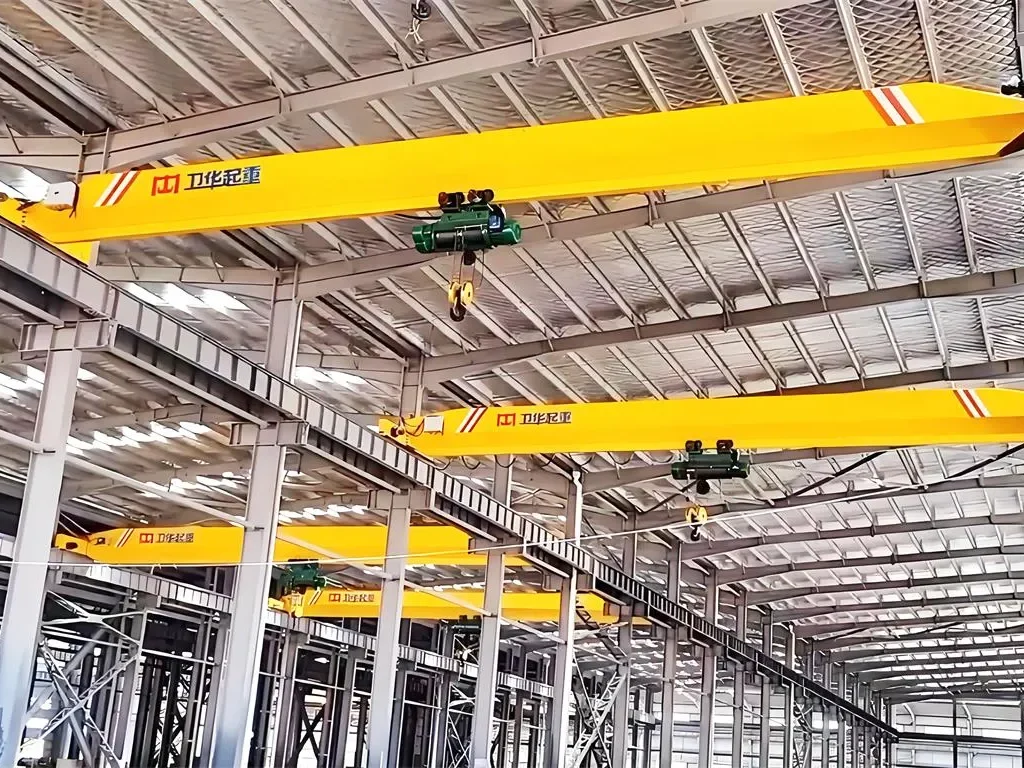
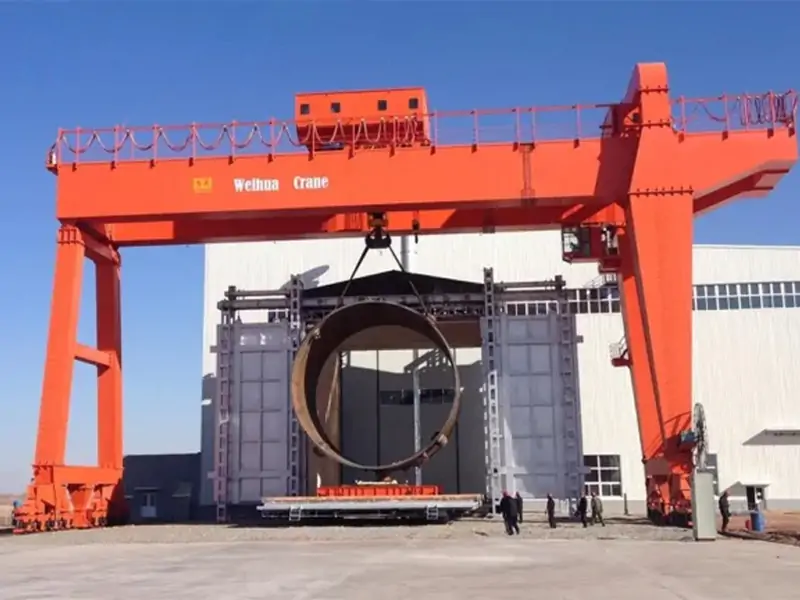
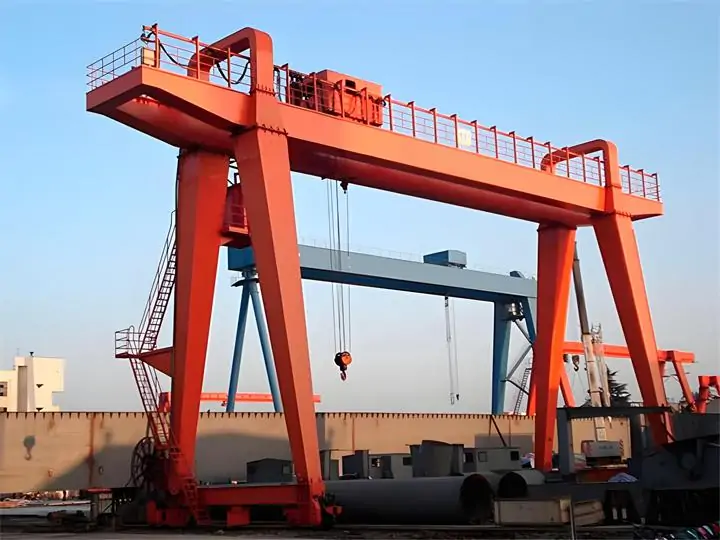
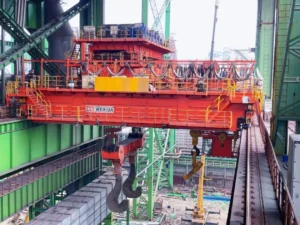
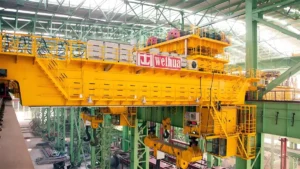
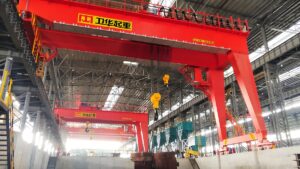
A Steel Plant Crane, also known as a steel mill crane or metallurgical crane, is a heavy-duty overhead lifting system designed for steel production environments. It is used for handling molten steel, steel slabs, billets, coils, and heavy equipment in areas with high temperatures, heavy loads, dust, and continuous operation. Compared with standard overhead cranes, it features stronger structures, higher safety requirements, and specialized components for steel manufacturing applications.
Steel plant cranes are built with welded box-section girders, heavy-duty trolley systems, and reliable hoisting mechanisms to support stable lifting under demanding conditions. Heat-resistant protection, reinforced electrical systems, and safety devices help the crane operate reliably in environments affected by radiant heat, dust, and thermal stress.
Different steel production processes require different crane designs, including ladle cranes for molten steel handling, charging cranes for furnace loading, and slab or coil handling cranes for material transportation. These cranes are widely used in steel mills, foundries, and rolling plants
To learn more about metallurgical overhead cranes, see the article: What Is a Metallurgical Overhead Crane? Applications in Steel and Aluminum Plants
Why Are Special Cranes Required in Steel Plants?
Steel plants need dedicated cranes because normal industrial cranes cannot handle the heat, load, and working conditions in steel production. Steel Plant Cranes are built for high-temperature areas, heavy lifting, and continuous operation in steel mills.
- High Temperature Resistance: Steel production areas are exposed to heat from furnaces, casting lines, and hot steel materials. Operating temperatures can exceed 60°C. Steel plant cranes use heat insulation structures and heat-resistant cables to protect the crane structure and electrical system.
- Heavy-Duty Operation: Steel plants run continuously, and cranes often work under heavy loads for long periods. Steel plant cranes are designed for A7–A8 duty class (FEM 4m–5m) to handle frequent lifting tasks.
- Molten Metal Safety: Ladle lifting involves molten steel and requires strict safety control. Steel plant cranes use dual braking systems, overload protection devices, and safety monitoring systems for ladle handling operations.
- Dust and Corrosion Protection: Steel production environments contain dust, heat, and corrosive gases. Steel plant cranes use protected electrical cabinets, IP54-rated components, and cooling systems for harsh working areas.
- Special Lifting Attachments: Steel plant cranes can be equipped with ladle hooks, lifting beams, electromagnetic chucks, and clamps. These attachments are used for molten steel transport, furnace charging, billet handling, and other steel production processes.
Steel Plant Cranes are used in steel mills for handling molten metal, steel materials, and heavy equipment under high-temperature and heavy-load conditions. Their reinforced structure, safety design, and specialized components match the requirements of continuous steel production.
For details on the applications of metallurgical overhead cranes, see the article: Metallurgical Overhead Cranes | Specialized Cranes for Steel & Aluminum Plants
Metallurgical cranes differ significantly from standard overhead cranes. For details, see: Metallurgical Crane vs. Standard Overhead Crane: Key Differences Explained
Types of Steel Plant Cranes
Steel plants use different types of cranes for specific production processes, from molten steel handling and furnace charging to slab transfer and material storage. Each crane type has different load capacity, working class, and lifting equipment based on the operating requirements.
Ladle Crane
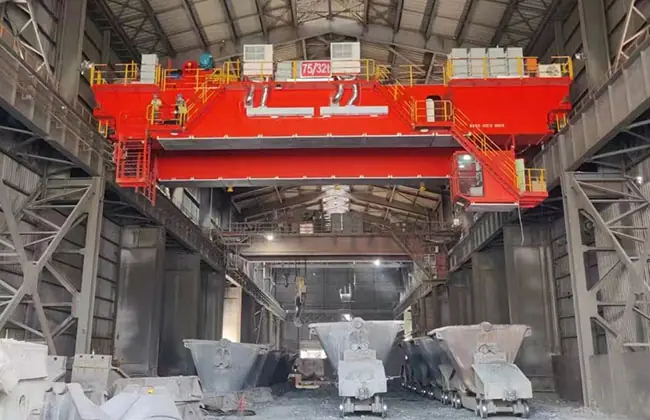
Ladle cranes are used in steelmaking workshops to transport molten steel ladles in converter, electric furnace, and continuous casting processes. The crane structure includes heat protection design and safety systems for high-temperature lifting operations.
- Lifting Capacity: 75–320 tons
- Working Class: A7–A8
- Operation: 24/7 Continuous Working
- Application: Molten Steel Handling
Slab/Billet Handling Crane
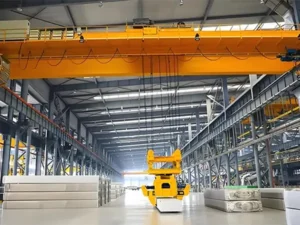
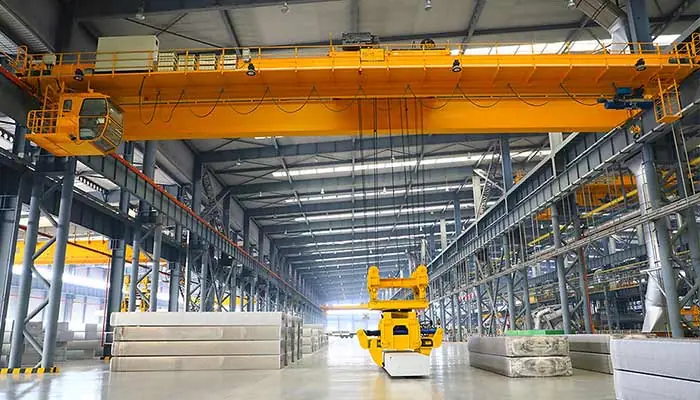
Slab and billet handling cranes are used in continuous casting and rolling areas to transfer hot slabs and billets between production lines, storage yards, and mills. The crane is equipped with dedicated clamps for lifting and positioning steel materials.
- Lifting Capacity: 20–100 tons
- Working Class: A6–A8
- Application: Hot Slab and Billet Transfer
- Attachment: Clamp Lifting Device
Charging Crane
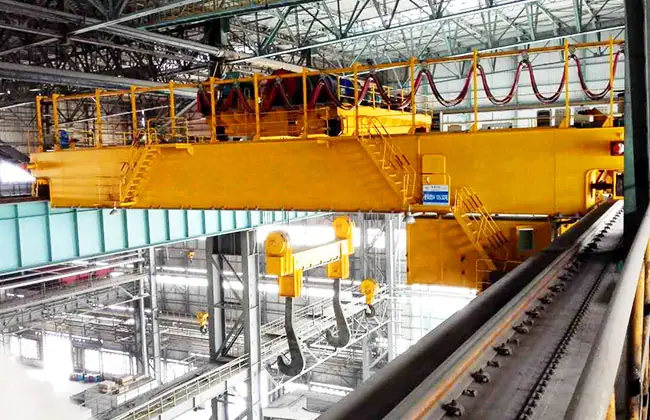
Charging cranes are installed in converter and electric furnace areas for loading scrap steel, iron materials, and charging buckets. They work under high temperatures, dust, and frequent lifting conditions.
- Lifting Capacity: 20–110 tons
- Working Class: A6–A8
- Application: Furnace Charging
- Working Condition: High Temperature Environment
Electromagnet Crane
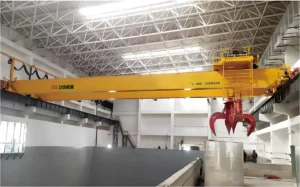
Electromagnet cranes use magnetic chucks to lift scrap steel, billets, and steel products. High-temperature models are used for handling hot materials below 700°C in steel production areas.
- Capacidade de elevação: 5–50 toneladas
- Material Temperature: ≤700°C
- Application: Scrap and Steel Material Handling
- Attachment: Electromagnetic Chuck

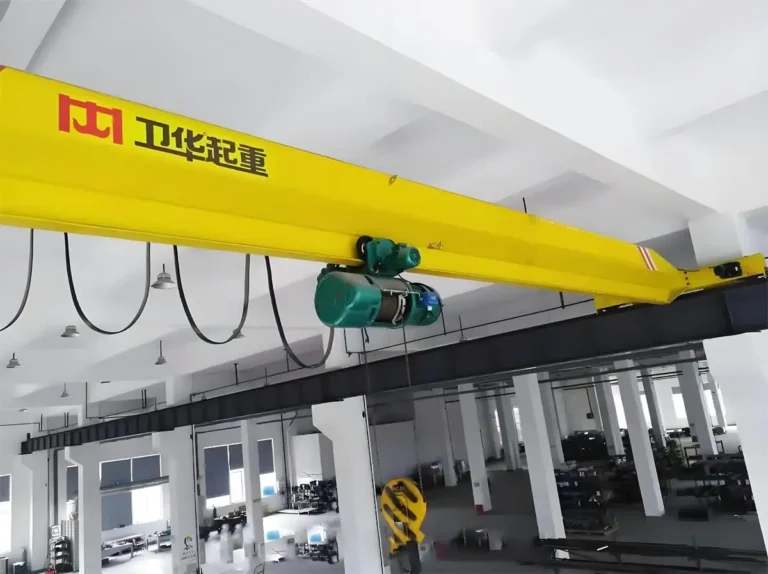
LDY Metallurgical Single Girder Crane
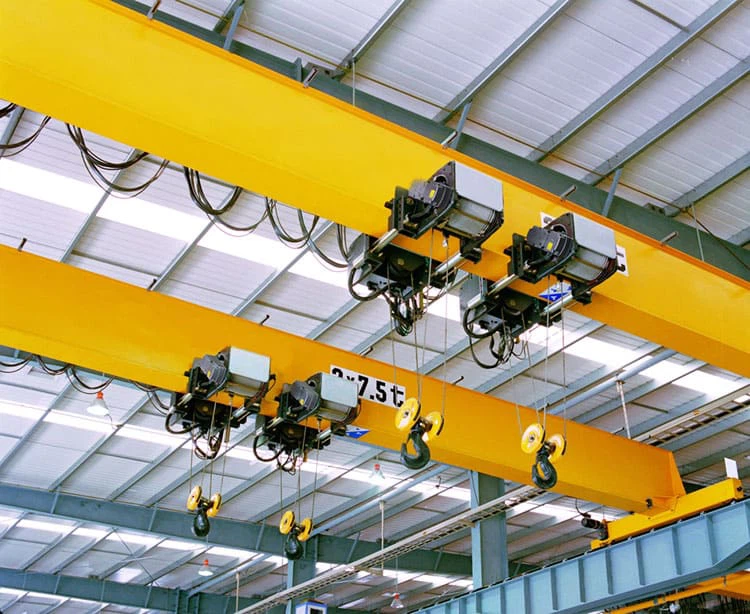
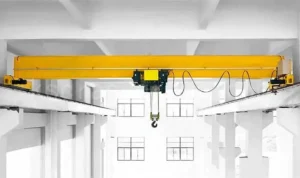
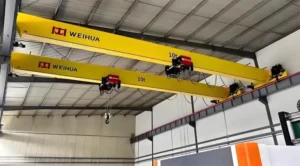
LDY metallurgical single girder cranes are used in small casting workshops and auxiliary production areas. They are equipped with metallurgical electric hoists and heat-resistant protection for steel plant environments.
- Lifting Capacity: 2–10 tons
- Span: 18–36 m
- Working Class: A6
- Temperature Range: -10°C to +60°C
Factors for Steel Plant Crane Selection
Steel plant crane selection depends on lifting requirements, production conditions, safety standards, and operating costs. The crane design needs to match the steel production process and working environment.
Load Capacity and Working Class
The lifting capacity is selected according to the weight of molten steel, slabs, billets, coils, and other materials. Steel plant cranes usually require high working classes for continuous operation.
| Selection Item | Options |
|---|---|
| Capacidade de Elevação | 75–320 tons; Heavy-duty models up to 600 tons |
| Classe trabalhadora | A6; A7; A8 |
| Classe FEM | 3m; 4m; 5m |
| Operation Type | Continuous production / Intermittent operation |
Heat Protection Design
Steel plants have high heat radiation from furnaces, molten metal, and casting equipment. Heat-resistant structures and components are required for crane operation.
| Protection Item | Options |
|---|---|
| Main Girder Protection | Heat insulation layer / Heat-resistant structure |
| Electrical Cable | Heat-resistant silicone rubber cable |
| Electrical System Cooling | Industrial cooler / Water cooling |
| Application Temperature | 60°C+ High Temperature Environment |
Safety System and Failure Protection
Molten metal lifting requires reliable safety devices to control risks during operation.
| Safety Item | Options |
|---|---|
| Braking System | Dual braking system |
| Protection Device | Overload limiter / Height limiter |
| Sistema de Controle | Manual control / Remote control / Automatic control |
| Safety Standard | JB/T 7688.1-2008 Metallurgical Crane Standard |
Crane Structure and Main Girder Selection
The crane structure depends on lifting capacity, workshop layout, and production requirements.
| Tipo de Estrutura | Aplicação |
|---|---|
| Single Girder Crane | Auxiliary lifting and small load handling |
| Double Girder Crane | Steel production material handling |
| Four Girder Crane | Heavy lifting above 200 tons |
| Design Parameter | Selection Range |
|---|---|
| Span | Customized according to workshop layout |
| Altura de elevação | Based on production process |
| Main Girder Material | High-strength steel with good weldability |
Process-Specific Crane Functions
Different steel production processes require different crane designs and lifting devices.
| Aplicação | Suitable Crane Type |
|---|---|
| Molten Steel Transport | Ladle Crane |
| Furnace Charging | Charging Crane |
| Hot Slab/Billet Handling | Clamp Crane |
| Mold Removal | Stripper Crane |
| Scrap Handling | Electromagnet Crane |
Electrical System Protection
Steel plant cranes operate in areas with dust, heat, and corrosive gases. Electrical protection affects crane reliability.
| Protection Item | Selection Options |
|---|---|
| Electrical Cabinet | IP54 or Higher |
| Cooling Method | Water Cooling / Positive Pressure Cooling |
| Gear System | Hardened Alloy Steel Gear |
| Lubrication System | Oil Bath Lubrication / Forced Lubrication |
Manufacturer Capability and Life Cycle Cost
The supplier’s manufacturing experience and service capability affect crane operation costs and maintenance efficiency.
| Evaluation Item | Selection Standard |
|---|---|
| Manufacturing Experience | Metallurgical Crane Production Experience |
| Project Reference | Steel Plant Application Cases |
| Service Support | Installation / Maintenance / Spare Parts |
| Cost Evaluation | Purchase Cost + Operation Cost + Maintenance Cost |
A suitable Steel Plant Crane needs to match the lifting load, production process, and working environment. Proper selection helps maintain stable operation in steel manufacturing plants.
Steel Plant Crane Customization Options
- Lifting Capacity: 5–600 tons
- Crane Structure: Single Girder / Double Girder / Four Girder
- Span: Customized according to workshop layout
- Lifting Height: Customized based on production requirements
- Working Class: A5–A8
- Power Supply: Cable Reel / Busbar / Customized Power System
- Control System: Cabin Control / Remote Control / Automatic Control
- Lifting Attachment: Ladle Hook / Slab Clamp / Electromagnetic Chuck / C-Hook
- Operating Environment: High Temperature / Dusty / Corrosive Conditions
- Safety System: Overload Protection / Anti-Collision System / Monitoring System
Steel Plant Cranes are customized according to the lifting load, workshop conditions, production process, and required crane functions.
Obtenha uma Cotação Personalizada Agora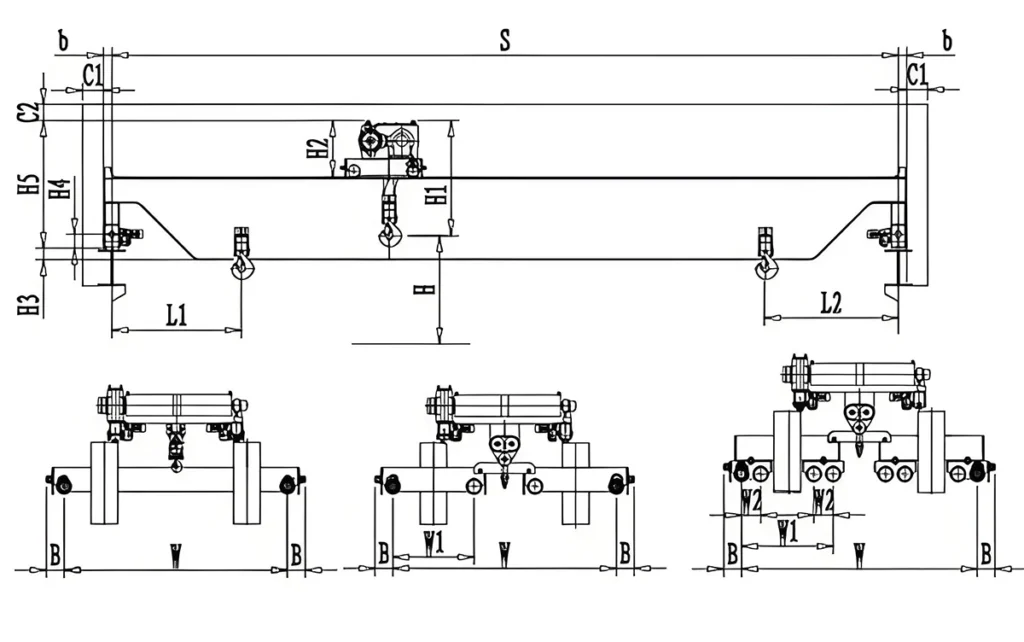
Common Mistakes When Choosing a Steel Plant Crane
1. Choosing Only by Price — A low purchase price does not always mean lower operating costs. Poor-quality components and unsuitable designs may increase maintenance work and production downtime.
2. Ignoring Working Conditions — Steel plants have high temperatures, heavy dust, and continuous operation. Standard cranes may fail when they are used in harsh steel production areas.
3. Incorrect Capacity Selection — The crane capacity needs to match the weight of molten steel, slabs, billets, or other materials. Incorrect capacity selection affects lifting safety and production operation.
4. Selecting the Wrong Working Class — Steel plant cranes often require A7–A8 working class for frequent lifting tasks. A lower working class crane may not withstand long-term heavy-duty operation.
5. Using the Wrong Lifting Attachment — Ladles, slabs, coils, and scrap steel require different lifting devices. The wrong attachment affects handling safety and production efficiency.
6. Ignoring Manufacturer Experience — Steel plant cranes require specialized design and manufacturing experience. A supplier without steel industry project experience may not provide suitable crane solutions.
Steel Plant Crane Maintenance Tips
- Inspect Key Components Regularly: Check the wire ropes, hooks, brakes, wheels, and structural parts to identify wear, cracks, or damage before operational problems occur.
- Maintain Electrical Systems: Inspect cables, control cabinets, motors, and protection devices regularly. Keep electrical components clean and protected from heat, dust, and corrosion.
- Check Hoisting and Braking Systems: Test the hoisting mechanism and brake performance to maintain safe lifting operations, especially for molten metal handling cranes.
- Lubricate Moving Parts: Apply suitable lubricants to gears, bearings, wheels, and other moving components according to the maintenance schedule.
- Inspect Heat Protection Components: Check heat insulation layers, heat-resistant cables, and cooling systems in high-temperature areas to maintain crane performance.
- Replace Worn Parts Timely: Replace damaged wire ropes, brake pads, electrical components, and other worn parts to reduce unexpected downtime.
- Keep Maintenance Records: Record inspections, repairs, and replacement history to track crane condition and plan future maintenance work.
For a detailed maintenance checklist for cranes, see the article: How To Inspect EOT Crane: Complete Inspection Checklist & Maintenance Guide
Conclusão
Steel Plant Cranes are essential equipment for steel production, covering applications such as molten steel handling, slab transfer, furnace charging, and material storage. Crane selection requires consideration of lifting capacity, working class, operating environment, safety requirements, and production needs.
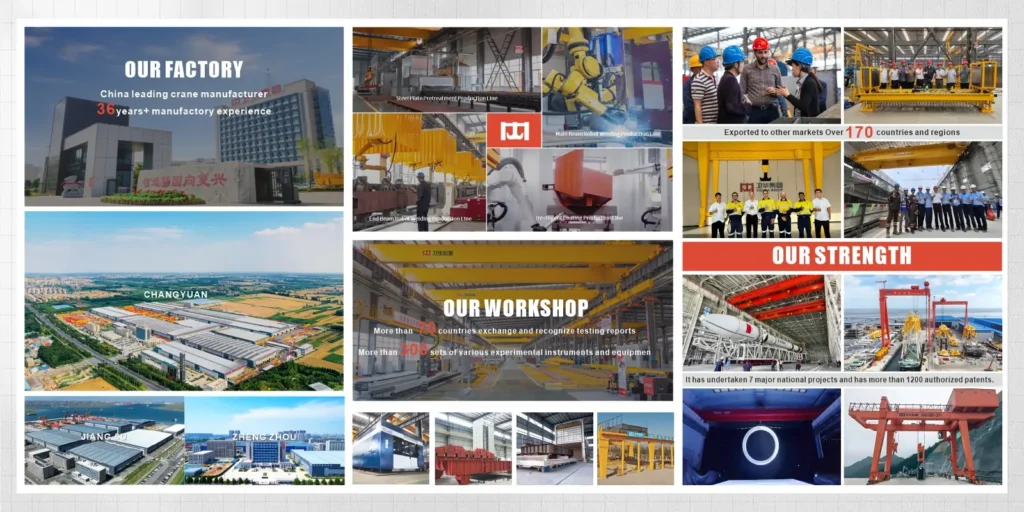
WEIHUA provides customized Steel Plant Crane solutions for steel mills and metallurgical applications, offering suitable crane designs for different working conditions. Contacte-nos for professional crane solutions based on your steel production requirements.
FAQ
What is a steel plant crane?
A Steel Plant Crane is a heavy-duty overhead crane designed for steel production areas. It is used for handling molten steel, slabs, billets, coils, and other heavy materials under high-temperature and continuous working conditions.
What type of crane is used in steel plants?
Common steel plant cranes include ladle cranes, charging cranes, slab and billet handling cranes, electromagnetic cranes, stripper cranes, and general overhead cranes. The suitable type depends on the production process and material handling requirements.
Can steel plant cranes lift molten steel?
Yes. Ladle cranes are specially designed for molten steel handling. They use heat-resistant structures, safety braking systems, and specialized lifting devices for transporting steel ladles.
What lifting capacity do steel plant cranes have?
Steel plant cranes typically have lifting capacities from 5 tons to more than 500 tons. Ladle cranes used for steelmaking processes commonly range from 75 to 320 tons.
What is the difference between a steel plant crane and a standard overhead crane?
Steel plant cranes are designed for high-temperature, heavy-load, and continuous operation. They use heat protection, higher working classes, stronger structures, and specialized safety systems compared with standard overhead cranes.
How do I choose the right steel plant crane?
The selection depends on lifting capacity, material type, working temperature, duty cycle, workshop layout, lifting height, and required attachments. The crane design should match the specific steel production process.
Are steel plant cranes customizable?
Yes. Steel plant cranes can be customized in lifting capacity, crane structure, span, lifting height, control system, power supply, safety devices, and lifting attachments according to plant requirements.
How long does a steel plant crane last?
A steel plant crane can typically operate for 20 years or more with proper design, regular maintenance, and correct operation. Service life depends on working conditions, duty class, maintenance quality, and component performance.