








Índice
Introduction
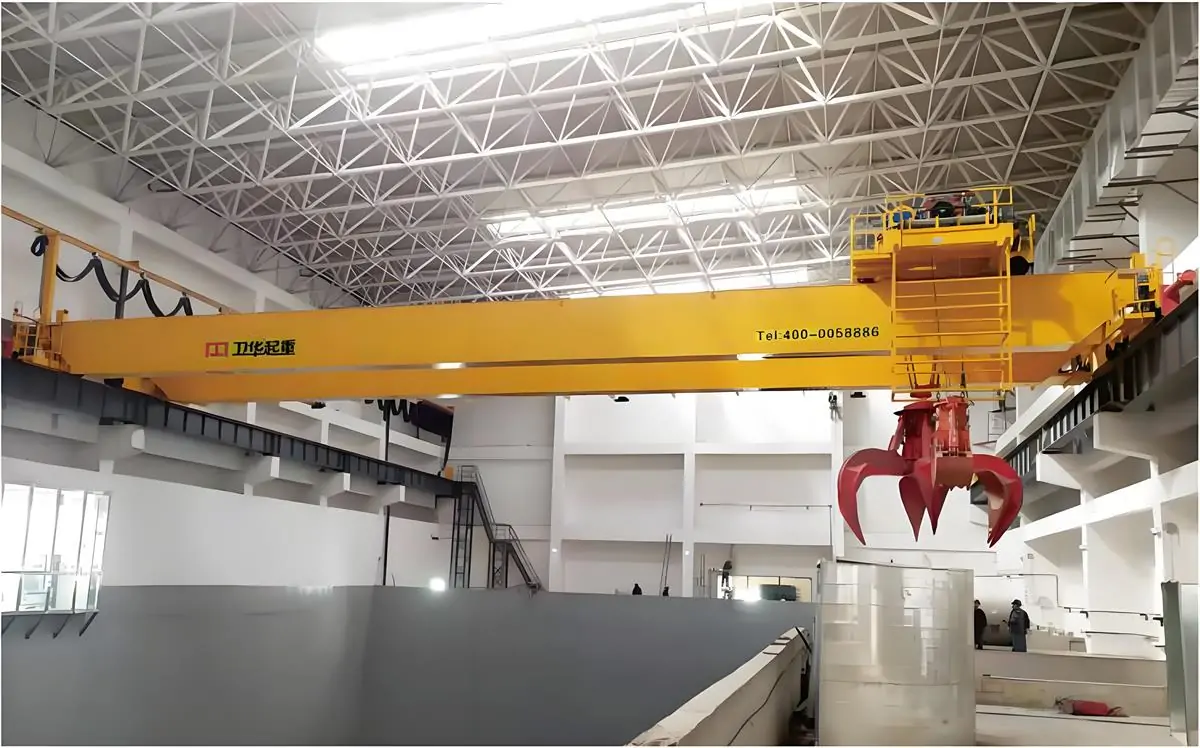
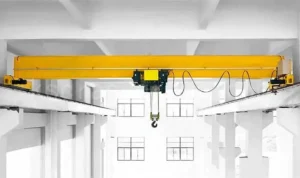
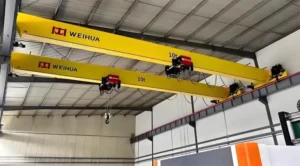
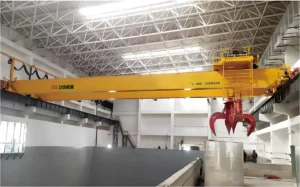
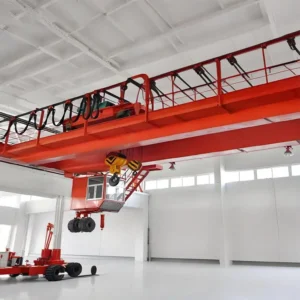
In many industrial facilities, the EOT crane runs as a core part of daily lifting operations. It moves heavy materials across production lines and supports continuous workflow in workshops, steel plants, and warehouses. Because it operates most of the time reliably, it is often assumed that it requires minimal attention. In practice, even small issues such as wire rope wear, brake response changes, or electrical faults can affect safety and production efficiency. Regular inspection is therefore a basic requirement, not an optional task.
The inspection procedures in this guide are consistent with the requirements of TSG 51-2023 Safety Technical Regulation for Lifting Appliances. This article explains how to inspect EOT crane in a structured way, including inspection intervals, daily to annual checklists, key components that require attention, common failure points, and a practical preventive maintenance plan.

Frequency of Inspect EOT Cranes
Frequency of inspect EOT cranes in relation to safety performance and daily operating conditions. Different duty classes (A3–A6) mean different working intensities, so inspection intervals also change accordingly. Standards such as OSHA, ISO, and internal factory rules are usually used as a reference to set minimum safety requirements and avoid potential risks during operation.
Daily Pre-Operation Checks
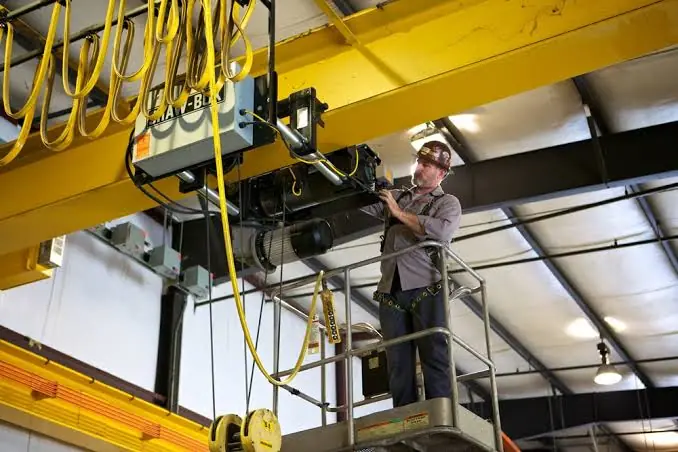
How to inspect EOT Crane starts with the daily pre-operation inspection of an EOT (electric overhead travelling) crane. Operators perform visual and functional checks before each shift or after long idle periods. Inspection records are kept for traceability and compliance.
- Control system: Check that all controls respond correctly, including push buttons, wireless remote, and cabin controls. Test lifting, lowering, trolley travel, and bridge travel.
- Safety devices: Test the upper limit switch at the start of each shift to confirm power cut-off at the limit position. Check emergency stop and overload protection functions.
- Structure and lifting tools: Inspect main girder, end beams, and structural parts for deformation, cracks, or corrosion. Check the hook for cracks or deformation. Inspect wire rope for broken strands, wear, or twisting.
- Mechanical and electrical parts: Check for loose bolts. Check the motor, gearbox, and electrical system for abnormal heating. Look for oil leakage at the gearbox or seals. Check wiring for damage or exposed conductors.
- Environment and rails: For outdoor cranes, check rails and surfaces for water, snow, or ice. Remove debris from the track that may affect crane or trolley movement.
These checks reduce the risk of breakdown and unsafe operation.
Weekly Inspection of EOT Cranes
Weekly inspection focuses on components that may not show issues in daily checks but can develop hidden faults during continuous operation.
| Inspection Item | Check Points |
|---|---|
| Wire Rope & Lifting System | Check wire rope wear, broken strands, corrosion, hook, and pulley condition. |
| Brake System | Test brake performance, load holding, and brake components. |
| Electrical System & Safety Devices | Check cables, collectors, limit switches, emergency stop, and overload protection. |
| Structural Parts & Rail System | Inspect girders, welds, bolts, rails, and wheels for damage or wear. |
| Lubrication System | Check lubrication points and add grease when required. |
| Cleaning Condition | Remove dust, oil, and debris from mechanical and electrical parts. |
This weekly inspection process reduces failure risk and extends crane service life.nd supporting stable EOT crane operation.
Monthly Inspection of EOT Cranes
Monthly inspection covers deeper wear, alignment issues, and safety system stability that are not fully captured in weekly checks.
| Inspection Item | Check Points |
|---|---|
| Hook & Chain System | Check hook cracks, deformation, throat opening, and chain wear or elongation. |
| Wire Rope & Pulley System | Inspect wire rope wear, broken wires, corrosion, pulley rotation, and groove condition. |
| Brake System | Test brake holding performance and check brake surface condition and response. |
| Electrical System & Safety Devices | Check limit switches, emergency stop, overload protection, cables, and collector system. |
| Structural Parts & Rail System | Inspect girders, welds, bolts, rails, wheels, and travel conditions. |
| Lubrication & Cleaning | Check lubrication points, add grease when needed, and remove dust or debris. |
| Inspection Record & Action | Record inspection details, identify defects, and arrange maintenance actions. |
Monthly inspection helps detect long-term wear and hidden faults, reducing downtime and supporting stable EOT crane operation.
Annual Inspection of EOT Cranes
Annual inspection is the most complete evaluation of an EOT crane. It is carried out by certified inspectors or third-party agencies. Check long-term structural condition, mechanical wear, electrical safety, and load capacity after extended operation.
- Inspection Scope:
Covers all items from daily, weekly, and monthly inspections with stricter standards and measurement-based evaluation.
Requires specialized tools such as ultrasonic testing, magnetic particle inspection, and laser alignment equipment. - Structural Integrity:
Focus on main girder deflection, weld fatigue, and permanent deformation.
Check end beams, joints, and high-stress areas for cracks and structural fatigue using NDT methods. - Mechanical System:
Inspect wire rope for wear, diameter reduction, and broken wires along the full length.
Check hook deformation, wheel wear, rail alignment, brake system condition, and gearbox wear. - Electrical System:
Test insulation resistance of motors, cables, and electrical components.
Check grounding resistance, control cabinet condition, contactors, relays, and power circuits. - Dispositivos de segurança:
Verify overload limiter calibration and response at rated thresholds.
Test limit switches, emergency stop system, and anti-collision devices for correct function. - Load Testing:
Static load test at 125% rated capacity for structural check.
Dynamic load test at 110% rated capacity for full operational performance. - Inspection Report:
Includes equipment data, inspection results, measured values, and defect records.
Provides maintenance recommendations and determines whether equipment can return to service after review.
Annual inspection covers the full structural, mechanical, electrical, and load performance of an EOT crane. It provides final verification of long-term operating condition and safety level, reducing downtime and supporting stable EOT crane operation.
Mandatory Inspection Items for the EOT Crane
Inspect EOT crane focuses on several core systems that directly affect lifting safety and daily operation. These points cover mechanical, electrical, and structural parts where wear or failure is most likely to occur during long-term use.
1. Hook System — Deformation, wear, safety latch condition.
2. Wire Rope — Broken strands, corrosion, lubrication state.
3. Hoist Mechanism — Motor performance, gearbox condition, drum wear.
4. Brake System — Holding capacity, response time, surface condition.
5. Electrical System — Control panel, wiring, pendant, or remote control.
6. Runway & Structure — Beam alignment, fatigue, welding points, rail condition.
Regular checks on these key areas reduce equipment faults and support stable crane operation in industrial environments.
To learn about the functions and operating principles of each component, read the article: “Overhead Crane Working Principle: Components, Motion & Operating Process”
Common Problems and Maintenance Methods
How to inspect EOT Crane includes identifying common faults and applying proper maintenance methods during routine checks. Most issues develop over time in wire ropes, brakes, motors, electrical contacts, gearbox seals, and runway alignment. Regular inspection and timely maintenance reduce unexpected downtime and equipment failure.
| Problem | Maintenance Method |
|---|---|
| Wire rope wear and breakage | Inspect daily for broken strands, corrosion, and deformation. Replace when wear exceeds standard limits and keep proper lubrication. |
| Brake failure | Check brake lining wear and contact condition. Adjust spring force and test load holding regularly. |
| Motor overheating | Avoid overload operation, clean cooling fins, and check insulation resistance on schedule. |
| Hook deformation | Inspect throat opening and stress zones. Replace if cracks or permanent deformation appear. |
| Electrical contact failure | Check wiring tightness, contactors, and connectors. Replace worn components and prevent moisture or dust intrusion. |
| Gearbox leakage | Inspect seals and oil level. Tighten joints and replace oil regularly to maintain lubrication stability. |
| Runway misalignment | Check rail level and joint gaps. Adjust alignment and inspect wheel wear to prevent uneven travel. |
Most EOT crane problems can be controlled through routine checks, correct adjustment, and scheduled part replacement. A consistent maintenance approach helps reduce the fault rate.
Maintenance Plan
· Set inspection schedule based on duty class (A3–A6) and operating load.
· Train operators with certification for operation and basic checks.
· Keep daily inspection records for tracking and reference.
· Apply lubrication control and monitor wear parts.
· Carry out monthly mechanical audits on key components.
· Conduct annual load testing with certified procedures.
When Should You Repair or Replace an EOT Crane?
- Structural cracks in the main girder, end beam, or load-bearing welds
- Repeated brake failure or unstable braking performance
- Motor overheating or frequent insulation faults
- Gearbox damage, severe leakage, or abnormal noise
- Wire rope wears beyond the allowable limit or experiences frequent breakage
- Hook deformation, cracks, or excessive opening deformation
- Electrical system failures that recur after repair
- Runway misalignment causes abnormal wheel wear or travel issues
When multiple issues occur at the same time or repairs no longer restore stable operation, replacement or major refurbishment is required.
Conclusão
Inspect EOT Crane covers daily checks, periodic maintenance, fault handling, and long-term condition monitoring. A structured inspection routine helps reduce unexpected failures, control downtime, and support stable lifting operations in industrial use.
Equipment design and manufacturing quality also influence maintenance performance. WEIHUA provides overhead crane solutions with inspection-friendly structures and long service life considerations. For inspection support or customized crane solutions, you can Contate-nos for further details.

Perguntas frequentes
How often should an EOT crane be inspected?
Daily checks + monthly inspection + annual certified inspection.
Who can inspect an EOT crane?
Operators for daily checks, certified technicians for annual inspections.
What is included in a crane safety inspection?
Hook, wire rope, brakes, electrical system, and structural components.
What happens if inspection is ignored?
Increased risk of accidents, downtime, and equipment failure.
Is load testing required every year?
Yes, for most industrial compliance standards.
What is the most important part to check on an EOT crane?
Wire rope, brakes, and hook condition are the main focus areas during inspection.
What causes most EOT crane failures?
Wear of mechanical parts, electrical faults, and lack of regular maintenance.
Can an EOT crane operate if a minor defect is found?
It depends on the defect type. Safety-related issues should be repaired before continued use.