





Índice
Introdução
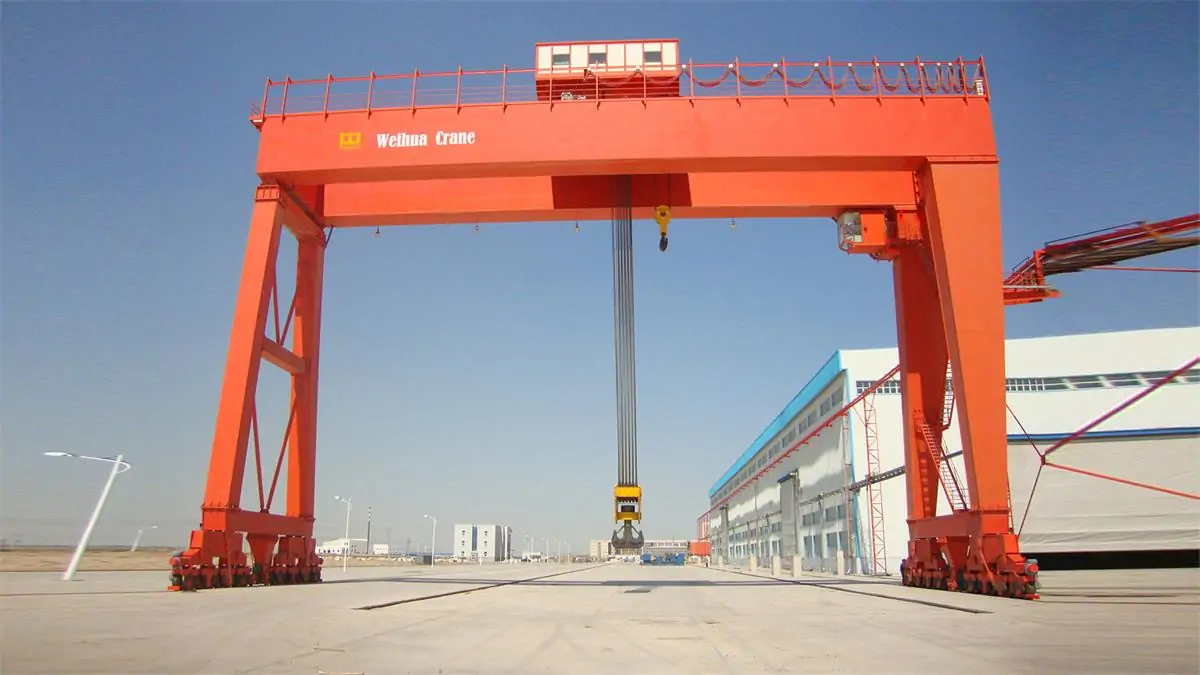
Where Would You Most Likely Use an Overhead Gantry Crane? It is commonly used in manufacturing plants, steel fabrication facilities, equipment assembly workshops, construction yards, and outdoor storage areas. It handles heavy materials, machinery, steel components, precast concrete elements, and other loads that require controlled lifting and horizontal movement. Its applications depend on the load dimensions, lifting capacity, available working space, and material handling requirements.
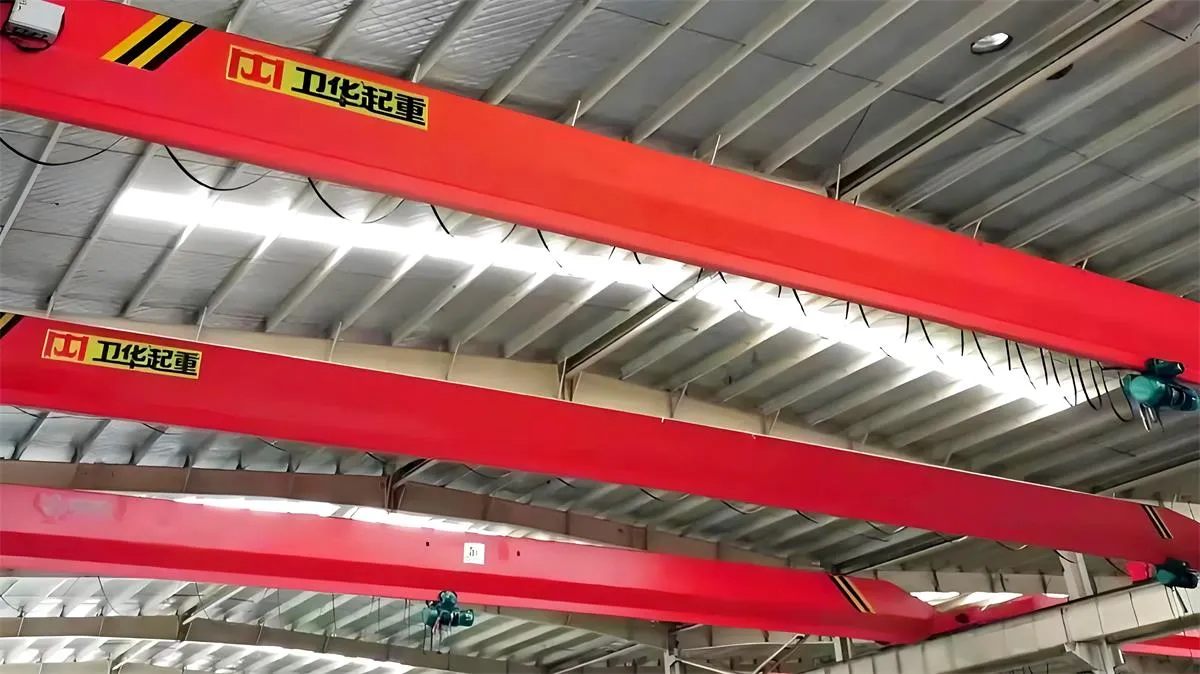
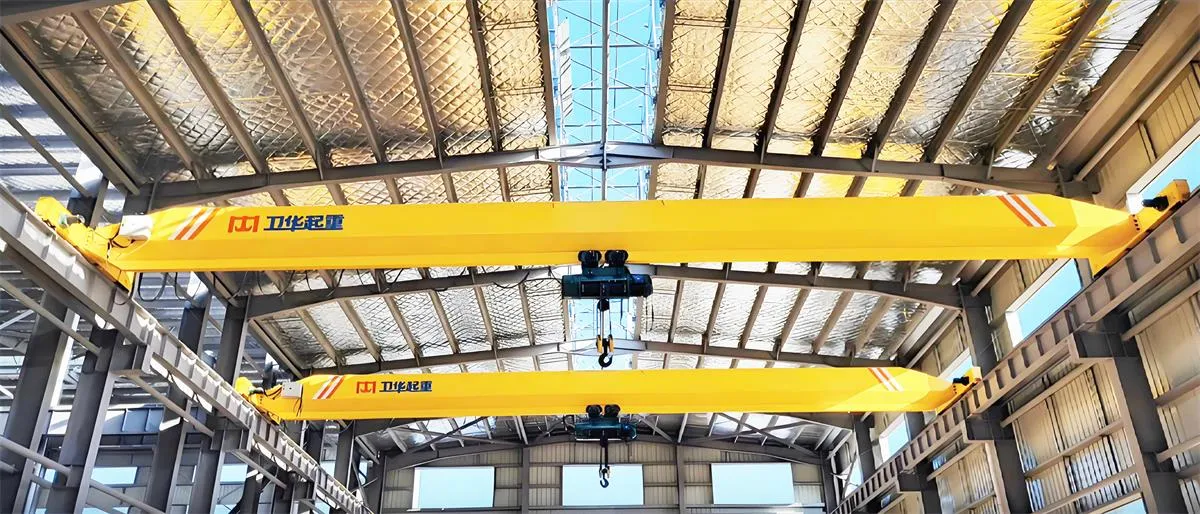
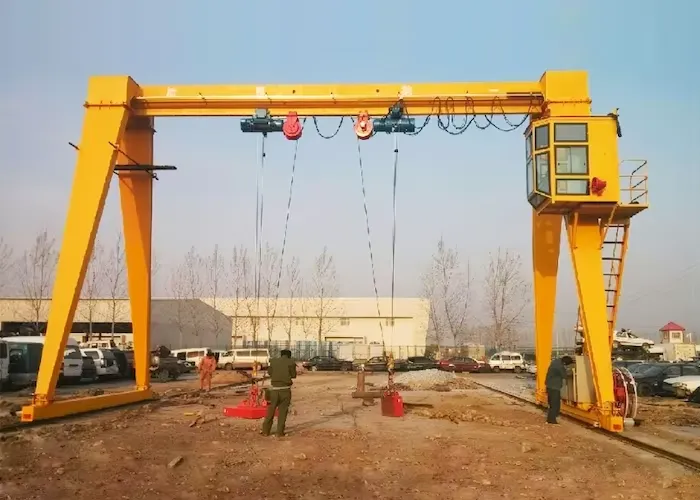
This article focuses on gantry cranes with a main girder supported by legs that travel on fixed rails or wheels. Unlike an overhead bridge crane, which runs on elevated runway rails, a gantry crane is supported by its own leg structure. Indoor and outdoor configurations are available for different site layouts, ground conditions, and lifting tasks.
Where Would You Most Likely Use?
Um overhead gantry crane suits a repeatable handling route: lifting a component from a production bed, moving it across a work bay and placing it on a truck or assembly stand. Its value depends on whether the load, travel path and site support match the equipment.
| Setting | Load and task | Main selection issue |
|---|---|---|
| Manufacturing and assembly | Machinery, tooling and fabricated assemblies | Hook coverage, headroom and floor space |
| Steel fabrication | Plates, beams and welded structures | Load length, lifting points and attachment weight |
| Storage and loading yards | Steel stock, machinery and bulky components | Vehicle access, travel route and ground support |
| Precast production | Beams, panels and slabs | Lifting anchors, handling stage and wind exposure |
| Equipment maintenance | Engines, gearboxes and machine frames | Access, positioning and approved loaded travel |
These are application examples, not a ranking of industries by installed crane numbers. The following overhead gantry crane applications show when this arrangement may be appropriate and what must be checked.
Manufacturing Plants and Assembly Workshops
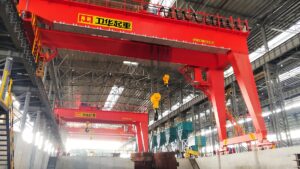
An overhead gantry crane can serve an assembly bay where parts need lifting between floor-level workstations and suitable elevated runways are unavailable. It may position machine frames, tooling or completed assemblies within its approved working envelope.
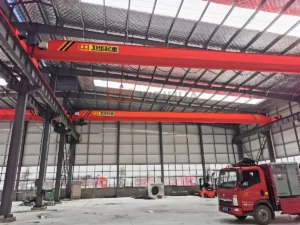
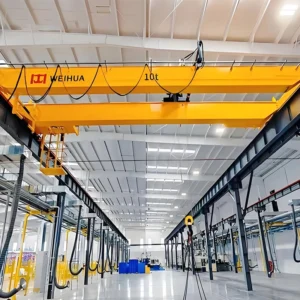
Check the space occupied by supporting legs, wheels or rails. A gantry can obstruct an aisle or production line even when its bridge clears the machinery. Where clear floor access and frequent movement across a whole building are priorities, an overhead bridge crane may be the better option if adequate runway support is available.
Obtenha uma Cotação Personalizada Agora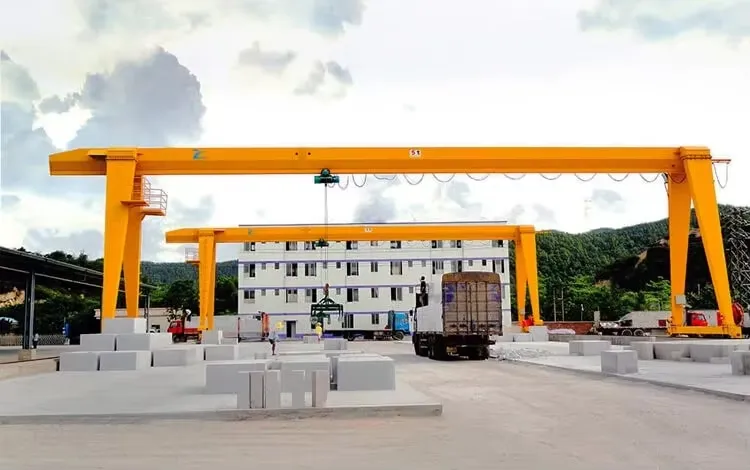
Steel Fabrication and Metalworking
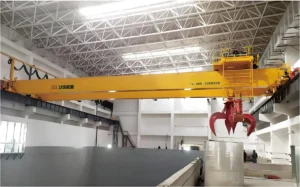
An overhead gantry crane can move plates, beams and welded assemblies between cutting, welding and storage positions. Long components require attention to the centre of gravity, lifting points and the use of an appropriate beam, clamp or other attachment.
Include applicable attachment and rigging weights in the suspended load. A magnet or grab is not interchangeable with a hook without checking compatibility and the capacity definition. Provide drawings of awkward or flexible workpieces when requesting a lifting proposal.
Obtenha uma Cotação Personalizada Agora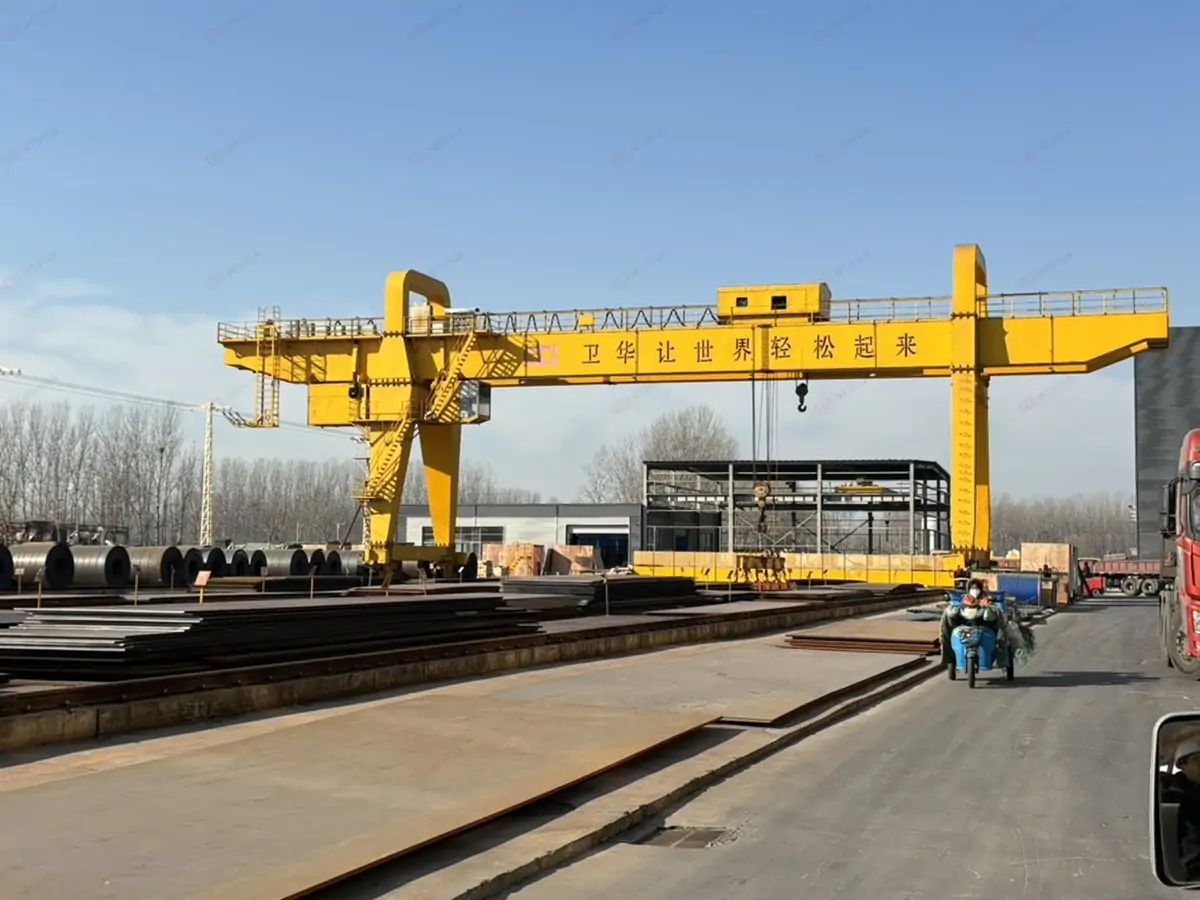
Warehouses and Outdoor Storage Yards
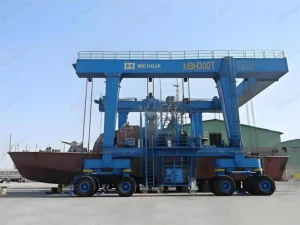
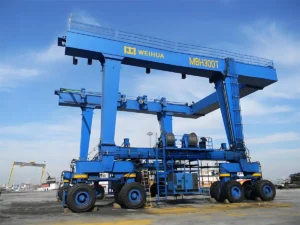
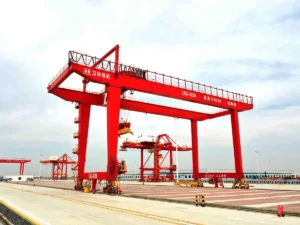
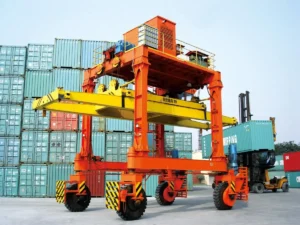
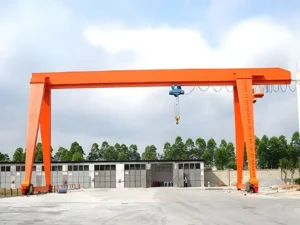
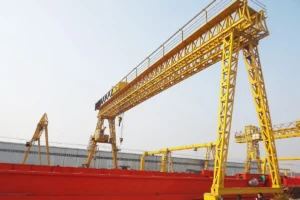
An overhead gantry crane may suit bulky stock or machinery that cannot be handled efficiently by the site’s existing equipment. Rail-mounted systems follow fixed routes; powered rubber-tyred systems can offer different travel arrangements where the site and model permit them.
A compact caster-mounted gantry is a separate equipment category. It should not be assumed to have the same steering, load rating or loaded-travel capability as a powered mobile gantry. Specify the intended travel mode and check pavement or slab strength, turning space, drainage, and separation from vehicles.
Obtenha uma Cotação Personalizada Agora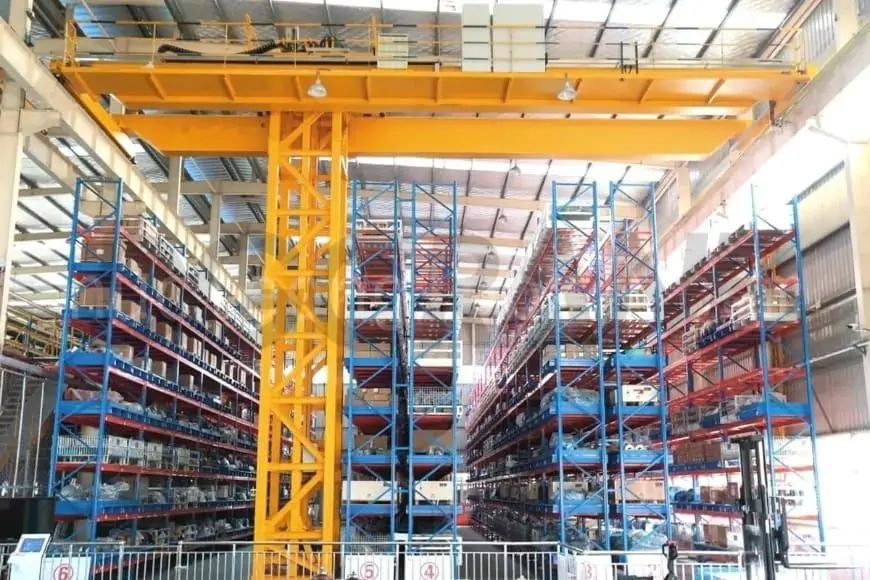
Construction and Precast Concrete Production
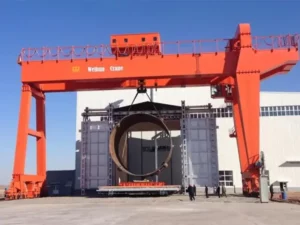
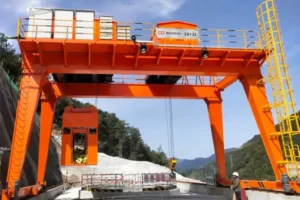
An overhead gantry crane is particularly relevant to a defined precast production or staging area where components move repeatedly between casting, storage and loading positions. Its suitability for a general construction site depends on the installation, access, and work sequence; it is not a universal replacement for mobile lifting equipment.
For precast components, confirm the weight at the handling stage, approved lifting anchors, and lifting arrangement. Large panels also present a substantial area to the wind. Follow project lifting instructions and the crane’s operating limits rather than selecting by component weight alone.
Obtenha uma Cotação Personalizada Agora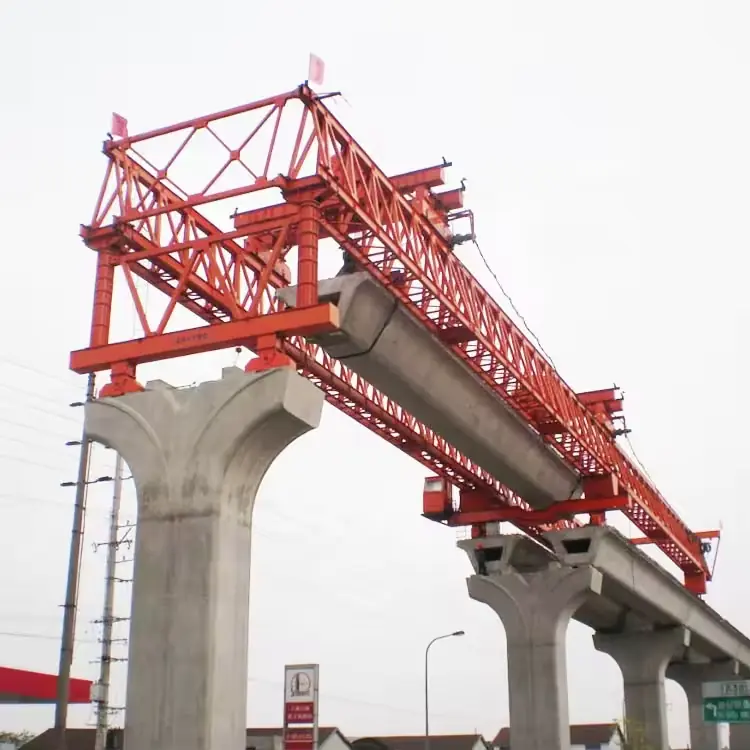
Heavy Equipment Maintenance
An overhead gantry crane can provide lifting access over an engine, gearbox or machine frame during removal and installation. Compact frames may be useful in a maintenance bay, while larger systems can serve repeated equipment assembly tasks.
Check the hook height with the lifting gear attached, the available space above the component, and the removal path. Repositioning the frame when unloaded and travelling with a suspended load are different operations. Loaded travel is allowed only where the manufacturer expressly approves it for the selected configuration and conditions.
Obtenha uma Cotação Personalizada Agora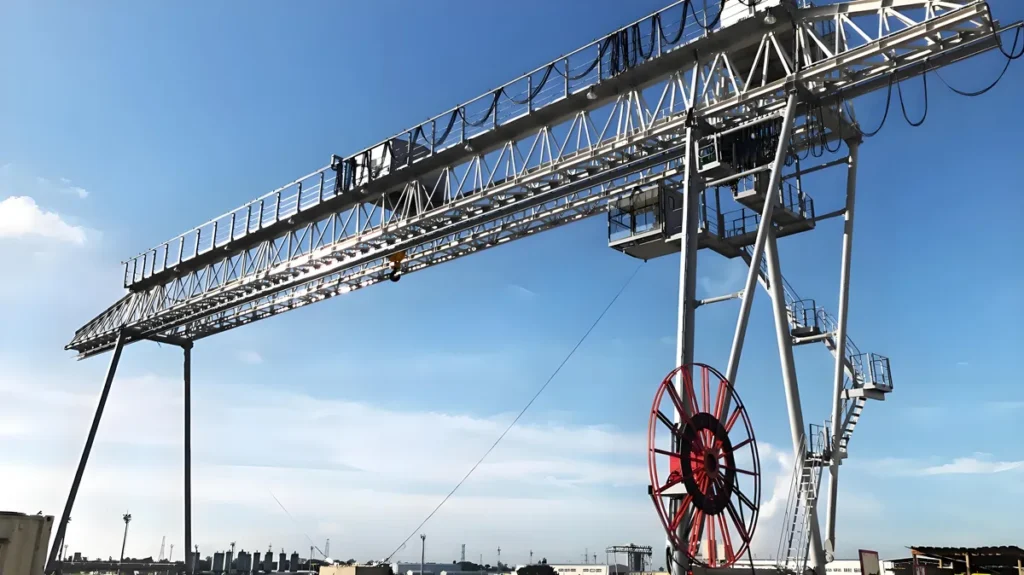
Indoor and Outdoor Installation Requirements
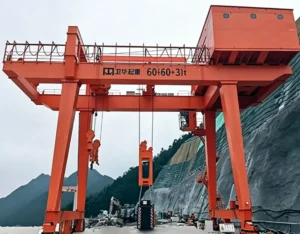
An indoor overhead gantry crane must fit the building and its working routes. An outdoor installation also needs assessment of environmental exposure and its supporting ground or foundations.
The layout should also leave access around motors, brakes, electrical panels, and travel components for inspection and servicing. If faults are found, arrange gantry crane repair and return-to-service checks before lifting operations resume.
| Site factor | Indoors | Outdoors |
|---|---|---|
| Support | Verify slab or foundation capacity against wheel and support loads. | Verify pavement, soil and foundation suitability for the proposed system. |
| Clearance | Check roof beams, lights, machinery and pedestrian routes. | Check nearby structures, overhead services and vehicle routes. |
| Environment | Assess heat, humidity, ventilation and any hazardous atmosphere. | Assess wind, rain, drainage, temperature and corrosion exposure. |
| Travel | Confirm aisle width, rail alignment or permitted floor travel. | Confirm route condition, drainage and any approved steering arrangement. |
| Parking | Follow the manufacturer’s securing and shutdown instructions. | Confirm out-of-service wind precautions and anchoring where required by the design. |
Neither an indoor nor an outdoor overhead gantry crane should be selected on lifting capacity alone. The proposed support reactions and wheel loads must be checked against the actual site. A smooth-looking floor does not establish adequate load-bearing capacity.
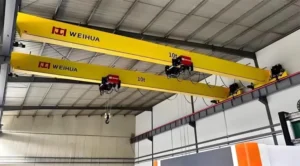
Gantry Crane vs Overhead Bridge Crane
| Question | Guindaste pórtico | Overhead bridge crane |
|---|---|---|
| What supports the bridge? | Legs transferring loads to rails, wheels or fixed supports; semi-gantries have a different support arrangement. | Elevated runways supported by the building or separate structures. |
| What occupies floor space? | Legs, travel equipment and potentially ground rails. | Runway columns where present; the crane travels above the work area. |
| Where may it fit? | Open yards or bays without suitable elevated runways. | Facilities with adequate runway support and a need for clear working space below. |
The label overhead gantry crane does not by itself establish the right structure. Compare the load path, floor access, working coverage and installation requirements. “Portal crane” can also refer to other crane arrangements, so do not use it as an unqualified synonym in a specification.
Explore single-girder gantry designs, double-girder configurations e overhead bridge cranes. For the operating sequence, read how a gantry crane works.
How to Specify Equipment for Your Application
Before requesting an overhead gantry crane proposal, prepare a description of the lift and the site:
- Load: maximum verified workpiece weight, dimensions, centre of gravity and lifting points, plus applicable lifting equipment and rigging weights.
- Span and coverage: required rail-centre distance where applicable, clear width between legs, hook approach and any cantilever reach. These dimensions are related but are not interchangeable.
- Height: required hook height, component height, lifting attachment depth and overhead clearance.
- Travel: fixed or changing routes, distance, rail or wheel arrangement, turning requirements and whether loaded travel is needed.
- Duty: expected cycles, daily operating hours and the proportion of lifts near the maximum load.
- Site: layout, supporting-structure information, indoor or outdoor conditions, power supply and applicable project standards.
Ask the supplier to confirm the proposed rated configuration, wheel or support loads, operating restrictions and documentation. Compare quotations against the same scope. Do not assume a higher working class increases the permissible load of an existing crane.
WEIHUA can review these requirements with you. Send the lifting task and site layout to the technical team to discuss an overhead gantry crane configuration and a project-specific quotation. Confirm equipment supply, installation assistance, and service responsibilities in the proposal.
Conclusão
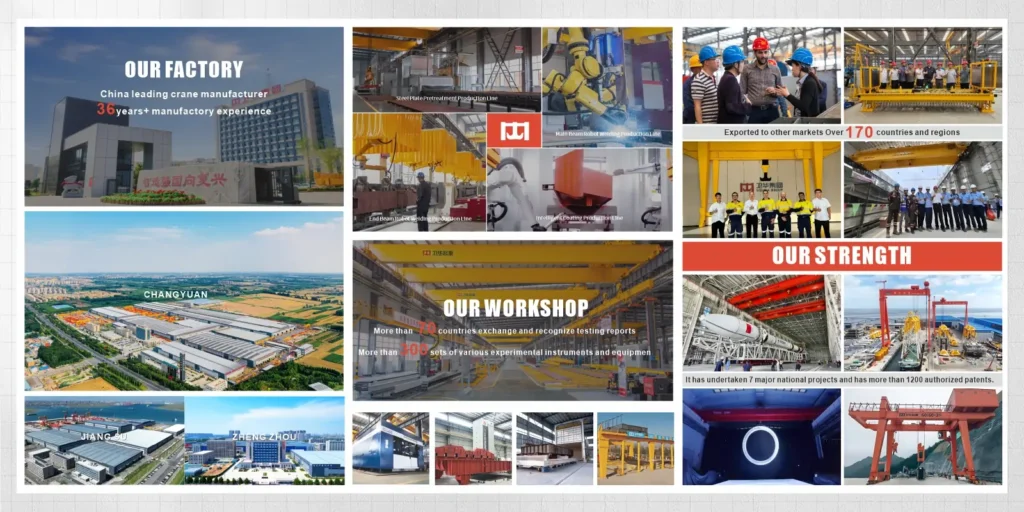
WEIHUA designs and manufactures gantry cranes for industrial lifting and material handling projects. Custom configurations are available for different load capacities, spans, lifting heights, travel systems, and operating environments. Services cover equipment manufacturing, export, project engineering, and technical support for crane projects across different industries.
Each project is reviewed against its lifting requirements, site layout, and operating conditions. Contact WEIHUA with your required load capacity, crane dimensions, travel route, and site drawings. Our team can assess your project specifications and provide a suitable crane configuration and quotation.
FAQ
Where are overhead gantry cranes most commonly used?
Overhead gantry cranes are commonly used in manufacturing plants, steel fabrication facilities, warehouses, outdoor storage yards, construction sites, and precast concrete production areas.
Can a gantry crane be used indoors and outdoors?
Yes. Indoor gantry cranes operate in workshops and production facilities, while outdoor models serve storage yards, construction sites, and loading areas. The design must match the ground conditions, available clearance, and environmental loads.
What is the difference between a gantry crane and an overhead bridge crane?
A gantry crane has a main girder supported by legs that transfer loads to the ground or supporting foundations. An overhead bridge crane travels on elevated runway rails supported by a building structure or independent columns.
What materials can a gantry crane handle?
Gantry cranes can handle steel plates, beams, machinery, fabricated components, precast concrete elements, and other industrial loads. The crane and lifting attachments must be selected according to the load weight, dimensions, and lifting points.
Does a gantry crane require rails?
Not always. Rail-mounted gantry cranes follow fixed tracks, while trackless models travel on wheels across suitable floor or ground surfaces. The choice depends on the travel route, ground conditions, and positioning requirements.
How do you determine the required gantry crane capacity?
Determine the maximum load weight, including applicable lifting attachments. Review the load dimensions, center of gravity, lifting points, and operating frequency before specifying the crane’s rated capacity.
What information is needed to order a custom gantry crane?
Provide the required lifting capacity, span, lifting height, travel distance, operating environment, duty requirements, power supply, and site layout. Load drawings and foundation details are also useful for technical assessment.
Does WEIHUA provide customized gantry cranes for overseas projects?
WEIHUA manufactures customized industrial cranes and provides export and project engineering services. Customers can submit project specifications and site drawings for technical review and a quotation.